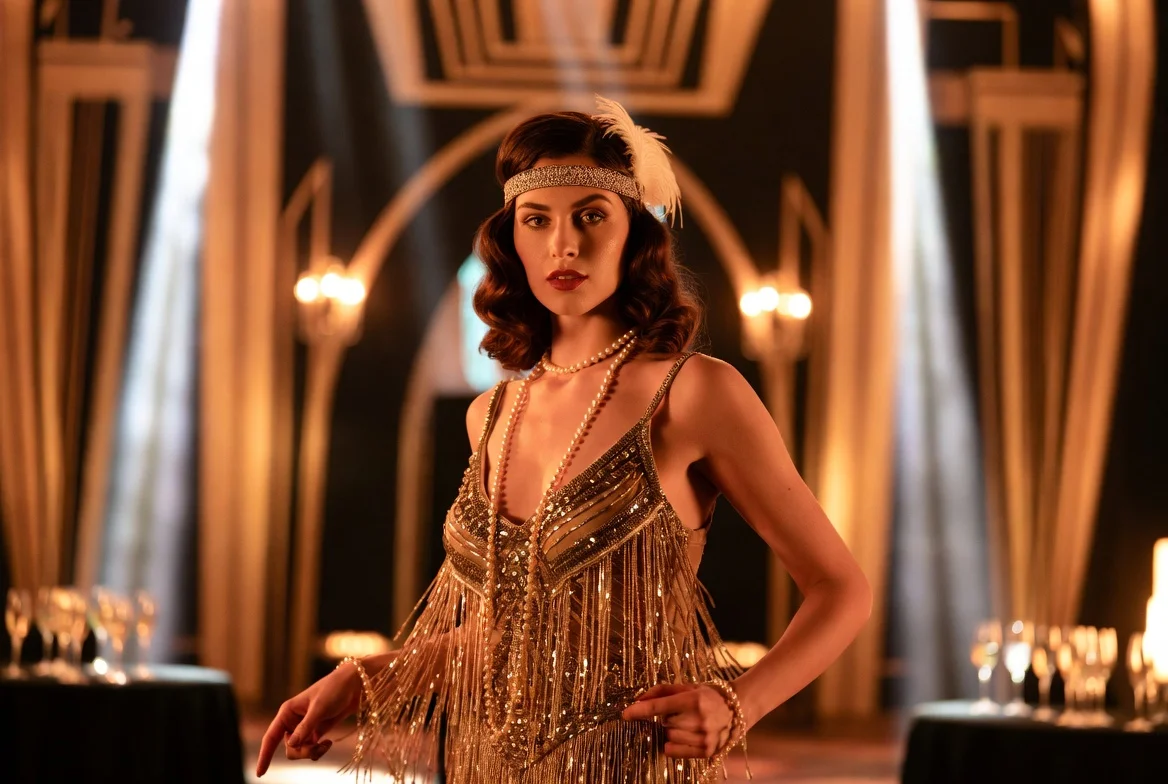
10+ Great Gatsby Outfit Ideas To Spark Your Inner Flapper!
The shimmer of sequined dresses, the sophistication of art deco patterns, and the rebellious spirit of the Jazz Age continue to captivate fashion enthusiasts nearly a century after the roaring twenties first burst onto the scene. Whether you’re preparing for a themed celebration, planning a vintage wedding, or simply drawn to the timeless elegance of 1920s fashion, mastering the Great Gatsby aesthetic opens a world of glamorous possibilities.
The beauty of Gatsby-inspired outfits lies in their versatility and enduring appeal. From the iconic flapper dress with its liberating silhouette to the dapper sophistication of men’s prohibition era suits, these ensembles represent more than just clothing. They embody a transformative moment in history when women bobbed their hair in defiance of convention, speakeasy culture flourished despite prohibition, and fashion became a bold statement of personal freedom. The 2013 film adaptation starring Leonardo DiCaprio reignited global fascination with this opulent period, making Great Gatsby parties and roaring twenties themed events more popular than ever.
Understanding authentic 1920s style requires more than simply throwing on a fringed dress or donning a fedora. The devil truly lives in the details, from the specific cut of a dropped waistline to the strategic placement of beaded embellishments and the careful selection of period-appropriate accessories. This comprehensive guide explores over ten distinct Gatsby outfit ideas that honor the spirit of the era while remaining accessible for modern celebrations, ensuring you’ll arrive at your next event looking like you’ve stepped straight out of F. Scott Fitzgerald’s most glamorous pages.
Understanding The Flapper Dress Foundation
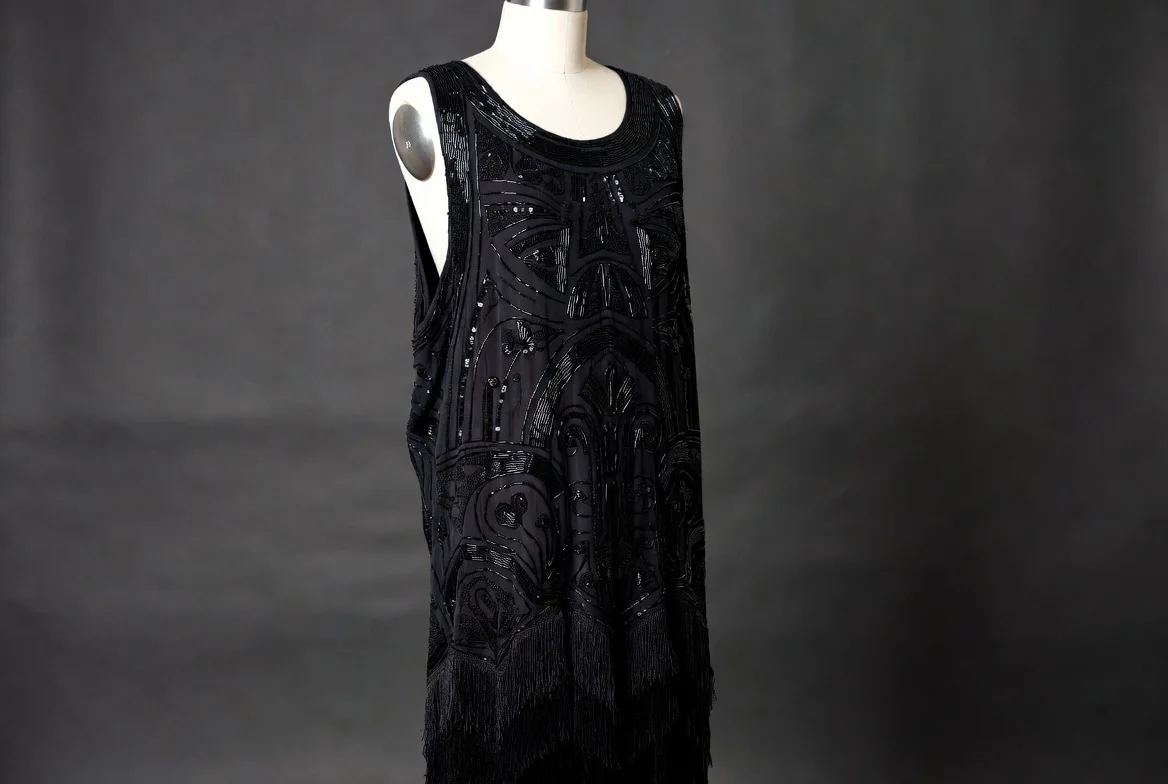
The flapper dress serves as the cornerstone of women’s Great Gatsby fashion, representing a revolutionary departure from the restrictive corsets and floor-length gowns of previous decades. Characterized by a loose, straight silhouette with a dropped waistline that sat at hip level, these dresses typically fell just below the knee, a scandalously short length for the time that allowed unprecedented freedom of movement for dancing the Charleston or Lindy Hop.
Authentic 1920s flapper dresses featured several distinctive elements that set them apart. The fabric choices leaned heavily toward luxurious materials like silk, chiffon, and velvet, often in rich jewel tones or classic black. Art deco geometric patterns adorned many pieces, rendered in shimmering sequins and delicate beadwork that caught the light with every movement. Fringe details became synonymous with the era, creating dramatic visual effects as dancers moved across ballroom floors.
When selecting a flapper-style dress for your Gatsby ensemble, consider the occasion carefully. Shorter, more heavily embellished pieces work beautifully for cocktail parties and dance-focused events, while longer, more elegant versions suit formal galas or Gatsby-themed weddings. The neckline options varied from modest high necks to daring sleeveless designs with deep V-cuts, allowing personal preference and comfort level to guide your choice. Many modern interpretations include stretch linings for improved fit and comfort while maintaining the authentic aesthetic silhouette.
The color palette of genuine 1920s fashion skewed toward more muted, sophisticated tones than the bright hues sometimes seen in contemporary reproductions. Black, navy, burgundy, emerald green, and champagne gold dominated wardrobes, occasionally accented with silver or rose gold metallic threads. For those seeking to make a statement, beaded fringe dresses in these classic colors offer the perfect balance of authenticity and visual impact.
Character-Inspired Gatsby Looks
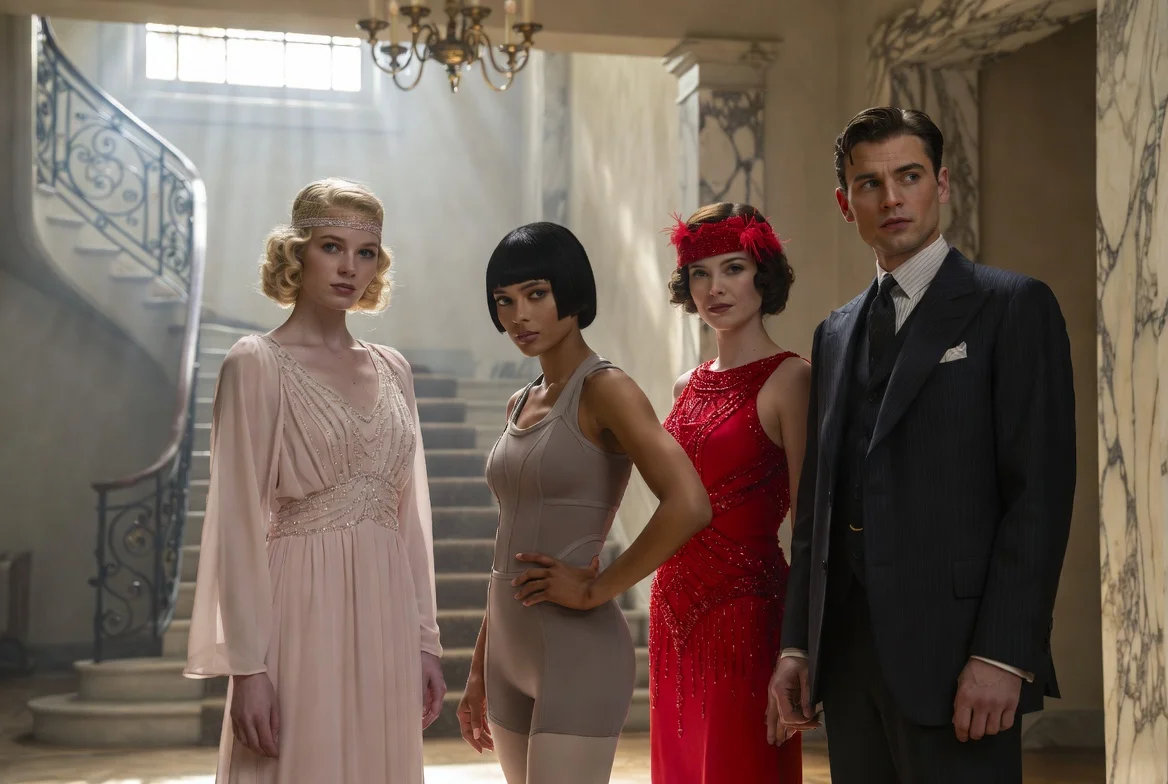
Drawing inspiration directly from F. Scott Fitzgerald’s characters provides an excellent framework for developing your Great Gatsby outfit. Each major character in the novel embodies distinct fashion sensibilities that reflect their social position and personality, offering multiple aesthetic directions to explore.
Daisy Buchanan, the object of Gatsby’s affection, represents old money elegance and refined taste. Her wardrobe consists of flowing, ethereal pieces in pale colors like ivory, blush pink, and soft yellow. To channel Daisy’s sophisticated style, opt for a longer midi or maxi-length dress with delicate lace overlays, subtle pearl embellishments, and feminine details like flutter sleeves or draped necklines. Pair this with understated jewelry, low-heeled T-strap shoes, and a simple headband or hair accessory rather than dramatic feathered pieces.
Jordan Baker, the professional golfer, embraces the more androgynous, athletic side of flapper fashion. Her character favors sleek, streamlined silhouettes that allow movement, often incorporating menswear-inspired elements. Recreate Jordan’s look with a straight-cut dress in neutral tones, perhaps with geometric patterns, or consider a trouser suit paired with a silk blouse. This approach works particularly well for those who prefer comfort and practicality while maintaining period authenticity.
Myrtle Wilson, Tom Buchanan’s mistress, represents aspirational nouveau riche style. Her outfits tend toward the flashier end of the spectrum, with bold colors, abundant ornamentation, and pieces that announce her presence. For a Myrtle-inspired ensemble, choose vibrant reds, purples, or emerald greens in heavily sequined or fringed designs. Layer on costume jewelry without restraint and opt for more dramatic makeup and accessories.
For gentlemen, Jay Gatsby himself provides the ultimate template. His impeccable tailoring, luxurious fabrics, and attention to detail set the standard for men’s 1920s formal wear. Invest in a well-fitted three-piece suit in charcoal, navy, or a subtle pinstripe pattern, completed with a crisp white dress shirt, silk tie, pocket square, and polished oxford shoes or two-tone spectator shoes.
Essential Accessories To Complete Your Look
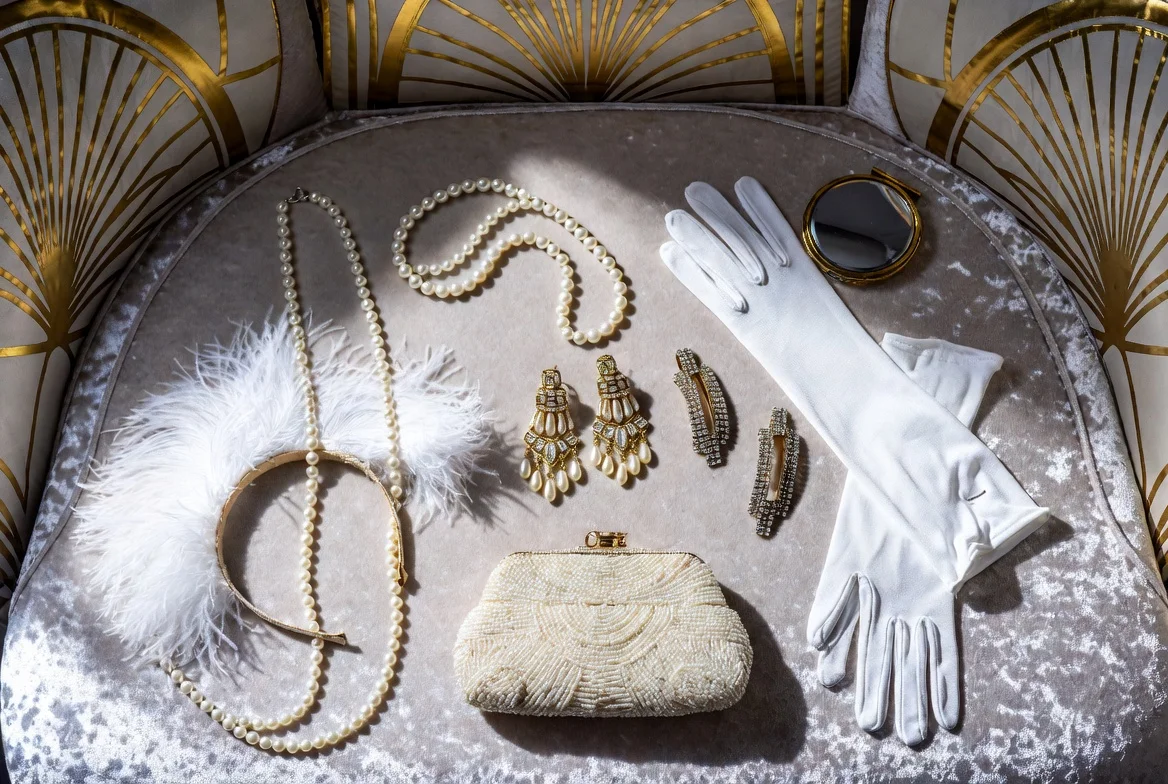
No Great Gatsby outfit achieves authenticity without carefully selected accessories, which often prove even more crucial than the clothing itself in capturing the era’s distinctive flair. The 1920s marked a golden age of decorative details, with both women and men embracing ornamental pieces that added personality and polish to every ensemble.
Pearl necklaces reign supreme among women’s accessories for Gatsby-themed events. The longer the strand, the better, as fashionable women of the era wore multiple loops of pearls that hung well below the bustline, sometimes reaching waist level. These could be knotted, wrapped multiple times around the neck, or worn as a single dramatic rope. Beyond pearls, long beaded necklaces with art deco pendants or tasseled ends complemented the swinging, mobile aesthetic of flapper fashion.
Headpieces serve as the crowning glory of many Gatsby outfits. Feathered headbands featuring ostrich plumes or peacock feathers create instant vintage glamour, while rhinestone or beaded headbands offer sparkle without excessive height. The classic cloche hat, a close-fitting bell-shaped piece worn low on the forehead, provides an authentic daytime alternative. For evening events, jeweled hair clips, decorative combs, or small fascinators pinned at rakish angles achieve the desired effect.
Chandelier earrings dripping with crystals, art deco geometric designs, or pearl drops elongated the face and caught light beautifully. Cocktail rings featuring large colored stones or intricate metalwork added drama to hands, particularly when combined with elbow-length gloves in satin, lace, or sheer fabrics. These opera-length gloves not only looked elegant but also served as status symbols, with the finest examples crafted from kid leather or silk.
Gentlemen’s accessories included fedora hats or bowlers, pocket watches on chains, ornate cufflinks, and tie clips. The walking cane or dress stick served both decorative and practical purposes, while two-tone spectator shoes in black and white or brown and cream provided a distinctive footwear option. Don’t overlook the boutonniere, a fresh flower worn in the suit lapel that added a refined finishing touch.
Footwear That Fits The Era
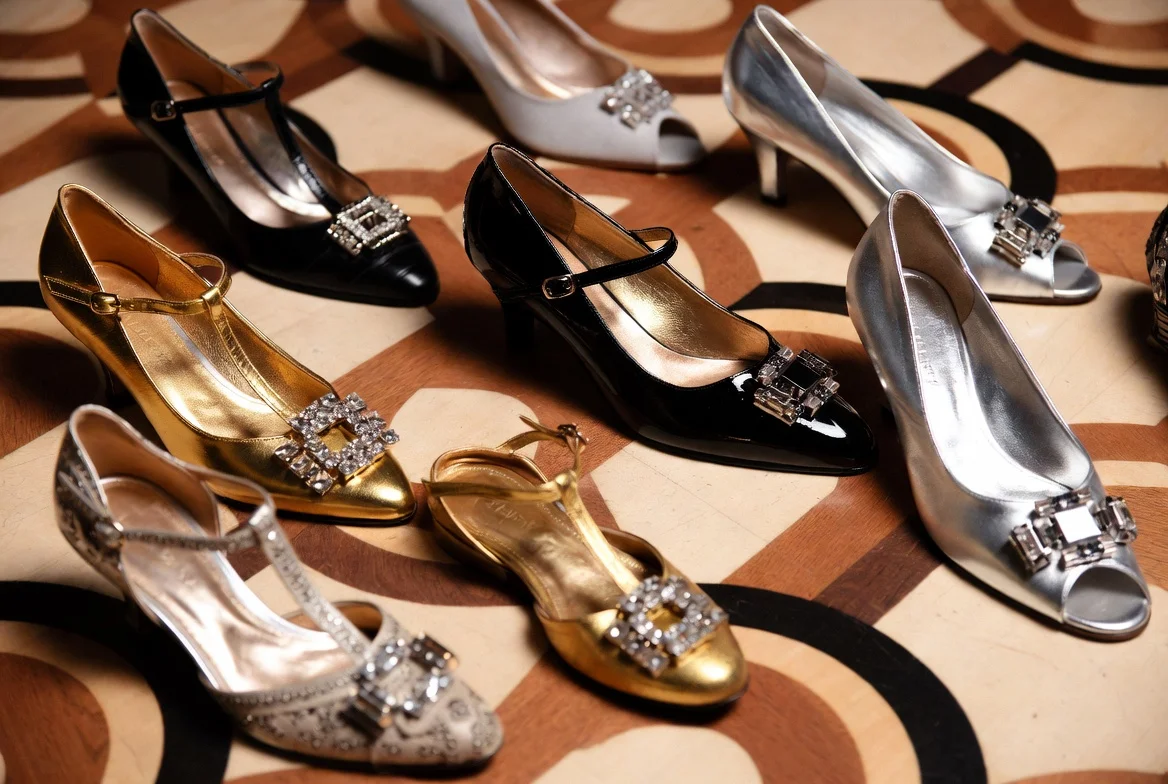
The revolution in women’s fashion during the 1920s extended naturally to footwear, with shorter hemlines suddenly placing unprecedented attention on shoes and stockings. This shift created an explosion of creative shoe designs that balanced style with the practical needs of an increasingly mobile, dance-loving generation.
T-strap heels dominated the footwear landscape, featuring a vertical strap running from the toe to the ankle strap that provided stability while maintaining an elegant profile. These came in various heel heights, though 1920s versions typically ranged from one to two inches, modest by contemporary standards but revolutionary for the time. Modern reproductions often feature slightly higher heels for those accustomed to additional elevation, though staying closer to authentic proportions creates a more period-accurate silhouette.
Mary Jane shoes with their characteristic single strap across the instep offered another popular option, particularly for daytime wear or less formal occasions. These often featured rounded toes and came in patent leather, silk satin, or metallic finishes. For those prioritizing comfort during extended dancing, flat or low-heeled versions of these classic styles allow you to enjoy your event without foot pain compromising the experience.
Peep-toe heels began emerging toward the late 1920s, offering a hint of daring while maintaining overall elegance. These work beautifully with modern sensibilities while remaining within the era’s aesthetic boundaries. Look for versions in black, gold, silver, or jewel-toned satin that coordinate with your dress color scheme. Adding rhinestone embellishments or art deco buckles elevates simple shoes into statement pieces.
Don’t neglect stockings, which became objects of fashion in their own right once they became visible. Nude or flesh-toned stockings created controversy initially, as showing what appeared to be bare legs scandalized conservative observers. Seamed stockings with decorative patterns, clocks at the ankle, or contrasting heel and toe sections added visual interest. For cooler weather events, patterned or textured tights in dark colors provide period-appropriate coverage.
Men’s footwear centered on polished oxford shoes in black or brown leather, though the two-tone spectator shoe became the signature footwear choice for the truly fashionable gentleman. These featured contrasting leather colors, typically combining white with black or brown, creating a distinctive and immediately recognizable 1920s look.
Men’s Gatsby Fashion Fundamentals
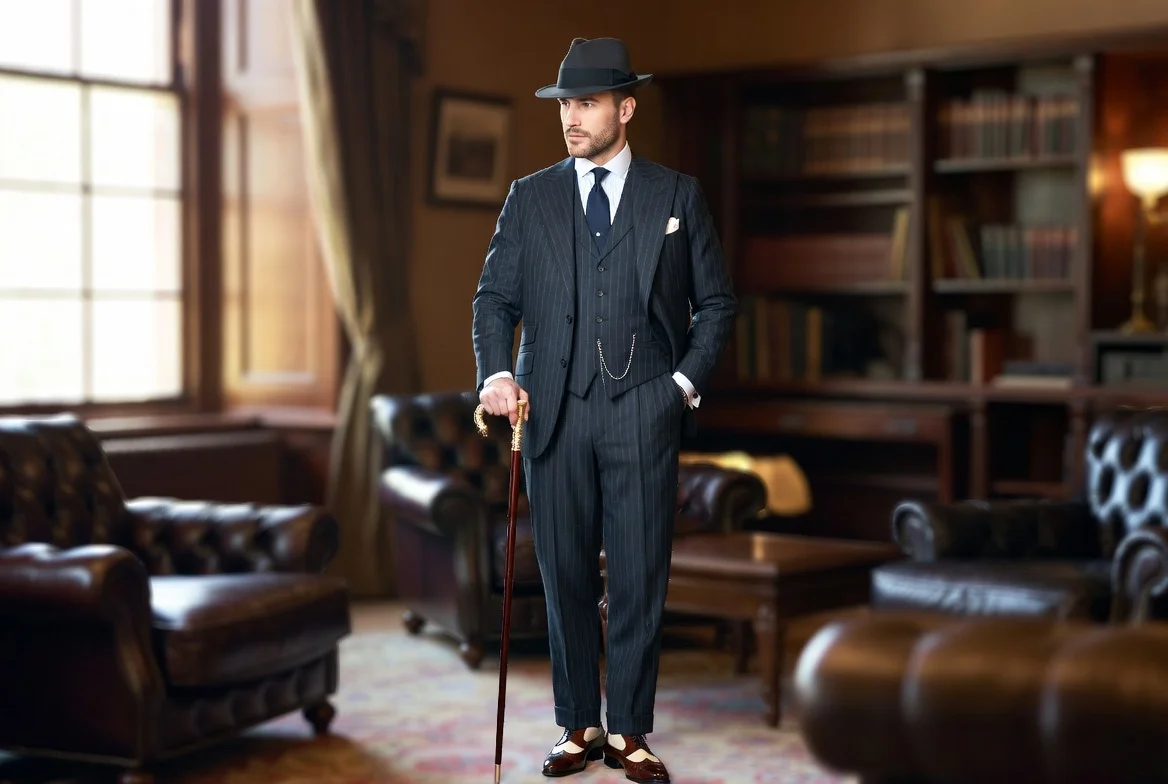
While flapper dresses dominate popular imagination when considering Great Gatsby fashion, men’s 1920s style deserves equal attention for its sophistication, variety, and lasting influence on modern formal wear. The decade witnessed the birth of many menswear conventions that persist today, making it relatively straightforward to assemble an authentic-looking gentleman’s ensemble.
The foundation of any Great Gatsby outfit for men begins with a well-tailored suit. Unlike contemporary slim-fit trends, 1920s suits featured slightly fuller cuts through the shoulders and chest, with trousers that sat higher on the natural waist and often included pleats. Three-piece suits consisting of jacket, waistcoat, and trousers represented the height of fashion, with the waistcoat adding both warmth and visual interest to the ensemble.
Fabric choices leaned toward wool in various weights and textures, with pinstripe patterns proving particularly popular among urban sophisticates. Charcoal gray, navy blue, and medium brown dominated color palettes, though lighter summer suits in cream, tan, or light gray appeared at daytime and warm-weather events. The suit jacket typically featured notched lapels, though peaked lapels appeared on more formal pieces, with two or three-button closings.
The dress shirt anchored the outfit, invariably in white or cream with a pointed collar. French cuffs requiring cufflinks added formality and provided opportunities for personalization through jewelry choices. Neckwear varied from traditional four-in-hand ties in solid colors or subtle patterns to bow ties for evening events. The Windsor knot had recently been popularized by the Duke of Windsor, offering a fuller, more triangular knot option.
Suspenders held trousers in place, as belt loops had not yet become standard, though belts were beginning to appear. For the most authentic look, opt for button suspenders rather than modern clip versions. Trousers should be high-waisted, falling in a straight leg to break slightly at the shoe. Cuffed trousers became increasingly common throughout the decade.
Outerwear options included long overcoats in dark wool for cooler weather, often with velvet collars, and lighter trench coats inspired by military wear. The newsboy cap or flat cap provided casual headwear, while fedoras and bowler hats suited more formal occasions. No gentleman’s ensemble was complete without leather dress shoes, preferably oxfords or brogues polished to perfection.
Plus Size And Inclusive Gatsby Styling
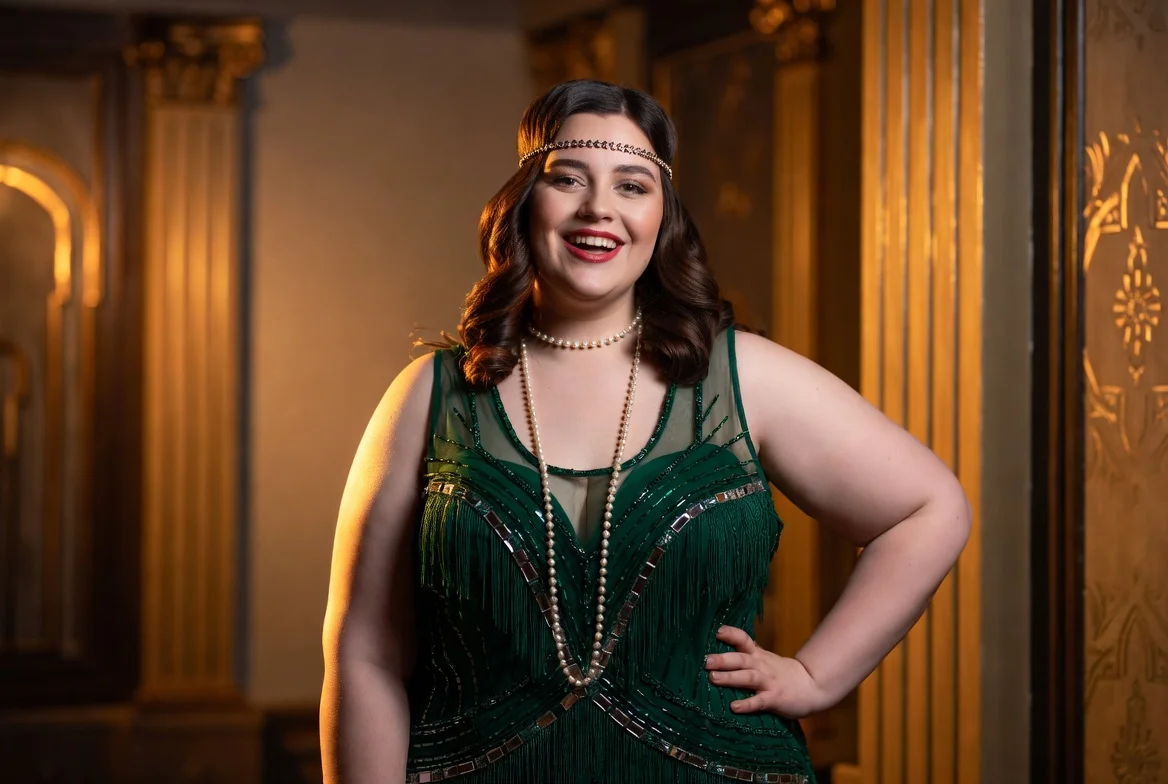
The beauty of 1920s fashion lies partly in its democratic silhouette, which flattered a wide range of body types through its emphasis on straight, dropped-waist lines rather than corseted curves. This makes Great Gatsby style particularly accessible for plus-size individuals seeking vintage-inspired looks that both honor historical accuracy and celebrate contemporary body diversity.
Plus-size flapper dresses should maintain the era’s characteristic features: the dropped waist that creates a straight line from shoulders to hips, knee-length or slightly longer hemlines, and loose rather than fitted construction. Modern designers have created numerous extended-size options that incorporate stretch fabrics for comfort while preserving the authentic visual aesthetic. Look for dresses with forgiving armholes, as many 1920s designs featured sleeveless or cap-sleeve construction that can feel restrictive.
Fabric quality and embellishment placement matter significantly for larger sizes. Heavier satins and crepes drape more gracefully than lightweight chiffons, while strategic placement of sequins, beading, or fringe can create flattering vertical lines and draw the eye to desired focal points. Layered fringe creates movement and visual interest while providing coverage, making it an excellent choice for those who prefer less body-conscious silhouettes.
Color choices for plus-size Gatsby outfits benefit from the era’s preference for rich, deep tones. Jewel colors like emerald, sapphire, ruby, and amethyst create sophisticated looks, while classic black offers timeless elegance with slimming properties. Avoid overly busy patterns in favor of art deco geometric designs with clear, clean lines that complement rather than overwhelm the frame.
Undergarments deserve attention, as the right foundations create the proper silhouette. Rather than modern shapewear that creates curves, 1920s fashion required minimizing the bust and hips to achieve a straight line. A good smoothing slip or period-appropriate undergarments help achieve this look comfortably. Full-length slips also prevent transparency issues with lighter fabrics and add a layer of movement-friendly coverage.
Accessories work wonderfully for all sizes, offering opportunities to personalize and enhance any outfit. Long pearl necklaces, dramatic headpieces, elegant gloves, and statement evening bags require no size adjustments and instantly elevate the entire ensemble. Don’t hesitate to go bold with accessories, as the 1920s celebrated abundance and ornamentation.
Men’s plus-size Gatsby styling similarly benefits from the era’s more generous suit cuts. Custom tailoring or alterations ensure proper fit through the shoulders, chest, and waist, while higher-rise trousers prove more comfortable and authentic than modern low-rise options. Waistcoats add visual interest while providing coverage and creating clean lines.
Budget-Friendly Gatsby Outfit Solutions
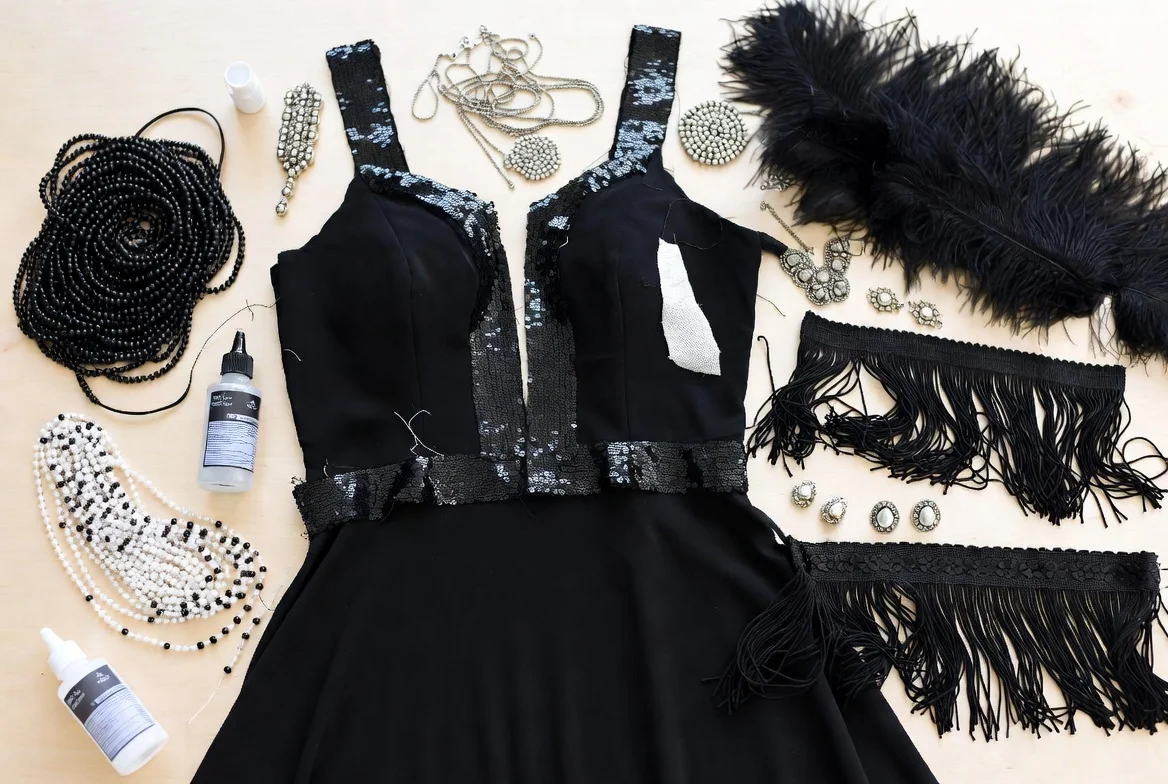
Creating an impressive Great Gatsby outfit need not require significant financial investment, particularly for one-time events or costume parties. Strategic shopping, creative repurposing, and focusing resources on key statement pieces allow you to achieve authentic 1920s style while respecting budget constraints.
Thrift stores and vintage shops represent treasure troves for Gatsby costume builders. While genuine 1920s pieces rarely appear in wearable condition, you’ll frequently encounter items from later decades that can be modified or accessorized to read as period-appropriate. Black cocktail dresses from various eras can be transformed with the addition of fringe trim purchased from fabric stores, creating instant flapper appeal. Plain shift dresses gain authenticity with strategic sequin or bead application, available in iron-on or sew-on varieties at craft retailers.
DIY embellishments offer significant cost savings compared to purchasing pre-decorated garments. Fabric glue, sequin strings, fringe trim, and beading allow you to customize simple dresses, transforming inexpensive base garments into Gatsby showpieces. Focus embellishment efforts on high-visibility areas like necklines, hems, and sleeve edges rather than covering entire dresses, which proves both time-consuming and expensive.
Fast fashion retailers frequently stock 1920s-inspired pieces around Halloween, New Year’s Eve, and throughout party season, offering contemporary interpretations at accessible price points. While these may lack the quality of specialized vintage reproduction companies, they serve perfectly well for single-event wear. Watch for sales and clearance opportunities, and consider purchasing after major holidays when themed items typically receive deep discounts.
Rental options provide access to high-quality, authentic-looking costumes without long-term investment. Costume rental shops, theatrical suppliers, and even some formal wear stores maintain collections of period pieces available for short-term rental. This approach works particularly well for men’s suits, which require more precise fitting than the forgiving silhouettes of women’s flapper dresses.
Accessories deserve careful budget allocation, as they often make or break the overall effect. Fortunately, many essential items come at modest costs. Costume jewelry in art deco styles abounds at affordable prices, while long faux pearl strands cost far less than genuine versions while achieving identical visual impact. Feather headbands, rhinestone clips, and other hair accessories appear widely at party supply stores and online marketplaces.
For men, borrowing presents an excellent option. Many men own dark suits that can be accessorized with period touches like suspenders, bow ties, fedora hats, and pocket watches purchased inexpensively or borrowed from family members. Vintage-style ties and collar bars add authentic details without requiring full outfit purchases.
Hair And Makeup For The Complete Transformation
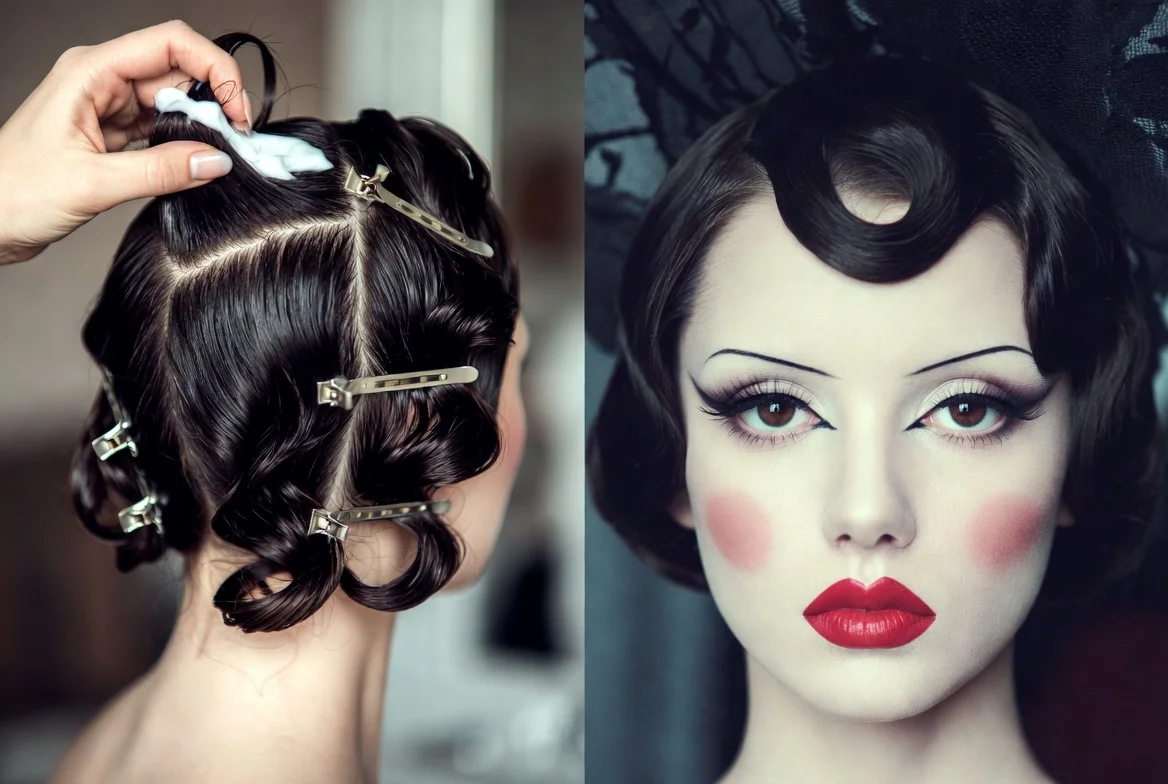
While clothing and accessories establish the foundation of any Great Gatsby outfit, period-appropriate hair and makeup complete the transformation, elevating your look from costume to convincing recreation. The 1920s witnessed revolutionary changes in beauty standards and grooming practices, making these elements crucial for authenticity.
Women’s hairstyles of the era centered on short, sleek cuts that shocked traditionalists but embodied the modern woman’s independent spirit. The iconic bob haircut came in various lengths and styles, from chin-length to earlobe-grazing versions, often accompanied by finger waves or Marcel waves that created S-shaped curves close to the scalp. For those unwilling to commit to cutting their hair, several alternatives achieve similar visual effects.
Faux bobs can be created by pinning longer hair up and under, secured with bobby pins and styled to appear short. Numerous online tutorials demonstrate this technique, which works best on shoulder-length or longer hair. Alternatively, consider purchasing a 1920s-style wig in a suitable color, ensuring proper fit and styling before your event. Wigs offer complete freedom to experiment with authentic looks without permanent commitment.
Styling products help recreate the era’s sleek, polished aesthetic. Gel or pomade applied to slightly damp hair allows finger wave creation, while setting lotion helps waves hold throughout the event. For modern hair that resists period styling, consider visiting a professional stylist experienced in vintage techniques, particularly for important occasions like weddings or milestone celebrations.
Makeup application in the 1920s marked a significant departure from previous natural ideals, though popular misconceptions exaggerate the boldness of everyday looks. While stage performers and fashion-forward flappers certainly embraced dramatic makeup, typical women wore relatively subtle cosmetics by contemporary standards. Pale foundation created a porcelain complexion, accented with circular rouge placement on the apples of cheeks rather than contouring along cheekbones.
Eyes received the most dramatic treatment, with dark kohl or pencil eyeliner rimming both upper and lower lash lines and extending slightly beyond the outer corners. Eyeshadow in smoky grays, browns, or mauves created depth, while mascara on upper lashes only added definition. Eyebrows were plucked into thin, downward-curved or straight lines that sat higher than natural brow lines, creating perpetually surprised or sultry expressions.
Lip color leaned toward deep reds, berries, and burgundies applied in the characteristic cupid’s bow shape that emphasized the center of the upper lip while keeping corners less defined. Lip liner allowed precise application of this distinctive shape, creating smaller-looking mouths that contrasted with contemporary full-lip preferences.
Men’s grooming emphasized clean-shaven faces or neatly trimmed mustaches, slicked-back hair achieved with pomade or brilliantine, and meticulous attention to details like manicured nails and subtle cologne application. The center or side hair part created clean, geometric lines that complemented suit styling.
Gatsby Outfits For Different Occasions
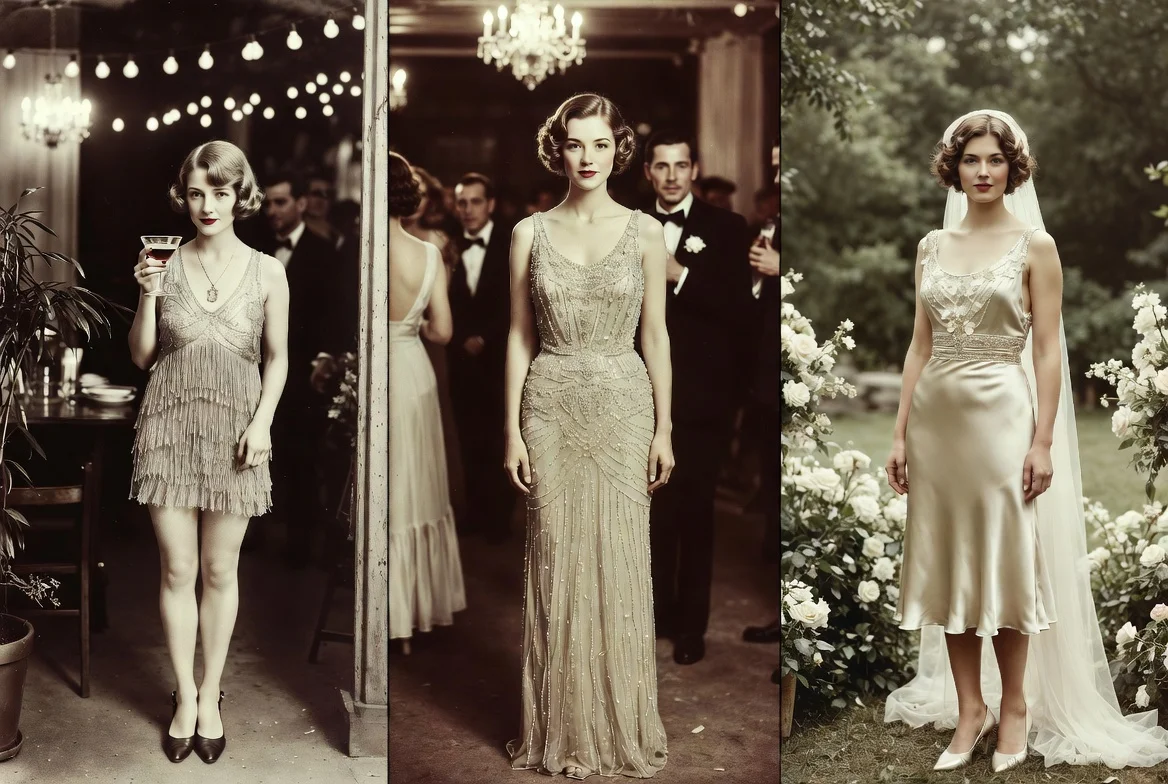
The versatility of Great Gatsby fashion allows adaptation across various event types and formality levels, from casual gatherings to black-tie galas. Understanding how to adjust your outfit to match occasion appropriateness ensures you’ll look polished and properly dressed regardless of the setting.
Cocktail parties and casual celebrations permit more playful interpretations of 1920s style. Shorter fringe dresses with abundant movement work beautifully for dance-focused events, while sequined or beaded mini dresses capture the era’s sparkle in contemporary silhouettes. Men can opt for suits in lighter colors or more casual fabrics, perhaps skipping the waistcoat for a relaxed three-piece look, and swapping formal oxfords for loafers or two-tone shoes.
Formal galas and black-tie events demand more restrained elegance. Women should choose longer midi or floor-length gowns in luxurious fabrics, with sophisticated embellishment rather than excessive fringe or playful details. Classic colors like black, navy, or champagne project appropriate formality, accessorized with genuine or high-quality faux pearls and understated jewelry. Men’s tuxedos or dinner jackets in black or midnight blue, complete with formal bow ties and patent leather shoes, honor both period convention and modern black-tie requirements.
Wedding attendees should coordinate with the couple’s vision while respecting wedding guest etiquette. For daytime or garden weddings, lighter colors and less heavy embellishment suit the occasion, while evening receptions permit more glamorous interpretations. Consider the venue and season when selecting fabrics and styles, opting for breathable materials like silk or chiffon for summer weddings and heavier velvets or beaded pieces for winter celebrations.
Themed birthday parties offer maximum creative freedom, allowing you to lean into character interpretations or explore more avant-garde 1920s looks. This context permits mixing modern elements with vintage pieces, experimenting with bold makeup, or incorporating contemporary accessories that wouldn’t work for strictly period-accurate events.
Photo shoots and professional events benefit from attention to authentic details that photograph well. Avoid overly shiny fabrics that create glare, ensure makeup is slightly heavier than everyday wear to register on camera, and select pieces with interesting textures and patterns that add visual dimension to images.
Sourcing Authentic And Reproduction Pieces
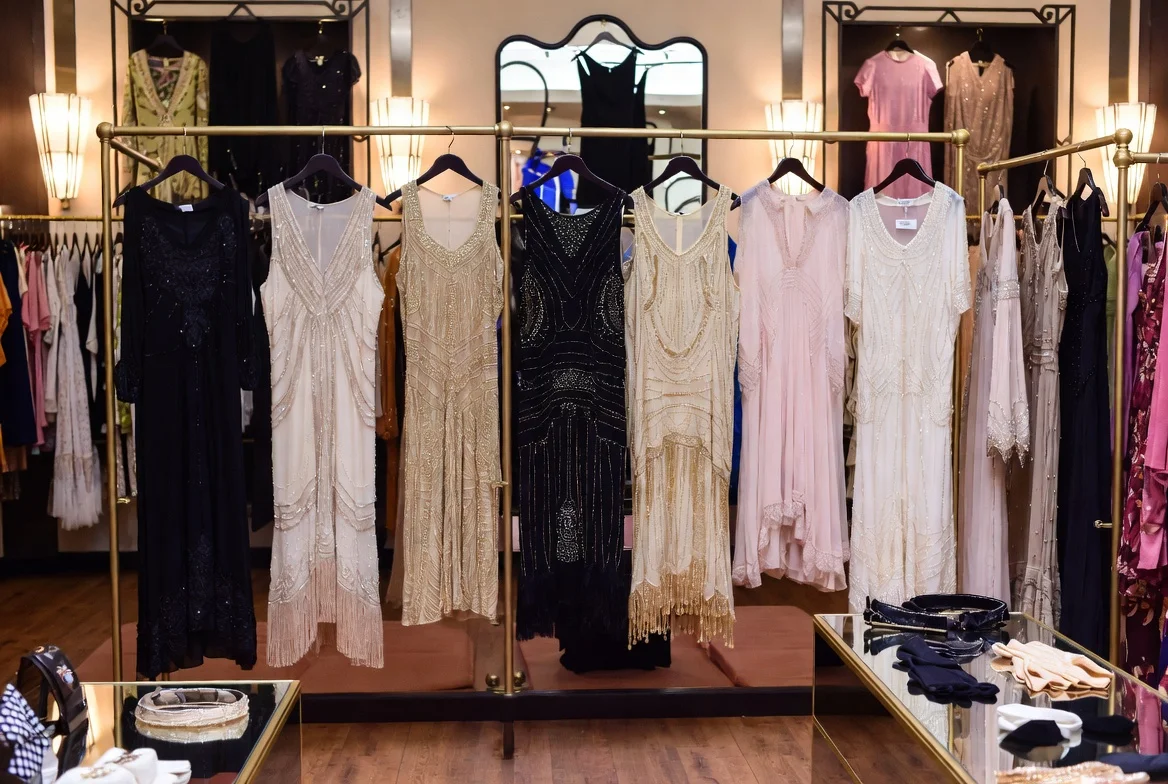
Successfully assembling a Great Gatsby outfit requires knowing where to find quality pieces that balance authenticity, affordability, and availability. Multiple sourcing strategies allow you to build your ideal ensemble regardless of budget, timeline, or location constraints.
Specialized vintage reproduction companies create pieces specifically designed to replicate 1920s originals, often using period patterns and construction techniques. These companies, found primarily online, offer various price points from affordable to investment pieces. While more expensive than generic costume options, reproduction garments typically feature superior construction, authentic detailing, and fabrics that photograph beautifully. Research customer reviews and company reputations before purchasing, paying attention to sizing information as vintage-inspired sizing may differ from contemporary standards.
Online marketplaces like Etsy host numerous independent designers and vintage sellers offering both genuine antiques and new creations inspired by the era. These platforms allow direct communication with sellers, custom sizing options, and access to unique pieces unlikely to appear at mainstream retailers. When purchasing vintage or handmade items, carefully review descriptions, measurements, and return policies to avoid disappointment.
Department stores and mainstream retailers increasingly recognize demand for vintage-inspired fashion, particularly around holidays and party seasons. While these pieces may lack the authenticity of specialized reproductions, they offer the advantage of in-person try-ons, easy returns, and immediate availability. Sales staff can often identify suitable pieces even when not specifically marketed as 1920s-style.
Costume rental services provide excellent options for those seeking high-quality, authentically detailed outfits without permanent investment. Professional costume houses maintain extensive collections and offer fitting services, alterations, and accessories as package deals. This approach works particularly well for group events where coordinating multiple looks within a cohesive aesthetic proves important.
Secondhand and consignment shops occasionally yield unexpected treasures, from genuine vintage accessories to later-decade pieces that can be modified for 1920s wear. Patient, regular browsing often rewards dedicated shoppers with unique finds at fraction-of-retail prices. Building relationships with shop owners who can alert you to relevant acquisitions enhances success rates.
Auction sites sometimes feature estate sales including vintage clothing and accessories. While this requires more effort in terms of research, authentication, and potentially dealing with condition issues, serious collectors and those seeking genuine period pieces find these sources invaluable. Expect to invest time learning about authentic 1920s construction, labels, and materials to distinguish genuine articles from later reproductions.
Couples And Group Gatsby Costume Coordination
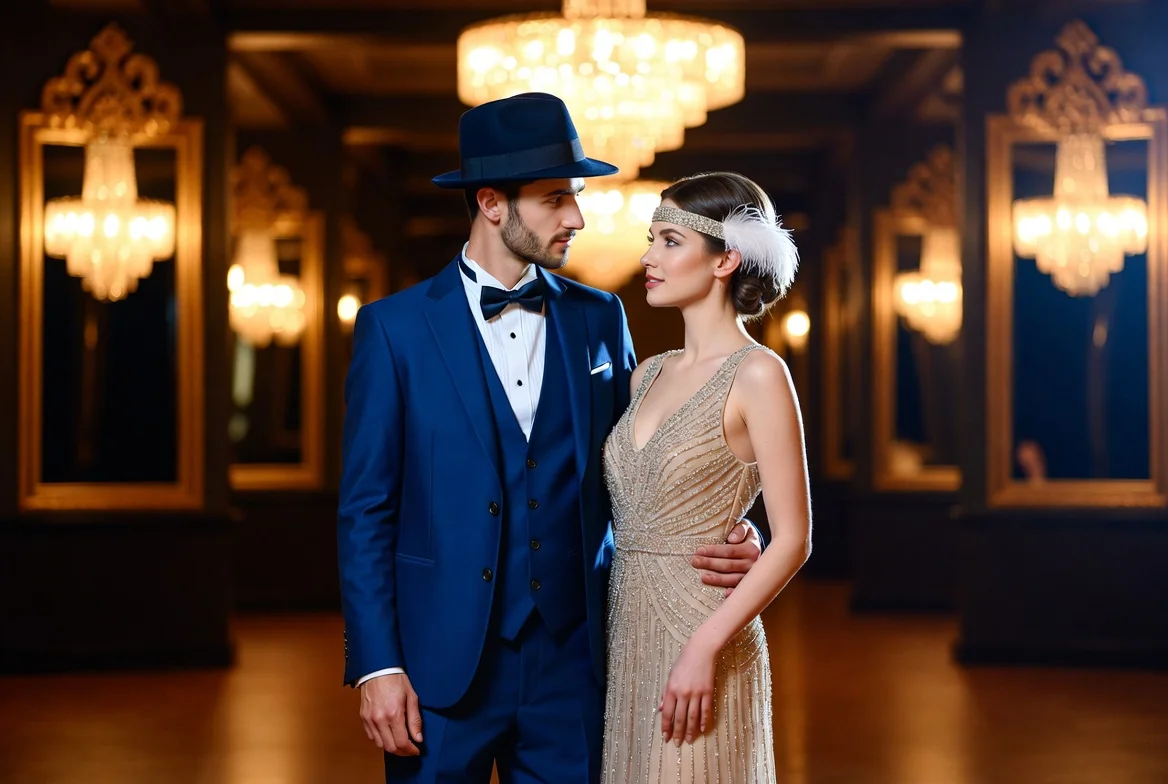
Coordinating Great Gatsby outfits for couples or larger groups creates visual impact while ensuring your party or event maintains cohesive aesthetic appeal. Strategic planning allows everyone to showcase individual style while contributing to a unified presentation.
For couples, consider drawing inspiration from specific character pairings. Gatsby and Daisy offer the classic combination, with Gatsby’s impeccable tailoring complementing Daisy’s ethereal elegance. This pairing works beautifully for those seeking romantic, sophisticated coordination. Tom and Daisy Buchanan present an alternative, representing established wealth and social prominence through coordinated formal wear. Nick and Jordan permit more relaxed, intellectual styling for couples preferring understated elegance.
Color coordination provides simple yet effective group cohesion. Select a primary color palette such as black and gold, emerald and silver, or burgundy and champagne, then have group members choose pieces within those parameters. This approach allows individual expression while maintaining visual unity for photographs and event appearance.
Accessory matching offers another coordination method without requiring identical outfits. All group members might wear feathered headpieces in varying styles but coordinated colors, or gentlemen could match pocket squares and ladies’ dress colors. This creates subtle connections without costume-like uniformity.
Wedding parties benefit from establishing clear guidelines balancing period authenticity with personal preference. Bridesmaids might wear different dress styles in the same color family, while groomsmen coordinate through identical waistcoat or tie choices combined with varied suit colors. Providing a detailed style guide with example images, preferred color palette, and must-have elements helps group members shop confidently while maintaining overall vision.
Family coordination for multi-generational events requires considering everyone’s comfort and mobility needs. Children’s 1920s outfits often prove simpler than adult versions, with girls wearing simple dropped-waist dresses and boys sporting knickers, suspenders, and newsboy caps. Elderly family members may prefer seated activities, making comfort-focused outfit choices with period-appropriate accessories the priority over dancing-friendly fringed pieces.
Seasonal Considerations For Gatsby Attire
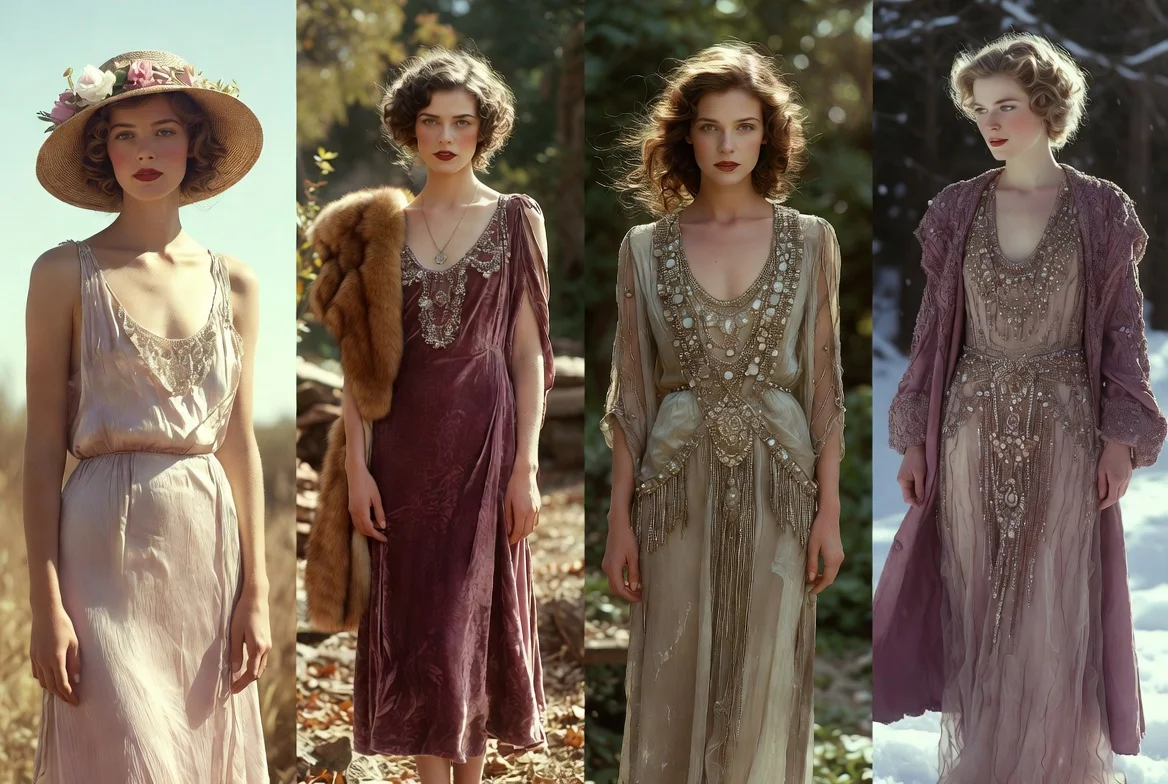
While the roaring twenties evoke images of balmy summer evenings and outdoor garden parties, Great Gatsby events occur year-round, requiring thoughtful adaptation of classic styles to accommodate varying weather conditions without sacrificing period authenticity.
Summer events present the easiest styling scenario, as lightweight fabrics and minimal coverage align naturally with 1920s fashion. Sleeveless flapper dresses in breathable silk, chiffon, or rayon keep wearers comfortable during warm-weather celebrations. Light colors like ivory, pale pink, mint green, and sky blue reflect heat while maintaining period appropriateness. Men can opt for linen or cotton suits in cream, tan, or light gray, forgoing waistcoats when temperatures soar and choosing straw boater hats over felt fedoras.
Spring and autumn celebrations allow layering opportunities that enhance authenticity while providing temperature control. Beaded or sequined shawls, art deco shrugs, and lightweight fur stoles add warmth without concealing beautiful dresses. Opera coats in silk or velvet create dramatic entrances suitable for transitional weather, while men benefit from three-piece suits that allow strategic piece removal as indoor venues warm throughout events.
Winter Gatsby outfits require more creative problem-solving to balance warmth with period accuracy. Velvet dresses in rich jewel tones provide insulation while maintaining luxurious appearance. Long-sleeved flapper dresses or those with sheer sleeves over opaque underlayers offer coverage without sacrificing style. Heavy beading and sequin work actually provides additional warmth, making ornate pieces practical choices for cold-weather events.
Outerwear becomes crucial for winter celebrations. Fortunately, the 1920s produced stunning coat options that work beautifully over Gatsby outfits. Fur coats or stoles represent the height of period luxury, available in both genuine fur and contemporary faux versions that provide warmth and authentic appearance. Velvet evening coats with art deco embroidery or brocade patterns create elegant coverage, while simpler wool coats in classic cuts suit less formal occasions.
Footwear adjustments help navigate weather challenges. Closed-toe Mary Janes or T-strap pumps provide more protection than peep-toe styles, while adding period-appropriate stockings in heavier weights creates additional insulation. For outdoor portions of winter events, consider keeping modern boots nearby for weather transitions, changing into authentic shoes once indoors.
Bringing Gatsby Glamour Into The Modern Day
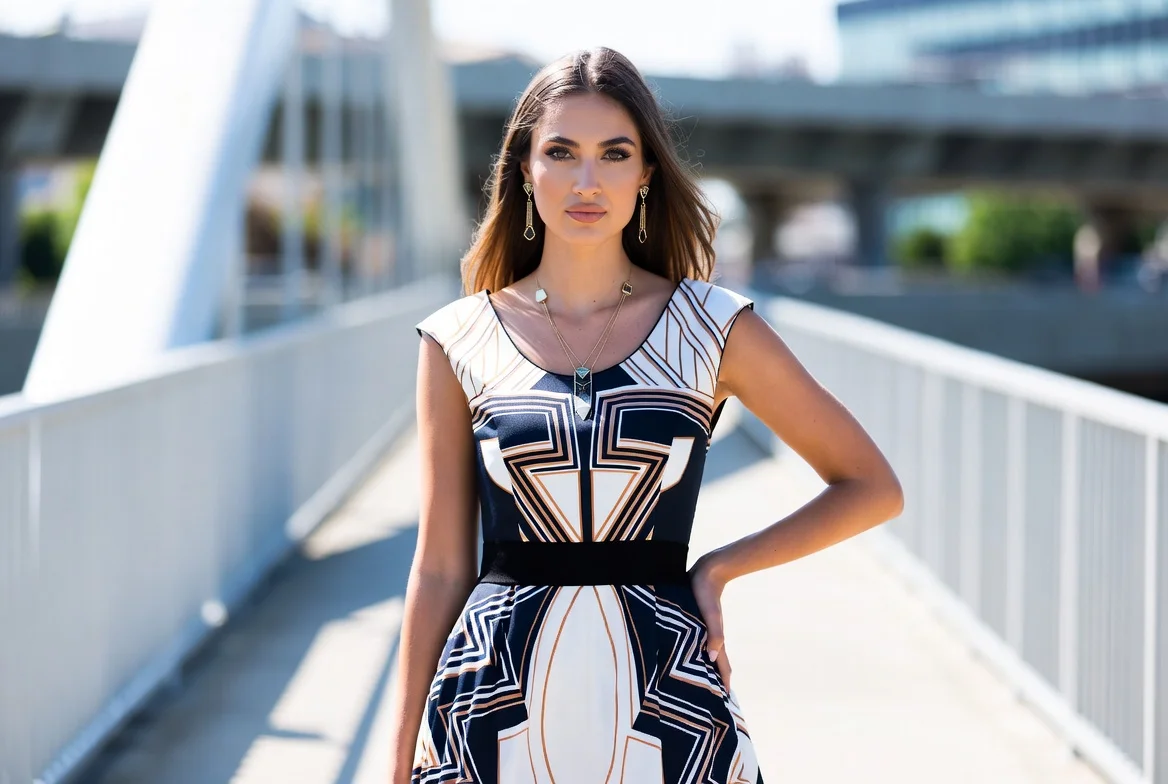
The enduring appeal of Great Gatsby fashion extends far beyond costume parties and themed events, offering endless inspiration for contemporary wardrobes seeking vintage sophistication. The 1920s contributed numerous style elements that translate beautifully into modern contexts, allowing you to channel roaring twenties glamour in everyday life without appearing costumey or anachronistic.
Art deco jewelry remains remarkably current, with geometric patterns, clean lines, and bold statements fitting seamlessly into contemporary fashion. Vintage or vintage-inspired cocktail rings, pendant necklaces, and chandelier earrings elevate modern outfits while honoring 1920s aesthetic principles. These pieces work equally well with jeans and blazers as with cocktail dresses, providing versatile additions to any jewelry collection.
Dropped-waist silhouettes periodically resurface in fashion cycles, offering opportunities to incorporate authentic 1920s shapes into current wardrobes. Modern designers frequently reference flapper dresses when creating shift dresses, tunics, and relaxed-fit styles that echo the era’s liberated approach to women’s clothing. Pairing these pieces with contemporary accessories creates looks that feel current while nodding to historical influence.
Men’s vintage-inspired grooming and accessories similarly translate well into modern contexts. A well-maintained vintage watch, carefully chosen cufflinks, and attention to tailoring details reference 1920s sophistication without period costume overtones. The decade’s emphasis on quality fabrics, proper fit, and thoughtful accessorizing offers timeless lessons applicable to contemporary menswear.
The Great Gatsby aesthetic reminds us that true style transcends temporary trends, rooted instead in craftsmanship, attention to detail, and confidence in personal expression. Whether you’re dressing for a themed celebration or simply drawing inspiration from this glamorous era, the roaring twenties offer endless possibilities for creating memorable, distinctive looks that celebrate both historical appreciation and individual creativity.
Frequently Asked Questions About Great Gatsby Outfits
What should a woman wear to a Great Gatsby party?
Women should wear a flapper-style dress with a dropped waist, knee-length or shorter hemline, and embellishments like sequins, beads, or fringe. Accessorize with long pearl necklaces, a feathered or beaded headband, T-strap heels, and chandelier earrings. Focus on creating the straight, loose silhouette characteristic of 1920s fashion rather than fitted or curve-hugging styles.
Can men wear regular suits to Gatsby-themed events?
Yes, men can adapt standard dark suits for Gatsby events by adding period-appropriate accessories. Choose three-piece suits in navy, charcoal, or pinstripe patterns, then incorporate suspenders, bow ties or vintage-style neckties, fedora hats, pocket watches, and two-tone oxford shoes. The key lies in styling details rather than requiring specialized vintage suits.
What colors are appropriate for Great Gatsby outfits?
The 1920s favored rich, sophisticated colors including black, navy, burgundy, emerald green, sapphire blue, champagne gold, and silver. Women occasionally wore pale colors like blush pink, ivory, or powder blue, particularly for daytime events. Avoid neon or overly bright shades, which weren’t available during the period and compromise authenticity.
How can I create a Gatsby look on a limited budget?
Purchase a simple black dress and add sequin or fringe trim from fabric stores, shop secondhand stores for base garments that can be accessorized, focus your budget on statement accessories like headpieces and jewelry rather than expensive dresses, or consider renting costumes for one-time events. DIY embellishments significantly reduce costs while allowing creative personalization.
Do I need to cut my hair short for an authentic Gatsby look?
No, you can create convincing 1920s hairstyles without cutting your hair. Pin longer hair up and under to create a faux bob, use finger waves or pin curls on whatever length you have, wear a vintage-style wig, or simply style your hair sleek and accessorize with a dramatic headpiece that becomes the focal point rather than the haircut itself.
You may also like this post:
13 Stunning Khaki Pants Outfits That Your Closet Will Love! Gorld Ordex
One Comment