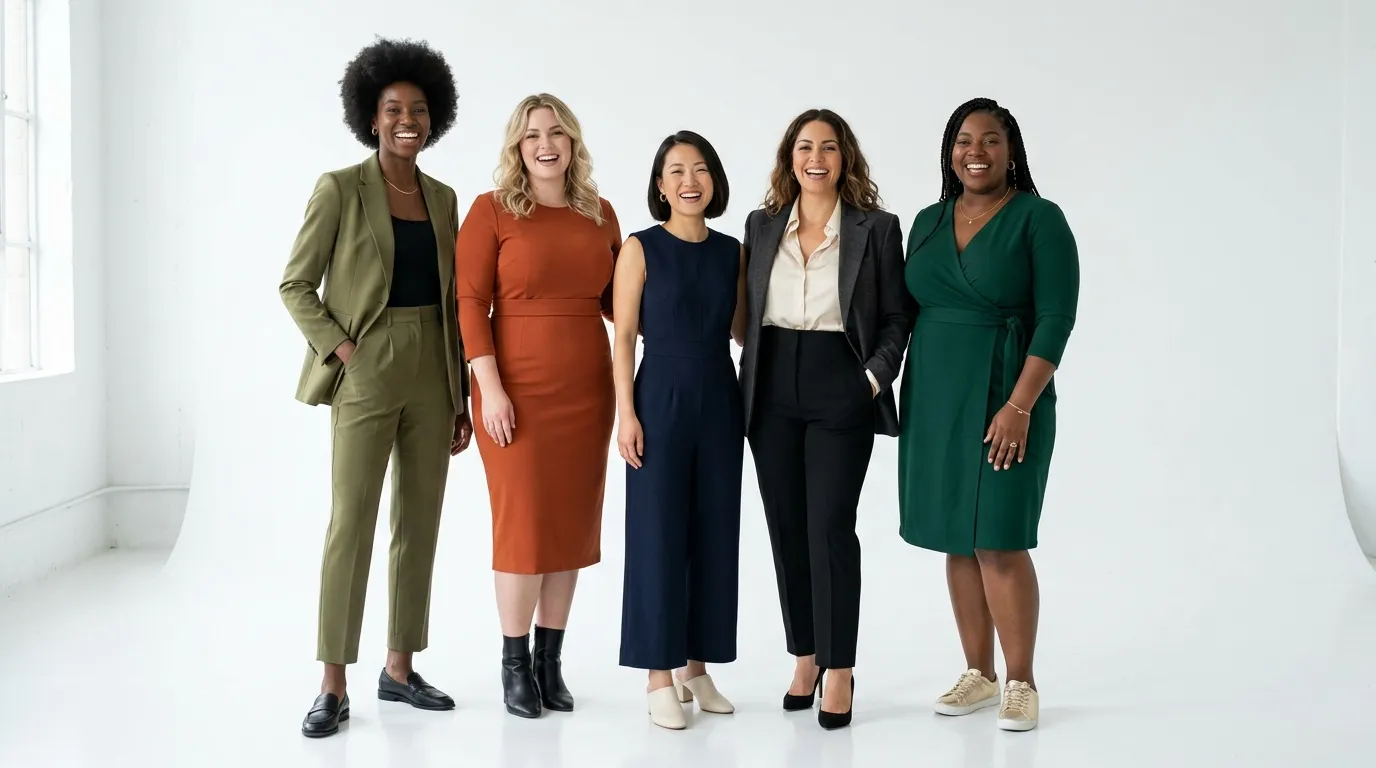
How to Dress for Your Body Type: 10+ Flattering Outfit Tips That Actually Work
Most people have experienced that specific frustration of standing in a fitting room, staring at an outfit that looked completely different on the hanger. The cut seemed right, the color was perfect, but something about the whole picture just did not come together. That disconnect rarely has anything to do with your body. It almost always comes down to proportion.
Understanding how to dress for your body type is one of the most practical skills you can develop as someone who cares about looking and feeling your best. It removes the guesswork from shopping, simplifies your morning routine, and helps you build a wardrobe that actually works instead of a closet full of pieces that almost work. This guide breaks down the five most recognized body shapes, explains the styling logic behind each one, and gives you actionable outfit tips you can use starting today.
What It Really Means to Dress for Your Body Type

Before getting into the specifics of each body shape, it is worth clarifying what body-type dressing actually means. It is not about hiding parts of yourself. It is not a system designed to make you look like a different person. It is a set of proportion principles that help clothing behave in a way that feels intentional and balanced rather than accidental or off.
When a stylist talks about “flattering” an outfit, they are describing how well the visual lines of a garment align with the natural lines of your frame. Clothing creates emphasis through color, cut, pattern, and structure. Knowing where that emphasis lands on your body allows you to dress with purpose rather than luck.
The five body shapes most commonly referenced in fashion are the hourglass, pear or triangle, apple or round, rectangle or straight, and inverted triangle. Most people lean toward one of these shapes, though many combine elements of two. Once you identify your dominant shape, the tips below will give you a clear starting point.
How to Identify Your Body Shape
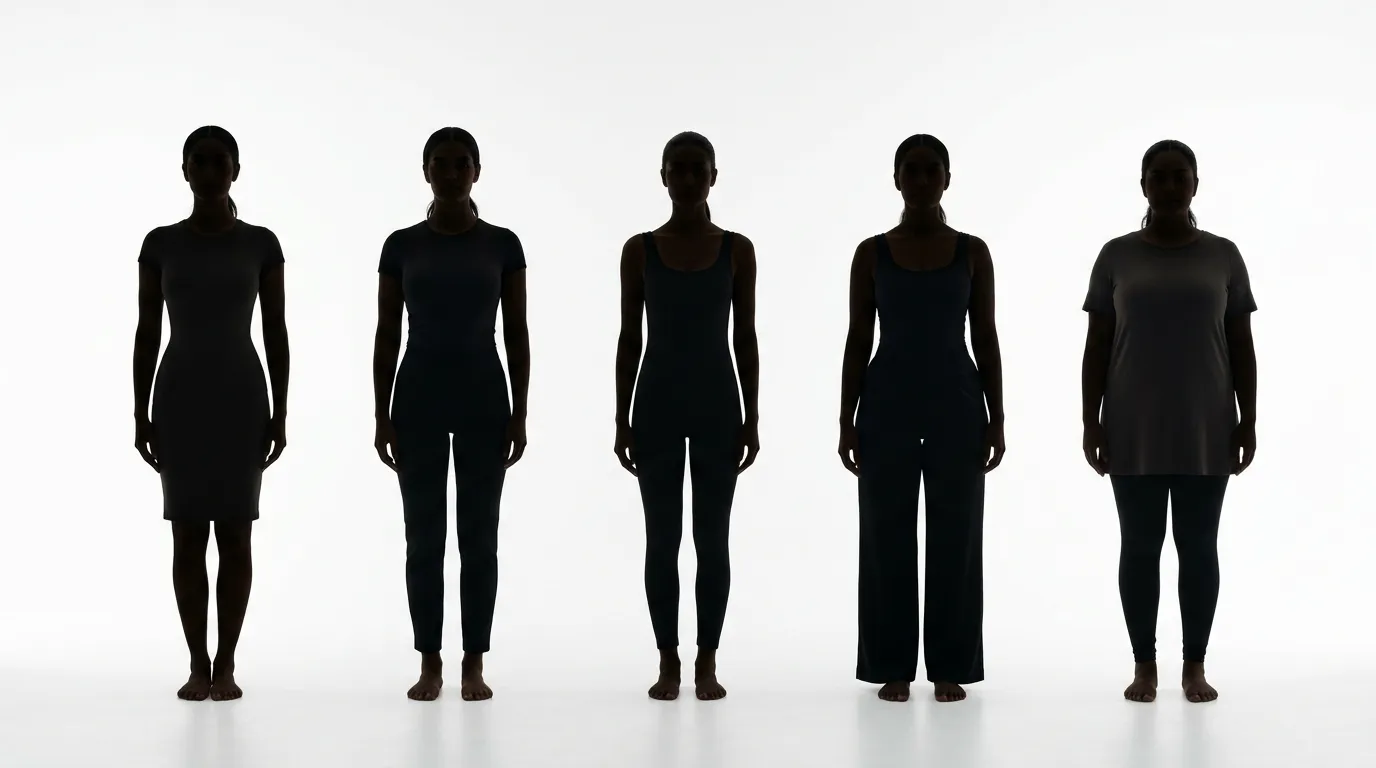
Identifying your body shape starts with understanding how your proportions relate to each other. You do not need precise measurements, though they can help. What you are looking for is the relationship between your shoulders, bust, waist, and hips.
If your shoulders and hips are roughly equal in width and your waist is noticeably narrower, you have an hourglass shape. If your hips are wider than your shoulders, you are likely pear or triangle shaped. If you carry more weight around your midsection with narrower hips and legs, you tend toward an apple shape. If your shoulders, waist, and hips are all close in measurement with little waist definition, your shape is closer to a rectangle. If your shoulders are wider than your hips, you have an inverted triangle shape.To know more do visit Stitch Fix.
These are starting points, not rigid categories. The goal is to understand your dominant proportions so you can use the relevant style guidelines as a toolkit rather than a rulebook.
Dressing the Hourglass Figure
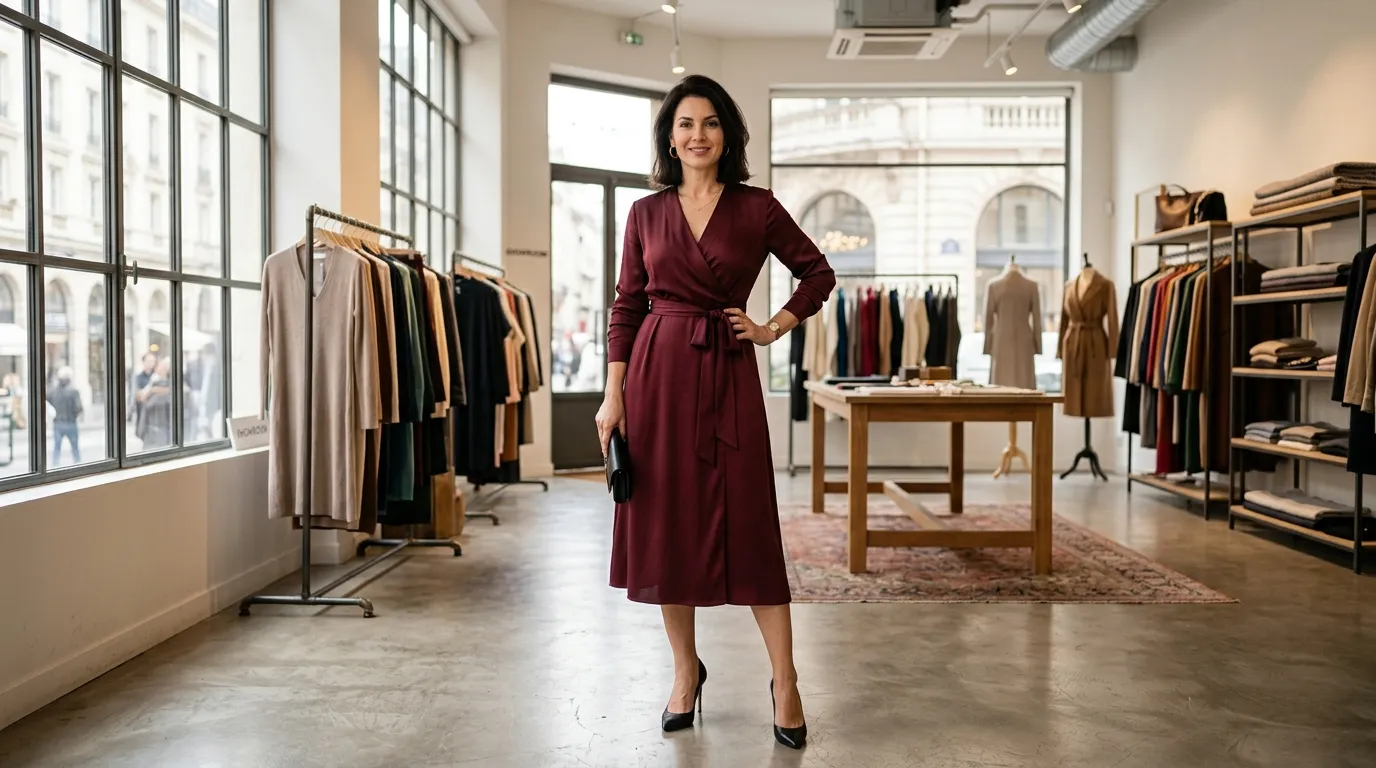
The hourglass shape is defined by its balance. Because your upper and lower body are roughly equal in width and your waist draws inward naturally, the most flattering approach is to work with that natural definition rather than obscure it.
Silhouettes That Work Best
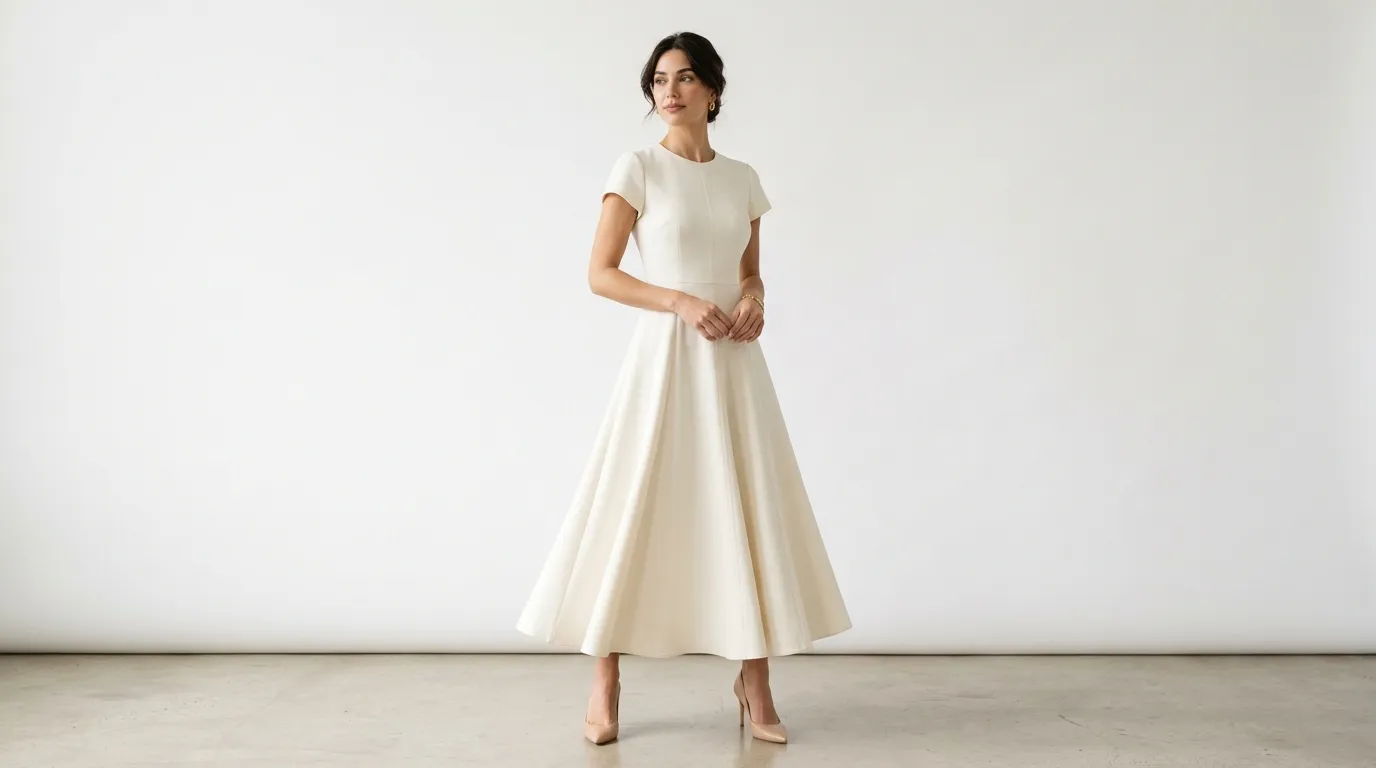
Wrap dresses are a particularly strong choice for the hourglass figure because the draped construction follows the natural waist and creates a smooth, tailored line from shoulder to hem. Fit-and-flare styles achieve the same result by cinching at the narrowest point and then flaring outward, keeping the emphasis on the waist.
Sheath dresses and fitted midi skirts also work well, as long as they follow the body without clinging too tightly across the hips or chest. The key is clothes that follow your shape, not override it.
What to Keep in Mind
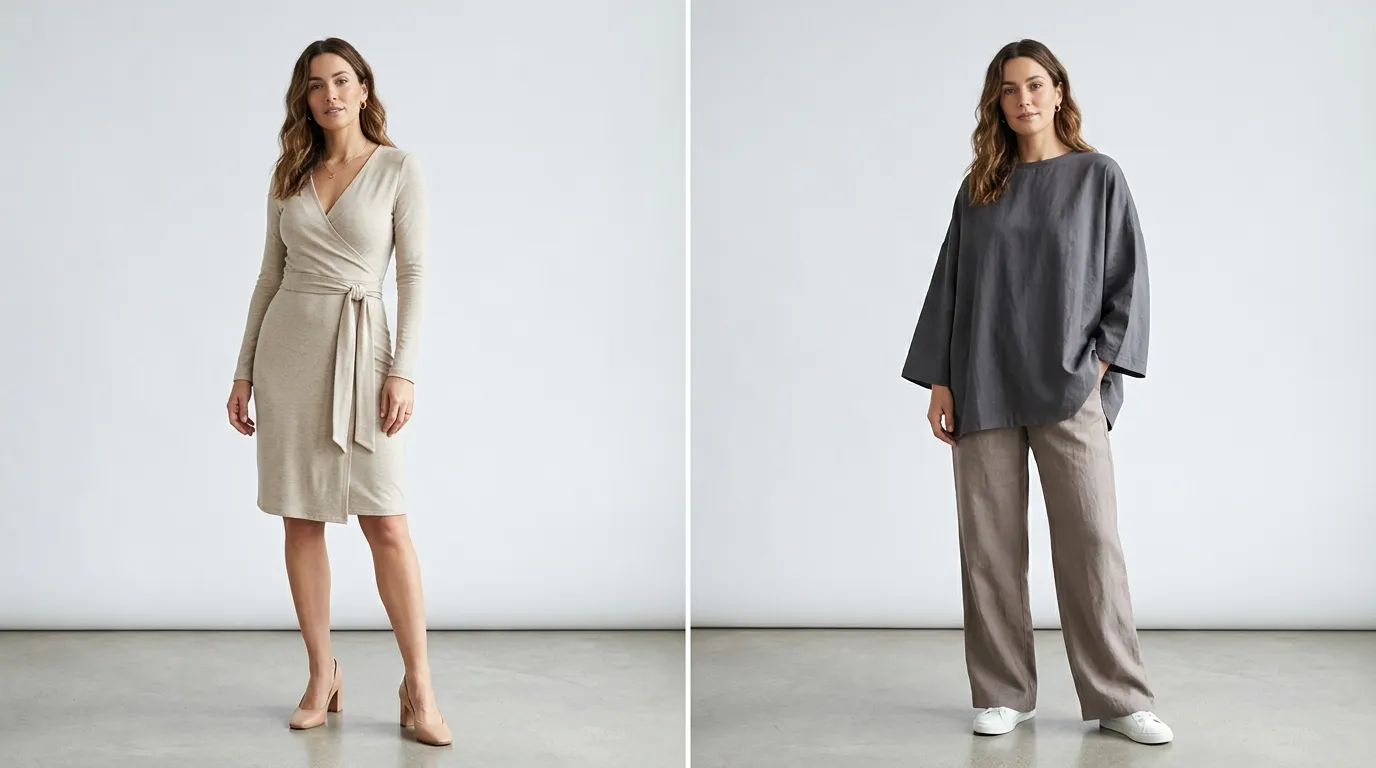
Avoid styles that are either extremely oversized or extremely body-conscious in equal measure. Very baggy pieces hide the waist definition that is your strongest visual asset, while very tight styles across the hips can create a strained look rather than a polished one. Aim for fabric with enough drape to move with your body, such as jersey knit, silk blends, or soft cotton.
Style Tips for the Pear or Triangle Shape
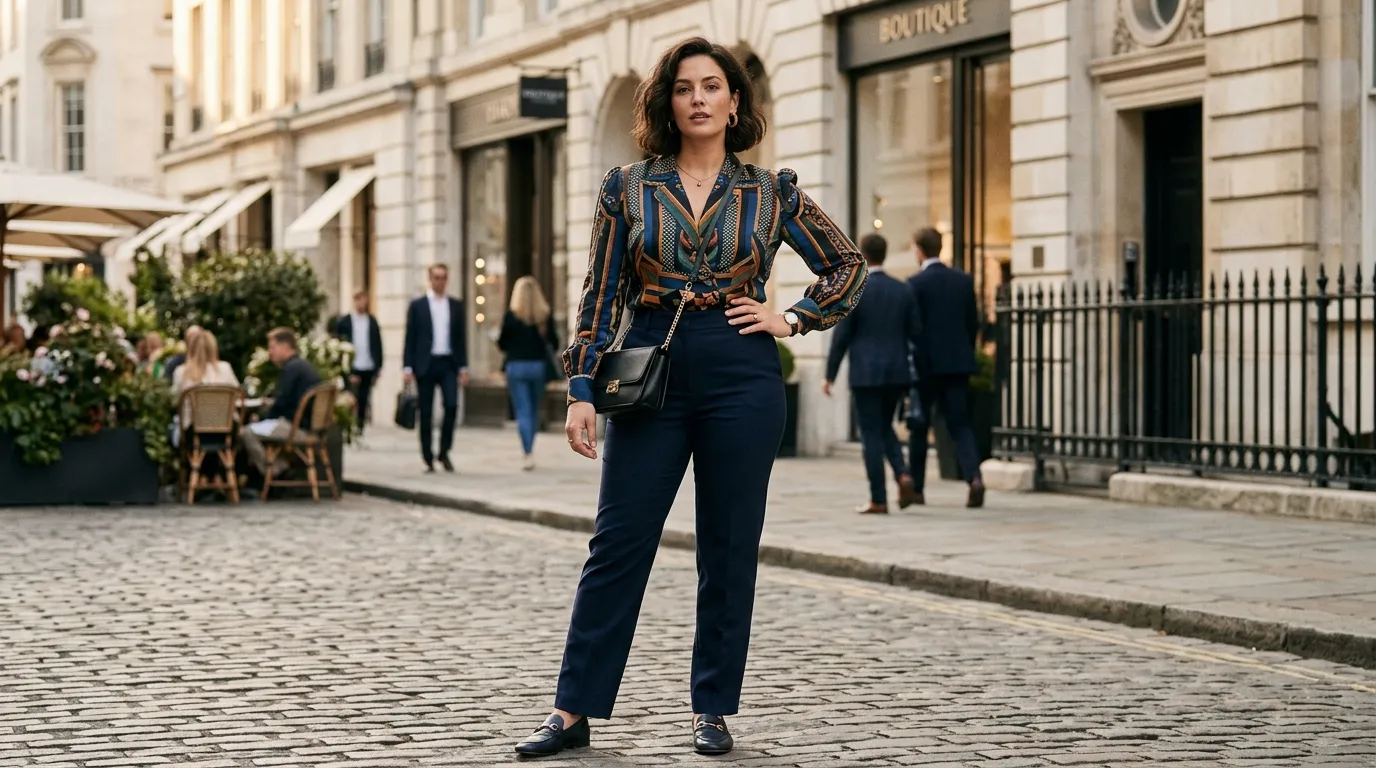
The pear or triangle shape means your hips are the widest part of your frame, your waist is defined, and your shoulders and bust are narrower. The most effective styling strategy here is to draw visual attention upward to create a sense of balance across the full frame.
Building Volume on Top
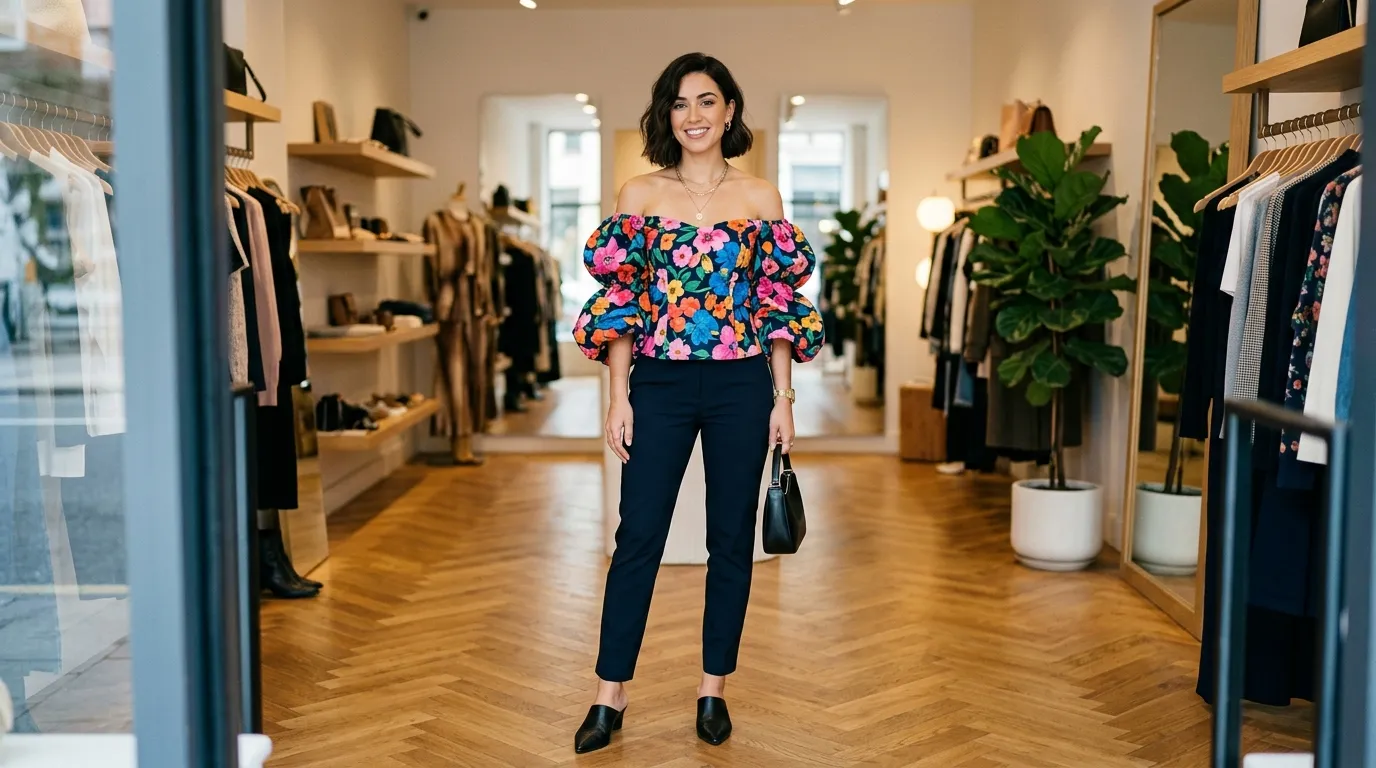
Structured jackets, wide necklines, off-the-shoulder tops, and statement sleeves are all excellent tools for the pear shape. Adding visual weight or detail to the upper half of the body creates the impression of balance between your shoulders and hips.
Bold patterns, bright colors, and embellishments work especially well when placed on tops rather than bottoms. A patterned blouse paired with dark, solid trousers or a straight-leg jean is a classic combination for this reason. The eye moves toward contrast and detail, so placing those elements on top naturally draws attention to your upper half.
Bottoms That Flatter
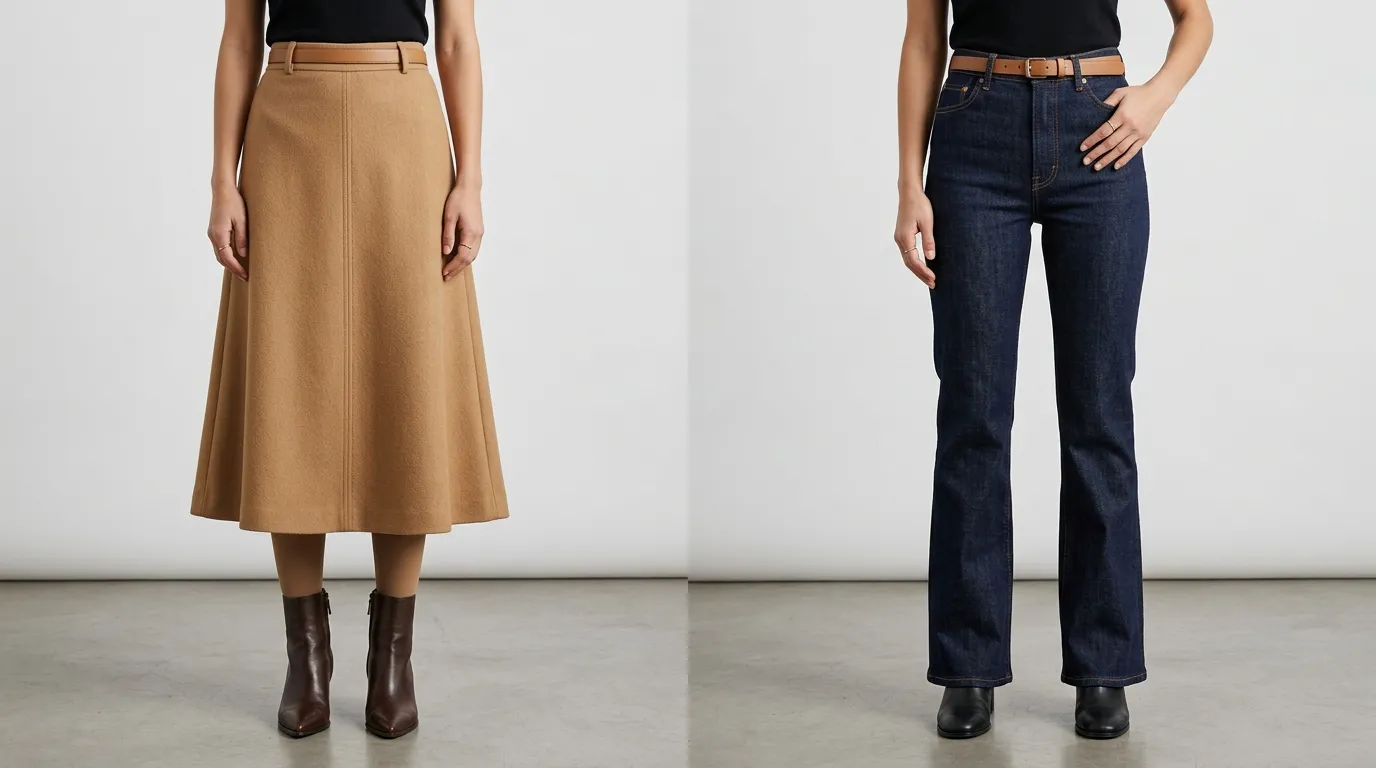
For bottoms, straight-leg trousers, A-line skirts, and boot-cut jeans work well because they follow the hip and thigh without clinging. Very tight or pencil-style bottoms can emphasize the width of the hip without offering any visual counterbalance at the top.
How to Dress an Apple or Round Shape
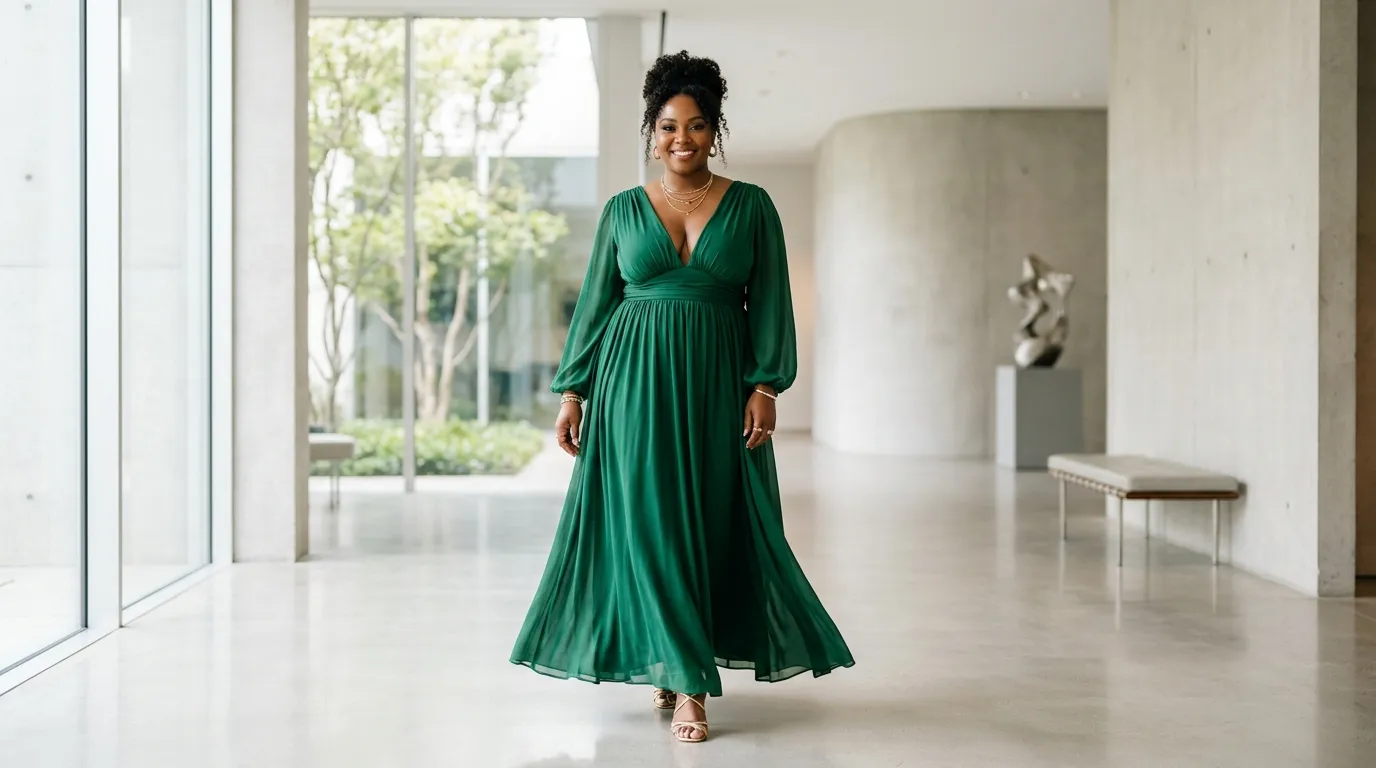
The apple or round shape is characterized by a fuller midsection, broader shoulders, and narrower hips and legs. The styling goal here is to elongate the torso visually and draw attention either upward toward the face and neckline or downward toward the legs.
Necklines and Tops

V-necklines and deep scoop necks are consistently recommended for apple shapes because they create a vertical line through the chest and draw the eye upward. This elongates the torso and shifts focus toward the face. Wrap tops and empire-waist silhouettes also work well because they drape softly over the midsection rather than pulling across it.
Avoid boxy or cropped tops that cut the body horizontally at its widest point, which can exaggerate rather than balance the midsection.
Bottoms and Dresses
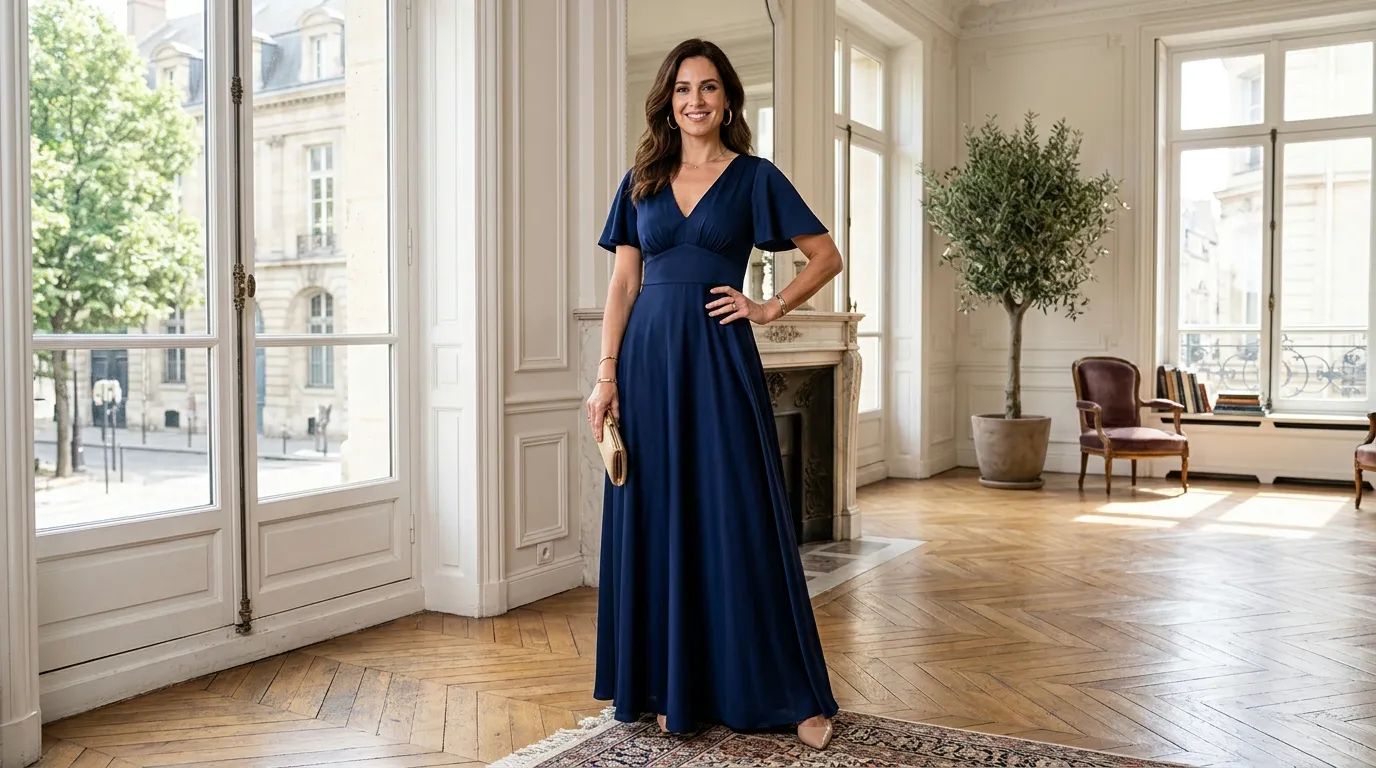
Well-fitted straight or slim-cut trousers in darker shades help lengthen the lower body. Darker colors on the bottom create a grounding effect and keep the visual line clean and elongated. A-line dresses with empire waists are particularly effective because they skim past the midsection and create a smooth, flowing line from bust to hem.
Outfit Tips for the Rectangle or Straight Shape

The rectangle shape is defined by shoulders, waist, and hips that are all close in measurement, with little natural waist definition. Far from being a limitation, this shape is incredibly versatile and suits a wide range of silhouettes. The most common styling approach is to create the impression of curves through strategic cuts and details.
Creating Waist Definition

A belt is one of the simplest and most effective tools for the rectangle shape. Cinching any outfit at the natural waist, whether that means adding a belt over a blazer or choosing a wrap dress, immediately introduces visual definition to the silhouette.
Peplum tops, fit-and-flare dresses, and empire-waist styles all help suggest a waist where the body does not naturally emphasize one. Ruffles, texture, and volume placed at the hips can also create the impression of a more defined waist by contrast.
Fabrics and Silhouettes
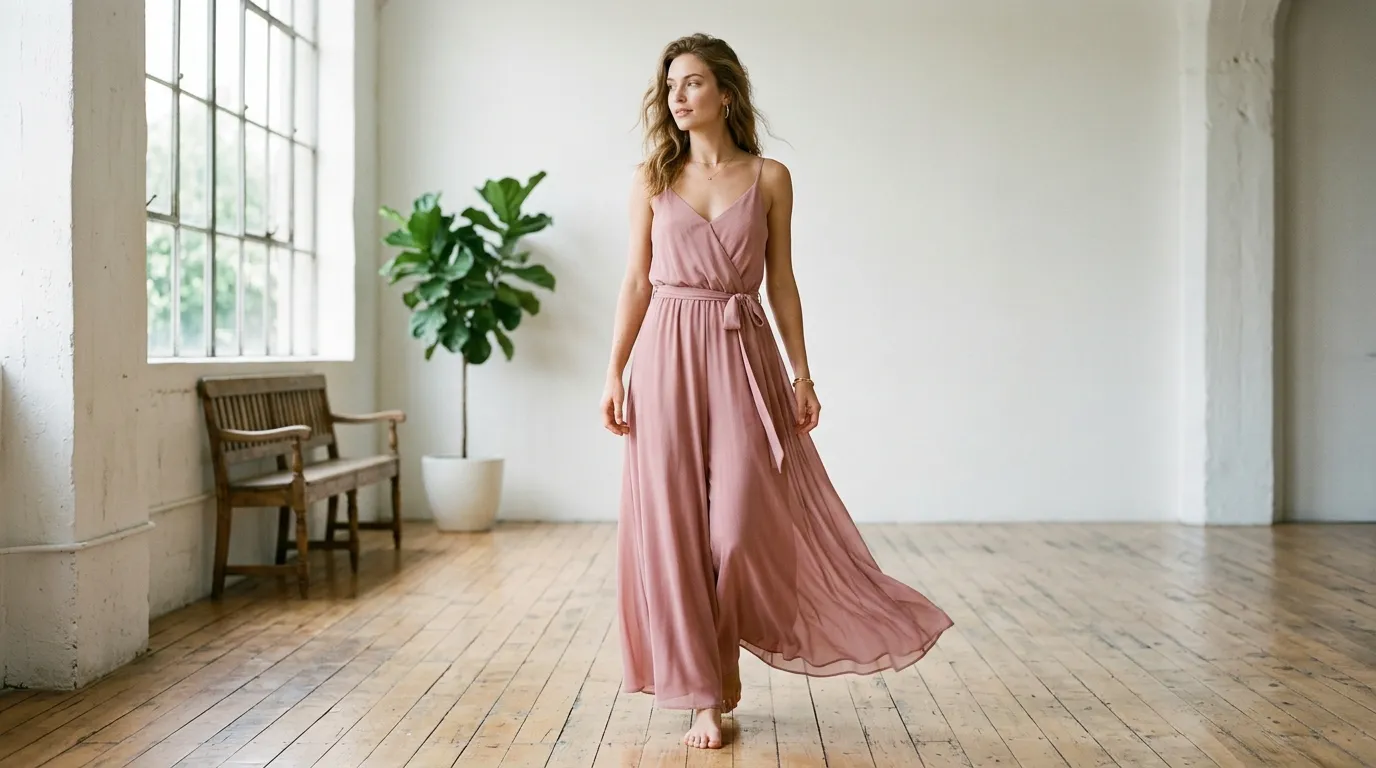
Flowy fabrics like chiffon, soft linen, and draped jersey work particularly well for the rectangle shape because they move around the body rather than sitting flat against it. This movement creates the visual impression of softness and curves that structured or stiff fabrics cannot achieve.
Wide-leg trousers, flared skirts, and tiered hemlines are all excellent choices because they add volume at the lower half of the body, creating a balanced and dynamic silhouette.
Dressing the Inverted Triangle Shape

The inverted triangle shape means your shoulders are broader than your hips, often accompanied by a strong, athletic upper body. The styling logic here is to draw emphasis downward and add visual weight to the lower half of the body to create a sense of proportion.
Tops and Necklines
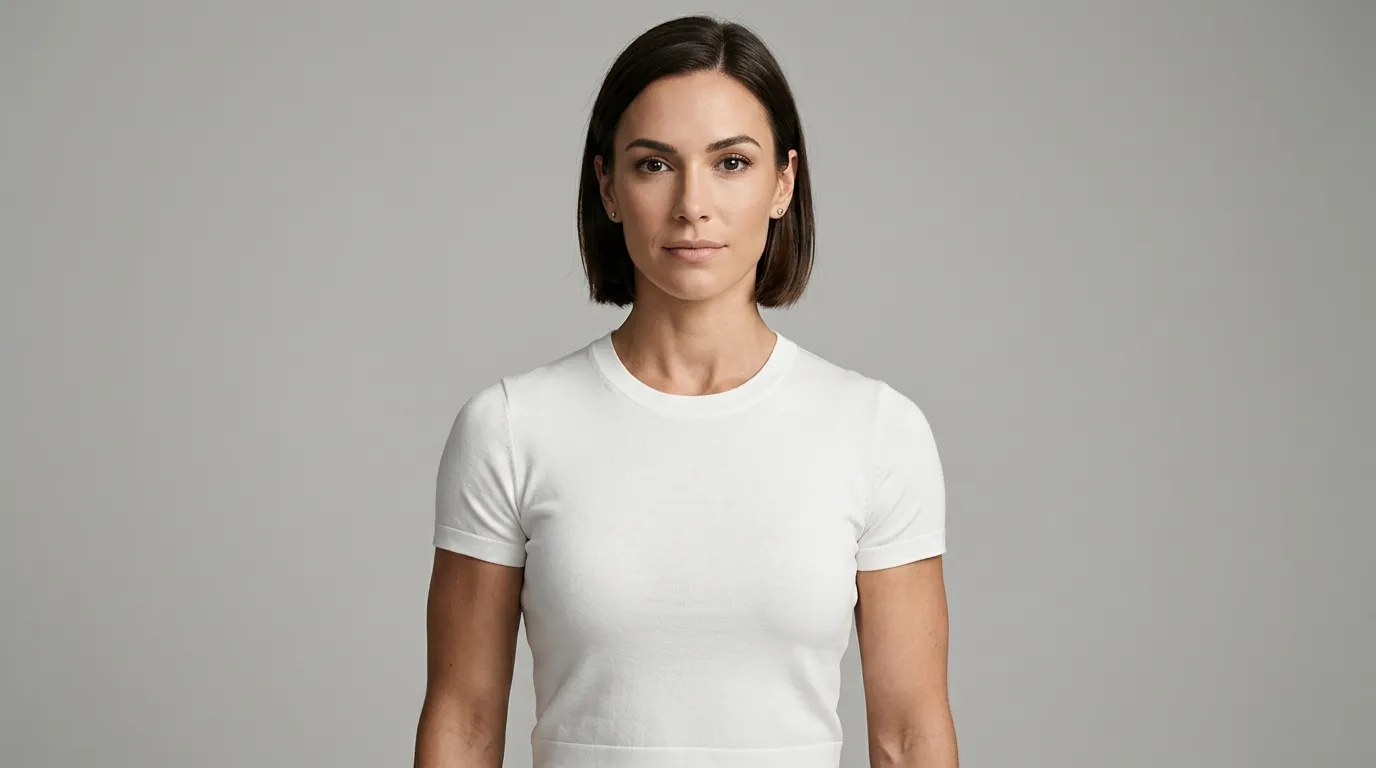
Simple, relatively understated tops work best for this shape. V-necks and narrow necklines help reduce the visual width of the shoulder line. Avoiding heavy embellishments, wide lapels, or strong horizontal lines across the chest helps keep the upper body from dominating the outfit.
That said, this body shape carries tops beautifully. Clean-cut fitted shirts, classic crew necks, and sleek fitted blouses all look polished and sharp on the inverted triangle frame.
Adding Volume Below the Waist
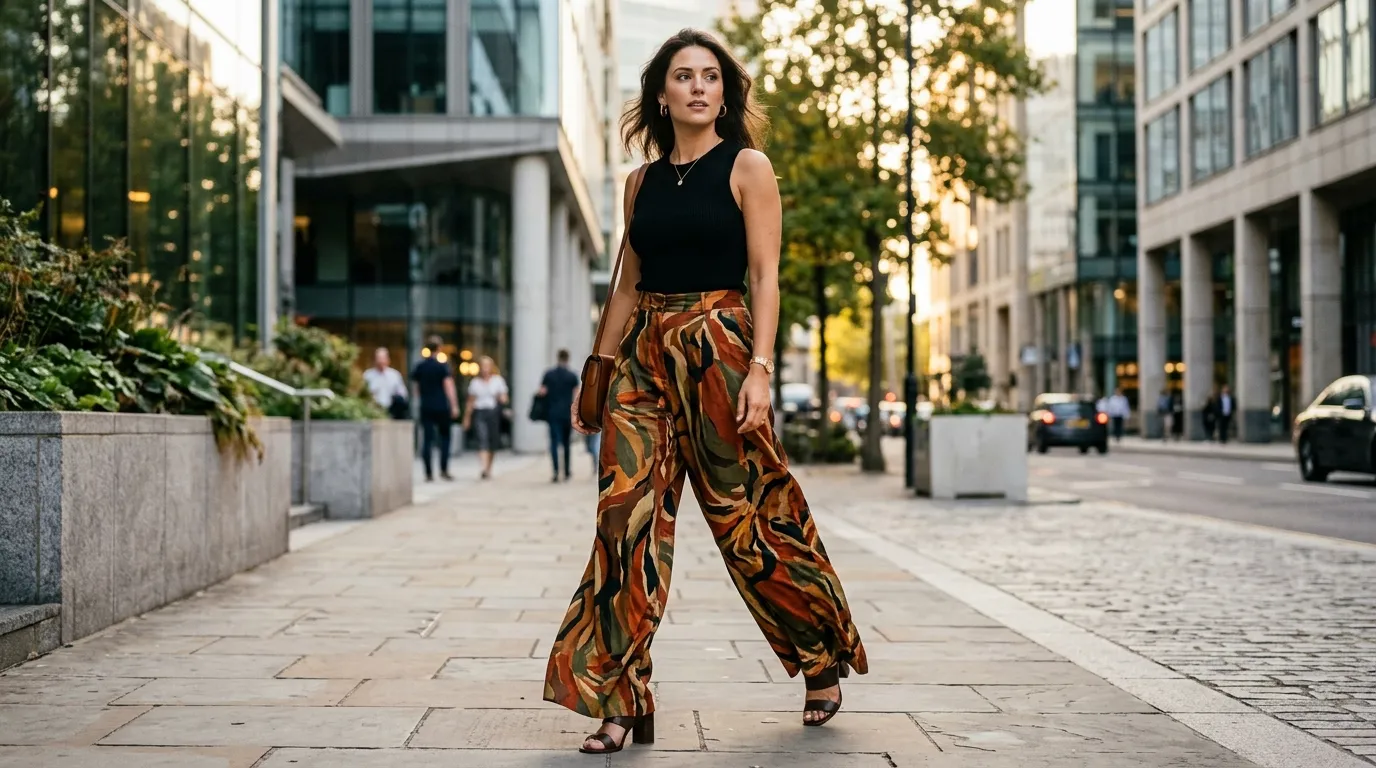
Wide-leg trousers, flared jeans, full skirts, and A-line midi skirts are the most effective tools for adding visual weight to the lower body. Patterns, bright colors, and textured fabrics placed on the bottom half of an outfit naturally draw the eye downward and create balance.
Avoid slim-cut trousers or pencil skirts paired with structured, broad-shouldered tops, as this combination can emphasize the width difference between the upper and lower body.
Universal Style Rules That Work for Every Body Type
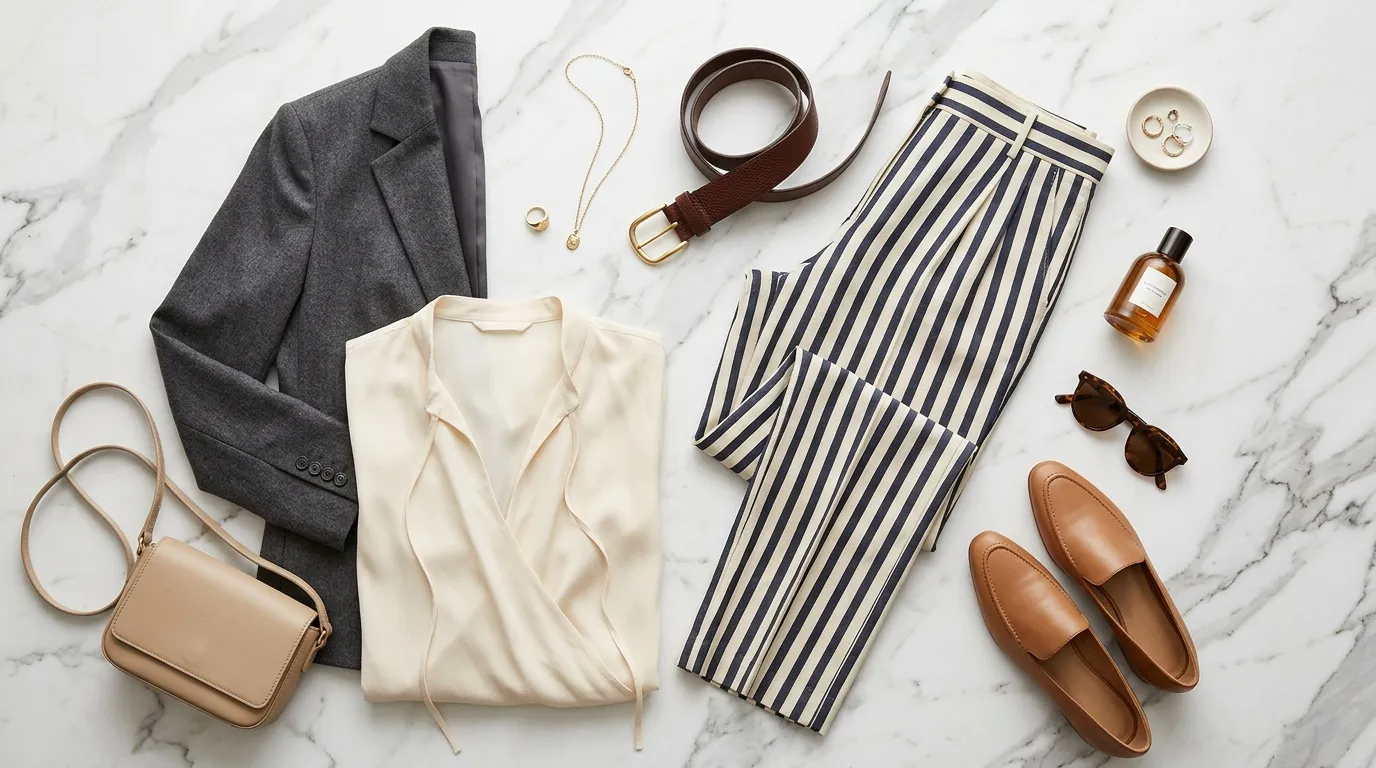
Regardless of your specific shape, a few principles consistently improve how clothing looks and feels on any body.
Fit Is More Important Than Size

The single most impactful thing you can do for your wardrobe is wear clothes that fit your body as it is right now. A well-fitting piece in a larger size will always look more polished than a piece that is technically your labeled size but pulls, gapes, or restricts movement. Tailoring is an underused resource. Small adjustments, like hemming a pair of trousers or taking in the waist of a blazer, can transform an average garment into something that looks custom.
Fabric Quality and Drape
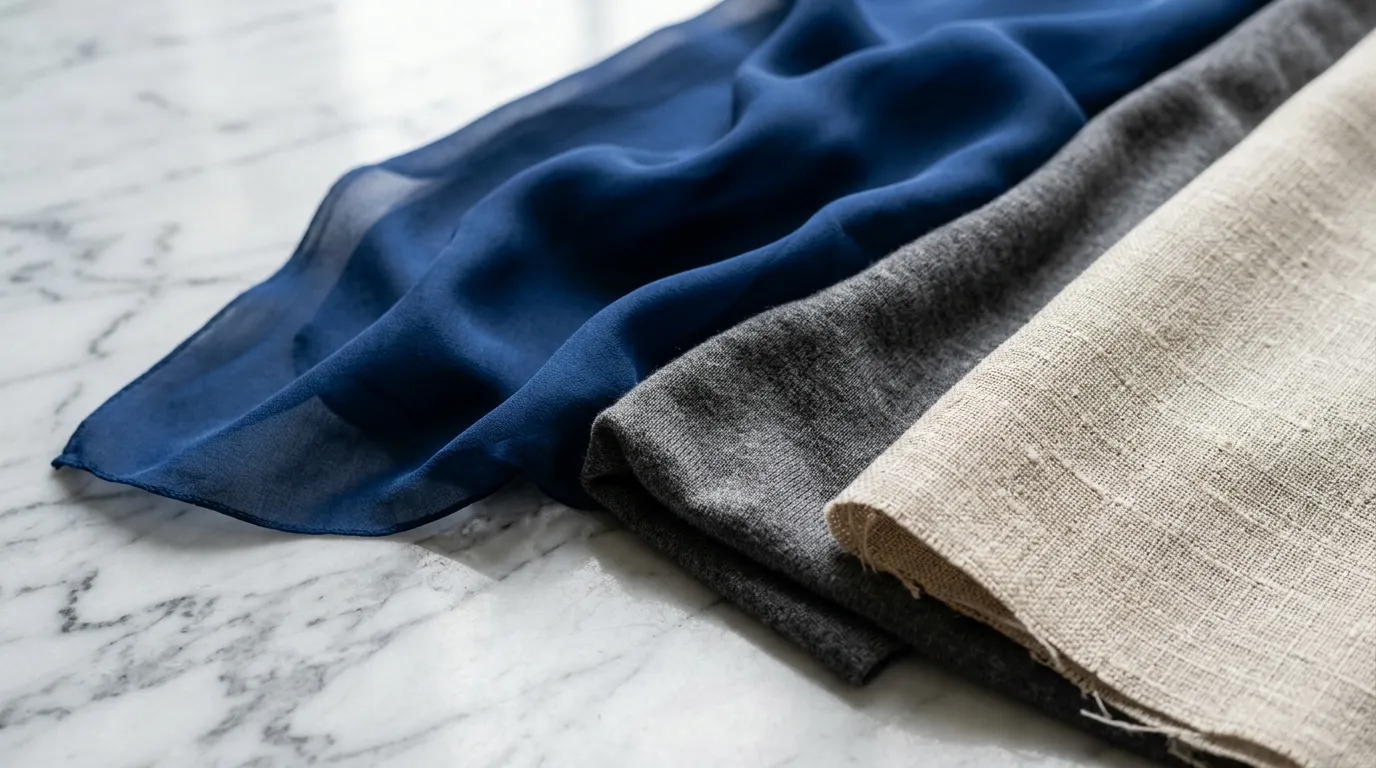
The same silhouette in two different fabrics can look completely different on the body. Stiff fabrics add structure and hold a shape independently. Soft, drapey fabrics follow the body and move with it. Understanding which quality serves your goals in a specific outfit is a skill that improves every purchase you make.
The Power of Vertical Lines
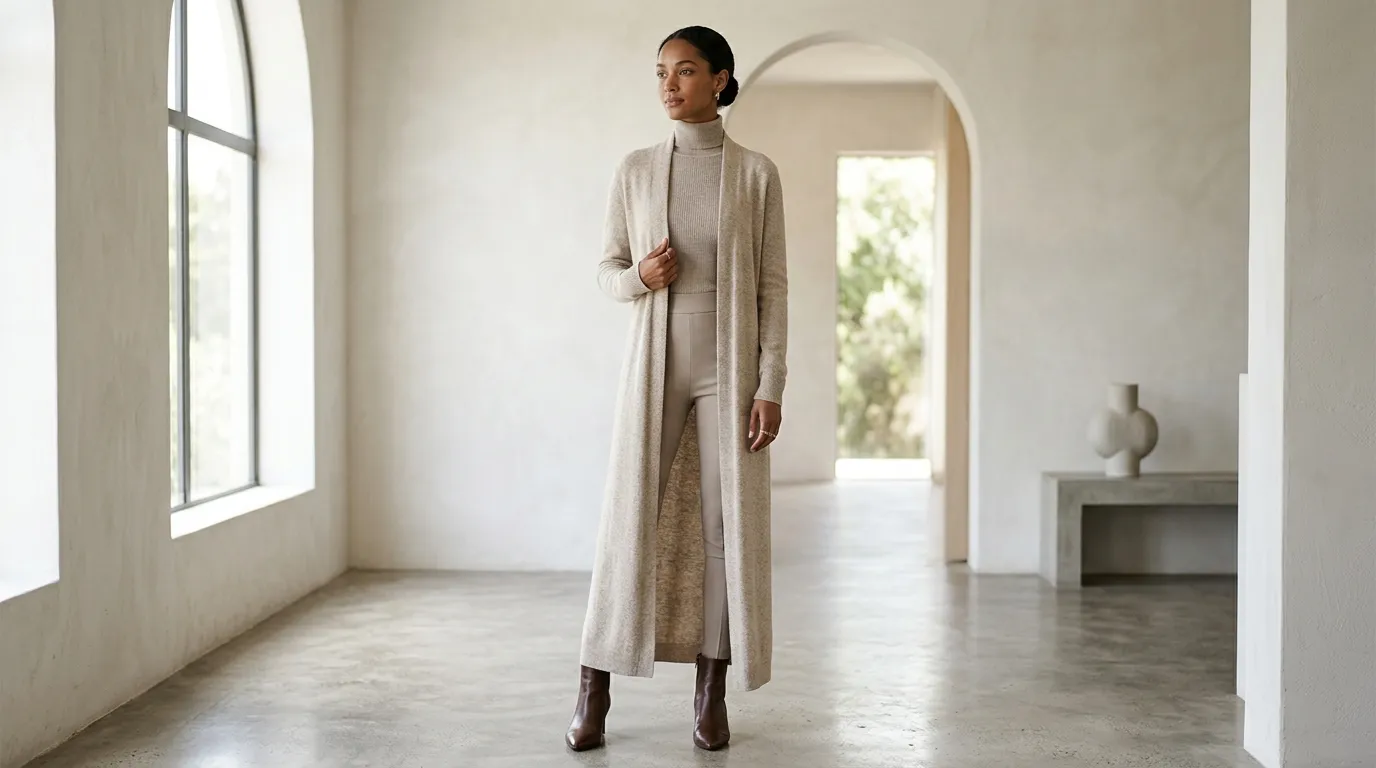
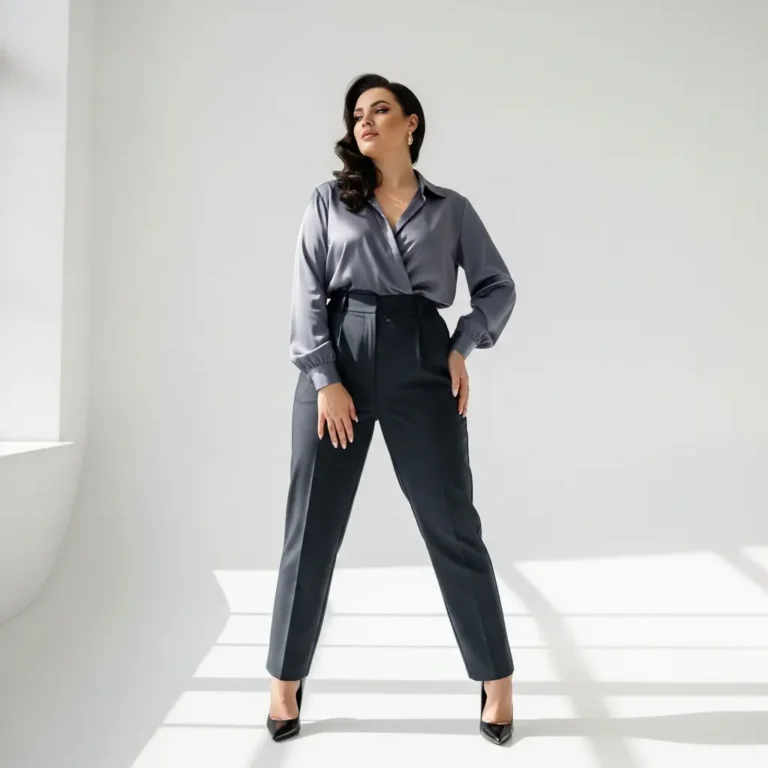
Vertical lines, whether created by seams, stripes, open necklines, or long layering pieces, elongate the body and create a clean, continuous visual line from top to bottom. This principle applies to every body shape. A long cardigan, a vertical seam on a trouser, or a button-down shirt worn open over a fitted top all use this principle to add length and definition to the silhouette.
Color and Pattern Placement
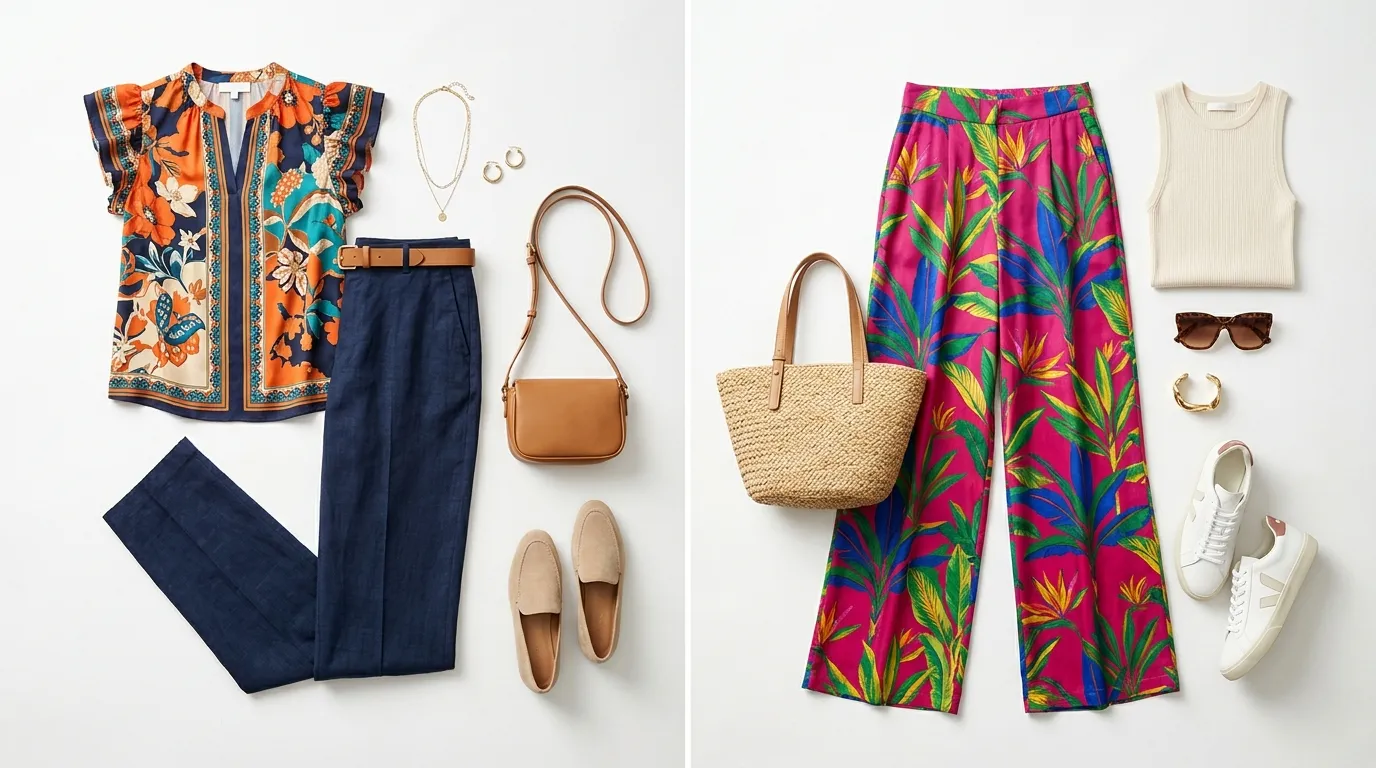
Color draws the eye. Placing a bold pattern or a bright color on the part of your body you want to highlight naturally directs attention there. If you want to draw focus to your shoulders, wear a statement top. If you want to emphasize your legs, choose a bold patterned skirt or trouser. Using darker, more neutral tones in areas where you want less visual emphasis is the counterpart to this principle.
Conclusion
Learning how to dress for your body type is ultimately an exercise in self-awareness and proportion. When you understand how your specific frame interacts with cuts, fabrics, and silhouettes, getting dressed becomes a far more intentional and enjoyable process. The five shapes covered in this guide represent the most commonly recognized proportions, but the underlying principles, creating balance, using visual lines strategically, and choosing fabrics that behave well on your frame, apply to everyone.
Start by identifying your dominant shape, pick two or three tips that resonate, and experiment. Over time, these ideas become second nature, and building an outfit that looks and feels exactly right stops feeling like a guessing game and starts feeling effortless.
Frequently Asked Questions
1. Can I have features of more than one body type?
Yes, most people do. Body shapes exist on a spectrum, and many individuals combine features of two shapes. Use the shape that best explains where your clothes tend to fit awkwardly as your starting point, then borrow tips from the other as needed.
2. Do body type dressing rules apply to men as well?
Absolutely. While much of the conversation focuses on women, men benefit equally from understanding their proportions. Concepts like shoulder width, torso length, and waist definition apply to how menswear fits and flatters just as much as womenswear.
3. Does weight loss or gain change my body type?
Your bone structure remains constant, but the distribution of weight on your frame can shift your dominant proportions over time. It is worth revisiting your shape assessment if your body has changed significantly, since different styling strategies may now apply.
4. Is tailoring worth the investment for everyday clothes?
Yes, especially for pieces you wear frequently. Even modest tailoring adjustments, such as hemming trousers or taking in a waist, dramatically improve the fit of a garment and can make an inexpensive piece look considerably more polished.
5. How do I dress for my body type when shopping online without trying things on?
Focus on detailed size charts, look for brands that offer fit notes for different body shapes, and pay close attention to fabric descriptions. Reading customer reviews from people who mention having a similar shape to yours is also a reliable way to gauge how a garment will actually fit before purchasing Polska Bitradex