
10+ Stunning different Ways to Look Stylish at Professional Work
The way you present yourself at work speaks volumes before you ever say a word. Your professional appearance influences how colleagues perceive your competence, shapes first impressions with clients, and impacts your confidence throughout the workday. Yet achieving the perfect balance between looking polished and expressing your personal style can feel challenging, especially when navigating different dress codes and workplace cultures.
Looking stylish at work does not require an expensive wardrobe overhaul or following every fashion trend. The secret lies in understanding fundamental style principles, investing in quality essentials, and making smart choices that reflect both professionalism and personality. Whether your office demands business formal attire or embraces a casual environment, certain strategies consistently deliver sophisticated results.
This comprehensive guide presents more than ten proven ways to elevate your work wardrobe and present your best self every day. From mastering the art of fit to selecting timeless pieces that work across seasons, you will discover practical approaches that transform getting dressed from a daily challenge into an opportunity for self-expression. The goal is creating a professional image that feels authentic while commanding respect in any workplace setting.
Understand Your Workplace Dress Code

Before building your work wardrobe, you must clearly understand your office environment expectations. Different industries and companies maintain vastly different standards for professional appearance. A creative agency may welcome bold patterns and casual denim, while a law firm requires conservative suits and formal attire.
Take time to observe what colleagues at various levels wear, particularly those in leadership positions. Notice the unspoken rules around color choices, formality levels, and acceptable casualness. Some offices maintain strict business formal standards requiring suits and ties daily, while others adopt business casual approaches permitting tailored jeans paired with blazers.
When starting a new position, asking your manager about dress code expectations shows professionalism rather than uncertainty. Understanding these guidelines prevents awkward situations where you appear either overdressed or inappropriately casual. Once you know the boundaries, you can confidently express your style within those parameters.
The most successful professional dressing happens when you align your wardrobe choices with workplace culture while maintaining elements that feel distinctly yours. This balance demonstrates both respect for organizational norms and confidence in your personal brand.
Invest in Quality Tailored Pieces
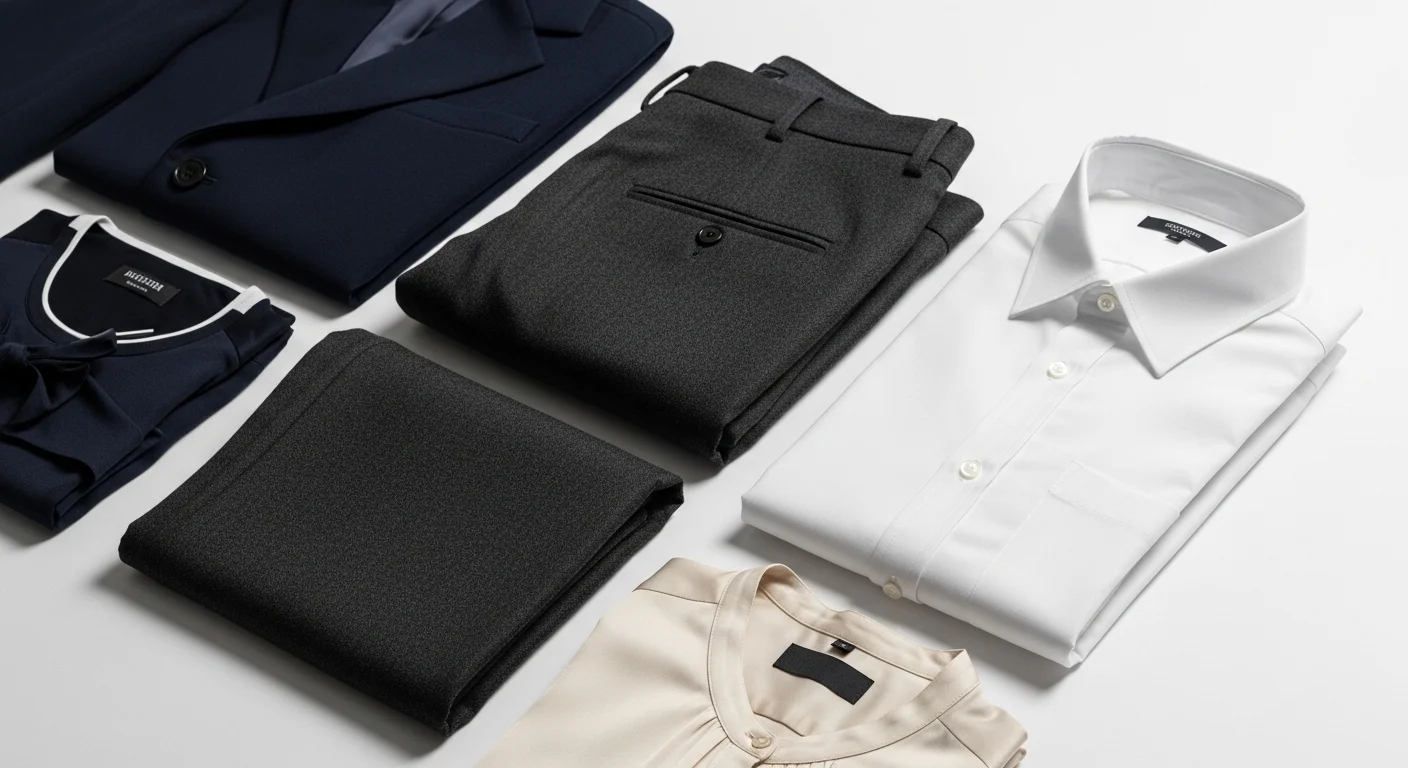
The foundation of any stylish work wardrobe rests on well-tailored, quality garments. A perfectly fitted blazer, crisp trousers, and structured dresses elevate your entire appearance regardless of price point. Ill-fitting clothing undermines even the most expensive pieces, while proper tailoring makes moderate investments look luxurious.
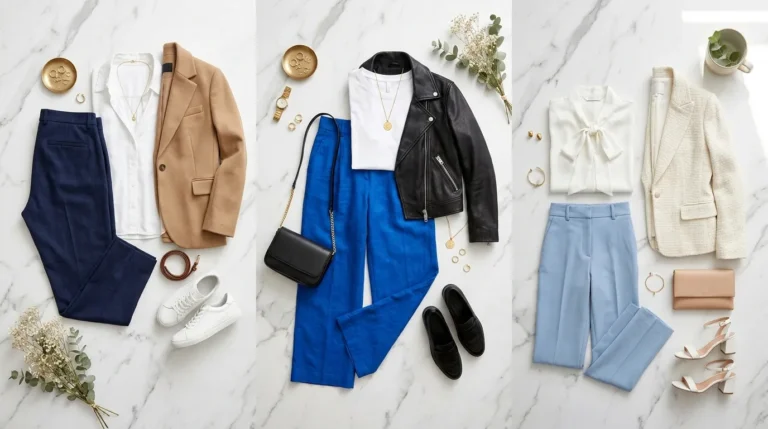
Focus your budget on classic items you will wear repeatedly. A navy or charcoal blazer works across seasons and occasions, paired with everything from dresses to denim depending on your office environment. Quality wool blend trousers maintain their shape through multiple wearings and cleanings, proving more economical than cheaper alternatives requiring frequent replacement.
Tailoring transforms off-the-rack purchases into custom-looking pieces. Hemming trousers to the perfect length, taking in a waist, or adjusting sleeve length costs relatively little but dramatically improves how clothing looks on your body. Many people overlook this step, settling for almost-right fits that never quite achieve polished appearance.
Consider having alterations done on key pieces shortly after purchase. A blazer that fits perfectly through the shoulders but needs waist suppression becomes a wardrobe workhorse after tailoring. These investments pay dividends through increased wear frequency and enhanced confidence in your professional presentation.
Master the Art of Proper Fit

Nothing undermines professional style faster than poorly fitted clothing. Garments that are too tight restrict movement and create unflattering lines, while oversized pieces make you appear sloppy or drowned in fabric. Learning to identify proper fit transforms your entire wardrobe effectiveness.
Shoulders provide the most critical fit point for jackets and blazers. The seam should sit exactly where your shoulder ends, with no pulling or sagging. This element proves nearly impossible to alter, making it essential to get right initially. Sleeves should end at your wrist bone, showing approximately half an inch of shirt cuff beneath.
For trousers and skirts, waistbands should sit comfortably without gaping or requiring a belt to stay in place. Fabric should skim your body without clinging tightly or creating excess bulk. Trousers should break slightly at the shoe for a polished drape, while skirts should hit at flattering points like just above or below the knee.
Shirts and blouses require room for movement without billowing fabric. Button-front shirts should lay flat across the bust without pulling or gaping between buttons. Sleeve length matters here too, with long sleeves reaching the wrist bone and short sleeves ending mid-bicep rather than at awkward points.
Build a Capsule Wardrobe Foundation
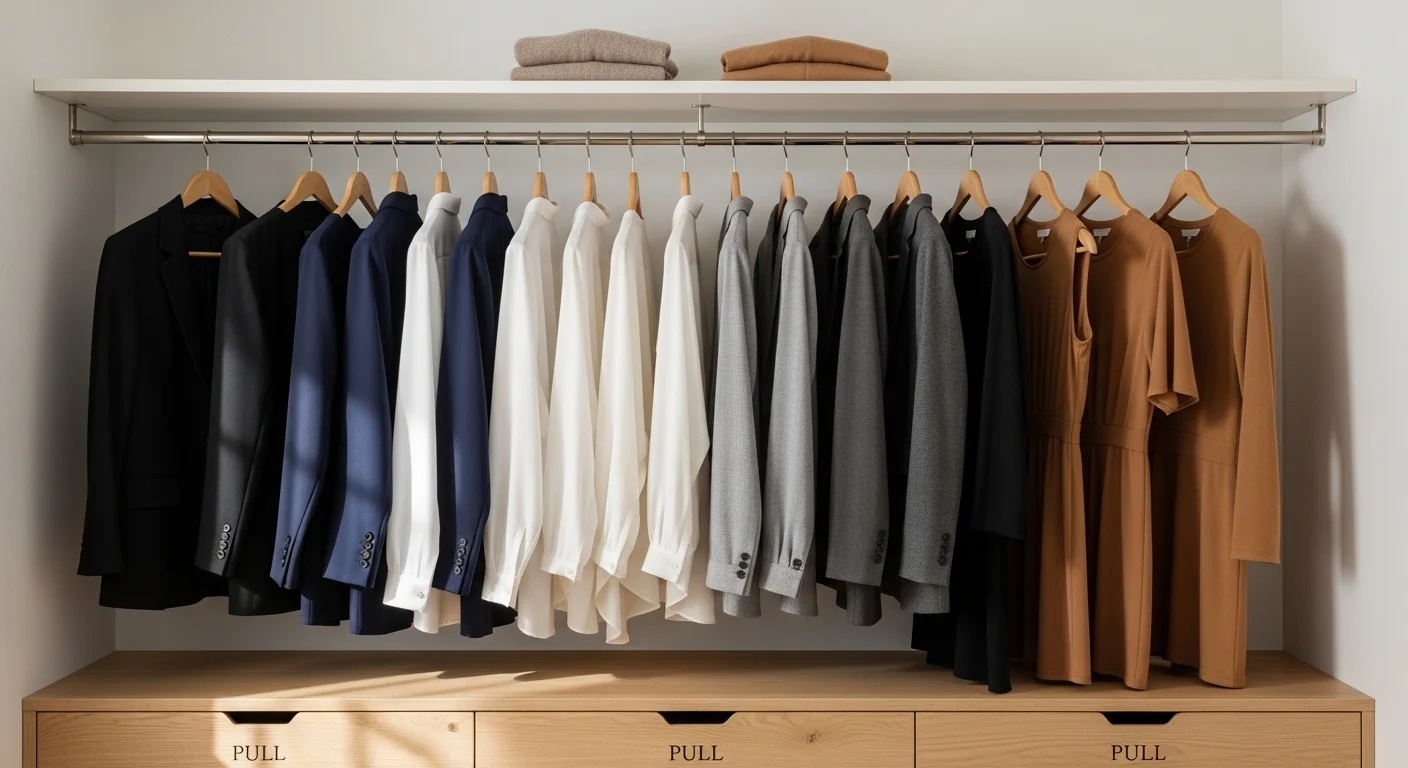
Creating a capsule work wardrobe simplifies daily dressing while ensuring you always look polished. This approach focuses on a limited number of versatile, quality pieces that mix and match effortlessly. The result reduces decision fatigue while maximizing outfit possibilities.
Start with neutral foundation pieces in black, navy, gray, and white. These colors work together seamlessly and provide the backdrop for introducing personality through accessories or accent pieces. A black blazer, navy trousers, white button-down shirts, and gray pencil skirt create numerous combinations before adding any additional items.
Add versatile dresses that work alone or layered under blazers. Shift dresses, sheath styles, and wrap designs all transition across seasons and formality levels. Choose solid colors or subtle patterns that coordinate with your foundation pieces, ensuring maximum mixing potential.
Include quality knits like merino wool sweaters or silk-blend shells that layer beautifully under blazers or stand alone during warmer months. These pieces add texture and interest while maintaining professional appearance. Stick to classic silhouettes that withstand trend cycles, ensuring your capsule remains current for years.
Choose Strategic Color Palettes
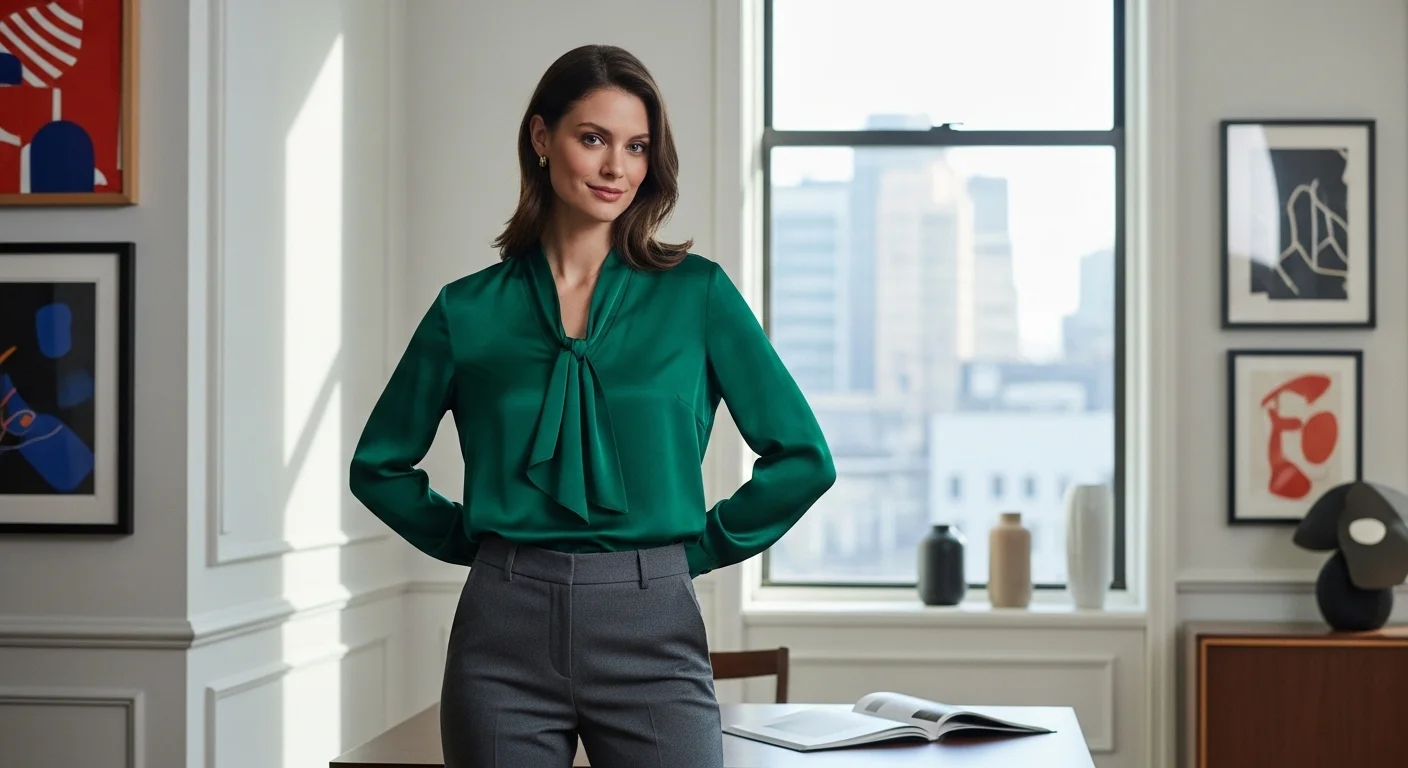
While neutral colors form your wardrobe foundation, strategic color choices inject personality and visual interest into professional outfits. Understanding which colors complement your skin tone elevates your appearance and helps you stand out positively in workplace settings.
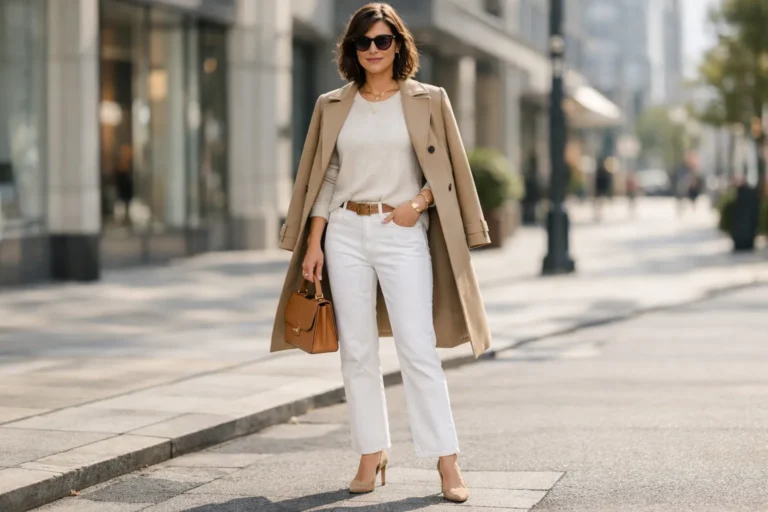
Neutral tones like navy, charcoal, camel, and cream work universally well and project professionalism across industries. These shades combine easily and create sophisticated looks without overwhelming presence. Building your core wardrobe around these tones ensures everything coordinates while providing flexibility for accent colors.
Introduce one or two signature colors that enhance your natural coloring. If jewel tones like emerald or sapphire complement your complexion, incorporate these shades through blouses, dresses, or accessories. Warmer tones like burgundy, rust, or olive might work better for others. These colors become part of your professional brand when worn consistently.
Avoid overly bright or neon shades in conservative office environments, though creative fields often welcome bolder choices. When uncertain about appropriateness, opt for richer, deeper versions of colors rather than their brightest iterations. Forest green reads more professionally than lime, while burgundy appears more sophisticated than hot pink.
Perfect Your Footwear Selection
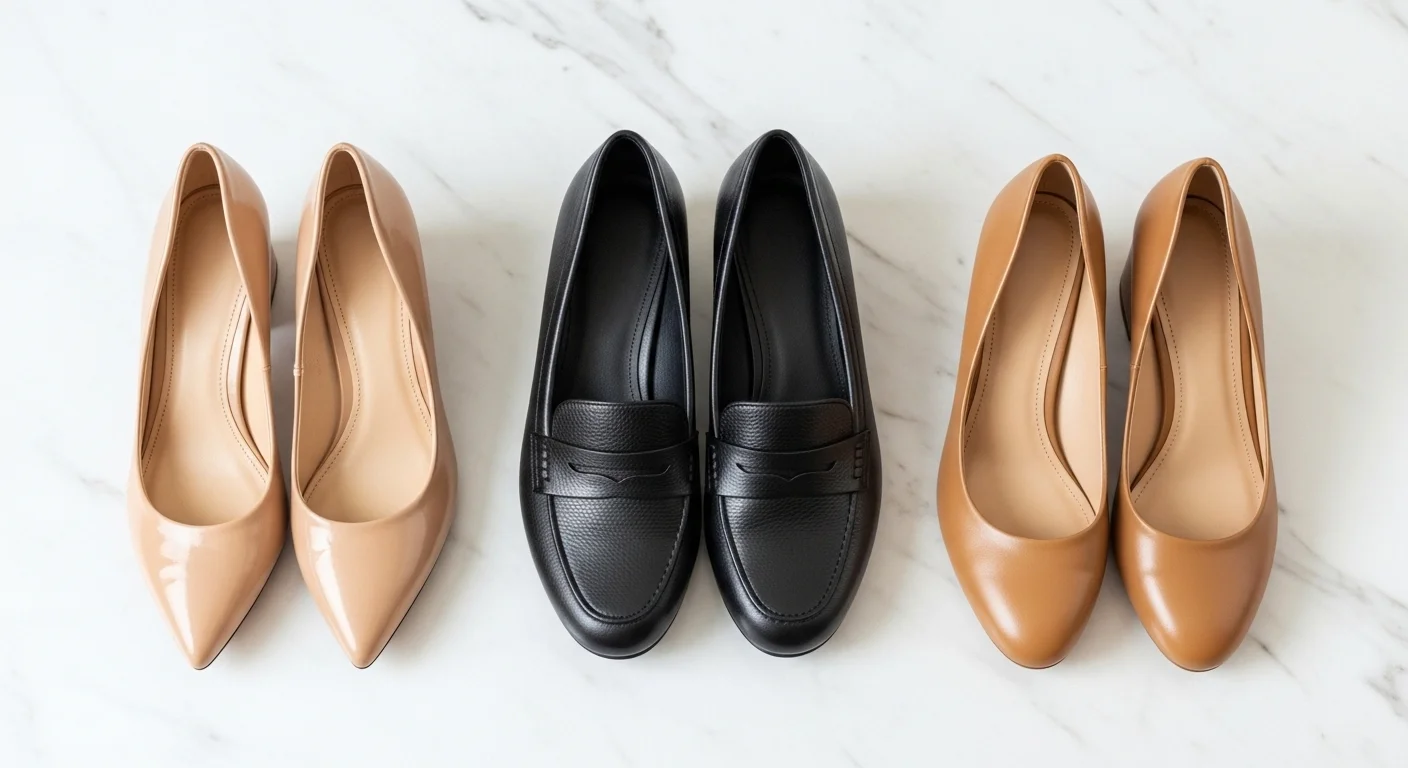
Shoes complete your professional look and significantly impact both comfort and style throughout long workdays. Investing in quality, appropriate footwear proves essential for maintaining polished appearance while supporting your physical wellbeing.
Classic pumps in neutral colors remain office staples for formal environments. Choose heel heights you can walk in comfortably, typically between two and three inches for most people. Lower block heels or kitten heels offer stability while maintaining professional appearance. Ensure shoes fit properly without pinching or causing your foot to slide forward.
Loafers, oxfords, and elegant flats provide comfortable alternatives that still look sophisticated. Pointed or almond toe shapes appear more polished than round toes in professional settings. Quality leather in black, brown, or nude works across multiple outfits and seasons.
For men, leather dress shoes in black or brown represent essential investments. Oxford and derby styles work in most professional environments, while loafers suit business casual settings. Ensure shoes remain clean and polished, as scuffed or worn footwear undermines otherwise polished outfits.
Keep shoes in good repair by replacing worn heels and soles promptly. Store them properly using shoe trees or stuffing to maintain shape. Rotating between multiple pairs extends their lifespan while ensuring you always have appropriate options ready.
Accessorize with Intention
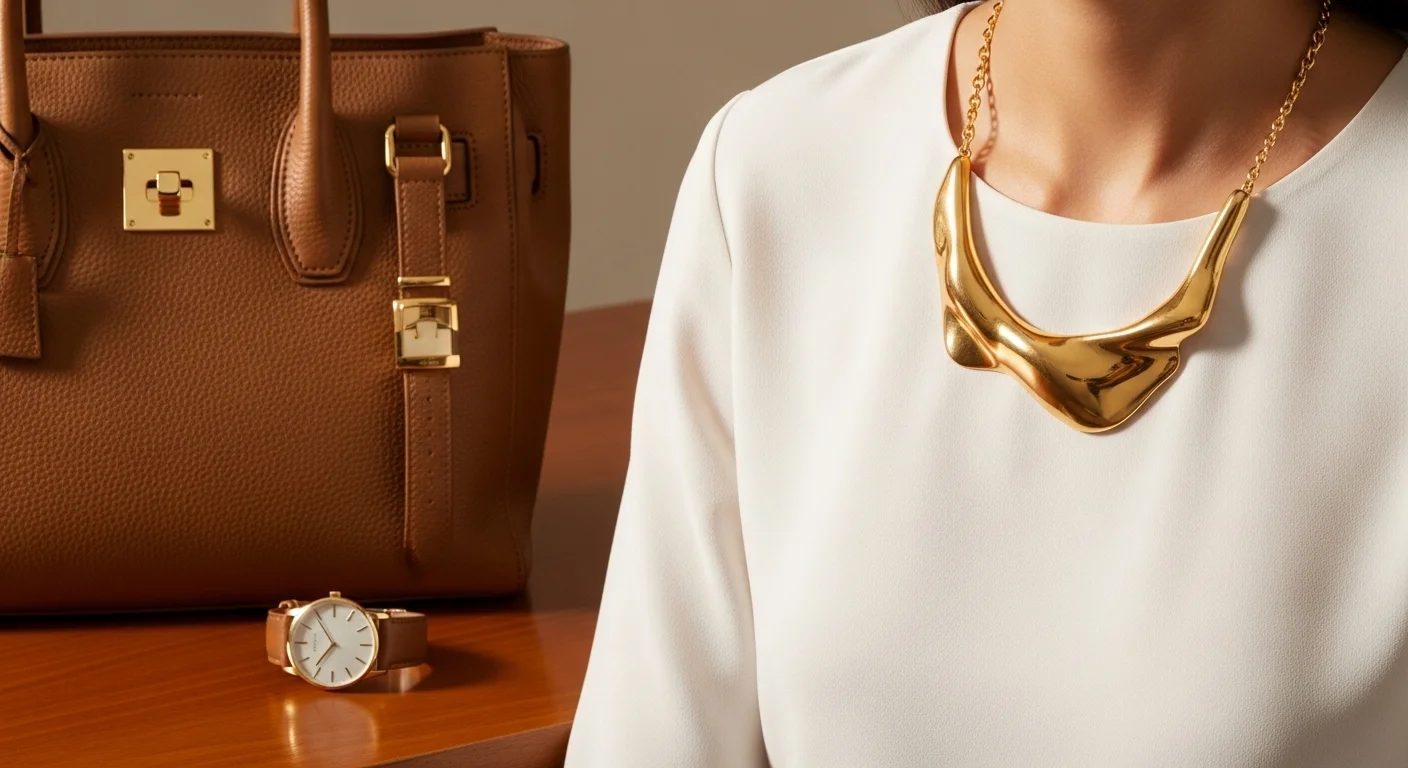
Accessories transform basic outfits into memorable looks while expressing personal style within professional parameters. The key lies in strategic selection rather than overwhelming your appearance with too many competing elements.
Choose one statement piece per outfit to create focal points without visual chaos. A bold necklace paired with a simple sheath dress makes impact, as does a structured handbag carried with a neutral suit. Avoid wearing statement necklaces, earrings, bracelets, and rings simultaneously, which creates cluttered appearance.
Invest in a quality work bag that holds essentials while maintaining professional aesthetic. Structured leather totes in neutral colors work across most environments and last for years with proper care. The bag should be proportional to your frame and large enough for daily needs without appearing overwhelming.
Watches add sophistication to any professional outfit. Choose classic styles with leather or metal bands rather than overtly sporty designs. Simple, elegant timepieces complement rather than distract from overall presentation.
Belts serve both functional and aesthetic purposes. Match belt leather to shoe leather for cohesive appearance. Width should be proportional to your body, with narrower belts suiting smaller frames and wider options working for larger builds.
Embrace Modern Workwear Fabrics
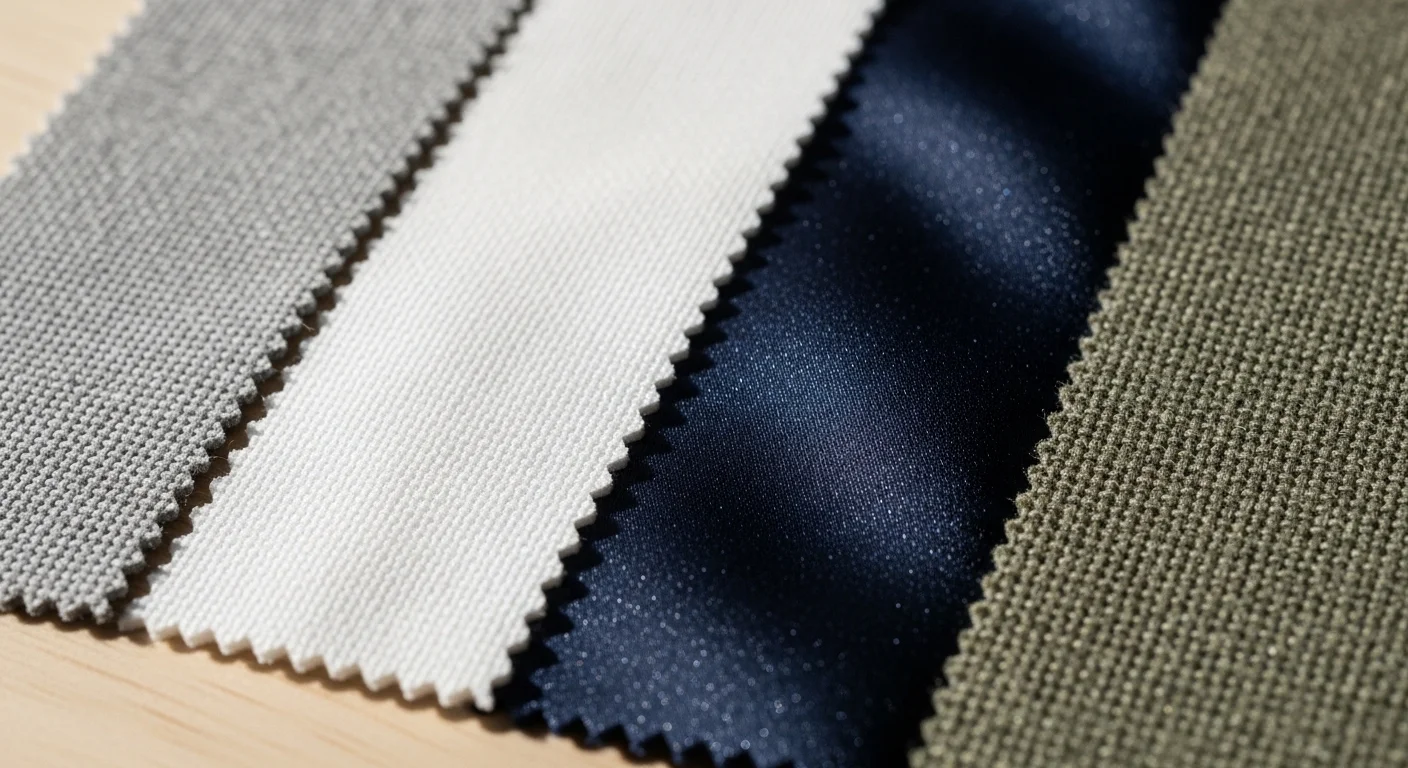
Fabric selection significantly impacts both comfort and professional appearance. Modern textile technology offers materials that perform beautifully throughout busy workdays while maintaining polished looks from morning meetings through evening events.
Natural fibers like wool, cotton, and silk remain classics for good reason. Wool suits resist wrinkling and breathe well, making them comfortable across seasons. Cotton shirts provide crisp, professional appearance while allowing air circulation. Silk blouses drape beautifully and add subtle luxury to outfits.
Blended fabrics combine natural fiber benefits with synthetic durability and stretch. Cotton-spandex blends move with you while maintaining shape, perfect for trousers and skirts. Wool-polyester suits resist wrinkles better than pure wool while costing less. These practical options suit active professionals who need clothing that keeps up with demanding schedules.
Choose breathable fabrics that regulate temperature, particularly important for layered looks or temperature-variable office environments. Merino wool naturally wicks moisture and resists odors, making it ideal for long days. Linen works beautifully in warm weather despite its tendency to wrinkle, though linen blends offer similar benefits with better wrinkle resistance.
Avoid overly synthetic fabrics that do not breathe or appear cheap. Polyester alone often looks less professional than blended alternatives, though quality matters significantly. Feel fabrics before purchasing to ensure they meet both aesthetic and comfort requirements.
Layer Strategically for Versatility

Mastering layering techniques multiplies outfit possibilities while adapting to varying temperatures and formality requirements throughout your workday. This skill transforms limited wardrobe pieces into numerous distinct looks.
Start with fitted base layers that work alone or under other pieces. Sleeveless shells and short-sleeve blouses layer beautifully under blazers while looking polished when jackets come off. Choose smooth fabrics that do not add bulk under additional layers.
Blazers represent the most versatile layering piece in professional wardrobes. A well-fitted blazer instantly elevates casual outfits, transforming jeans and t-shirts into business casual looks. Keep unbuttoned for relaxed appearance or button for more formal presentation. Varying blazer colors and styles provides maximum outfit combinations.
Cardigans offer softer layering alternatives to structured blazers. Choose fitted or slightly oversized styles rather than boxy shapes that add unnecessary bulk. Longer length cardigans create elegant lines when worn over dresses or with trousers, while cropped versions work well with high-waisted bottoms.
Light scarves add color, texture, and warmth without overwhelming professional appearance. Silk scarves bring elegance to simple outfits, while cashmere versions provide luxury and comfort. Learn a few simple tying techniques to create different looks from the same scarf.
Maintain Impeccable Grooming Standards
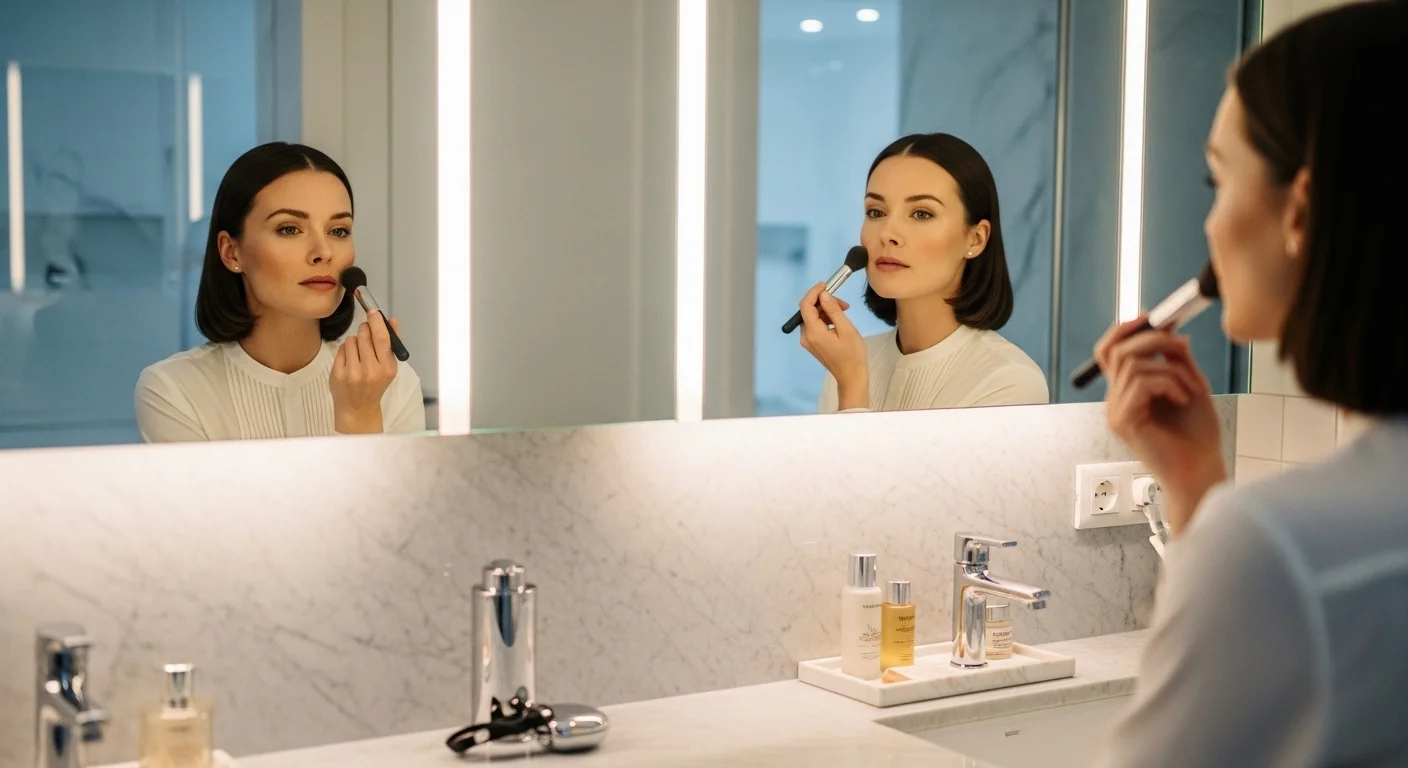
Even the most expensive wardrobe fails without proper grooming and personal maintenance. These details complete your professional presentation and demonstrate attention to quality in all aspects.
Hair should appear clean, styled, and appropriate for your workplace environment. Whether you prefer simple styles or elaborate looks, ensure hair stays neat throughout the day. Keep longer hair secured to prevent constant adjustment, which appears unprofessional. Regular trims maintain healthy appearance and style integrity.
Minimal, professional makeup enhances natural features without appearing overdone. Focus on even skin tone, defined eyes, and neutral lip colors for most office environments. Creative fields may welcome bolder choices, but err on subtle side when uncertain. The goal involves looking polished rather than made up.
Maintain clean, manicured nails that complement professional image. Neutral polish colors work universally, while brighter shades suit less conservative environments. Keep nails at practical lengths that do not interfere with typing or other work tasks. Men should keep nails trimmed and clean.
Pay attention to subtle details like clean collar edges, lint-free clothing, and fresh breath. These small elements combine to create overall impression of someone who values quality and professionalism. Carry a small grooming kit with essentials for touch-ups throughout the day.
Update Classic Pieces with Modern Touches

Professional style need not feel dated or stodgy. Incorporating contemporary elements into classic pieces keeps your look current while maintaining workplace appropriateness. This balance demonstrates fashion awareness without sacrificing professionalism.
Modern tailoring embraces softer structures and relaxed fits compared to traditionally stiff business attire. 5 Best Unlined Blazers for 2026 (Lightweight Layering) with comfortable feel. Slightly oversized jackets paired with fitted bottoms create contemporary silhouettes that remain office appropriate.
Update traditional white shirts through interesting details like asymmetric hems, subtle ruffles, or unexpected cuff treatments. These elements add personality while maintaining the polish white shirts provide. Rolling sleeves casually or leaving an extra button undone creates relaxed yet intentional appearance.
Wide-leg trousers represent a modern alternative to traditional straight-leg styles. The flowing silhouette feels current while remaining professional, particularly when balanced with fitted tops. High waists on contemporary styles flatter many body types while working beautifully with tucked shirts and cropped jackets.
Mix traditional and modern pieces for balanced outfits that feel fresh. Pair classic pencil skirts with trendy oversized sweaters, or wear contemporary wide-leg pants with traditional silk blouses. This combination demonstrates style awareness while respecting professional standards.
Develop Your Signature Professional Style

While following workplace dress codes and style guidelines provides foundation, developing your recognizable professional aesthetic sets you apart. This signature style becomes part of your personal brand, making you memorable for the right reasons.
Identify elements that resonate with your personality and incorporate them consistently. Perhaps you favor certain color families, prefer particular silhouettes, or gravitate toward specific accessories. Leaning into these preferences creates cohesive personal style while maintaining professional appropriateness.
Study professionals whose style you admire, noting specific elements that appeal to you. Adapt these inspirations to fit your body type, workplace environment, and personal preferences rather than copying looks exactly. The goal involves developing your authentic expression rather than imitating others.
Experiment within professional parameters to discover what works best for you. Try different pant styles, experiment with accessory combinations, or test various color palettes. Pay attention to which looks generate positive feedback and make you feel most confident.
Consistency in your style choices builds recognition over time. When people can identify your aesthetic, you become memorable in professional settings. This recognition proves valuable for career advancement and building your professional reputation beyond just job performance.
Conclusion
Looking stylish at work requires thoughtful approach rather than expensive wardrobe or slavish trend following. The strategies outlined here provide framework for building professional appearance that commands respect while expressing your authentic self. From understanding proper fit to developing signature style elements, each component contributes to overall polished presentation.
Remember that professional style evolves as your career progresses and workplace cultures shift. Remaining open to adaptation while maintaining core principles ensures your appearance stays current and appropriate. Regular wardrobe assessment helps identify pieces requiring replacement or updating, keeping your professional image fresh.
The confidence that comes from knowing you look polished and appropriate proves invaluable in professional settings. When you feel good about your appearance, that assurance translates into better performance, stronger presence in meetings, and enhanced professional relationships. Investing time and resources into your work wardrobe pays dividends throughout your career.
Start implementing these strategies gradually rather than attempting complete wardrobe overhaul immediately. Focus first on foundation pieces and proper fit, then layer in additional elements as budget and time permit. Consistency matters more than perfection, and small improvements compound over time into significant style transformation. Your professional image represents investment in your career success and deserves thoughtful attention.
Frequently Asked Questions
What are the essential pieces for a professional work wardrobe?
Essential professional wardrobe pieces include a well-fitted blazer in navy or black, tailored trousers in neutral colors, quality button-down shirts or blouses, a versatile dress suitable for meetings, and appropriate footwear like classic pumps or loafers. These foundation items mix and match to create numerous outfits while maintaining polished appearance across different workplace situations and formality levels.
How many work outfits do I actually need?
A functional work wardrobe requires approximately five to seven complete outfits that can be mixed and matched. This translates to roughly three to four bottoms, five to seven tops, two blazers or cardigans, and two pairs of appropriate shoes. This capsule approach provides variety for a full work week while keeping your closet manageable and choices simplified during busy mornings.
Can I wear jeans to work and still look professional?
Jeans can look professional in business casual or casual office environments when styled appropriately. Choose dark wash jeans without distressing, rips, or excessive fading. Pair them with blazers, structured tops, and polished shoes rather than sneakers. The overall outfit should appear intentional and put-together rather than weekend casual. Always verify your specific workplace permits denim before incorporating jeans into your work rotation.
How do I dress professionally on a limited budget?
Professional dressing on a budget focuses on quality basics over trendy pieces. Shop end-of-season sales for classic items, invest in proper alterations to improve fit of affordable pieces, and prioritize versatile neutral colors that work across multiple outfits. Thrift stores and consignment shops often carry quality professional clothing at significant discounts. Build your wardrobe gradually, purchasing one or two quality pieces each season rather than buying everything at once.
What should I avoid wearing to maintain professional appearance?
Avoid clothing that is too tight, too revealing, wrinkled, stained, or in poor condition. Skip overly casual items like athletic wear, flip-flops, or graphic t-shirts unless your workplace specifically permits them. Steer clear of excessive cleavage, very short hemlines, or sheer fabrics without appropriate layering. Clothing should fit properly without requiring constant adjustment throughout the day, as fidgeting with your outfit undermines professional presence.
You may also like How To Dress A Pear Body Shape Kärna Fintrix