10+ Easy Ways to Look Expensive on a Friendly Budget
There is a widely held belief that looking polished, refined, and put together requires a generous clothing budget. Walk into any high-end shopping district and you might start thinking that sophistication has a price tag attached to it. The truth, however, tells a very different story. The most stylish people in any room are rarely wearing the most expensive clothes. They are wearing the right clothes, in the right way, with the right level of attention to detail.
Looking expensive on a budget is not about deception. It is about understanding the principles that make any outfit appear elevated, and then applying those principles deliberately and consistently. From how a garment fits your body to the colors you choose and the way you maintain your wardrobe, every small decision contributes to a larger impression. Once you understand these principles, you begin to see that luxury is far less about labels and far more about intention.
This guide walks you through more than ten practical, proven fashion strategies that will transform how your outfits look and how you carry yourself, without requiring you to spend beyond your means.
1. Prioritize Fit Above Everything Else
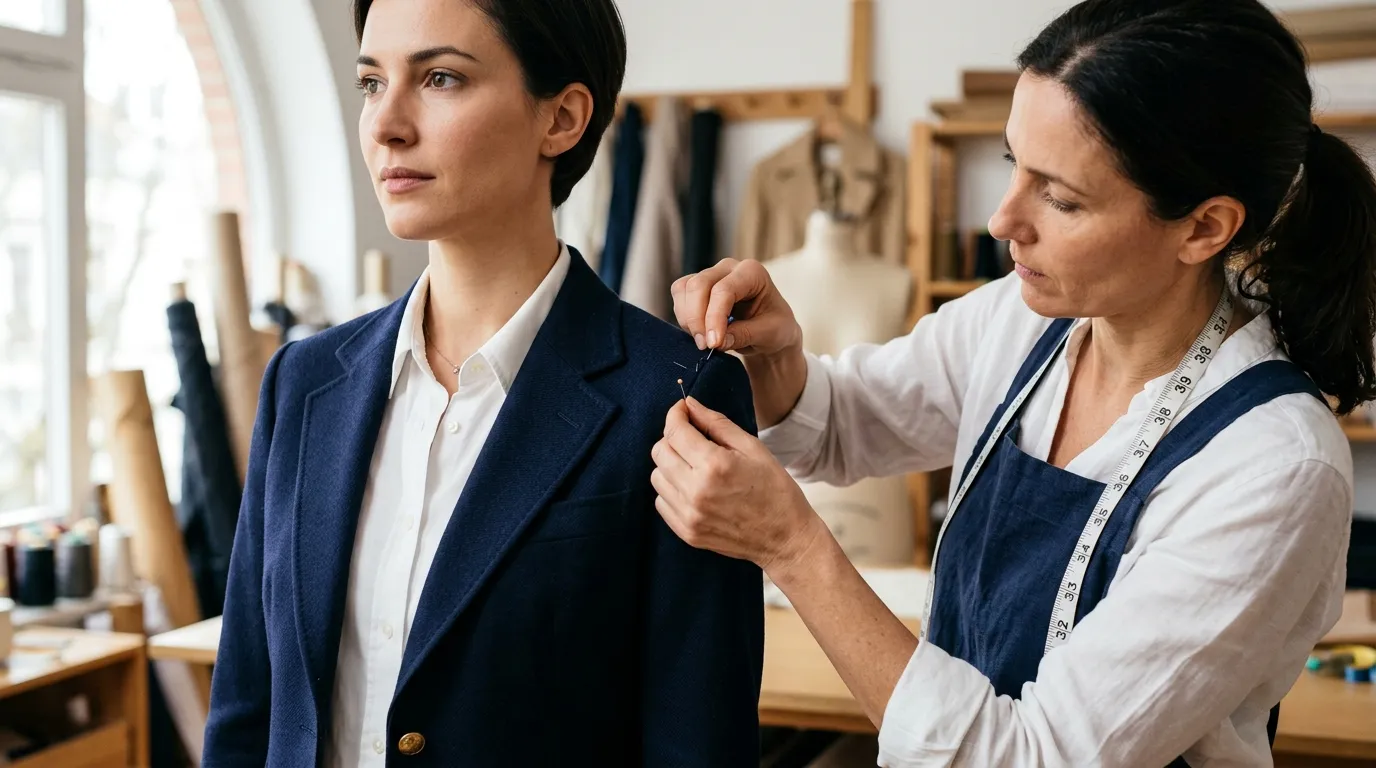
If there is one rule that separates a stylish person from someone who simply owns expensive clothes, it is fit. No matter how much you spend on your clothes, if they do not fit well, they will not look expensive. Style at a Certain Age A perfectly tailored garment, even one purchased from a budget retailer, communicates quality, care, and attention to detail in ways that an ill-fitting designer piece never can.
The good news is that tailoring does not have to cost a fortune. A simple hem adjustment, taking in the waist of a blazer, or shortening the sleeves of a shirt can be done affordably by a local seamstress. When you build a relationship with a skilled tailor, even your most affordable pieces begin to look custom-made. A well-fitted garment frames your natural shape, enhancing your silhouette and making even budget-friendly pieces look bespoke. B&TG
The goal is simple. Your clothes should move with you, not hang off you or pull against you. Anything too baggy reads as careless. Anything too tight reads as uncomfortable. The sweet spot in the middle is where quiet sophistication lives.
2. Choose Quality Fabrics Whenever Possible
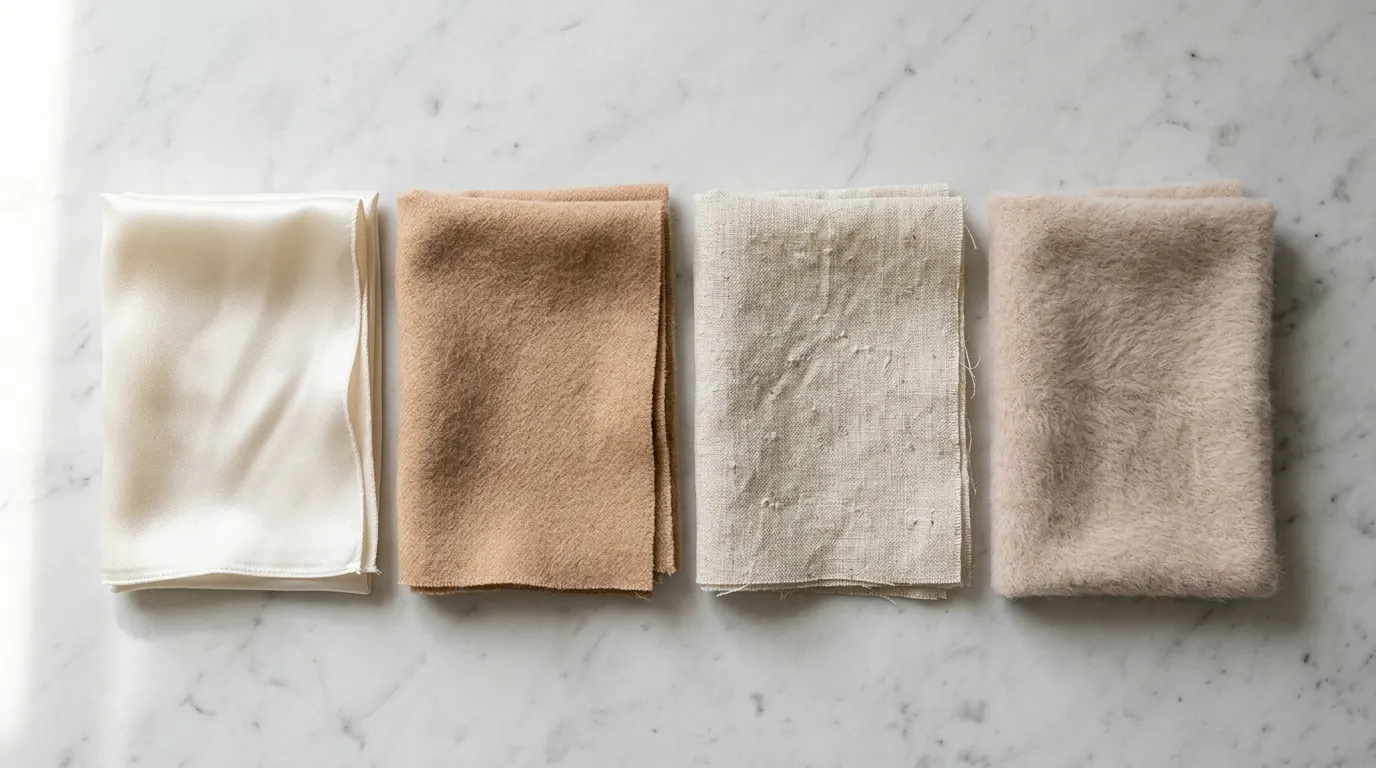
The second thing most people notice about an outfit, whether consciously or not, is how the fabric behaves. Cotton, silk, wool, linen, and cashmere are quality fabrics that tend to hold up better over time. Fabulous after 40 They drape well, they retain their shape, and they age with dignity rather than pilling and warping after a few washes.
When shopping on a budget, the key is to read labels carefully. Even affordable brands occasionally carry pieces made from quality natural fibers. Natural fibers like cotton, linen, wool, and silk age gracefully, while synthetic fabrics like polyester and nylon often lose shape and quality after just a few washes. B&TG Seek out the natural fiber pieces, even if it takes a little more patience while shopping. One good linen shirt will consistently outperform five cheap polyester alternatives in both appearance and longevity.
3. Build Your Wardrobe Around Neutral Colors
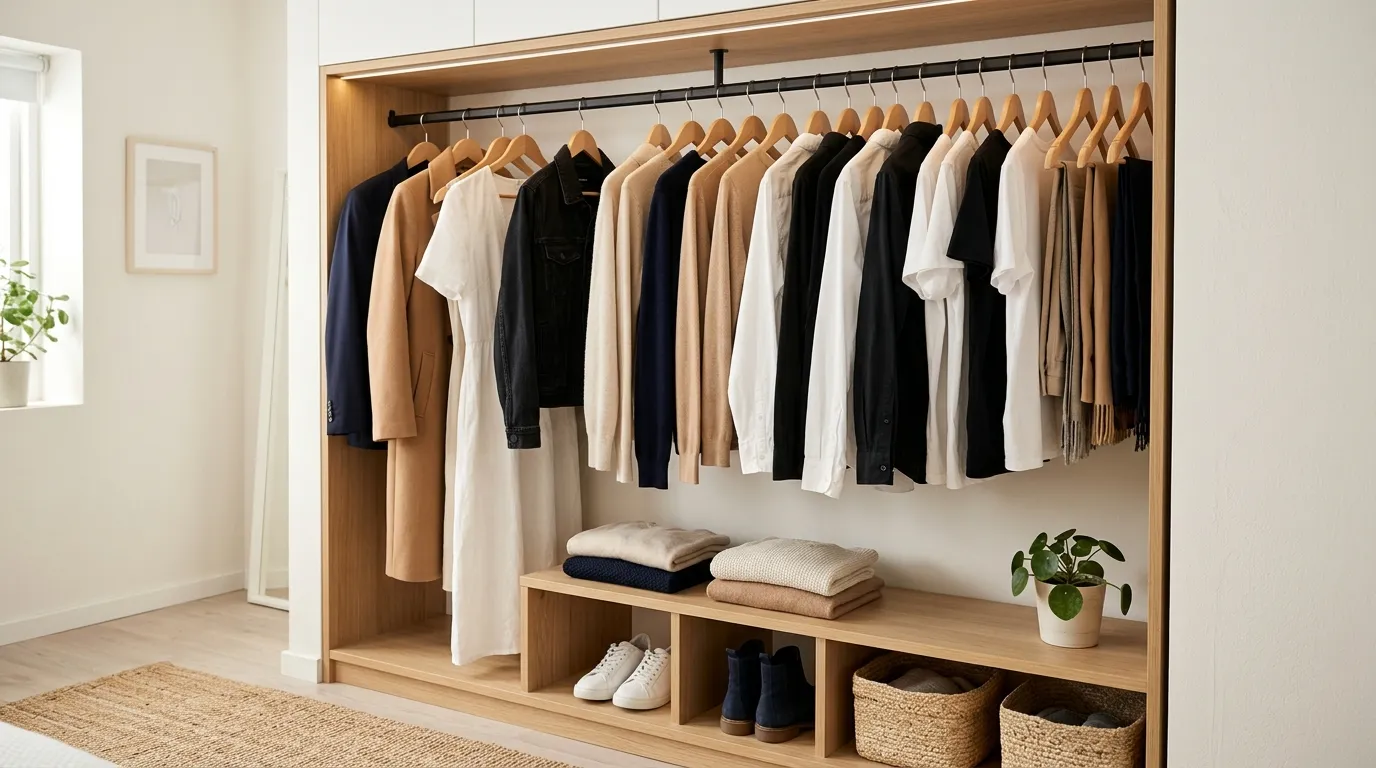
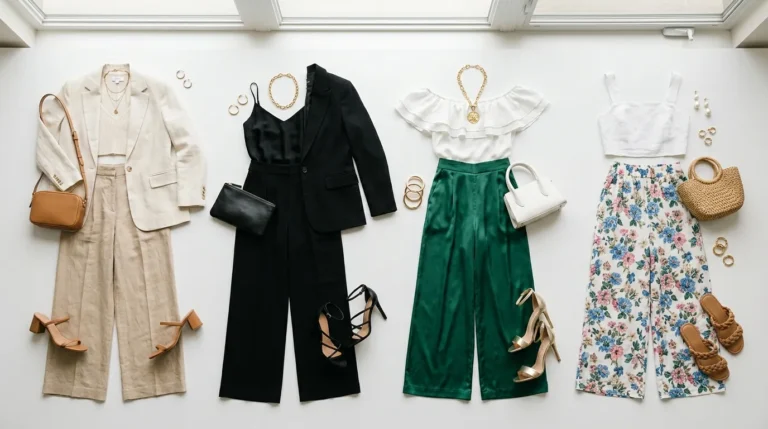
Color is one of the most powerful tools in the style toolkit, and neutral colors are the foundation of every expensive-looking wardrobe. Neutral colors like black, navy, gray, white, and camel look more expensive. ERICA BALL STYLE These tones are clean, versatile, and carry an inherent sense of calm sophistication that loud or overly saturated colors rarely achieve.
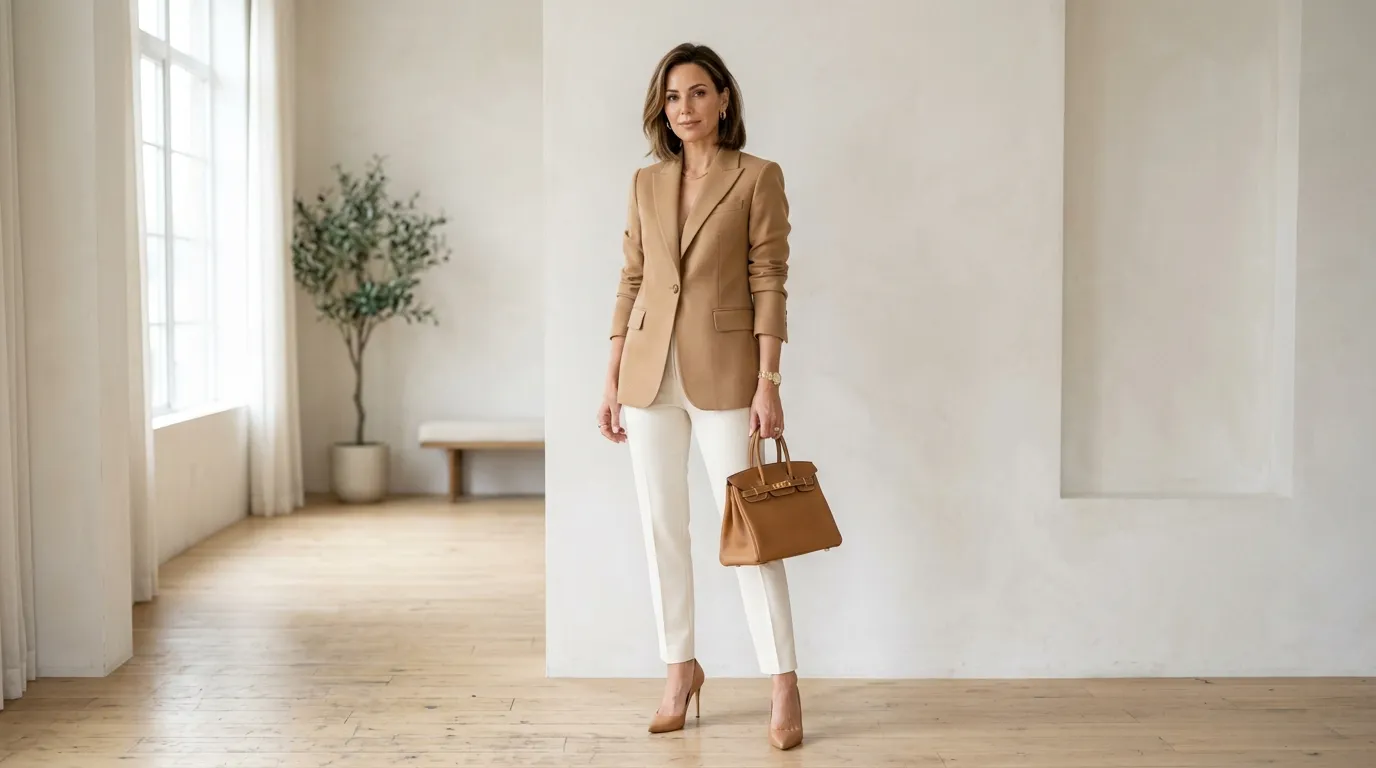
This does not mean your wardrobe needs to be boring. Neutrals mix effortlessly with each other, allowing you to create layered, textured outfits that feel rich and intentional. There is no color more expensive-looking than camel when it comes to clothing. So Heather A full camel outfit, or even a camel coat worn over a simple white ensemble, instantly communicates a level of polish that most trend-driven color combinations cannot replicate.
When you do introduce color, choose muted or earthy tones rather than neon or overly saturated shades. Pastel tones also work beautifully and have long been associated with understated elegance.
4. Embrace Monochromatic Dressing
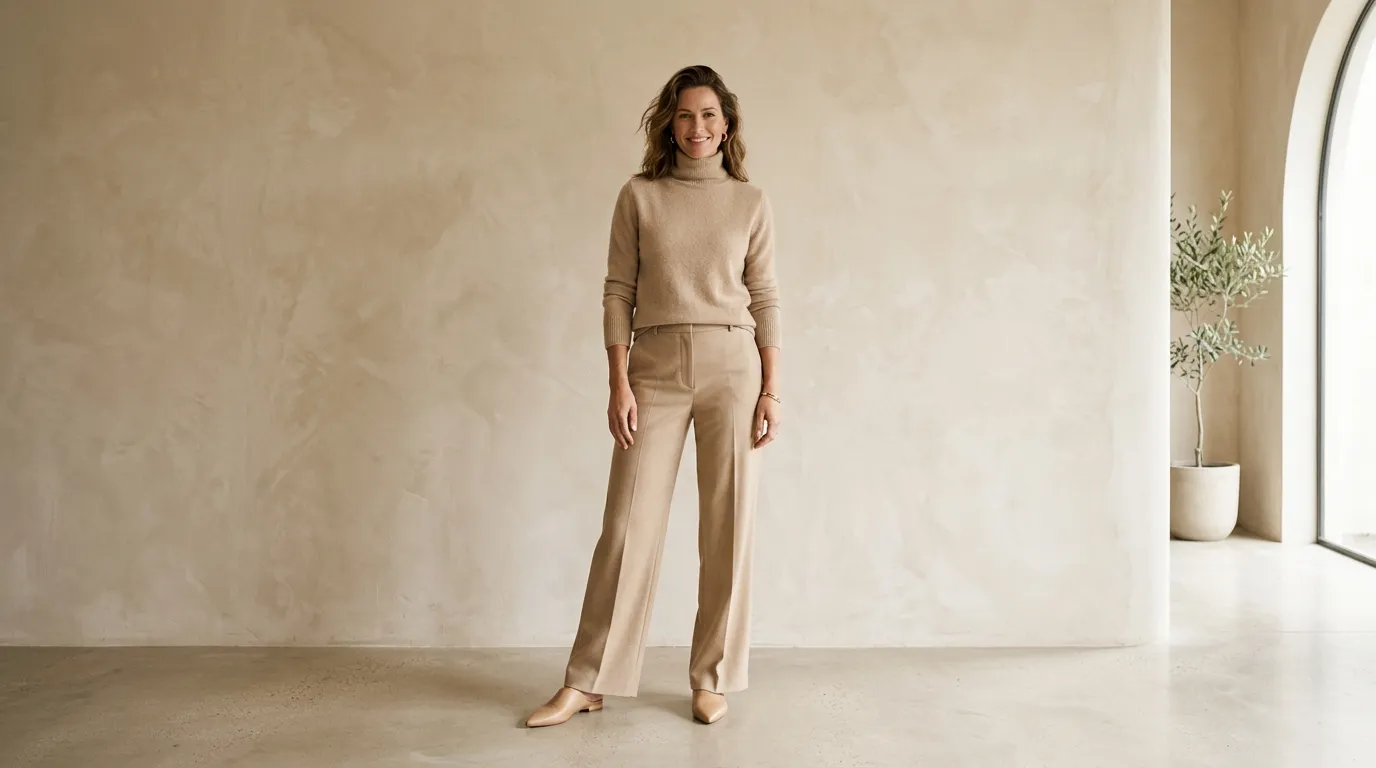
Building on the power of neutrals, dressing in a single color from head to toe is one of the easiest ways to appear more put together. When doing a monochromatic look, fabrics with textures in neutral colors create depth in your outfit. ERICA BALL STYLE This approach works because it creates a long, unbroken visual line that makes the wearer appear taller, leaner, and more intentional in their choices.
An all-white look, an all-beige outfit, or a head-to-toe navy ensemble will consistently read as more elevated than a mismatched combination of budget pieces. The beauty of this trick is that it requires no additional spending. It simply requires a shift in how you combine the pieces already in your closet.
5. Choose Solid Colors Over Busy Prints
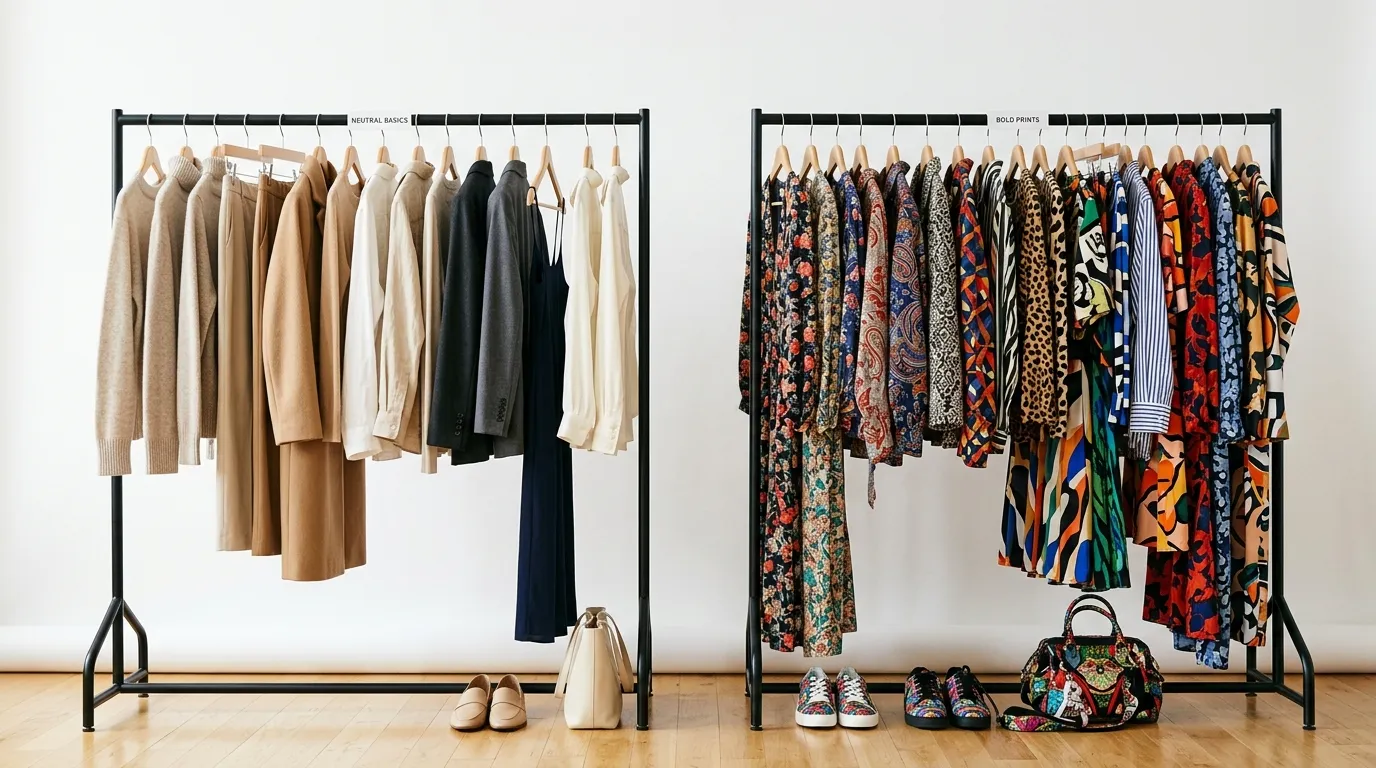
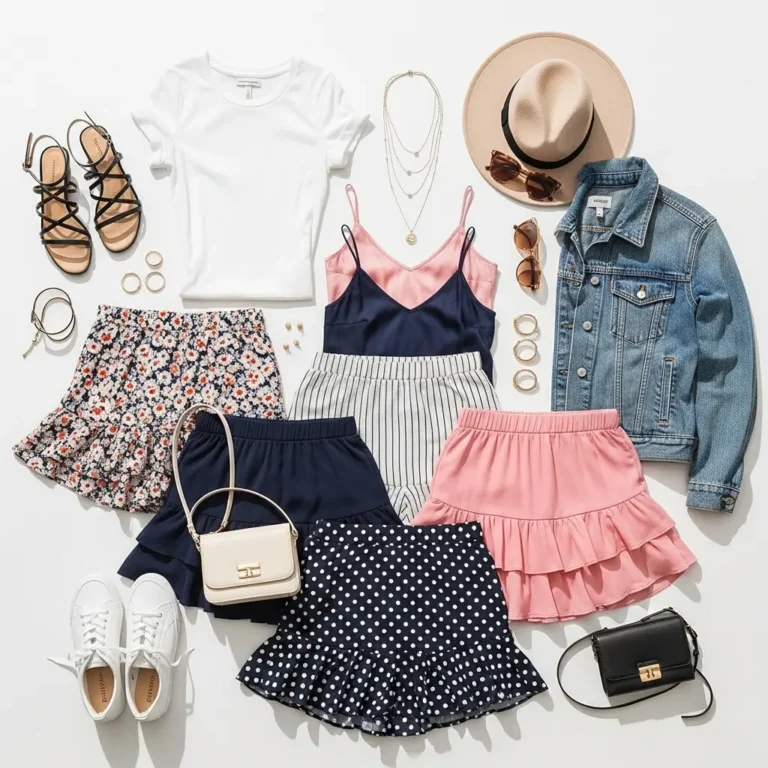
In general, you do not want to be spending money on a dress that has a lot of loud busy prints, because those kinds of prints show the quality of the fabric far more than if the same piece were in a neutral solid color. ERICA BALL STYLE This is a subtle but important point. A busy print draws attention to the fabric itself, and on a budget piece, that fabric rarely holds up to scrutiny. A solid color, on the other hand, draws attention to the silhouette, the fit, and the overall composition of the outfit.
When prints are done well on inexpensive garments, they can work. But as a general rule, simplicity is your most reliable ally when trying to look expensive on a budget. Thoughtfully chosen pieces that take a more minimalist approach, with subtle designs and gentler hues, help you appear effortlessly chic rather than overdone. Fabulous after 40
6. Invest Strategically in Key Pieces
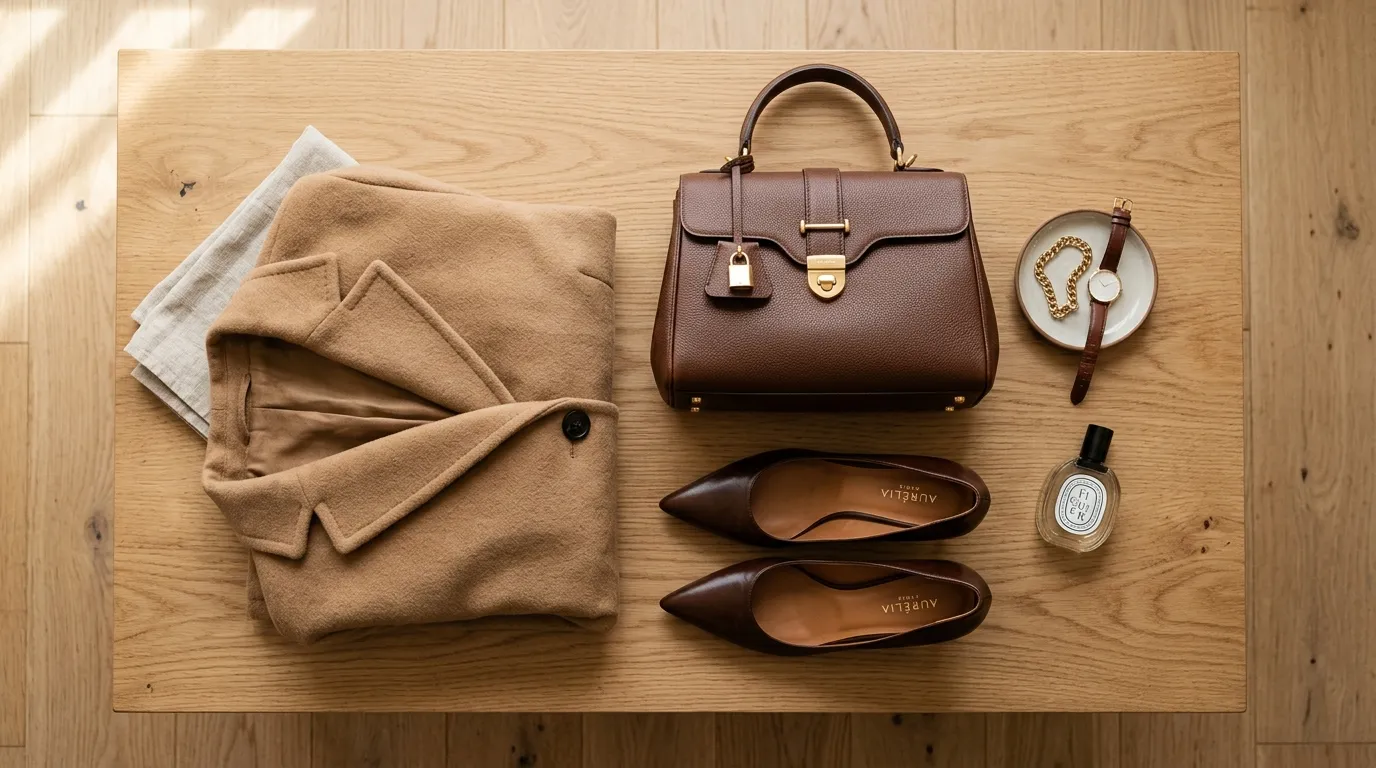
Looking expensive on a budget does not mean spending nothing. It means spending wisely. A great tip is to invest in shoes, handbags, and outerwear, because everything else does not need to be expensive in order to look expensive. So Heather These three categories are the first things people notice and the last things they forget. A structured leather handbag, a well-made coat, and a pair of clean, classic shoes elevate every single outfit they touch, regardless of how affordable the rest of the ensemble is.
Think of these as your foundation investments. You do not need to acquire them all at once. Build toward them gradually, choosing one quality piece at a time. Over months and years, this approach creates a wardrobe that performs far above its actual price point.
The Blazer as a Budget Game-Changer
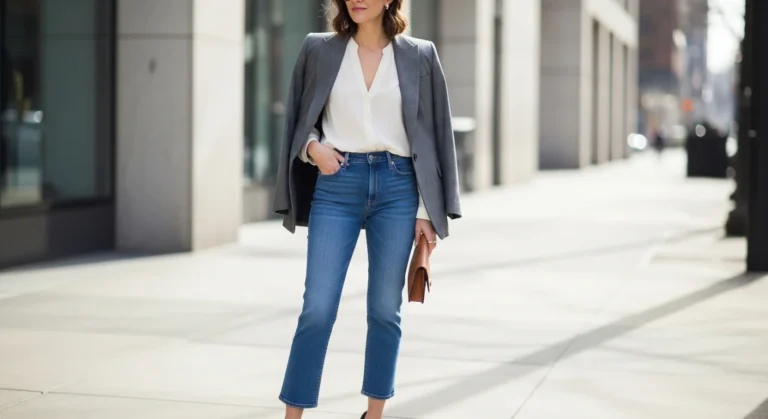
Among investment-worthy pieces, the blazer deserves its own mention. Adding a blazer to almost any outfit, whether jeans and a basic tee or a simple dress, immediately introduces structure and intention. Adding a jacket, whether a blazer, leather jacket, denim jacket, or army jacket, makes you look more expensive and luxe. So Heather This third layer principle is one of the most reliable styling tricks available to anyone working with a limited budget.
7. Accessorize with Intention, Not Excess
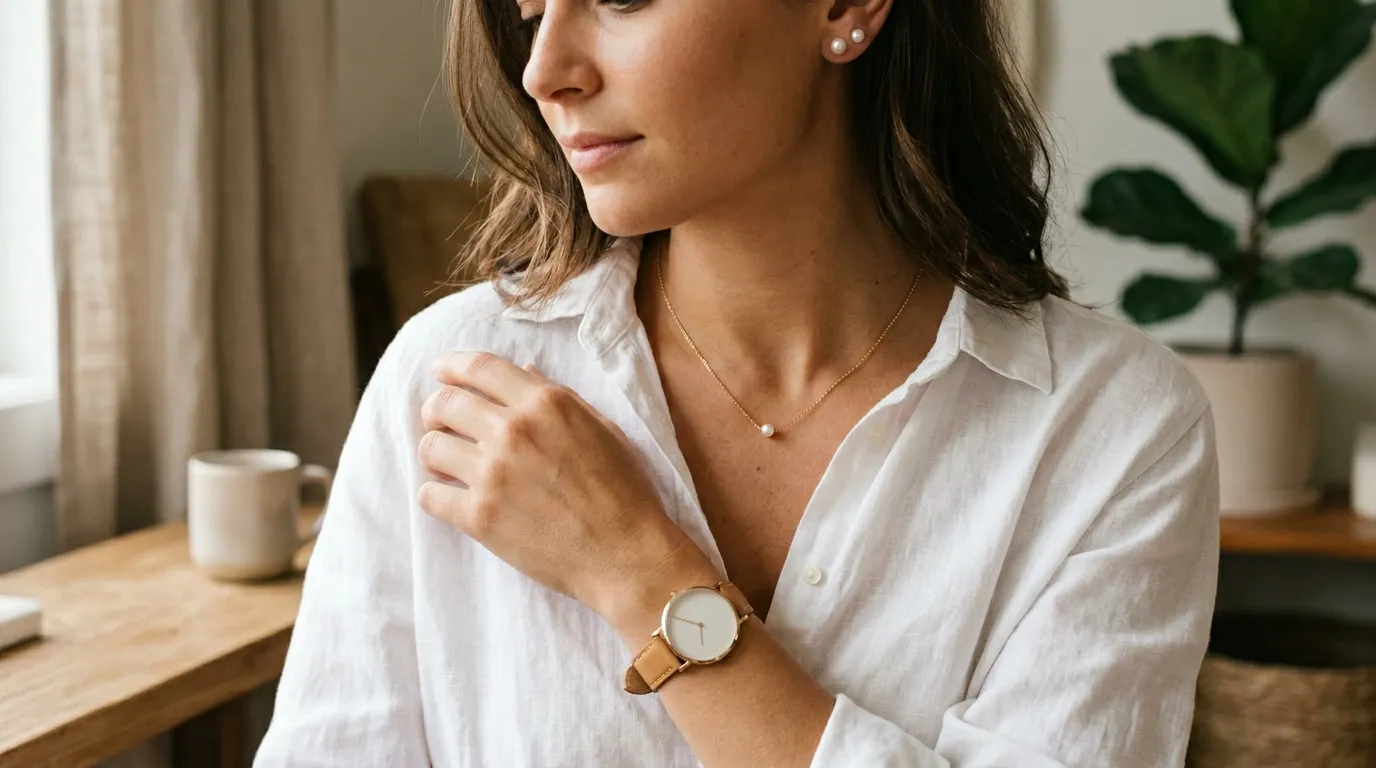
Accessories have the power to completely transform an outfit, but the key word when working on a budget is intention. Timeless accessories like pearl studs, gold-tone jewelry, watches with leather straps, and vintage-inspired rings feel personal, intentional, and elevated. The Real Chic Life These pieces communicate a sense of style that is refined rather than reactive.
Avoid piling on too many accessories at once. Opt for simple, elegant accessories like a quality watch, minimalistic jewelry, or a chic leather handbag, and avoid anything too flashy, because simplicity is key when you want to achieve an expensive look on a budget. Style at a Certain Age
A single good watch, a pair of simple gold hoops, or one well-chosen necklace will always look more expensive than a collection of cheap, competing pieces layered together. Edit your accessories the same way you edit your wardrobe: keep what works and remove what distracts.
8. Take Exceptional Care of Your Clothes
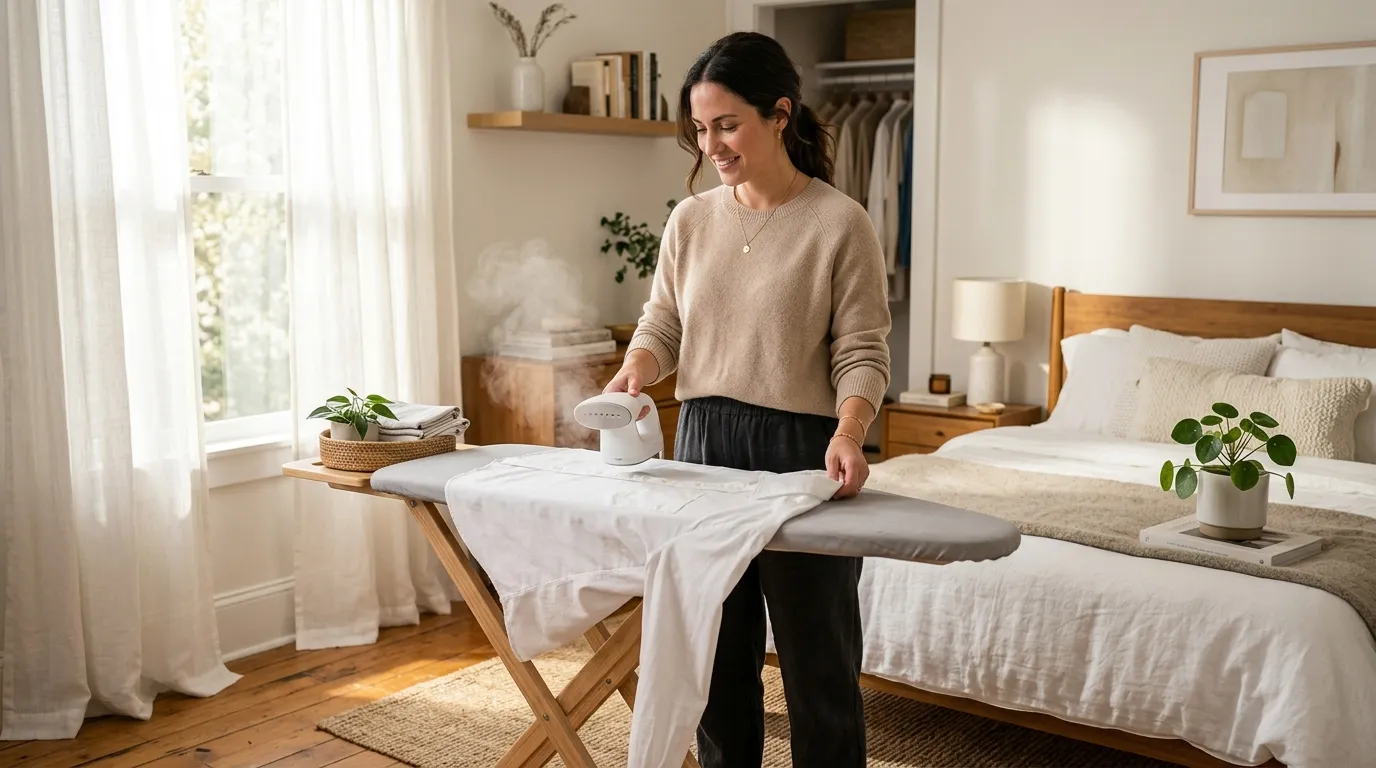
This is perhaps the most underrated tip in the entire conversation about looking expensive on a budget, and yet it may be the most impactful. Clean, well-maintained, wrinkle-free clothing always looks more expensive than the same garment that is faded, pilled, or creased.
When you take care of your clothes, they last longer and look better. If an item needs dry cleaning, get it dry cleaned. You do not have to dry clean it every time, but every two or three wears depending on how much you wear it. ERICA BALL STYLE Invest in a good fabric shaver to remove pilling, a steamer or iron to eliminate wrinkles, and proper storage solutions to maintain the shape of structured garments.
Worn-out clothes look cheap regardless of how much they originally cost. A budget garment that is immaculately maintained will consistently outperform an expensive piece that has been treated carelessly.
9. Pay Attention to Grooming and Personal Presentation
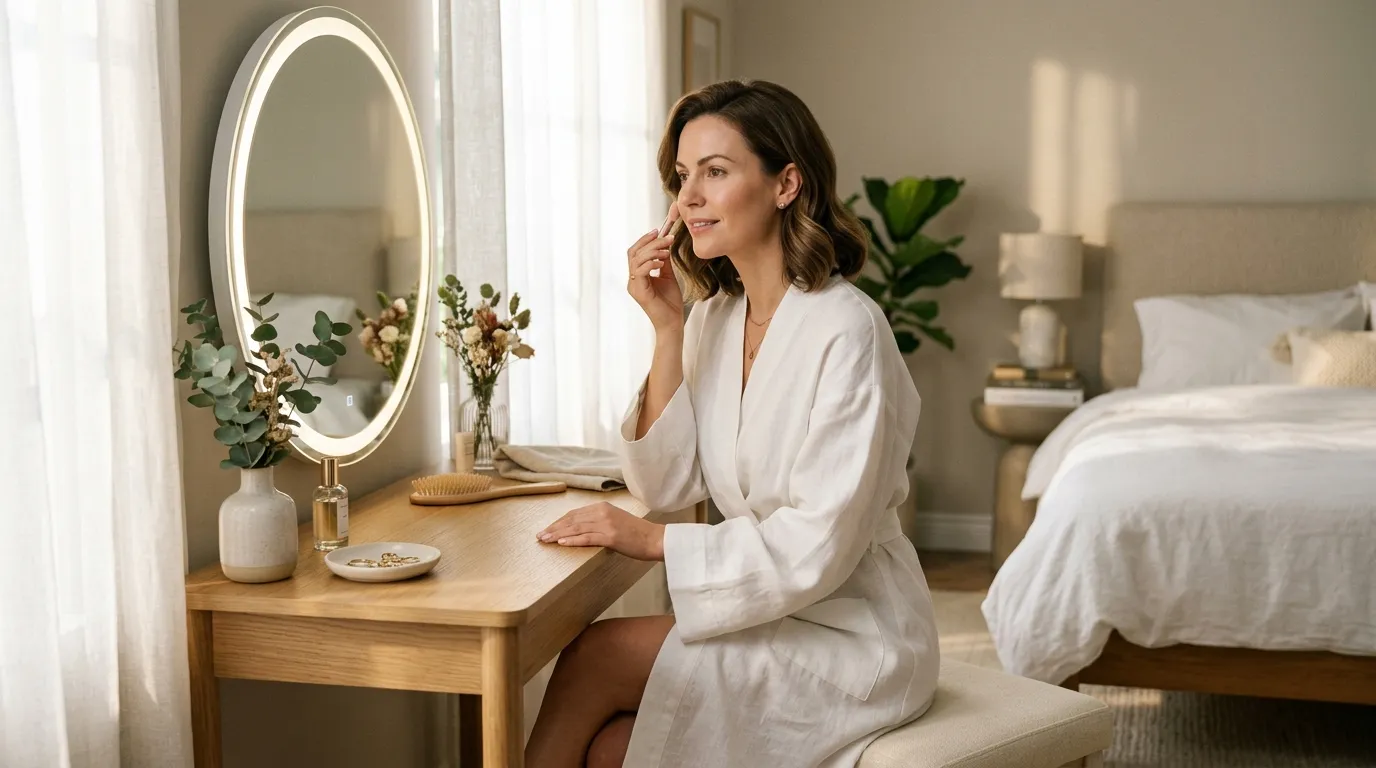
Style extends well beyond clothing. The classic and expensive look requires clean, well-maintained nails, and the most important thing is to keep your nails clean and hands soft. Levinas Similarly, clean, styled hair makes an enormous difference in how a complete look reads. Well-maintained skin, thoughtfully applied makeup, and fresh, polished shoes complete the picture that your clothing begins.
These grooming habits cost very little but communicate volumes. Someone with impeccable grooming wearing a simple outfit will always look more expensive and put together than someone in a designer outfit who has neglected the personal presentation details.
10. Avoid Visible Logos and Brand Signaling
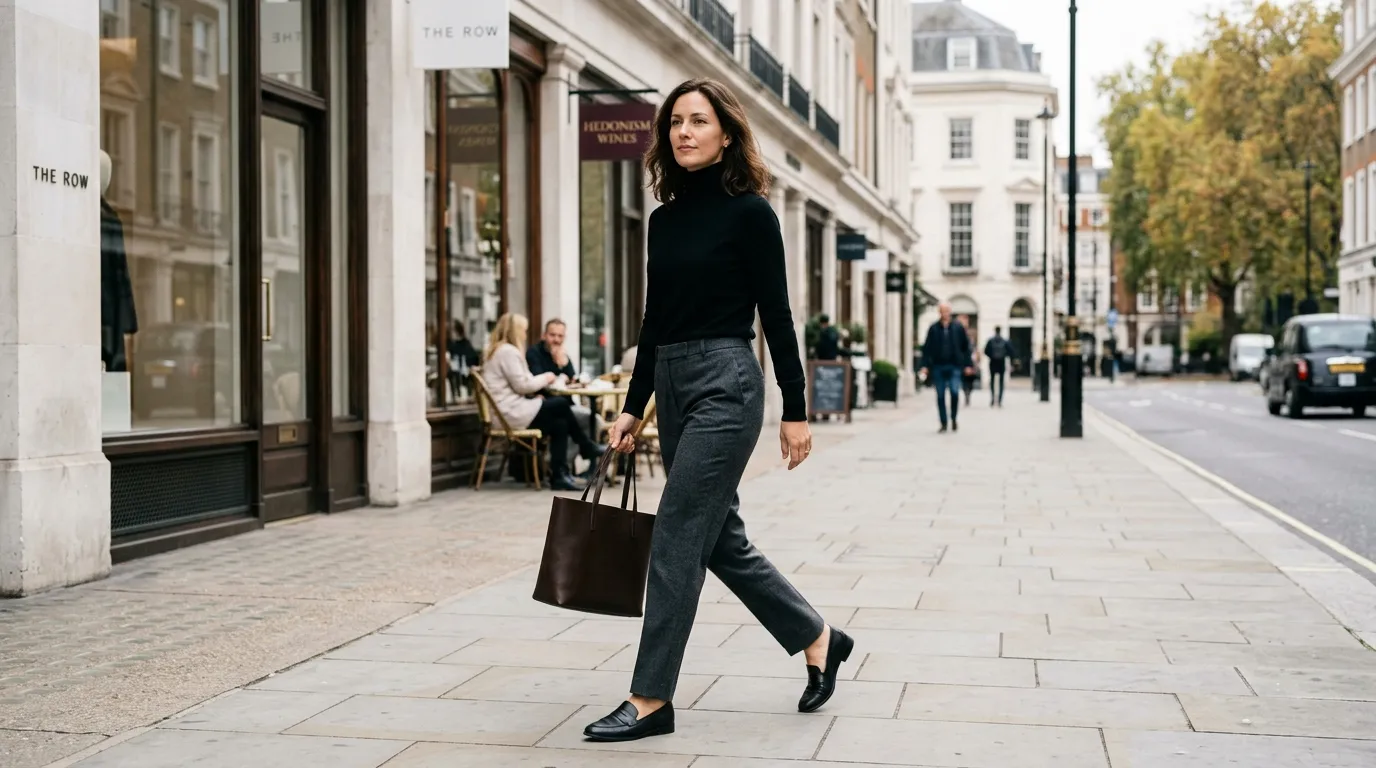
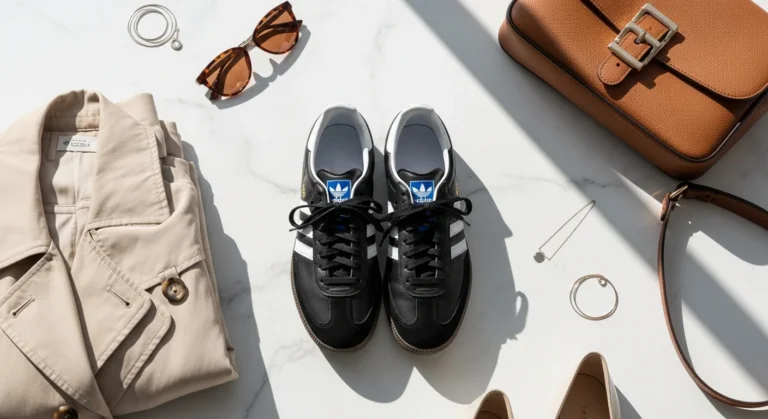
One of the most common misconceptions about looking expensive is that wearing visible brand logos signals wealth. In reality, the most expensive fashion houses have spent decades moving away from conspicuous branding. The aesthetic now associated with genuine luxury is often referred to as quiet luxury, and its defining characteristic is restraint.
Looking expensive requires a classic aesthetic with a modern edge. Gabrielle Arruda Pieces covered in logos, slogans, or brand names tend to communicate the opposite of sophistication, particularly when those logos belong to fast-fashion brands. Choose clean, logo-free garments whenever possible and let the quality of the fabric, the precision of the fit, and the clarity of your color palette speak for themselves.
11. Shop Secondhand and Vintage with Purpose
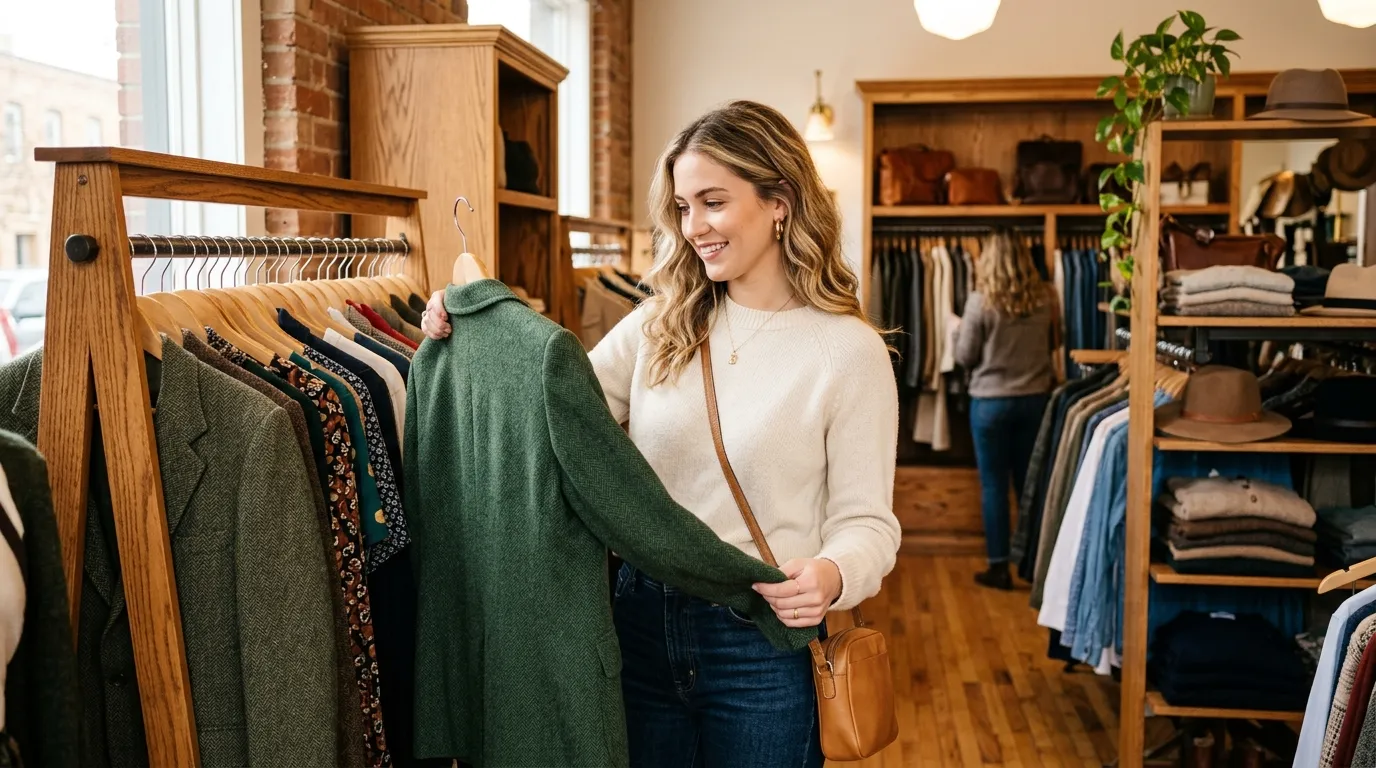
Thrift stores, consignment shops, and online resale platforms have become some of the most valuable resources for anyone trying to look expensive on a budget. Designer and high-quality pieces regularly appear in these spaces at a fraction of their original price. With a trained eye and a little patience, you can build a wardrobe filled with genuinely elevated items for very little money.
The key is knowing what to look for. Focus on fabric quality, construction details, and fit potential. A well-made vintage blazer from a quality brand found at a thrift store will look and feel more expensive than anything purchased new from a fast-fashion retailer. Shopping this way also gives your wardrobe a sense of individuality that mass-market shopping rarely provides.
The Capsule Wardrobe Approach
Closely related to intentional secondhand shopping is the concept of the capsule wardrobe. Closet basics are the pieces that make up the foundation of your wardrobe, otherwise known as a capsule wardrobe. These are the items that should be your investment pieces, the ones you will get the most cost-per-wear from because you will wear them again and again for years to come. ERICA BALL STYLE A capsule wardrobe of well-chosen, versatile basics will always serve you better than a closet full of impulse purchases and trend-driven pieces that quickly feel dated.
12. Carry Yourself with Confidence
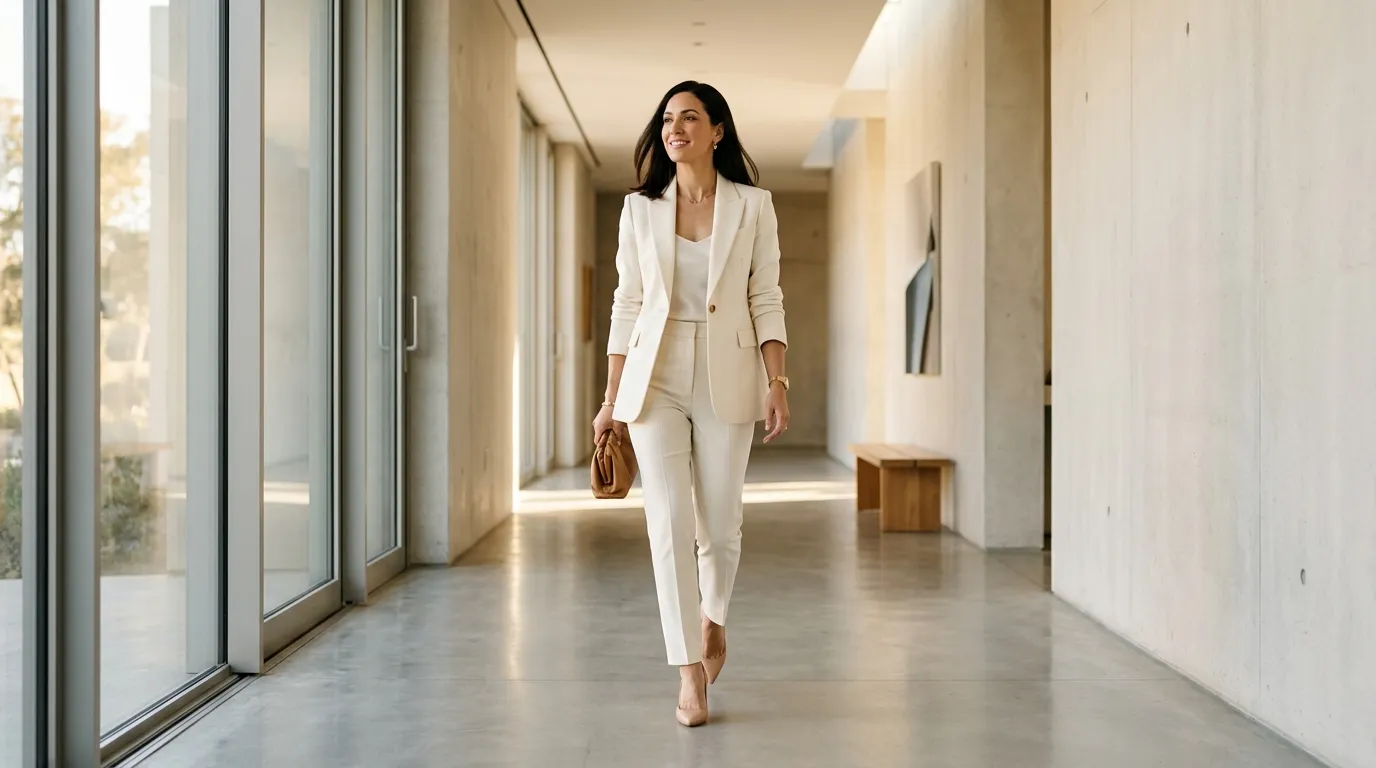
This final point is not a shopping tip or a styling trick, but it may be the most important element on this entire list. Looking expensive is not about chasing luxury; it is about creating a feeling. It is how you wear your clothes, how you move, how you show up. Bad Attitudes
Confidence transforms any outfit. A person who walks into a room with good posture, calm energy, and a quiet sense of self-assurance will always appear more polished than someone who slouches or fidgets regardless of what they are wearing. Your clothing supports the impression you make, but your presence completes it. Dress with intention, stand tall, and let the care you have put into your appearance speak for itself.
Conclusion
Looking expensive on a budget is ultimately a skill, and like any skill, it improves with practice and awareness. The principles covered in this guide, from prioritizing fit and fabric quality to embracing neutral colors, accessorizing with intention, and maintaining your clothes with care, are not complicated. They simply require consistency and a shift in perspective.
You do not need to spend more money to look better. You need to spend more thoughtfully, care for what you already own, and apply the styling principles that have always defined genuine elegance. When you approach your wardrobe this way, the budget stops feeling like a limitation and starts feeling like a creative challenge worth mastering. The result is a version of your style that is polished, refined, and entirely your own.
Frequently Asked Questions
What is the single most important factor in looking expensive on a budget?
Fit is the most critical factor. A perfectly fitting garment, even one purchased from an affordable retailer, always looks more expensive and polished than an ill-fitting designer piece. Spending a small amount on tailoring can transform your entire wardrobe.
Which colors make an outfit look more expensive?
Neutral tones such as camel, ivory, beige, black, navy, and soft gray consistently read as more elevated and expensive than bright or neon shades. Building your wardrobe around these colors makes mixing and matching far easier while maintaining a polished aesthetic.
Is it worth buying cheap accessories or should I invest in better ones?
For accessories, a few well-chosen quality pieces will always outperform a large collection of cheap ones. Focus on timeless items like a simple watch, pearl or gold-tone earrings, and a structured handbag. These pieces elevate every outfit they accompany.
How do I make fast-fashion clothes look more expensive?
Choose solid colors over busy prints, opt for natural fiber blends when available, ensure everything fits well or get it tailored, remove any visible pilling with a fabric shaver, and always steam or iron garments before wearing them.
Does shopping secondhand really help you look expensive on a budget?
Absolutely. Thrift stores and resale platforms regularly carry high-quality and genuine designer pieces at a fraction of their original price. With patience and a trained eye focused on fabric, construction, and fit, secondhand shopping is one of the most effective ways to build an elevated wardrobe affordably. Xonata AI