15+ Winter Blonde Hair Ideas: Stunning Shades and Styles to Brighten Up Your Look This Season
Introduction
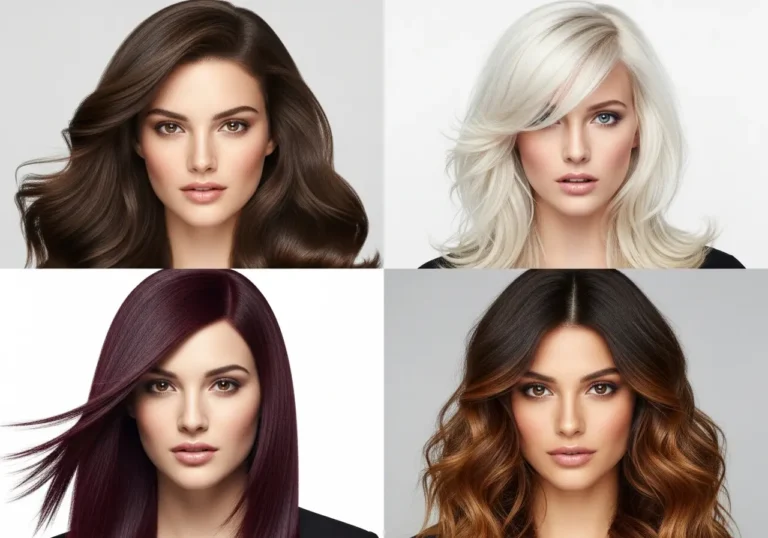
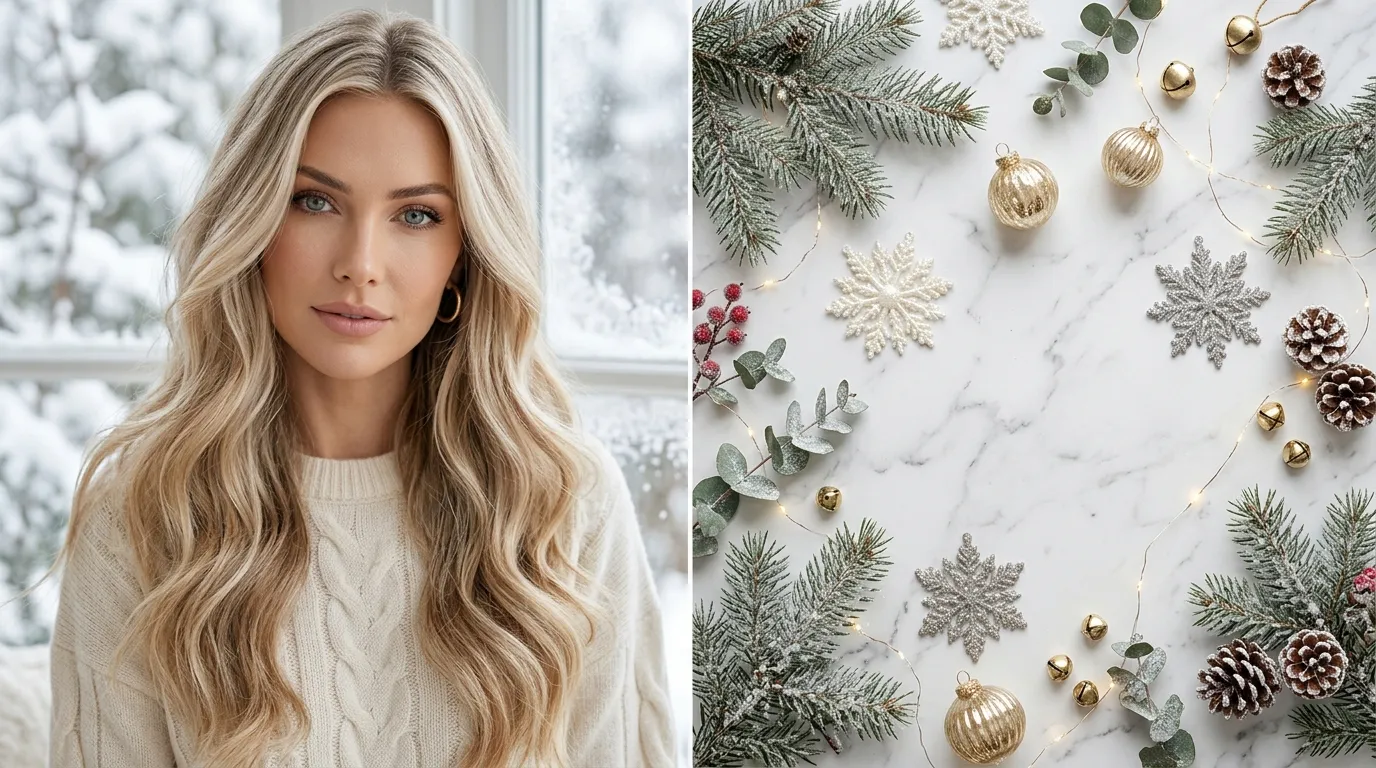
Winter has a reputation for muted palettes and darker hues, but blonde hair refuses to hibernate. From the richest honey and caramel tones that mimic a warm hearthside glow to the crispest icy platinum that calls to mind fresh snowfall, blonde remains one of the most sought-after hair color families throughout the coldest months of the year. The secret lies in choosing the right shade and the right technique for the season rather than fighting against it.
Whether you are a committed blonde looking for a seasonal refresh or someone curious about making the leap for the first time, winter opens up an exciting range of possibilities. The cooler light of shorter days, the cozy fabrics in your wardrobe, and the reduced UV exposure all create the perfect backdrop for blonde shades that feel deliberately crafted rather than washed out. This guide walks you through more than fifteen of the most beautiful and wearable winter blonde hair ideas, packed with styling tips, technique breakdowns, and advice on matching the right shade to your complexion.
1. Why Winter Is Actually a Great Season for Blonde Hair
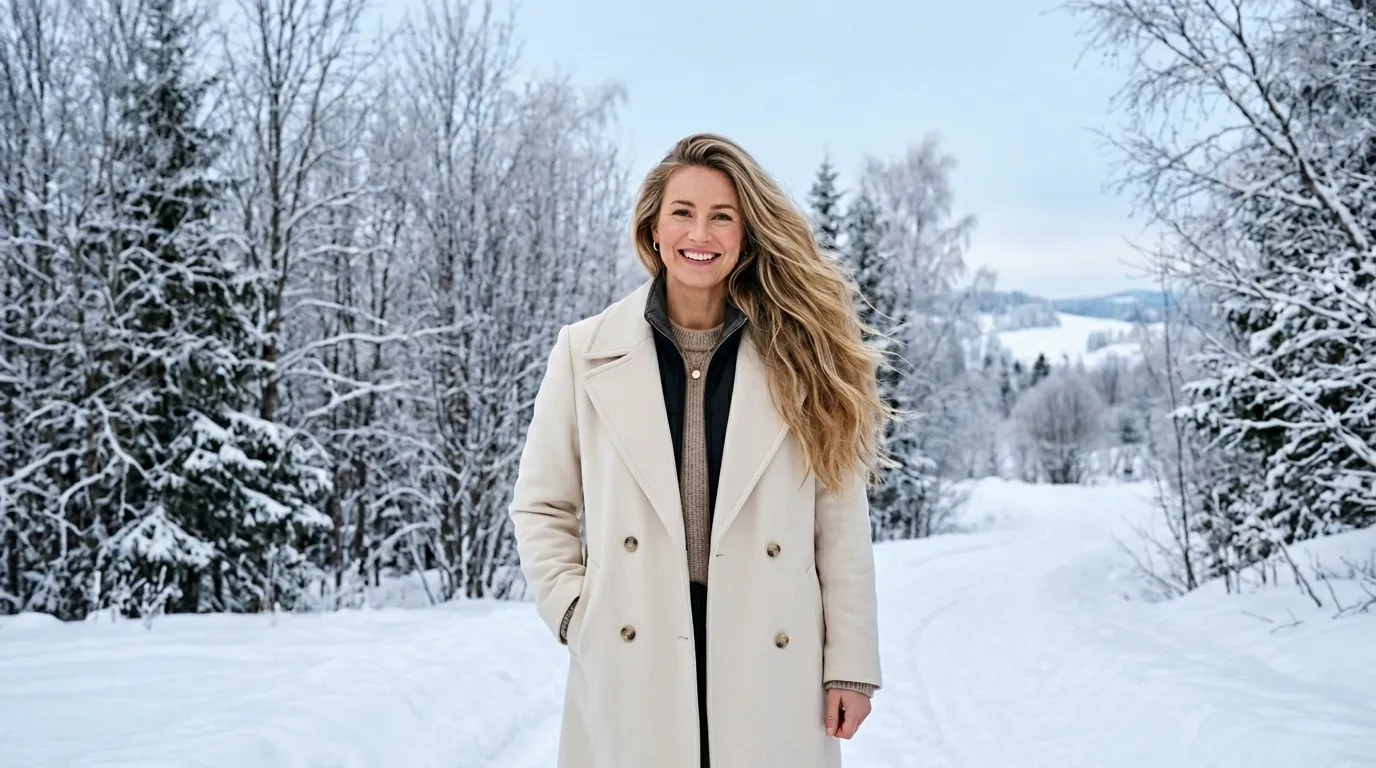
There is a common misconception that winter calls for going darker. While deeper brunettes and rich reds certainly have their moment in the cold months, blonde hair thrives in winter for several compelling reasons. Without the harsh summer sun battering color-treated strands, blonde hair tends to hold its tone longer and look healthier. Reduced UV exposure means less fading and less brassiness, which translates to less maintenance between salon visits.
Additionally, the absence of a natural tan shifts the color relationships on your face. Cool-toned blondes can appear strikingly luminous against paler winter skin, while warm blondes like honey and caramel introduce a flattering radiance that counteracts the dullness the cold season tends to bring to complexions. Stylists consistently note that winter is also the ideal time to experiment because the lower-contrast natural light outdoors lets multidimensional blondes show off their depth beautifully.
2. Icy Platinum Blonde
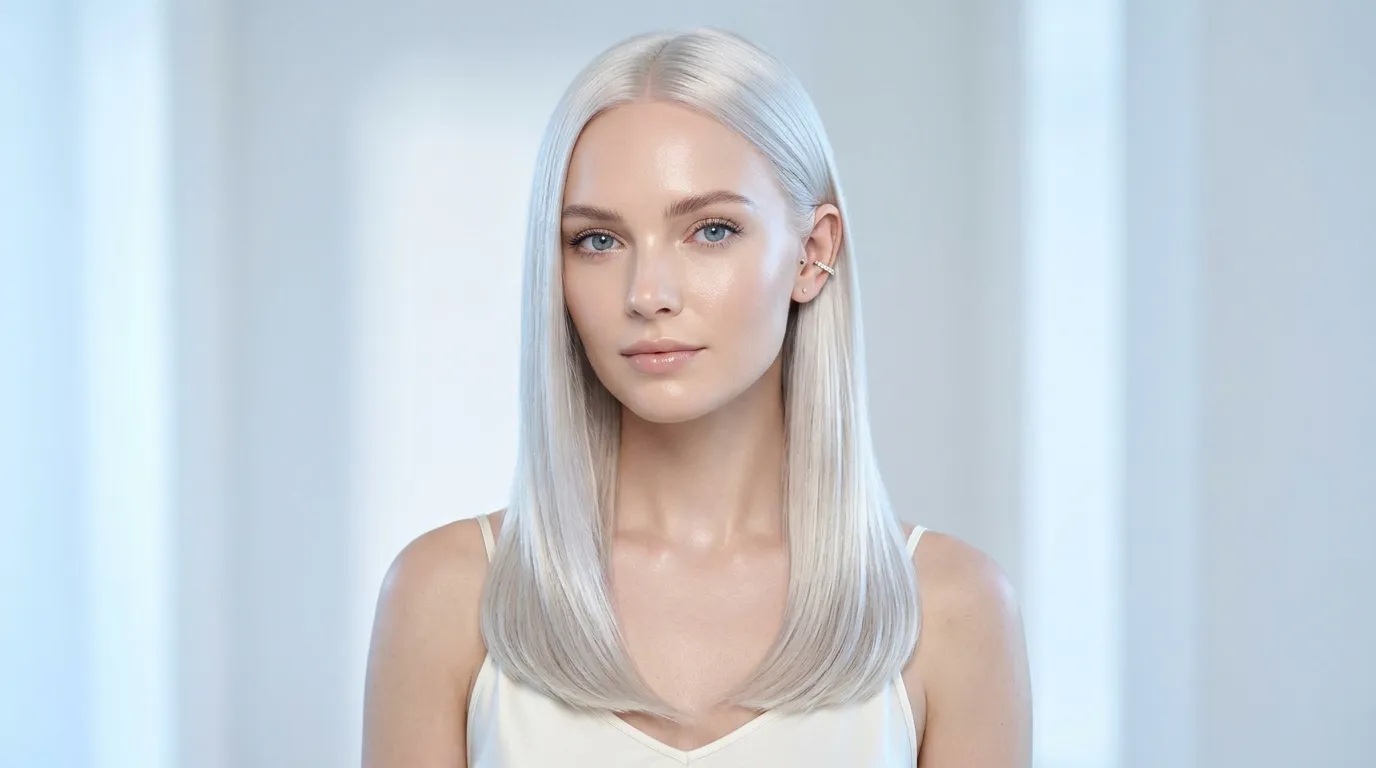
Icy platinum is perhaps the most dramatic statement a blonde can make in winter. This near-white shade sits at the coolest, lightest end of the blonde spectrum and creates a striking, almost ethereal appearance that feels entirely in sync with the winter aesthetic. Think fresh snow, frost on windowpanes, and Nordic landscapes.
Achieving true platinum requires lifting the hair to its lightest possible level and then applying a cool toner to eliminate any remaining yellow or brassy undertones. The result is a glassy, silver-tinted blonde that catches light in a way no other shade can replicate.
Maintenance is the one significant consideration with this look. Colorists recommend returning to the salon every six weeks to refresh the toner and manage root growth, while a quality purple or blue shampoo used once or twice weekly at home will keep unwanted warmth at bay. This shade complements fair to light skin tones particularly well and looks especially striking on those with cool blue, gray, or green eyes.
3. Champagne Blonde
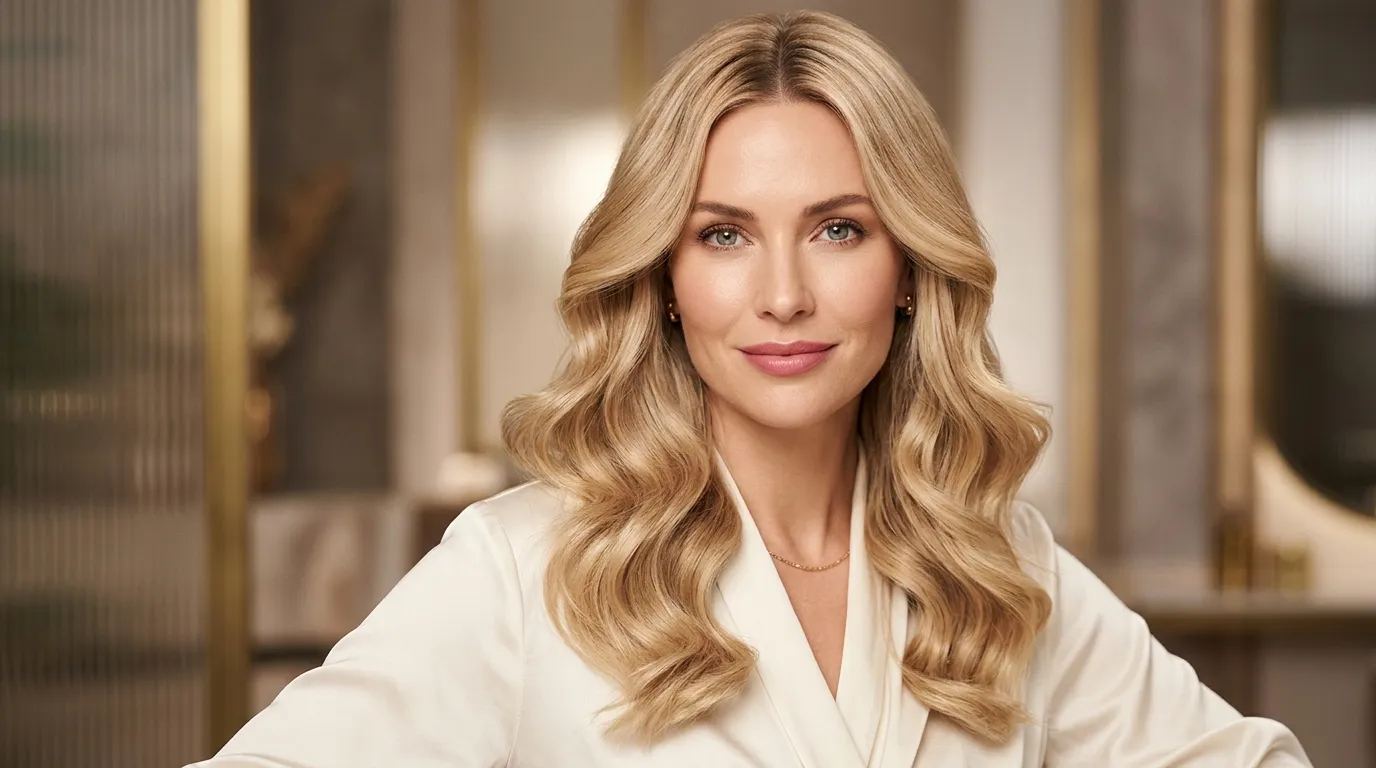
Champagne blonde occupies the sweet spot between warm and cool, offering the elegance of a light blonde without the high-maintenance demands of true platinum. This sophisticated shade carries soft golden and ivory undertones that evoke quiet luxury and a polished, expensive finish.
One of the most flattering aspects of champagne blonde is its versatility across skin tones. When worn with a shadow root, meaning slightly darker roots that blend seamlessly into the lighter lengths, it creates the illusion of density at the crown while maintaining a bright, glowing finish toward the ends. This technique also reduces how frequently you need root touch-ups, making it one of the more practical choices for winter when salon trips may be less frequent.
Champagne blonde pairs beautifully with velvet and silk fabrics, making it a natural complement to the dressier pieces most people reach for during the holiday season.
4. Honey Blonde

Few shades communicate warmth and approachability quite like honey blonde. Characterized by its multi-tonal golden and amber depth, this color draws its inspiration from the natural lightening that occurs when hair is kissed by summer sun, but it translates seamlessly into winter through the richness and warmth it adds to the face.
Honey blonde works particularly well as a balayage application, where the color is painted freehand through the mid-lengths and ends of the hair, leaving a slightly deeper root for dimension and natural-looking regrowth. The result is a lived-in shade that grows out softly, rarely requiring the precision upkeep of a single-process color. For those with warm or olive skin tones, honey blonde is one of the most flattering choices available, as the golden undertones echo and enhance the natural warmth of the complexion.
Finish the look with a glossing treatment at the salon to amplify the honey richness and add the mirror-like shine that makes this shade so distinctly appealing in winter light.
5. Caramel Balayage Blonde
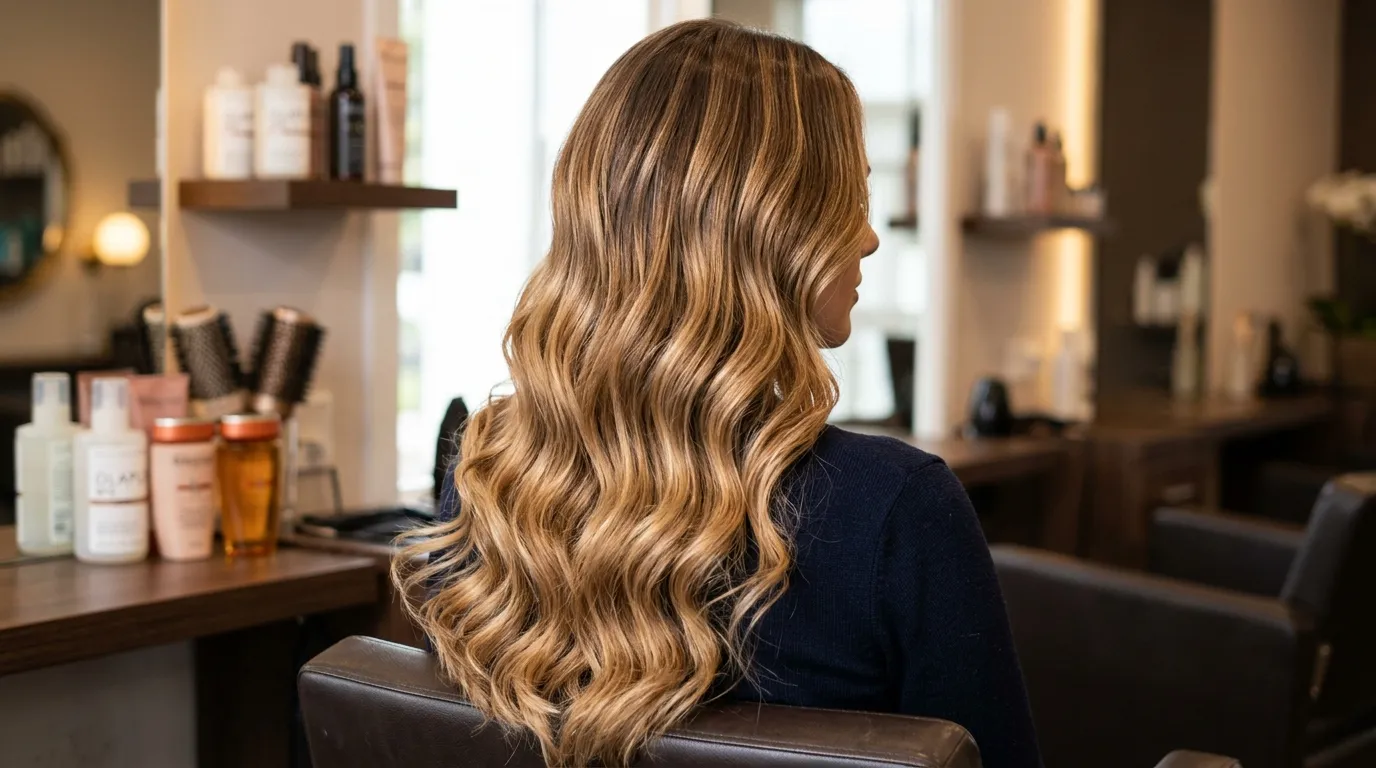
Caramel balayage sits just a step warmer and deeper than honey blonde, bringing buttery brown-gold tones into the picture that feel indulgent and cozy throughout winter. This shade is ideal for those transitioning from a medium blonde or even a light brunette base, as the caramel tones add warmth without requiring the hair to be lifted to an extreme level of lightness.
The balayage technique used to achieve this look creates a natural sun-kissed effect even in the depths of winter. Colorists paint the caramel tones through the mid-lengths and ends of the hair in sweeping, freehand strokes, ensuring the color behaves like natural lightening rather than a block application. Because the roots are left closer to the natural base, regrowth is virtually invisible, making caramel balayage one of the most low-maintenance winter blonde options available.
6. Dimensional Winter Blonde with Lowlights
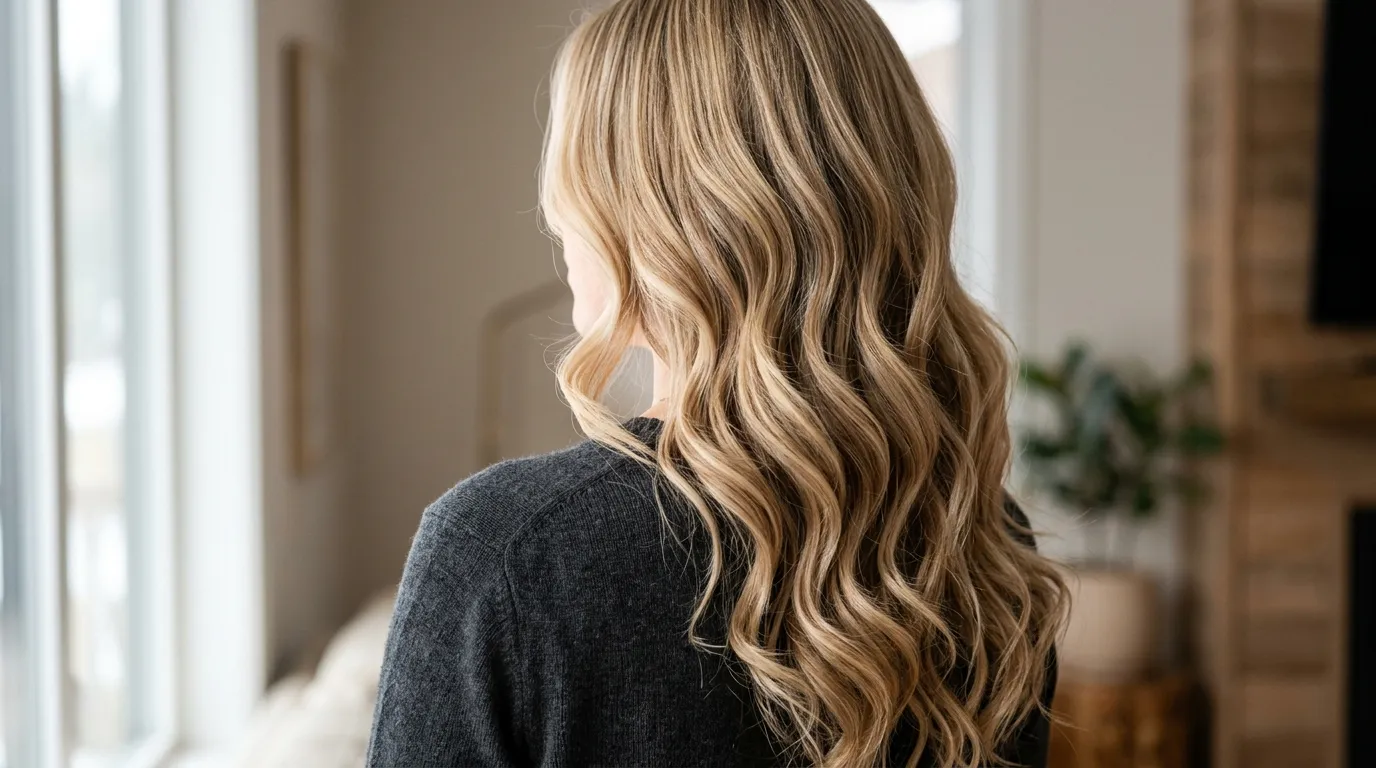
One of the most significant shifts in blonde hair for the winter season involves the addition of lowlights to create depth and dimension. A solid, all-over blonde can look flat during the darker months when light quality changes, but weaving in carefully placed lowlights in shades one to two tones deeper than the base transforms the entire look.
Lowlights for blondes are typically applied in warm beige, soft caramel, or cool taupe shades, depending on the overall direction of the look. The result is hair that appears fuller, more textured, and genuinely multidimensional. Colorists often describe lowlights as giving hair a sense of movement, as though the color shifts and breathes as the person moves. This technique is especially valuable for long, fine blonde hair that can look lifeless without some tonal variation woven through it.
7. Reverse Balayage for Blondes
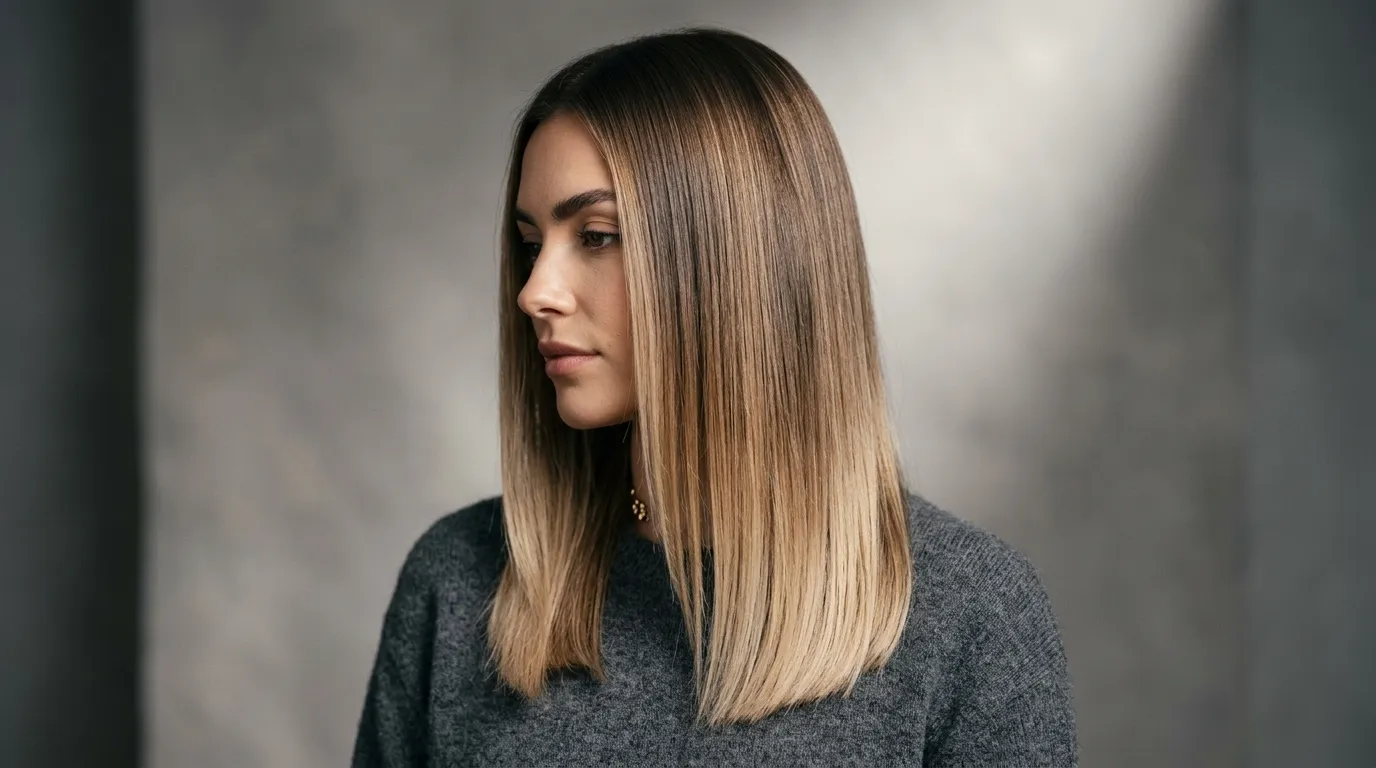
Reverse balayage is the technique of adding darker tones back into lightened hair, and it has become one of the most requested winter services at high-end salons. The process is essentially the opposite of traditional balayage. Instead of painting light tones into darker hair, the colorist paints richer, deeper shades into sections of previously lightened blonde hair.
The outcome is a naturally appearing, lived-in color with a soft gradient that feels organic and modern. For blondes who have accumulated a great deal of lightness over successive appointments, reverse balayage provides a welcome reset that introduces body and richness back into the color. It also significantly reduces the contrast between the root and the ends, which means less obvious regrowth and a longer-lasting result between salon visits.
8. Bronde: The Blonde-Brunette Hybrid
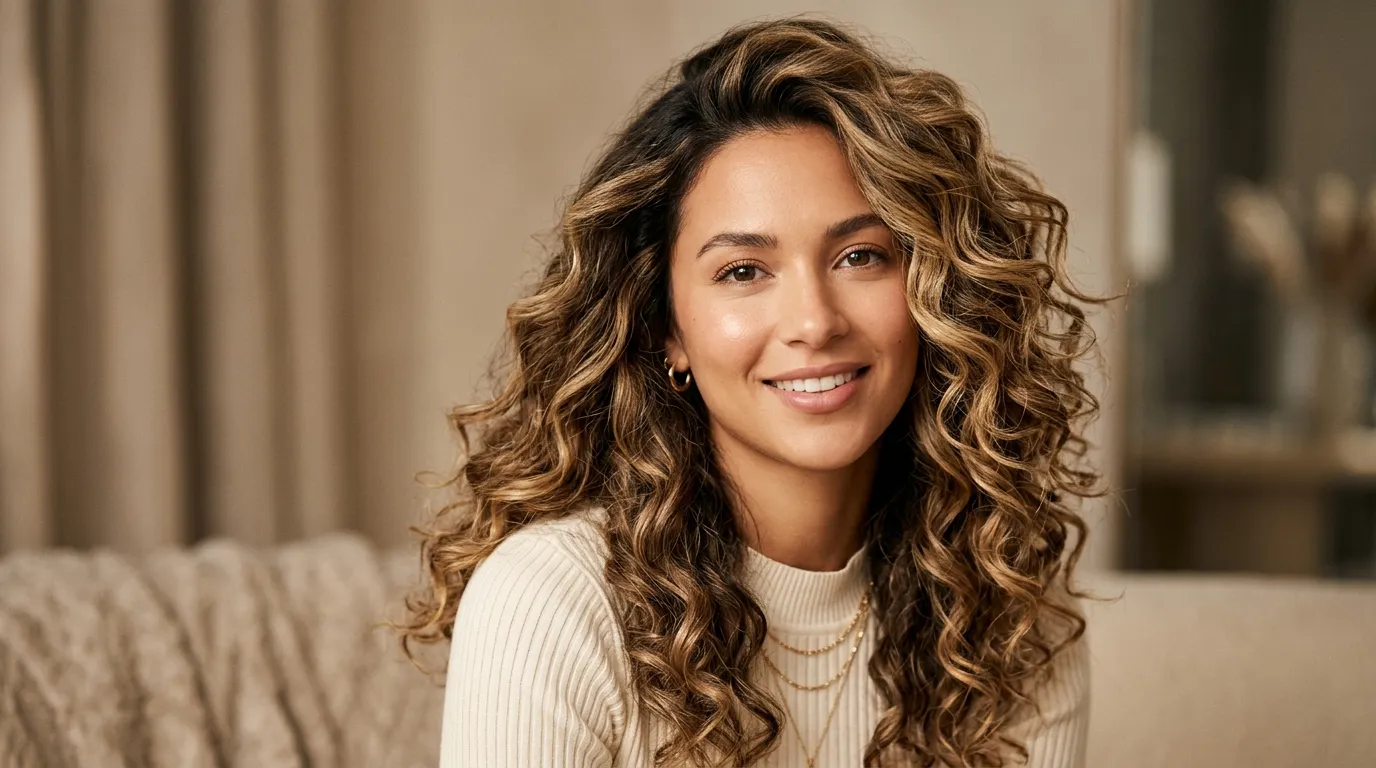
Bronde continues to be one of the most requested shades at salons year after year, and winter is one of the best seasons to explore this blend. The term describes hair that exists seamlessly between blonde and brunette, with neither shade dominating but both contributing to a rich, multidimensional result.To see more ideas do visit Hairs Life.
For winter specifically, bronde works because it satisfies the seasonal instinct toward deeper color while keeping the brightening quality of blonde in the mix. A skilled colorist will typically work a cooler or warmer mid-tone brunette base and blend carefully chosen blonde highlights through sections to create the hybrid effect. The result reads differently depending on the light and the angle, which gives bronde its distinctive dynamic appeal.
9. Strawberry Blonde for Winter
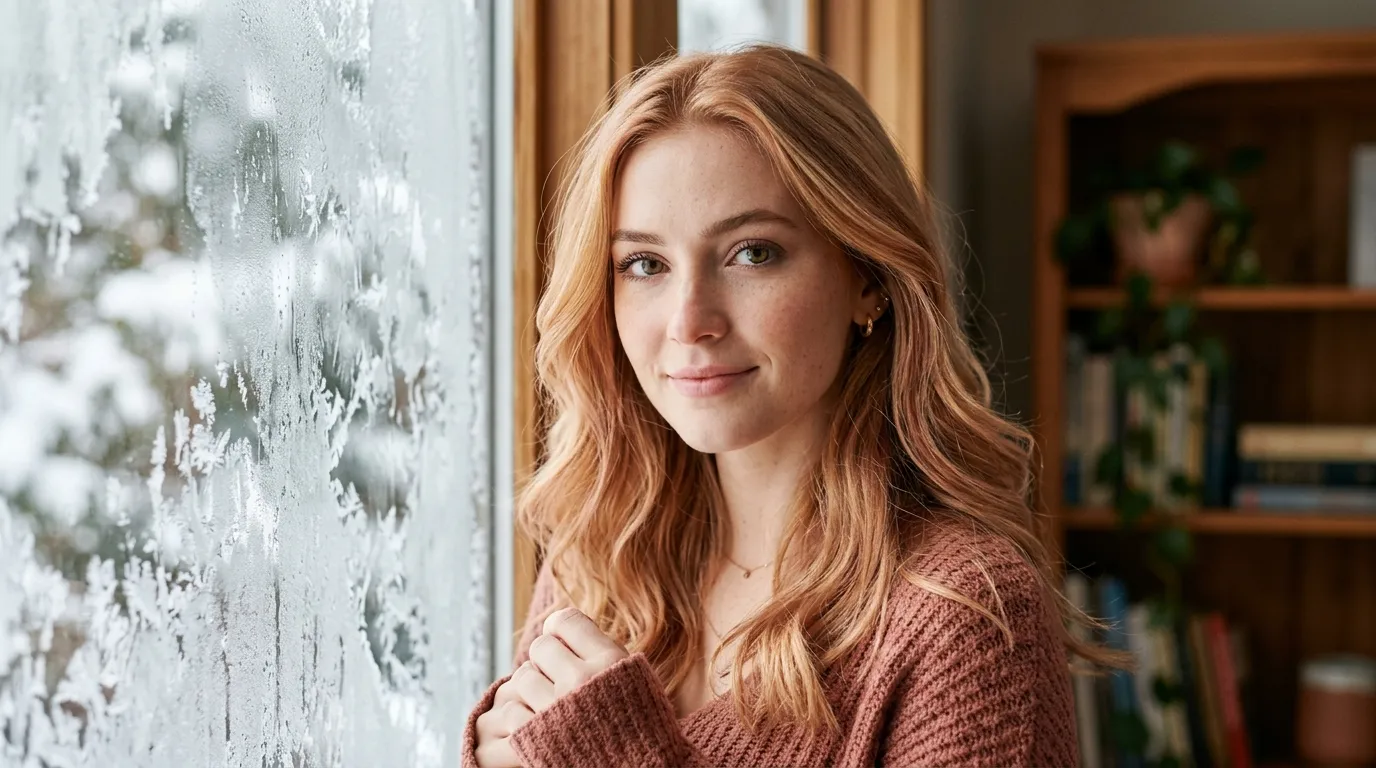
Strawberry blonde introduces a gentle warmth that feels especially appropriate for the season. This shade blends soft yellow-gold tones with subtle red or rose undertones to create a color that is neither fully golden blonde nor fully copper red, but somewhere beautifully in between.
In winter, strawberry blonde works particularly well on fair to medium skin tones with warm or neutral-warm undertones. The rose and peach notes in the shade bring a healthy glow to the complexion during months when the skin can appear dull or pallid. For those with green, hazel, or warm brown eyes, strawberry blonde creates a flattering and harmonious connection between the hair color and the natural eye color.
10. Ashy Taupe Blonde
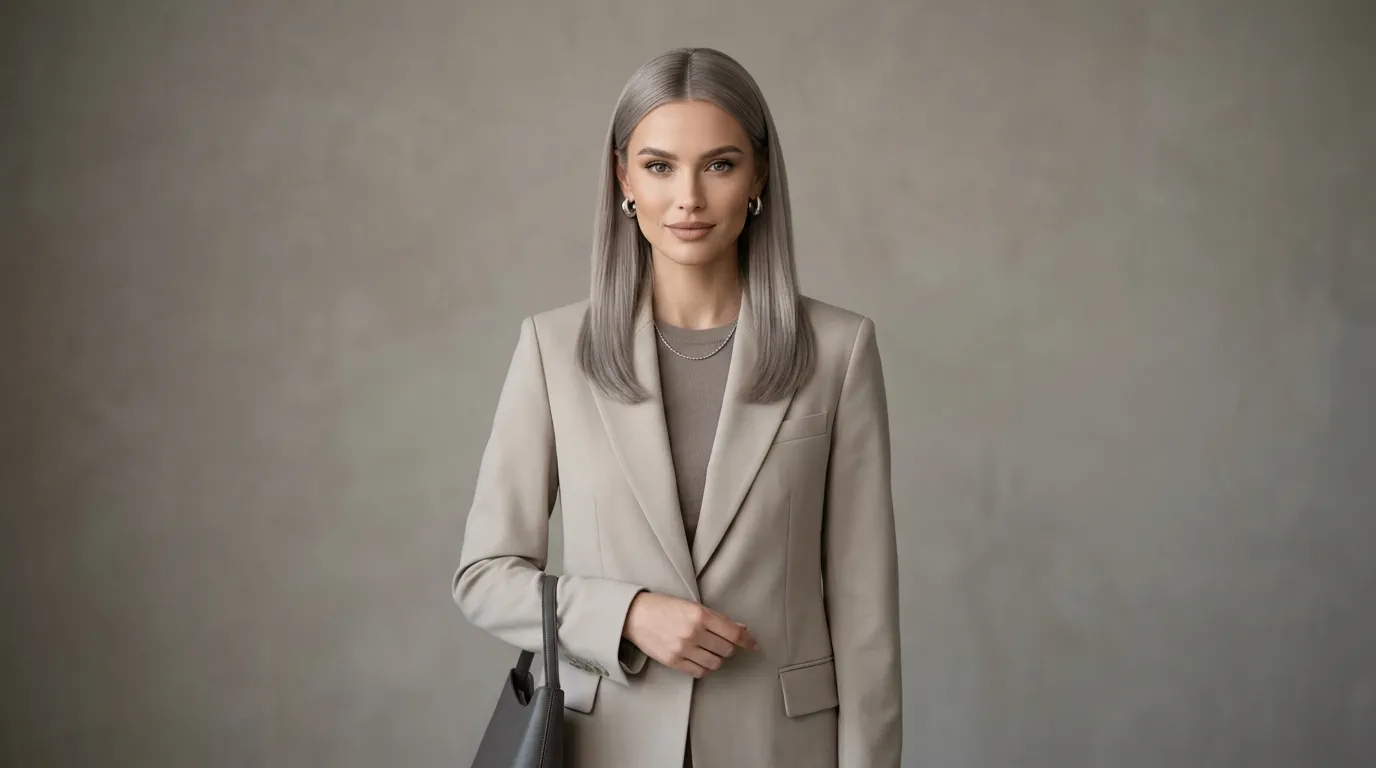
Ashy taupe blonde is one of the most directional and contemporary shades for the winter season. This color sits in the space between a light brunette and a cool blonde, with gray-beige undertones that give it a muted, sophisticated finish. Colorists have described it as resembling the warmth and texture of soft suede or the natural tones of undyed Nordic hair.
The appeal of ashy taupe blonde lies in its understated refinement. It does not read as aggressively blonde or heavily processed, which makes it a natural fit for those who want a change from their usual warm golden blonde but are not ready to commit to a full brunette shift. It is also one of the lower-maintenance shades in the blonde family because the muted root-to-end transition means regrowth is soft and gradual.
11. Buttery Golden Blonde
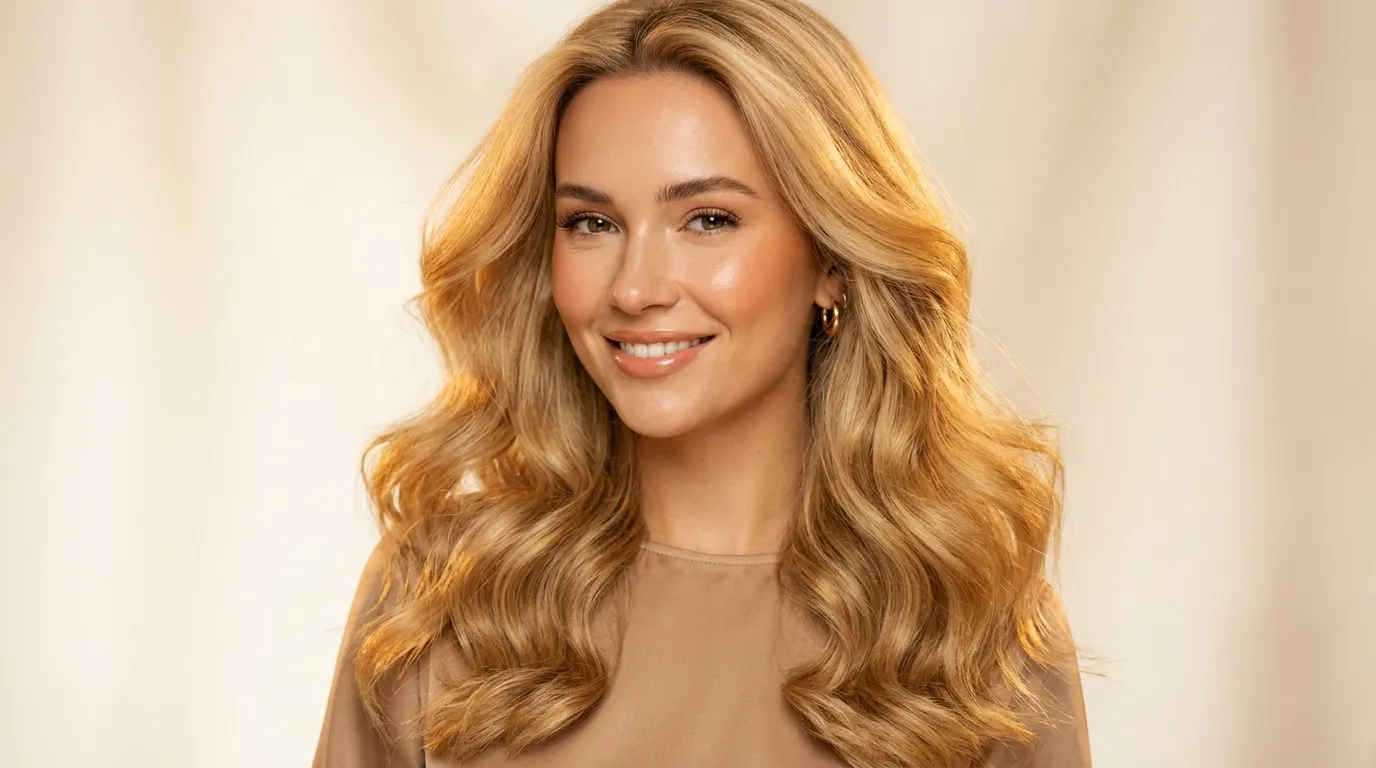
Buttery golden blonde captures the warmth of late afternoon sunlight and translates it into a hair color that feels simultaneously luxurious and approachable. This shade carries rich yellow-gold undertones with just enough depth to prevent it from reading as flat or over-lightened.
In winter, buttery golden blonde works as a warming counterpoint to the cold and gray of the season. Worn on long layers or a textured blowout, this shade has a radiant quality that makes the hair appear almost luminous from within. It is a particularly forgiving color in terms of maintenance because the warm, golden base absorbs toner gracefully and develops a beautiful, lived-in quality as it grows out.
12. Scandinavian Hairline Blonde
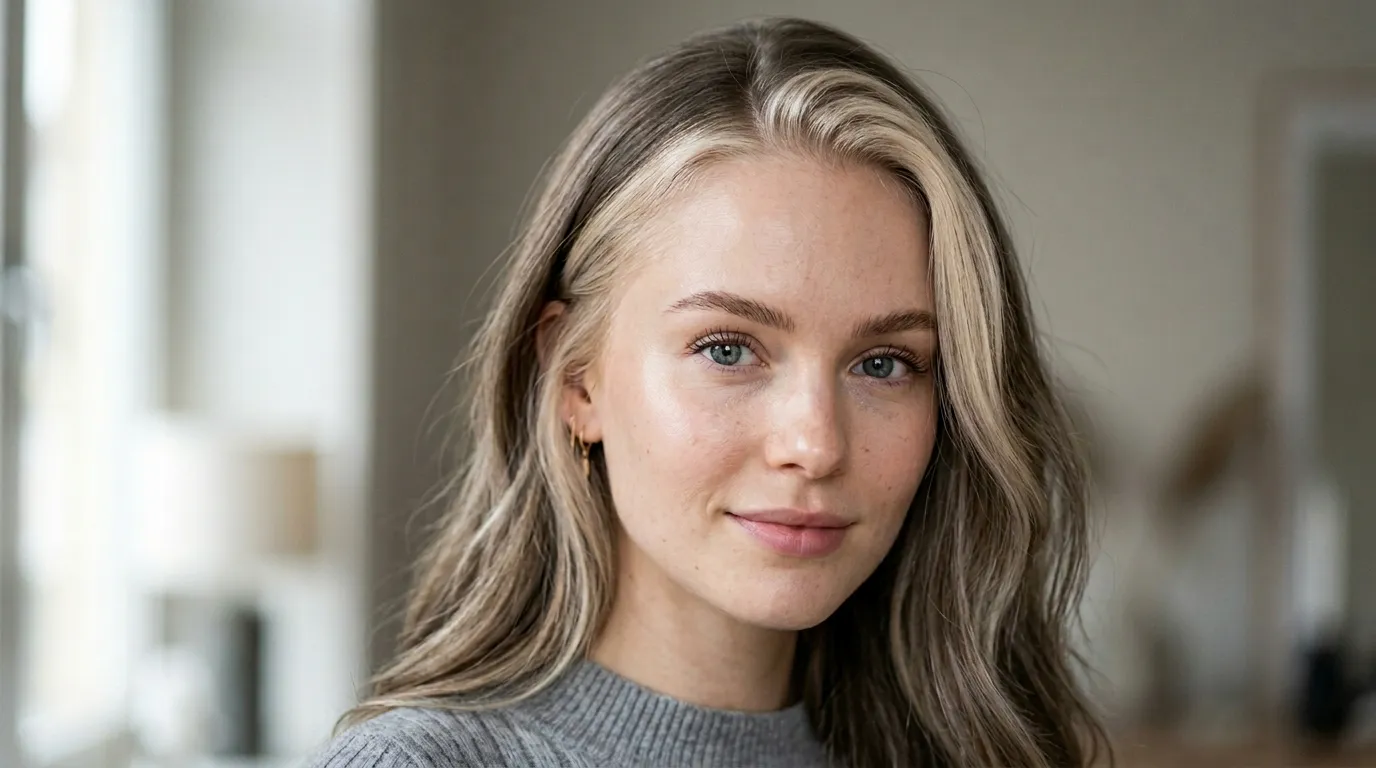
The Scandinavian hairline is a more subtle and targeted blonde technique that has been gaining significant traction. Rather than lightening the entire head of hair, this method focuses lightening specifically around the hairline and parting, creating a soft, luminous frame for the face without the commitment or maintenance of a full balayage.
This approach is ideal for clients who want a brightening effect without a dramatic overall color change. The result is a gentle, natural-looking lift that draws the eye to the face and creates an impression of a naturally lighter blonde at the front of the head. It suits those with cool or neutral-cool undertones particularly well and works beautifully for someone who wants a low-contrast, sophisticated winter blonde.
13. Money Piece Blonde
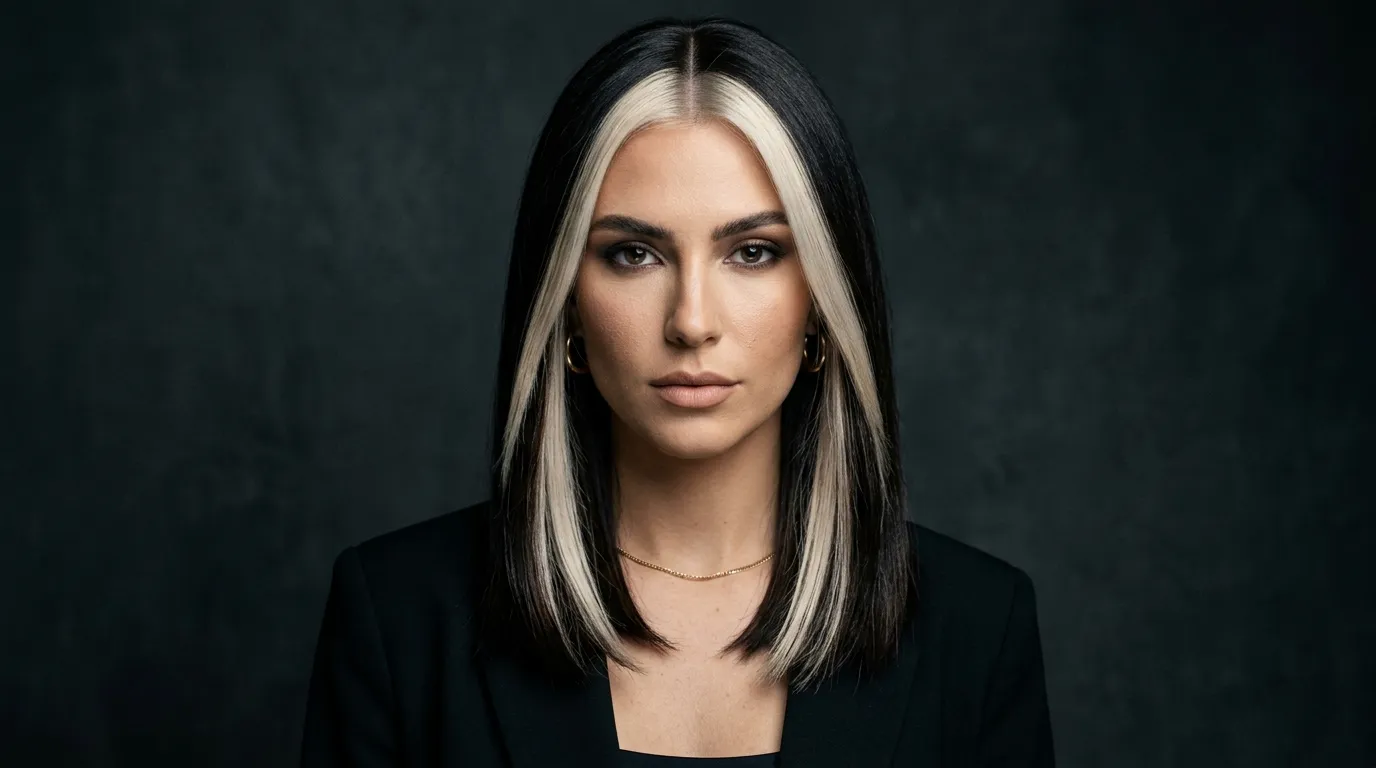
The money piece is a face-framing highlight technique that concentrates lightening on the sections of hair closest to the face, typically the front panels running alongside the cheekbones and jawline. This creates a high-contrast, eye-catching effect that draws immediate attention to the facial features.
For winter, a blonde money piece can be toned to either a bright platinum for a bold statement or a softer, warmer shade for a more wearable everyday look. The contrast between the lightened front sections and the darker base underneath gives the style its distinctive impact, and the technique works beautifully on a range of hair lengths and textures. Money pieces are also relatively easy to maintain because only a small, targeted section of hair requires regular touch-ups.
14. Pearl and Iridescent Blonde
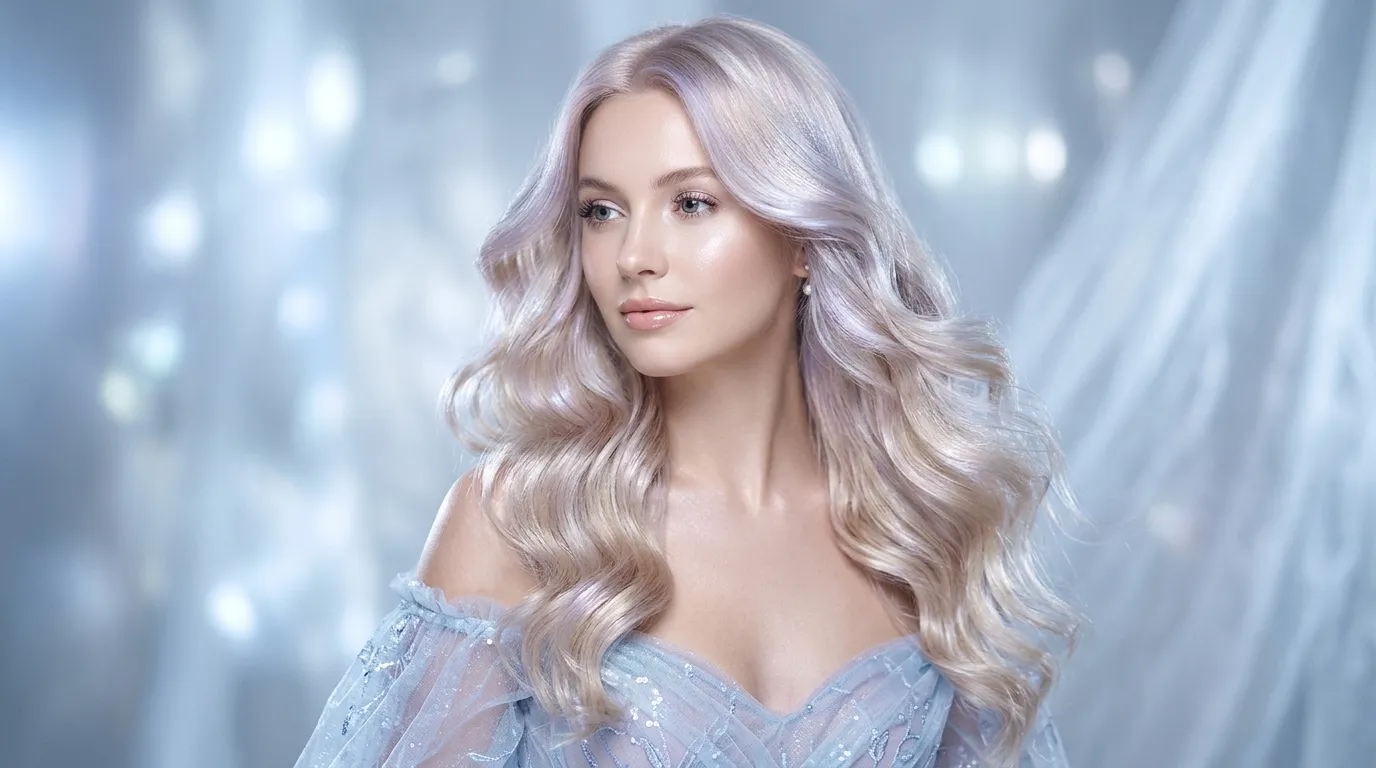
Pearl blonde is a toned, almost translucent shade that sits between cool silver and soft champagne. It carries a faint iridescent quality that makes the hair appear to shift slightly in different lights, which creates a genuinely ethereal effect during the dim, atmospheric light of winter months.
Achieving pearl blonde requires precise toning after the hair has been lifted to a very light base level. The toner used typically contains violet or pearl pigment to cancel warmth and introduce that signature silvery shimmer. Glossing treatments help maintain the luminous quality of the shade between salon visits and prevent the color from becoming dull or yellowing prematurely.
15. Butterscotch Blonde
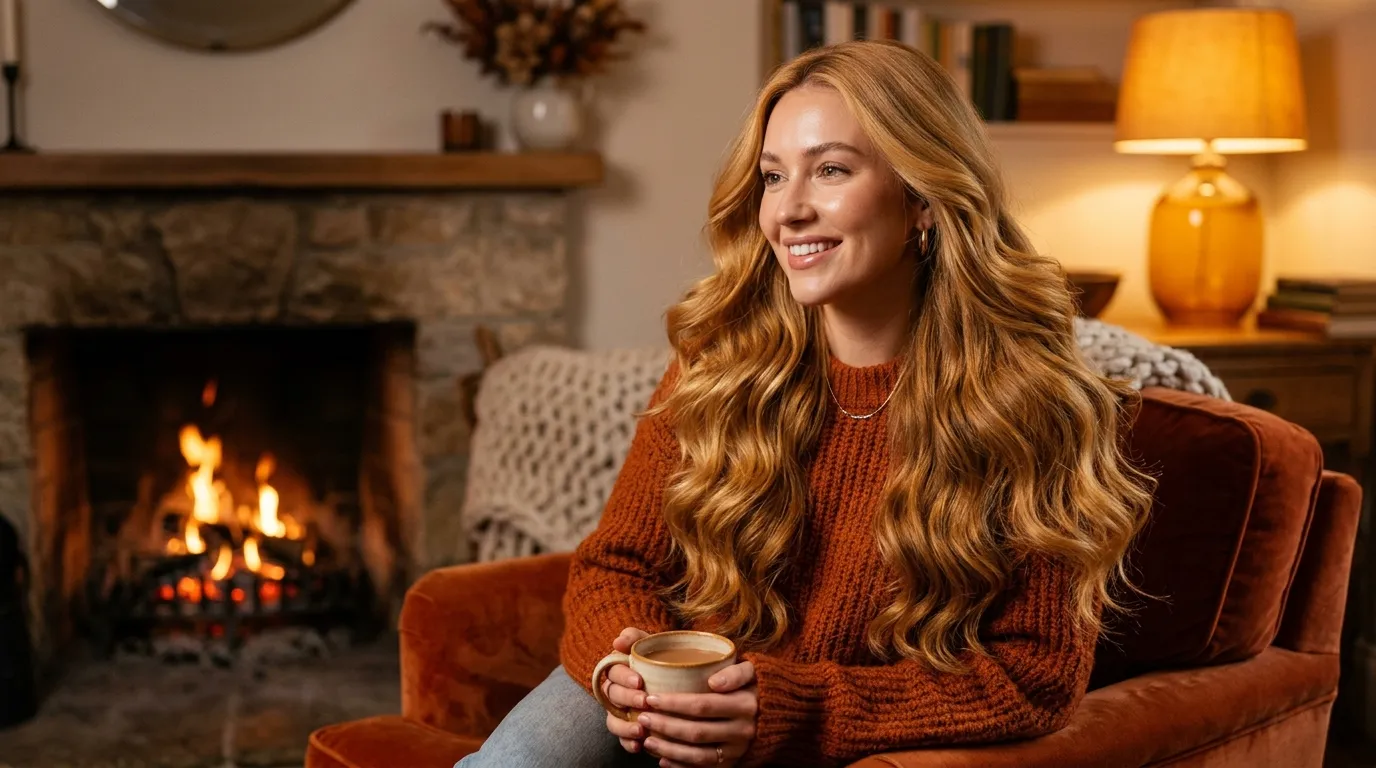
Butterscotch blonde is a warmer, deeper take on caramel that introduces amber and rich golden tones into the mix for a color that feels unmistakably cozy and rich. This shade is particularly effective on medium to long hair because the depth and warmth of the color develop beautifully with length and movement.
Unlike some of the cooler or lighter blondes that require significant toning and maintenance, butterscotch blonde is relatively forgiving. Its warm base means brassiness is less of a concern, and the depth of the shade means regrowth blends naturally. It is one of the most seasonally appropriate choices for winter, as it carries the same warm, amber-toned palette as the season itself.
16. Sandy Blonde with Highlights
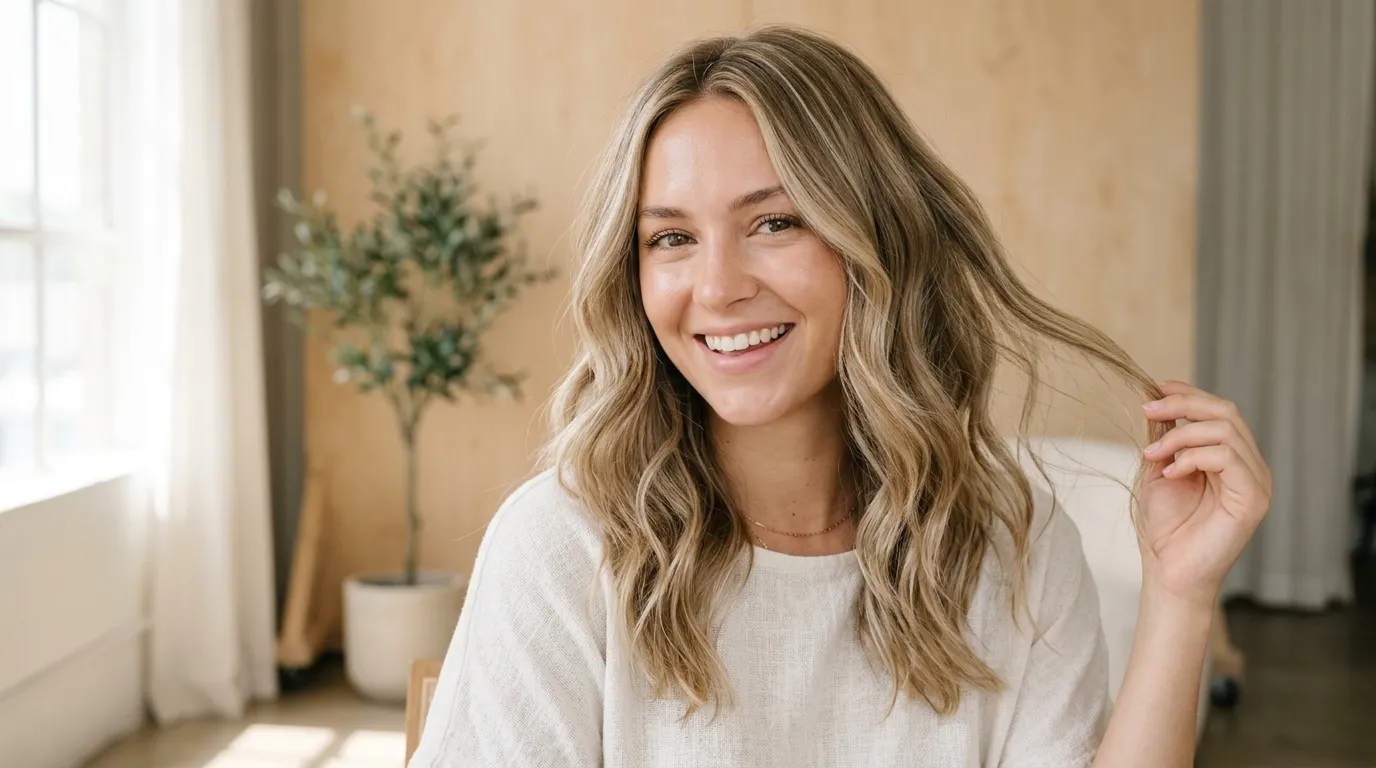
Sandy blonde is a neutral, mid-toned shade that sits comfortably between golden and ash blonde without leaning dramatically in either direction. Its natural, sun-brightened appearance makes it one of the most universally flattering shades available, and the addition of finely scattered highlights introduces the movement and dimension that keeps it from reading as flat.
For winter specifically, sandy blonde with highlights is a natural fit for those who want a classic, low-maintenance look that requires minimal effort between salon visits. The neutral base means the color grows out softly, and the lighter highlights provide just enough contrast to keep the overall look vibrant and alive throughout the season.
How to Choose the Right Winter Blonde Shade for Your Skin Tone
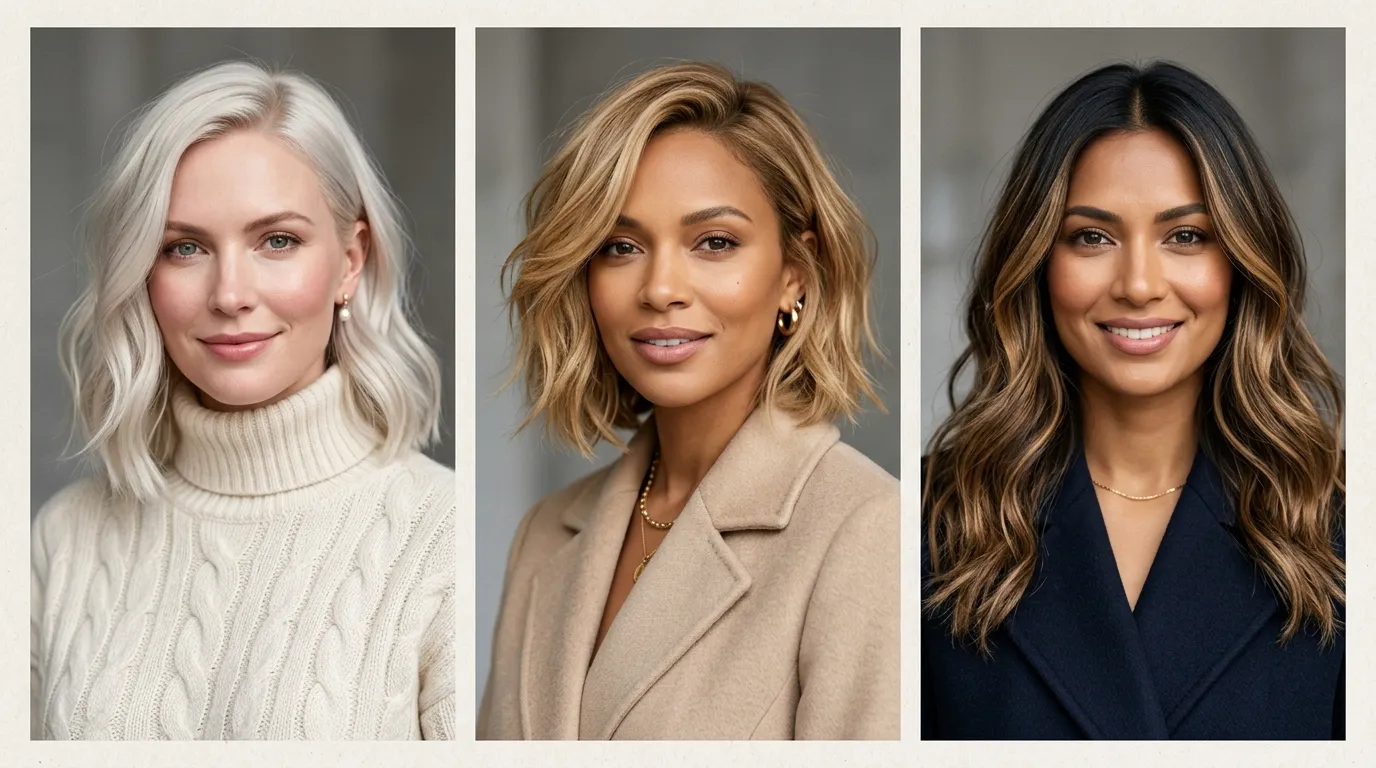
Selecting the most flattering winter blonde shade begins with understanding your skin’s undertone rather than simply its depth. Cool undertones, characterized by pink, red, or bluish hues beneath the skin, pair most naturally with ash blonde, platinum, champagne, and pearl shades. The common cool quality between the skin and the hair color creates harmony rather than competition.
Warm undertones, which appear golden, peachy, or olive beneath the surface, are best complemented by honey blonde, caramel balayage, butterscotch, and strawberry blonde. The shared warmth creates a cohesive and glowing result. Neutral undertones, which fall somewhere between the two, are the most versatile, as they can carry both warm and cool blonde shades depending on the overall effect desired.
How to Maintain Blonde Hair Through Winter
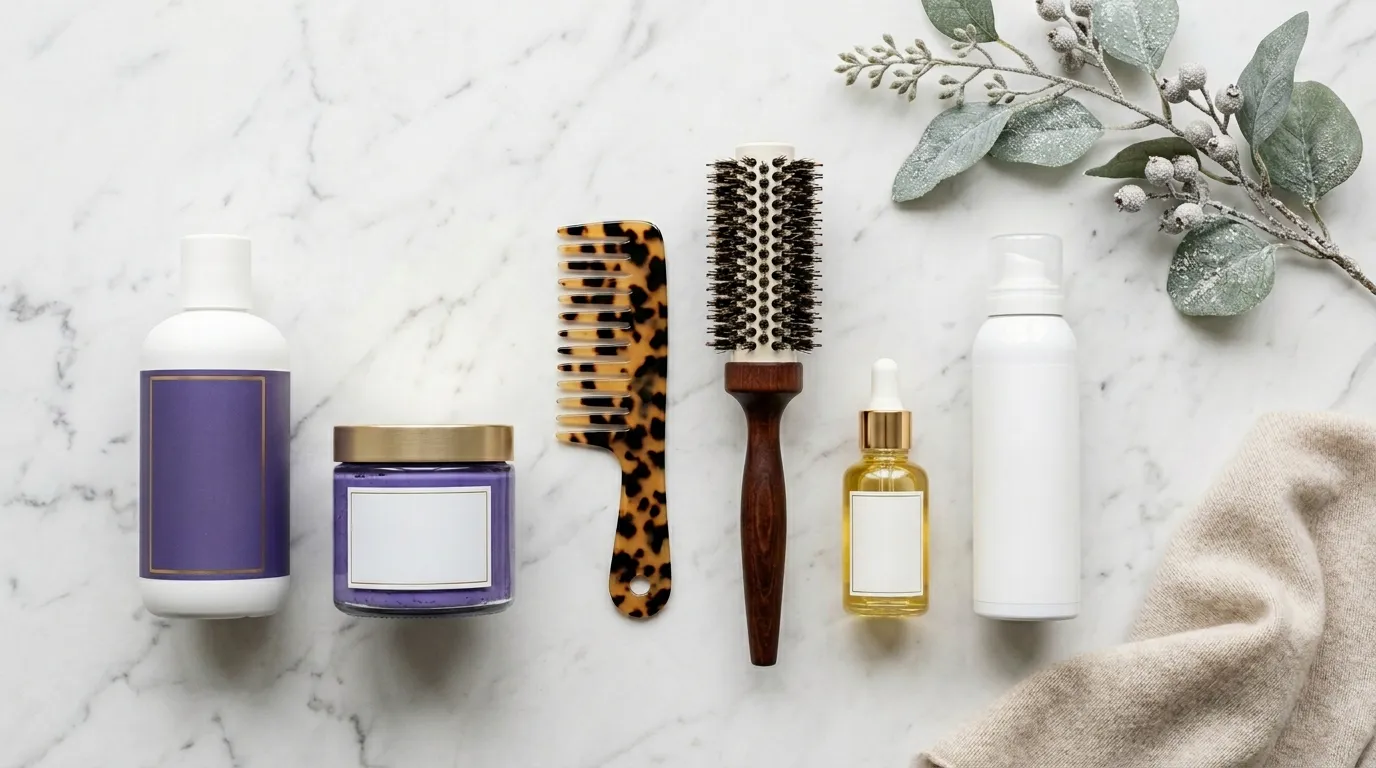
Maintaining blonde hair through winter requires a slightly different approach than during summer. Purple or blue shampoo remains essential for any cool or neutral blonde, used once to twice per week to neutralize the yellow and brassy tones that develop over time. However, overuse can cause the color to appear ashy or dull, so balance is key.
Deep conditioning treatments become especially important in winter because cold temperatures and indoor heating can strip moisture from color-treated strands. A hydrating hair mask applied weekly will preserve the health and shine of the hair and ensure the color continues to look polished and intentional rather than dry and faded.
Glossing treatments at the salon, typically applied every six to eight weeks, restore the reflective surface quality of blonde hair and refresh the tone without the need for a full color service. Finally, minimizing heat styling when possible and using a heat protectant when tools are necessary will significantly extend the lifespan of any blonde shade through the season.
Conclusion
Winter is not a season to retreat from blonde hair. It is a season to refine it. Whether the goal is a bold, icy platinum that commands attention at holiday gatherings, a soft and dimensional honey balayage that introduces warmth on cold mornings, or a sophisticated ashy taupe that reads as quiet and expensive, there is a winter blonde shade for every personality, lifestyle, and skin tone.
The key is working with a skilled colorist who understands the interplay between technique, tone, and texture, and approaching the season not as a reason to abandon blonde but as an opportunity to evolve it. With the right shade choice, proper maintenance, and a commitment to hair health, blonde in winter can be the most beautiful version of the color you have ever worn.
Frequently Asked Questions
Q1: Can I go blonde for the first time in winter?
Yes, winter is actually an excellent time to go blonde for the first time. The reduced UV exposure means less color fading and a more controlled coloring environment. Your colorist can achieve the desired shade in a more predictable way, and the cooler months allow your hair to recover without the added stress of sun and heat.
Q2: What is the most low-maintenance winter blonde shade?
Caramel balayage and sandy blonde with highlights are among the lowest-maintenance options. Both techniques use a blended root that grows out naturally and softly, requiring fewer salon visits than a full highlight or single-process blonde.
Q3: How often should I use purple shampoo on my blonde hair in winter?
Using purple shampoo once or twice per week is generally sufficient for most blondes. Overuse can lead to a dull or overly ashy appearance. On off days, use a moisturizing, color-safe shampoo to keep the hair hydrated and vibrant.
Q4: What blonde shade works best for warm skin tones in winter?
Honey blonde, caramel balayage, butterscotch blonde, and strawberry blonde are all excellent choices for warm skin tones. These shades echo the golden and peachy undertones in the skin, creating a harmonious and naturally flattering result.
Q5: What is the difference between lowlights and reverse balayage for blondes?
Lowlights are darker sections of color applied using traditional foil methods to add depth to lightened hair. Reverse balayage, by contrast, uses a freehand painting technique to add the darker tones, resulting in a softer, more graduated blend without the distinct separation that foils can sometimes create. Both achieve a dimensional winter blonde, but reverse balayage tends to look more natural and seamless. Kärna Dexeris