

Quality Sweatsuits That Don’t Pill For Women (Based On Real Reviews + Research)
Every woman who has purchased a sweatsuit knows the disappointment that follows when those tiny fabric balls begin appearing after just a few washes. One day your comfortable loungewear looks fresh and new, and the next day it resembles something that has been worn for years. This frustrating phenomenon called pilling not only affects the appearance of your favorite sweatsuits but also shortens their lifespan considerably.
The good news is that pilling is not inevitable. Understanding which fabrics resist this common problem and how to properly care for your sweatsuits can make all the difference between an investment that lasts for years and one that disappoints after a few months. Based on extensive research into real customer reviews, fabric science, and expert recommendations, this comprehensive guide will help you identify quality sweatsuits that maintain their smooth appearance wash after wash. Whether you prefer classic jogger sets, wide-leg styles, or cropped designs, the information ahead will equip you with everything needed to make informed purchasing decisions and properly maintain your loungewear collection.
Understanding Why Sweatsuits Pill After Washing

Pilling occurs when fabric fibers break down and tangle together on the surface of your clothing. During normal wear and especially during the washing process, friction causes these fibers to loosen, break, and clump into those annoying little balls that stick to your sweatsuit. The agitation inside your washing machine, combined with heat from the dryer, accelerates this fiber breakdown significantly.
Several factors contribute to pilling in sweatsuits. Low-quality fabrics with short, loosely spun fibers are particularly vulnerable. When your sweatsuit rubs against other garments in the washing machine or experiences friction between the thighs during wear, those weak fibers cannot withstand the stress. High heat from washing or drying further weakens the fabric structure, making it even more susceptible to developing pills. Additionally, certain fabric blends that mix multiple fiber types without proper construction techniques are prone to pilling because different fibers may have varying strengths and react differently to friction.
Understanding these causes helps explain why investing in quality materials and following proper care instructions proves so important. Not all sweatsuits are created equal, and the difference between a pill-resistant garment and one that develops fuzz balls after three washes often comes down to fabric composition and construction quality.
Best Fabric Types That Resist Pilling
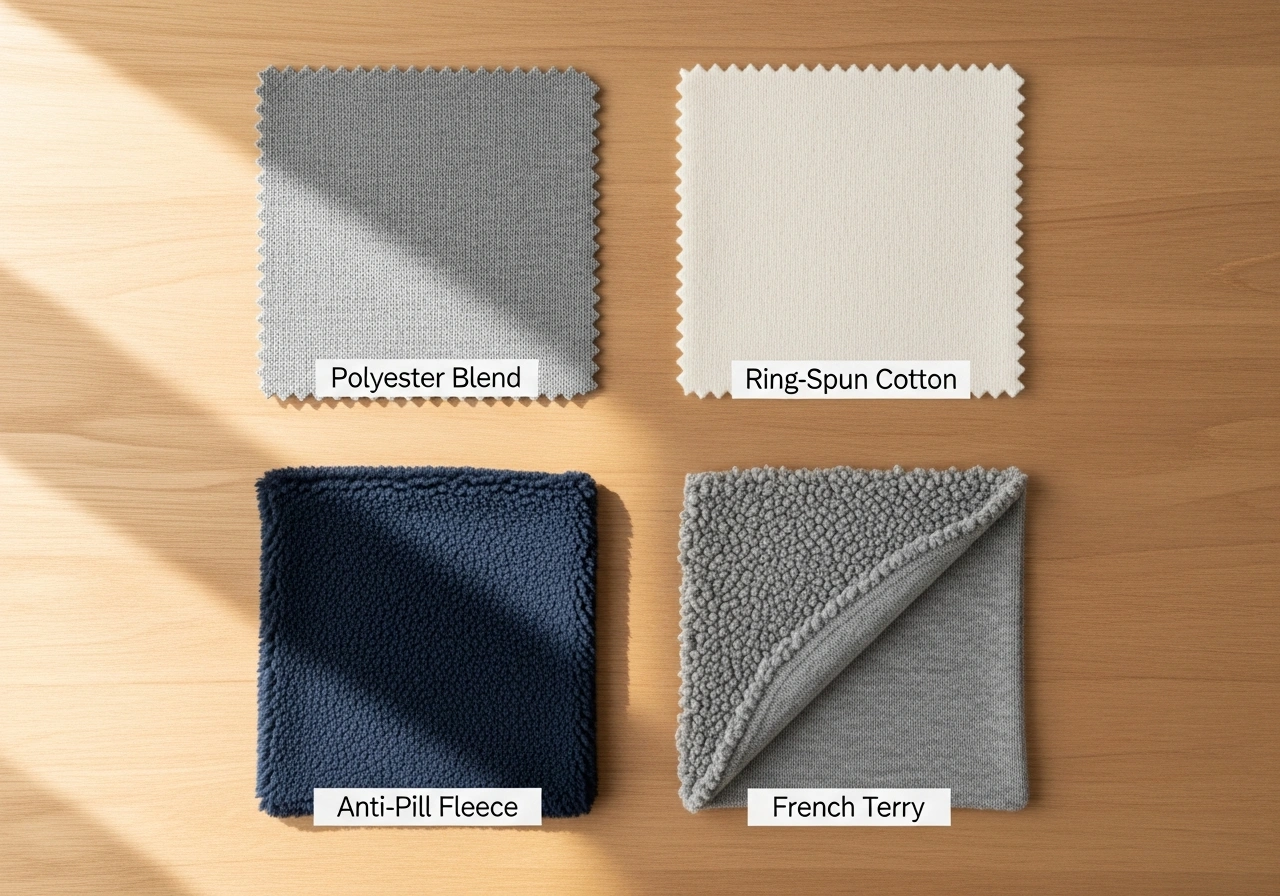
The material composition of your sweatsuit plays the most critical role in determining whether it will pill. Certain fabrics naturally resist pilling better than others due to their fiber length, strength, and weaving patterns.
Polyester blends rank among the top choices for pill-resistant sweatsuits. Synthetic polyester fibers are inherently stronger than natural fibers and maintain their structure through repeated washing. The tightly woven nature of polyester reduces surface friction, and these fibers resist breaking down even with frequent laundering. Many high-quality athletic brands use polyester blends precisely because they combine durability with moisture-wicking properties that keep the fabric smooth and dry.
Ring-spun cotton represents another excellent option for women seeking sweatsuits that resist pilling. Unlike regular cotton, ring-spun cotton undergoes a special manufacturing process that creates longer, more tightly twisted fibers. This construction makes the fabric significantly more durable and less prone to developing pills. The smooth surface of ring-spun cotton feels soft against the skin while maintaining its appearance over time.
Anti-pill fleece has become increasingly popular for winter sweatsuits. This specially treated fabric undergoes surface processing that prevents fiber breakdown. The tightly woven fibers reduce loose threads that typically cause pilling, and the material maintains its smooth appearance through multiple washes. When shopping for cozy fleece sweatsuits, specifically look for products labeled as anti-pill fleece rather than standard fleece.
Cotton-polyester blends offer an ideal balance of comfort and durability. These mixes typically contain 50 to 70 percent cotton for breathability and softness, combined with 30 to 50 percent polyester for strength and pill resistance. This combination provides the best of both worlds, making cotton-polyester blends one of the most recommended fabric types by textile experts.
High-quality synthetic fabrics like nylon and elastane also resist pilling effectively. These materials handle friction better than traditional cotton or low-quality fleece. Their smooth, tight weave minimizes the surface area where pills can form, and the inherent strength of synthetic fibers means they withstand the rigors of washing without breaking down.
French terry fabric deserves special mention as a lightweight option that resists pilling. This knit fabric features loops on one side and a smooth surface on the other, creating a comfortable texture that holds up well over time. Many reviewers praise French terry sweatsuits for maintaining their appearance even after dozens of washes.
Top-Rated Sweatsuit Brands Based on Real Reviews

When searching for sweatsuits that truly resist pilling, brand reputation backed by customer experiences matters immensely. Several brands have earned consistent praise from women who value longevity and quality.
Gap has emerged as a favorite among women seeking affordable yet durable sweatsuits. Their Vintage Soft collection receives particular acclaim, with customers reporting that pieces maintain their smooth appearance even after years of regular wear and washing. The High Rise Boyfriend Joggers paired with their Vintage Soft Raglan Sweatshirt creates a complete set that reviewers describe as the perfect balance of comfort and quality. Many users appreciate that Gap offers petite and tall sizing options, ensuring a proper fit that reduces friction-related pilling.
Abercrombie’s Essential Sunday collection has developed a cult following for good reason. These sweatsuits feature quality materials that customers say resist pilling remarkably well. The Essential Sunday Sweatpants and Essential Raglan Classic Sunday Crew come in numerous color options, and reviewers consistently mention how the cozy interior and quality construction keep these pieces looking new wash after wash.
Aritzia’s Sweatfleece offerings have become legendary in the sweatsuit world. Multiple fashion editors and everyday customers praise these sets for their premium midweight fleece that feels luxurious while resisting the wear and tear that destroys lesser quality sweatsuits. The brand’s attention to fabric quality and construction details translates into pieces that justify their higher price point through longevity.
Monrow stands out for customers seeking stylish prints that actually last. One textile expert noted owning Monrow pieces for years without experiencing pilling, even with regular washing. The brand combines fashionable designs with quality fabric that maintains its integrity, making it a worthwhile investment for women who want their sweatsuits to look good for the long haul.
Athletic brands like Athleta, Vuori, and Alo Yoga offer sweatsuits designed for movement that naturally resist pilling. These companies use performance fabrics engineered to withstand the friction of workouts, which translates into excellent durability for everyday wear. Athleta’s Forever Fleece collection receives top ratings for comfort and performance, with customers noting the fabric holds up beautifully over time.
Budget-conscious shoppers find excellent options at retailers like Walmart and Target. The Athletic Works line from Walmart has surprised many reviewers with its quality relative to price, offering buttery soft fabric that resists pilling better than expected. Target’s All In Motion collection also provides decent pill resistance for everyday wear, though not quite at the level of premium brands.
For luxury seekers, brands like LilySilk and Buck Mason use premium materials that command higher prices but deliver exceptional durability. LilySilk’s Silkerry fabric blends cotton, silk, and nylon to create sweatsuits that regulate temperature while resisting pilling. Buck Mason’s vintage interloop sweatsuits use finest-quality fabrics with attention to fit that results in pieces lasting for years.
Cozy Earth has gained recognition particularly through its inclusion in various “favorite things” lists. Their bamboo-derived fabrics feel incredibly soft while proving durable and breathable. Customers report these pieces resist pilling effectively while keeping body temperature regulated across seasons.
Essential Care Instructions to Prevent Pilling

Even the highest quality sweatsuits require proper care to maintain their pill-resistant properties. How you wash and dry your loungewear has as much impact on longevity as the fabric itself.
Always turn your sweatsuits inside out before washing. This simple step protects the outer surface from direct friction against other garments and the washing machine drum. The inside-out technique reduces surface abrasion that causes fibers to break and form pills. This practice alone can extend the life of your sweatsuits significantly.
Use cold water for washing sweatsuits whenever possible. Hot water weakens fabric fibers, making them more susceptible to breaking down and forming pills. Cold water, ideally around 30 degrees Celsius, cleans effectively while preserving fabric integrity. This temperature also prevents shrinkage and color fading, keeping your sweatsuits looking fresh.
Select a gentle or delicate wash cycle rather than normal or heavy-duty settings. The reduced agitation of gentle cycles minimizes the friction that causes pilling. While your sweatsuits may not seem particularly delicate, treating them gently during washing pays dividends in their appearance over time.
Avoid overloading your washing machine. When clothes are crammed together, they rub against each other excessively during the wash cycle, creating more friction than necessary. Giving your sweatsuits room to move freely in the machine reduces this damaging contact.
Choose mild liquid detergents over powder formulas. Powder detergents can be abrasive on fabric surfaces, while liquid detergents dissolve completely and clean gently. Avoid harsh chemicals and bleach entirely, as these break down fibers and accelerate pilling. For particularly delicate fabrics like cashmere or merino wool blends, consider detergents specifically formulated for those materials.
Skip the fabric softener or use it sparingly. While fabric softener can reduce friction and static, it may weaken synthetic fibers over time. If you do use fabric softener, apply it conservatively and consider alternatives like white vinegar for natural softening without chemical buildup.
Air drying proves ideal for maintaining sweatsuit quality. Lay sweatsuits flat to dry or hang them away from direct sunlight to prevent fading. The tumbling action and heat of dryers contribute significantly to pilling by roughing up fabric fibers. If you must use a dryer, select the lowest heat setting and remove items while still slightly damp to finish air drying.
Wash sweatsuits with similar fabrics only. Avoid mixing them with rough materials like jeans, towels, or items with zippers and hooks that can snag and damage the softer sweatsuit fabric. Sorting laundry by fabric type reduces friction from mismatched textures rubbing together.
Consider using mesh laundry bags for especially delicate or valuable sweatsuits. These protective bags create an additional barrier that reduces friction during the wash cycle. This extra step proves particularly useful for sweatsuits made from premium materials or those with special details like rhinestones or embroidery.
Reduce washing frequency when possible. Sweatsuits worn for lounging at home often do not require washing after every wear. Spot clean minor stains and air out your sweatsuits between wears to minimize the number of wash cycles they endure over their lifetime.
What to Look for When Shopping for Quality Sweatsuits

Selecting the right sweatsuit requires attention to several key factors beyond just appearance and price. Understanding what separates quality pieces from those destined to pill quickly helps you make smarter purchasing decisions.
Check the fabric composition tag first. Look for materials that include the pill-resistant fabrics discussed earlier: polyester blends with at least 30 percent synthetic content, ring-spun cotton, anti-pill fleece, or cotton-polyester combinations. Avoid sweatsuits made entirely from low-grade cotton or basic fleece without anti-pill treatment.
Examine the fabric weave and feel. Quality sweatsuits have tightly woven or knitted fabric that feels substantial rather than thin or loosely constructed. Run your hand across the surface; it should feel smooth and dense. Loosely woven fabrics with visible gaps between threads will pill quickly regardless of fiber content.
Read customer reviews specifically for mentions of pilling. Real user experiences provide invaluable insights into how sweatsuits hold up after multiple washes. Look for reviews from customers who have owned pieces for several months, as pilling issues typically emerge after repeated wearing and washing rather than immediately.
Consider the price-to-quality ratio. While expensive does not always guarantee quality, extremely cheap sweatsuits often use inferior materials that pill rapidly. Mid-range to higher-priced sweatsuits from reputable brands generally use better fabrics and construction methods that resist pilling. However, several budget brands offer surprising quality, so thorough research pays off.
Look for double-needle stitching and quality construction details. Well-made sweatsuits feature reinforced seams and careful construction that indicates overall attention to quality. Brands that invest in proper stitching typically also invest in better fabrics.
Check for anti-pill labels or descriptions. Many manufacturers specifically label their sweatsuits as anti-pill or pill-resistant when they use treated fabrics or special construction techniques. This labeling provides a quick indicator of whether the manufacturer has considered pilling in their design.
Evaluate the fit and style. Sweatsuits that fit properly without excessive bunching or tightness in friction zones like the thighs experience less wear-related pilling. Looser fits in high-movement areas reduce the constant rubbing that breaks down fibers.
Consider the intended use. If you plan to wear your sweatsuit primarily for lounging at home, you have more flexibility in fabric choices than if you need performance wear for workouts or outdoor activities. Athletic sweatsuits designed for active use typically resist pilling better due to their performance fabric construction.
Research brand reputation for quality and durability. Some brands have built their reputations on creating long-lasting pieces, while others focus on fast fashion with lower durability expectations. Brand research reveals which companies prioritize quality over quick turnover.
Look for specific features like air-jet yarn construction in sweatshirts and joggers. This manufacturing technique creates softer fabric with reduced pilling tendency. Brands that specify these technical details in product descriptions generally produce higher quality pieces.
Alternative Solutions When Pilling Occurs
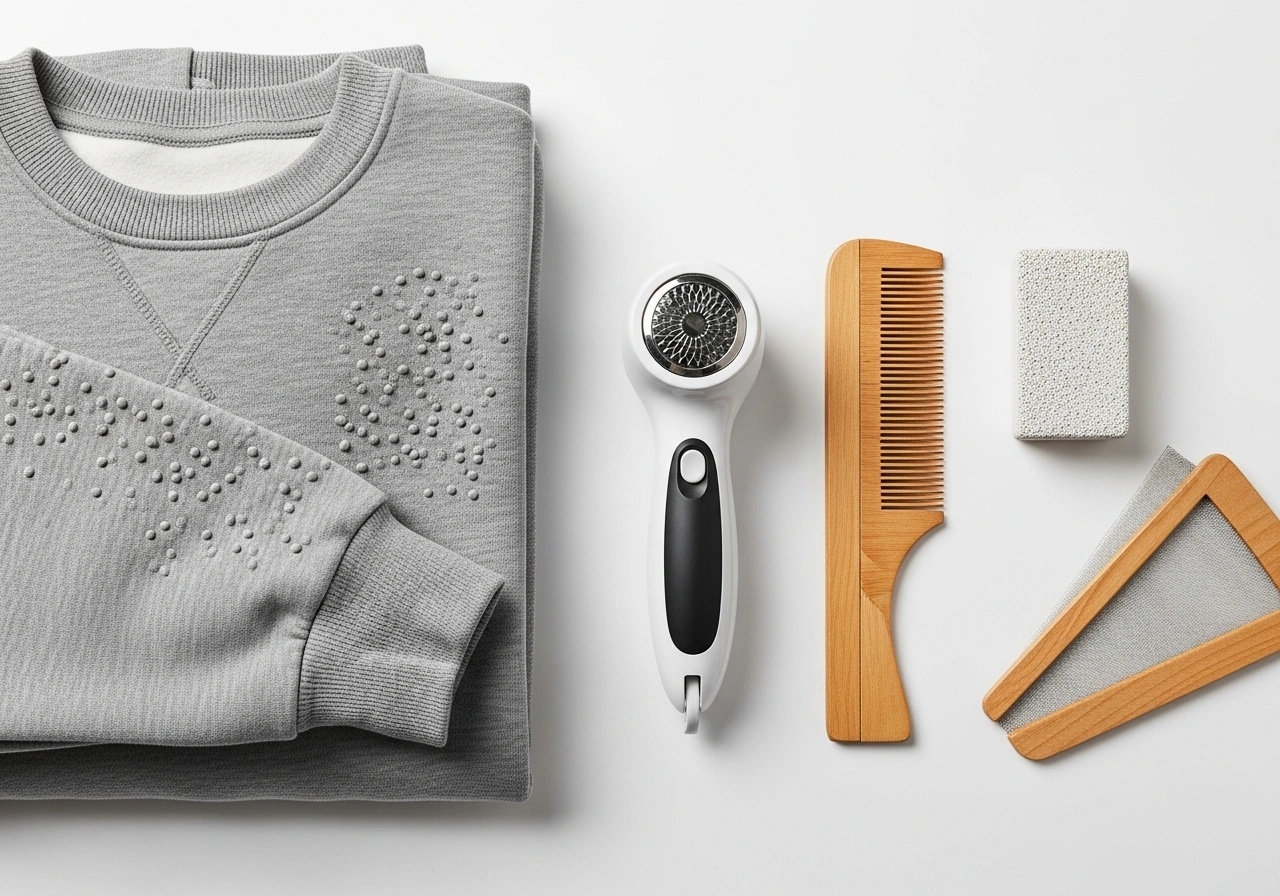
Despite your best efforts in selecting quality sweatsuits and caring for them properly, some pilling may eventually occur with regular wear. Several effective methods exist for removing pills and restoring your sweatsuits to a smooth appearance.
Fabric shavers or pill removers represent the most efficient solution for removing existing pills. These battery-operated devices gently cut away the fuzz balls without damaging the underlying fabric. Use light pressure and work in small sections, allowing the shaver to do the work rather than pressing hard. Quality fabric shavers can restore even heavily pilled sweatsuits to near-original condition.
Sweater combs or sweater stones offer gentler alternatives for delicate fabrics. These tools carefully lift and remove pills through a combing or abrading action that is less aggressive than shavers. They work particularly well on loosely knit fabrics or materials that might be damaged by electric shavers.
In a pinch, a clean disposable razor can remove pills effectively. Lay the sweatsuit flat on a hard surface, pull the fabric taut, and gently shave in short, light strokes. Avoid pressing too hard, as excessive pressure can cut through the fabric itself. This method works best for small areas rather than entire garments.
For visible pills, careful hand removal sometimes proves sufficient. Pinch the pill at its base and gently pull it away from the fabric. This labor-intensive method works for light pilling but becomes impractical for extensive pill coverage.
Lint rollers or adhesive tape can pick up surface pills and loose fibers, though they work best for very light pilling rather than firmly attached pills. Roll or press the adhesive surface against the sweatsuit to lift away fuzz and restore a cleaner appearance.
Remember that removing pills treats the symptom rather than the cause. If your sweatsuits are pilling excessively despite proper care, the fabric quality may be insufficient, and investing in better-quality pieces will prove more satisfactory in the long run.
Understanding the Relationship Between Price and Quality

The sweatsuit market spans an enormous price range, from budget sets under thirty dollars to luxury options exceeding several hundred dollars. Understanding what influences these price differences helps determine whether higher-priced options truly offer better pill resistance.
Fabric quality represents the primary factor affecting price. Premium materials like ring-spun cotton, anti-pill fleece, and technical synthetic blends cost more to produce than basic cotton or standard polyester. Brands using superior fabrics must charge more to cover material costs while maintaining profit margins.
Construction methods also influence pricing. Sweatsuits with reinforced seams, double-needle stitching, and careful finishing require more labor and expertise than basic construction. These quality details contribute to overall durability and pill resistance but increase production costs.
Brand positioning affects pricing beyond just material and construction quality. Designer brands command premium prices partly due to brand prestige, while mass-market retailers offer lower prices through economies of scale and streamlined production. However, some mid-range brands deliver quality comparable to designer options at more accessible price points.
The sweet spot for quality sweatsuits that resist pilling typically falls in the mid-range pricing tier. Brands like Gap, Abercrombie, and Target’s better lines offer good fabric quality and construction at prices between fifty and one hundred dollars per piece. These options provide significantly better pill resistance than budget alternatives while remaining affordable for most shoppers.
Budget sweatsuits under thirty dollars per piece occasionally surprise with decent quality, particularly from retailers like Walmart’s Athletic Works line. However, these options generally use lower-grade materials that pill more quickly than mid-range alternatives. They may prove acceptable for occasional wear but typically disappoint for frequent use.
Luxury sweatsuits priced over one hundred fifty dollars per piece often justify their cost through exceptional fabric quality, superior fit, and extended longevity. Brands like Aritzia, LilySilk, and Buck Mason use premium materials that resist pilling exceptionally well. For women who wear sweatsuits frequently and value longevity, these investments often prove worthwhile despite higher upfront costs.
Seasonal Considerations for Sweatsuit Selection

Different seasons call for different sweatsuit characteristics, and understanding these variations helps you select options that resist pilling while meeting comfort needs year-round.
Winter sweatsuits benefit from heavier fabrics like anti-pill fleece or thick cotton-polyester blends. These materials provide warmth while resisting the increased friction from layering under coats or wearing thicker pieces. French terry proves too lightweight for winter in most climates, while mid-weight fleece offers ideal warmth without excessive bulk.
Spring and fall sweatsuits work well in medium-weight fabrics that transition easily between indoor and outdoor temperatures. Cotton-polyester blends in moderate weights provide versatility, and French terry becomes more practical during these temperate seasons. Look for pieces that layer well without adding too much warmth.
Summer sweatsuits require lightweight, breathable fabrics that prevent overheating while still providing comfort. Thin cotton-polyester blends or bamboo-derived fabrics offer cooling properties while maintaining pill resistance. Summer sweatsuits see less wear overall, reducing pilling risk, but cheap materials still pill quickly even with limited use.
Climate considerations matter as much as season. Women in consistently warm climates benefit from investing in lightweight, breathable sweatsuits year-round, while those in colder regions need heavier options for extended winter wear. Coastal areas with high humidity require fabrics that wick moisture effectively to prevent the dampness that accelerates pilling.
Conclusion
Finding sweatsuits that resist pilling requires understanding fabric composition, proper care techniques, and which brands consistently deliver quality. The frustration of watching favorite loungewear develop unsightly fuzz balls after just a few washes can be avoided through informed purchasing decisions and diligent care practices.
The foundation of pill-resistant sweatsuits lies in selecting proper materials. Polyester blends, ring-spun cotton, anti-pill fleece, and cotton-polyester combinations significantly outperform basic cotton or low-quality fleece in maintaining smooth appearances over time. These fabrics combine strength, tight weaving, and fiber length that naturally resist the breakdown causing pilling.
Proper care amplifies the benefits of quality materials. Washing sweatsuits inside out in cold water on gentle cycles, avoiding overcrowded machines, air drying when possible, and using mild detergents all contribute to extended garment life. These practices require minimal extra effort while delivering substantial returns in sweatsuit longevity.
Brand selection matters tremendously in the quest for quality sweatsuits. Customer reviews and real-world experiences reveal which brands consistently deliver pill-resistant pieces. While premium brands like Aritzia and Monrow command higher prices, mid-range options from Gap and Abercrombie provide excellent quality at more accessible price points. Even budget-conscious shoppers can find decent options through careful research and attention to fabric composition.
Remember that completely avoiding pilling may prove impossible with any fabric over extended time. However, choosing quality materials and following proper care instructions can extend the period before pilling occurs from weeks to years. The difference between a sweatsuit that looks worn after a month and one that maintains its appearance for several years often comes down to these fundamental choices.
Investing in quality sweatsuits and caring for them properly ultimately saves money by reducing replacement frequency. The true cost of a sweatsuit includes not just its purchase price but how long it remains wearable. A seventy-dollar sweatsuit lasting three years provides better value than a twenty-dollar option requiring replacement every six months.
By applying the knowledge shared in this guide, you can build a sweatsuit collection that remains comfortable, attractive, and pill-free through countless washes and wears. Quality materials, proper care, and informed brand selection combine to ensure your loungewear investment delivers satisfaction for years to come.
You may also like this post:15 Winter Hair Color Ideas: Transform Your Look with Trending Shades for a Stylish Season Ahead
Frequently Asked Questions
What is the best fabric for sweatsuits that don’t pill?
Cotton-polyester blends containing 50 to 70 percent cotton combined with 30 to 50 percent polyester offer the best balance of comfort and pill resistance. Anti-pill fleece, ring-spun cotton, and high-quality synthetic fabrics like polyester also resist pilling effectively. Avoid 100 percent basic cotton or loosely woven fleece without anti-pill treatment.
How do I wash sweatsuits to prevent pilling?
Turn sweatsuits inside out before washing, use cold water, select gentle cycles, and avoid overloading your machine. Wash with similar fabrics only, use mild liquid detergent, skip high heat drying, and air dry when possible. These practices significantly reduce pilling by minimizing friction and fiber damage during laundering.
Can I remove pilling from sweatsuits that already have it?
Yes, fabric shavers, sweater combs, or careful use of a disposable razor can remove existing pills from sweatsuits. Fabric shavers work most efficiently for removing many pills quickly, while sweater combs prove gentler for delicate fabrics. Prevention through proper care remains more effective than removal.
Are expensive sweatsuits always better at resisting pilling?
Not necessarily. While premium brands often use better materials that resist pilling, some mid-range options from brands like Gap and Abercrombie deliver comparable quality at lower prices. Focus on fabric composition and customer reviews rather than price alone when evaluating pill resistance.
How long should quality sweatsuits last before pilling?
Well-made sweatsuits from quality materials should maintain their smooth appearance for at least one to two years with regular wear and proper care. Premium options can last three years or longer. If pilling occurs within the first few months despite proper care, the fabric quality is likely insufficient. Ziskovum





One Comment