
10 Stylish Ways To Hide Your Tummy (And Still Look Amazing!)
Finding outfits that make you feel confident and comfortable is one of the most empowering aspects of personal style. If you carry weight around your midsection or simply want to create a more streamlined silhouette, understanding which clothing styles work best for your body can transform not just your wardrobe, but how you feel every day.
The goal is not to hide who you are, but to dress in ways that highlight your best features while creating balance and proportion. Fashion is about feeling good in your own skin and selecting pieces that allow you to move through your day with confidence. Whether you are getting ready for a professional meeting, a casual weekend outing, or a special event, the right clothing choices can make all the difference.
This comprehensive guide explores ten proven styling strategies that help minimize the appearance of tummy bulge while keeping you looking fashionable and feeling fantastic. These are not quick fixes or temporary solutions, but timeless techniques used by fashion professionals to create flattering silhouettes for all body types. From understanding which dress cuts work best to mastering the art of strategic layering, you will discover practical advice that can be immediately applied to your wardrobe.
Understanding Your Body Shape First
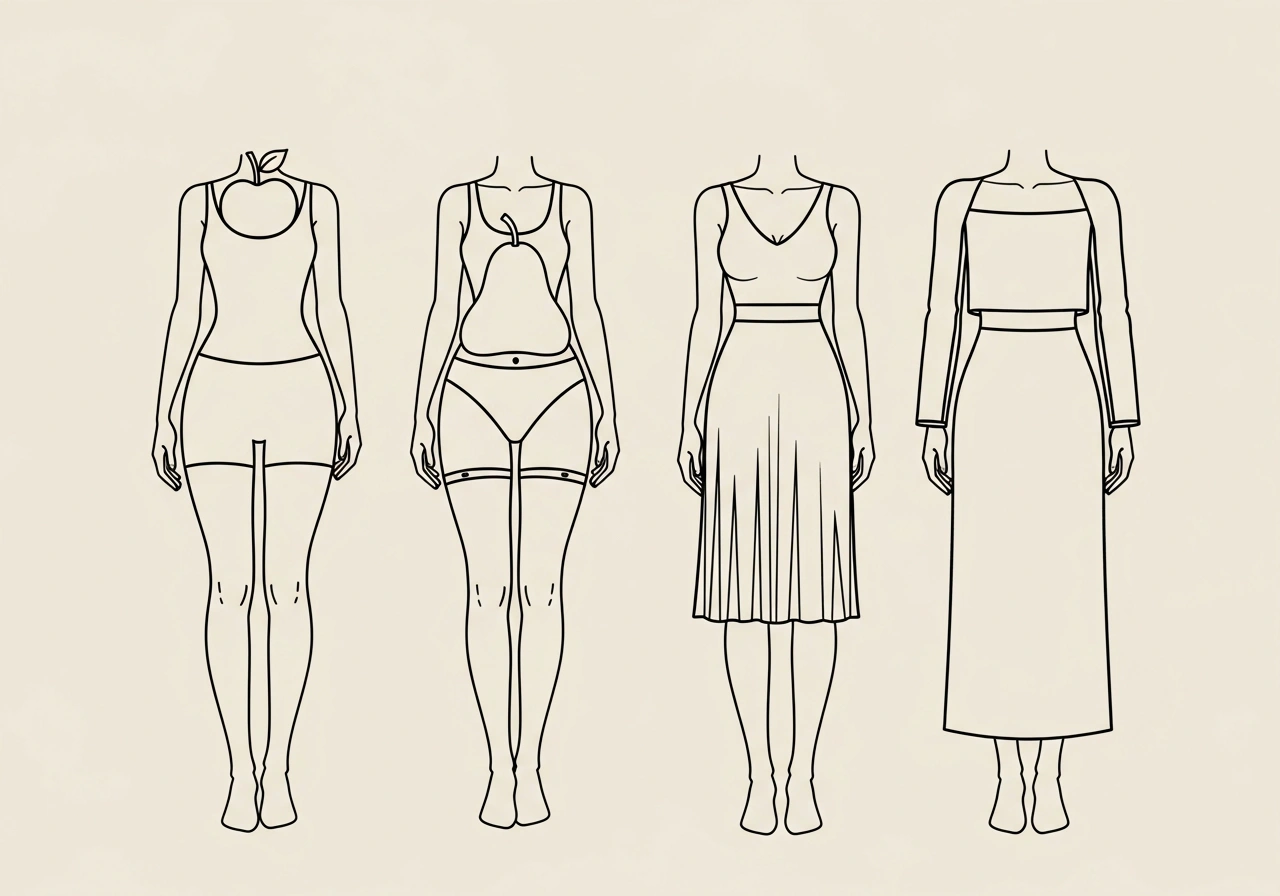
Before exploring specific outfit ideas, take a moment to understand your body proportions. This knowledge forms the foundation of dressing well. Different body shapes carry weight differently, and what works beautifully for one person might not be ideal for another.
Apple-shaped bodies tend to carry weight around the midsection with slimmer legs and arms. Pear-shaped figures have narrower shoulders and fuller hips. Hourglass shapes have balanced proportions with a defined waist. Rectangle body types have similar measurements throughout with less definition at the waist. Understanding where you fall on this spectrum helps you make better choices when selecting clothes.
Pay attention to which parts of your body you want to emphasize. Perhaps you have great legs, lovely shoulders, or a beautiful neckline. The most flattering outfits draw attention to these assets while gently skimming over areas you feel less confident about. This approach creates overall visual harmony rather than trying to completely conceal one area.
1 Empire Waist Dresses Are Your Best Friend
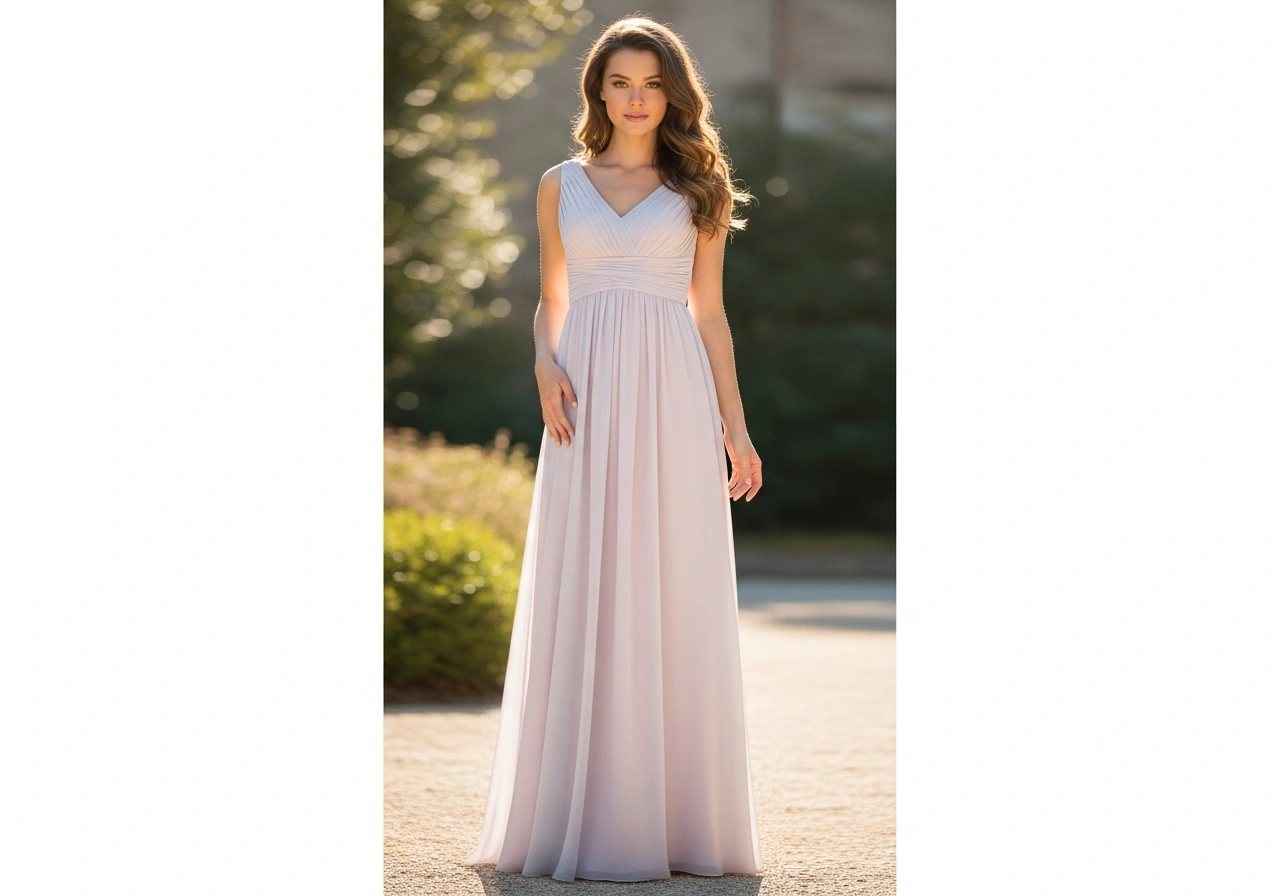
Empire waist dresses feature a fitted bodice that ends just below the bust, with fabric that flows freely from that high waistline. This design creates one of the most universally flattering silhouettes for women concerned about their midsection.
The genius of empire waist dresses lies in their ability to draw attention to the narrowest part of your torso while allowing fabric to glide over the stomach area. The raised waistline creates vertical length in your lower body, making you appear taller and more proportioned. This style works equally well for casual daytime wear and elegant evening events.
When selecting empire waist dresses, look for fabrics with slight body like chiffon, georgette, or jersey knit. These materials drape beautifully without clinging. Avoid stiff fabrics that might stand away from the body awkwardly. The dress should flow smoothly from the empire seam without gathering excess fabric at the stomach.
Empire waist dresses come in countless variations from maxi lengths to midi styles. Longer lengths tend to be more forgiving, but the key is ensuring the skirt portion has enough fullness to skim rather than hug. Solid colors work wonderfully, but prints can add visual interest and further distract from the midsection.
2 The Magic Of A-Line Silhouettes

A-line dresses and skirts fit snugly at the shoulders or waist and gradually widen toward the hem, creating a shape reminiscent of the letter A. This classic silhouette has remained popular for decades because it flatters virtually every body type.
For those with tummy concerns, A-line shapes provide coverage without appearing overly loose or shapeless. The fitted top portion creates structure while the flared bottom balances proportions. This design prevents fabric from clinging to the stomach while maintaining a polished, put-together appearance.
The versatility of A-line pieces makes them wardrobe essentials. An A-line dress works for office settings, weekend brunches, and everything in between. A-line skirts pair beautifully with fitted tops or tucked-in blouses, creating definition at the narrowest point while allowing the skirt to flow over the hips and tummy.
When shopping for A-line pieces, pay attention to where the garment begins to flare. The most flattering designs start widening at your natural waist or just below. If the flare starts too high, it can add bulk. If it starts too low, it defeats the purpose. Quality A-line pieces have strategic seaming that creates the proper shape.
3 Wrap Dresses Create Perfect Proportions

The wrap dress stands as one of fashion’s most ingenious inventions. This style features overlapping fabric that wraps across the body and ties at the waist, creating an adjustable fit that works for many body types.
Wrap dresses excel at concealing tummy bulge because you control how tightly or loosely the dress fits. The diagonal line created by the wrap draws the eye across the body rather than stopping at the midsection. The V-neckline typically found on wrap dresses elongates the upper body, while the wrapped fabric at the waist creates definition without requiring an actual belt.
The adjustable nature of wrap dresses means they accommodate fluctuations in size and provide comfortable wear throughout the day. Whether you have just eaten a large meal or are experiencing bloating, you can loosen or tighten the tie as needed. This practical feature makes wrap dresses ideal for travel and long days.
Look for wrap dresses in medium-weight fabrics that hold their shape. Jersey knit provides comfortable stretch while maintaining structure. Crepe and matte jersey work well for more formal occasions. Avoid sheer fabrics that might reveal undergarments when wrapped. The dress should have enough overlap that gaps do not appear when you move.
4 Strategic Use Of Peplum Tops

Peplum tops feature fitted bodices with a short flared ruffle or overskirt attached at the waist. This design detail might seem counterintuitive for hiding a tummy, but when proportioned correctly, peplum tops work remarkably well.
The key to peplum success lies in the length and fullness of the peplum itself. A peplum that falls at the fullest part of your hips provides optimal coverage. The ruffled layer creates visual interest at the waist while the flared fabric conceals the stomach area. The eye focuses on the architectural detail of the peplum rather than the midsection underneath.
Not all peplums are created equal. Avoid overly stiff peplums that stick straight out, as these can add unwanted bulk. Instead, seek peplums with enough weight to fall naturally over the tummy. The peplum should enhance your shape rather than creating a boxy silhouette.
Peplum tops work beautifully with pencil skirts, slim pants, and even jeans. The fitted top portion creates definition, the peplum adds feminine flair, and the slim bottom balances the proportions. This combination creates an hourglass effect that many body shapes lack naturally. For best results, pair peplum tops with high-waisted bottoms that meet the top at the narrowest part of your waist.
5 High-Waisted Bottoms Smooth Everything Out

High-waisted jeans, pants, and skirts have made a strong comeback in recent years, and for good reason. These bottoms sit at or above your natural waistline, providing coverage and support for the midsection.
The higher rise eliminates the dreaded muffin top effect that can occur with low-rise styles. High-waisted bottoms contain and smooth the tummy area, creating a streamlined foundation for your outfit. Many high-waisted styles incorporate stretch fabrics that provide gentle compression without feeling restrictive.
When selecting high-waisted bottoms, ensure they fit properly at the waist without gaping or creating bulges. The waistband should lie flat against your body. If the waistband creates indentations or rolls over, try a larger size or different style. Proper fit is crucial for achieving a smooth silhouette.
High-waisted bottoms work especially well when paired with tops that can be tucked in or hit right at the waistband. This creates vertical lines that elongate the body. Wide-leg high-waisted pants are particularly flattering, as they balance proportions and create an elegant silhouette. Avoid pairing high-waisted bottoms with crop tops unless you feel completely comfortable, as this defeats the coverage purpose.
6 Master The Art Of Monochromatic Dressing
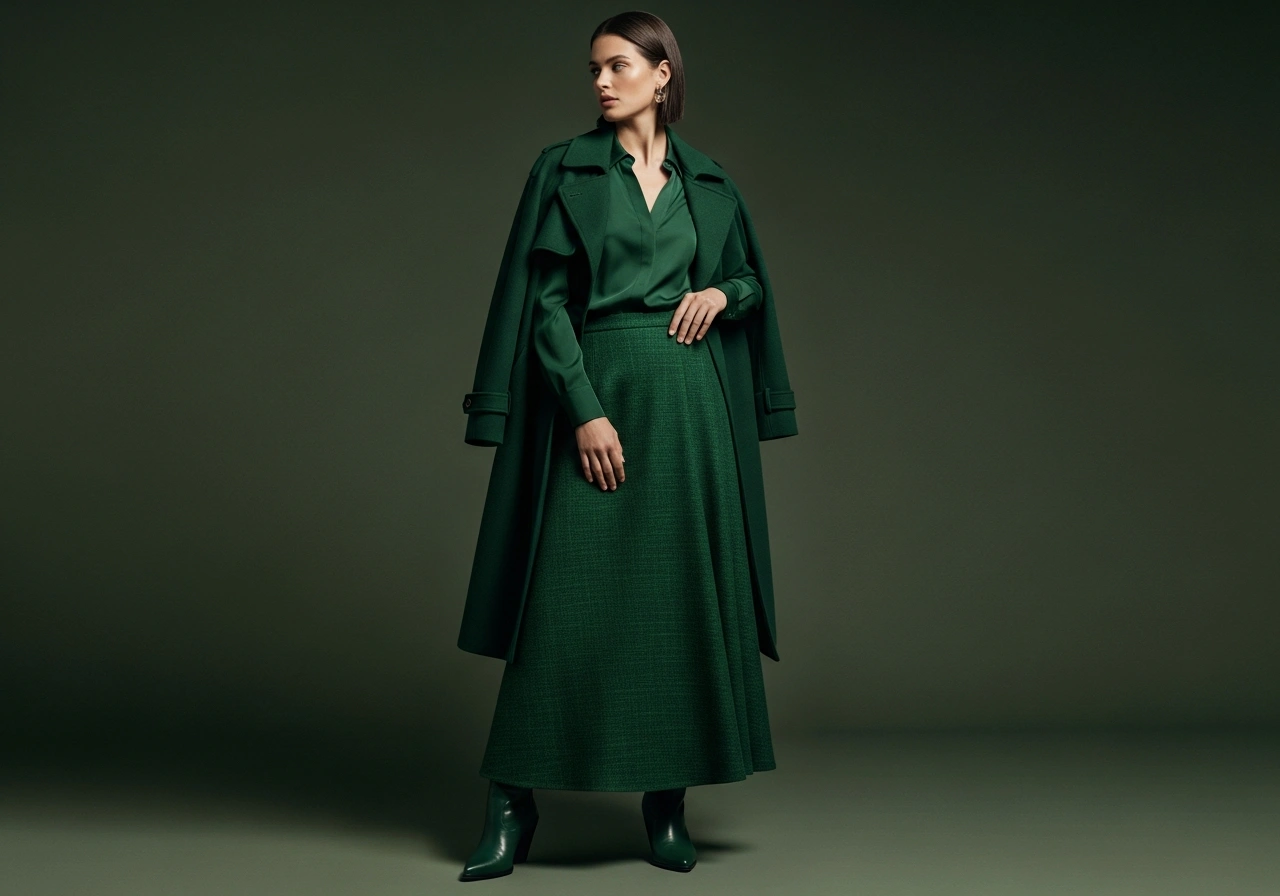
Wearing one color from head to toe creates an unbroken vertical line that makes you appear taller and slimmer. This optical illusion works because the eye travels up and down the body without stopping at breaks created by contrasting colors.
Monochromatic dressing does not mean boring. You can incorporate different textures, fabrics, and tones within the same color family. For example, combine navy trousers with a slightly lighter navy blouse and a navy cardigan in a different material. The variation keeps the outfit interesting while maintaining the slimming effect.
Black remains the most popular choice for monochromatic outfits due to its slimming reputation, but any color works. Navy, charcoal, deep burgundy, forest green, and chocolate brown all create sophisticated monochromatic looks. Even lighter colors like cream, soft pink, or powder blue can be flattering when worn head to toe, particularly in summer.
The key to successful monochromatic dressing lies in proper fit and quality fabrics. Since you are not using color blocking to create shape, the cut of your garments becomes even more important. Invest in well-tailored pieces that skim your body without clinging. Add interest through accessories, textures, and subtle pattern variations within your chosen color family.
7 Structured Blazers Create Strong Lines
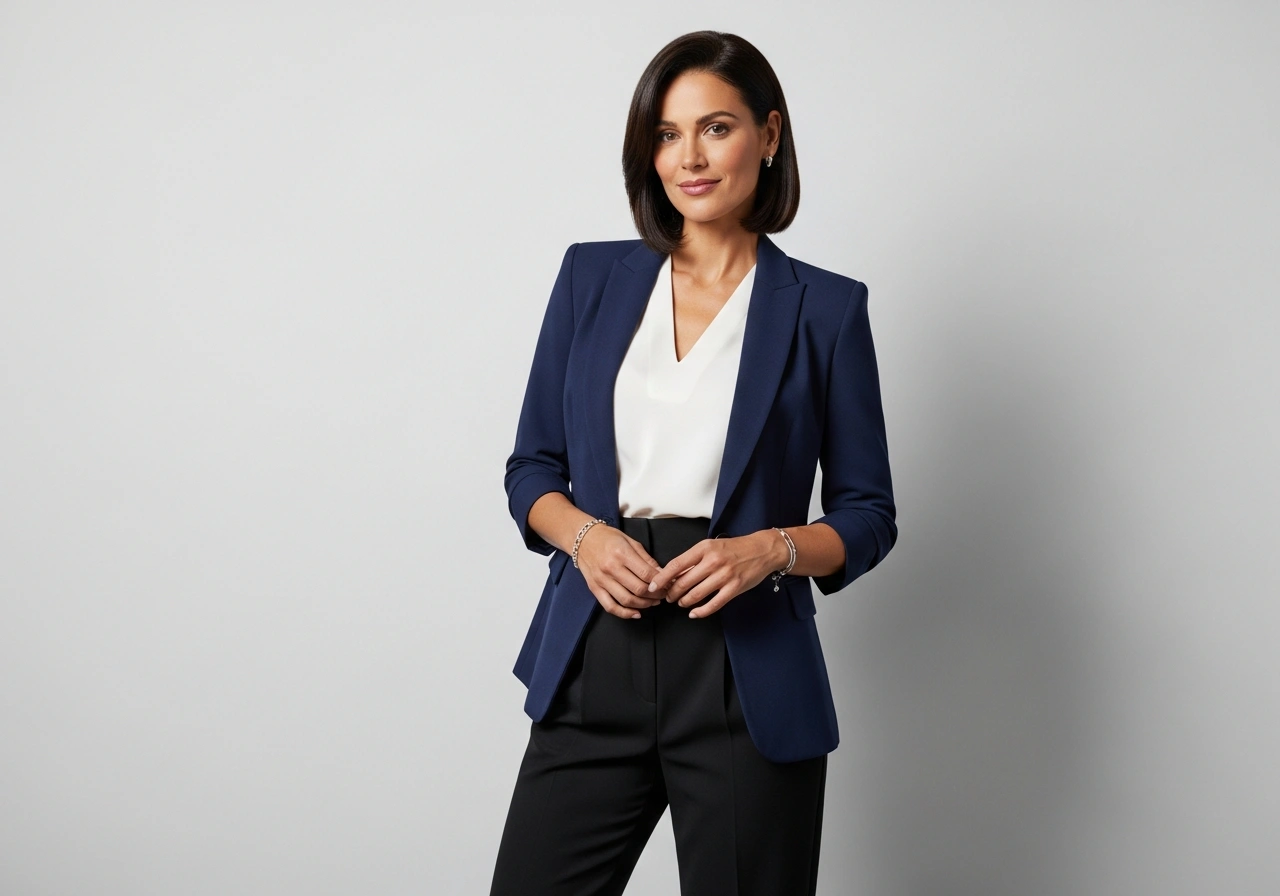
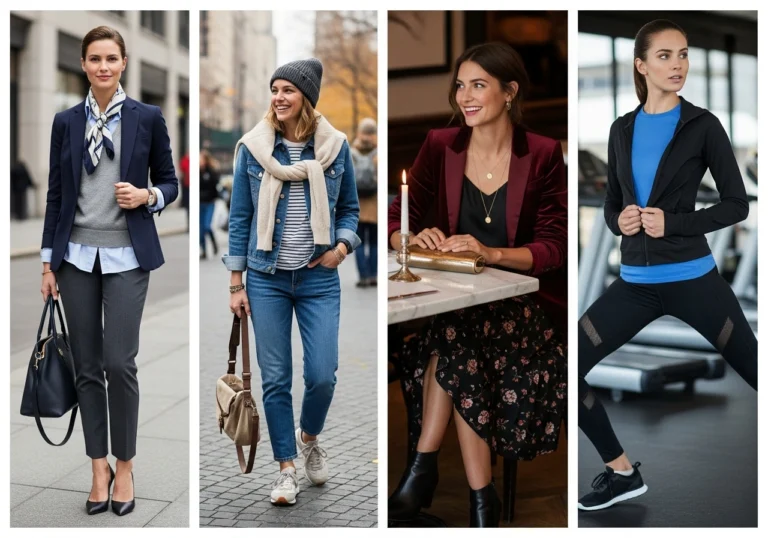
A well-fitted blazer works like magic to create a polished silhouette while disguising the midsection. Blazers add structure to your outfit, creating defined shoulders and a streamlined torso that distracts from the tummy area.
The most flattering blazers for tummy concealment hit at the hip or slightly below. This length provides coverage while maintaining proportions. Single-breasted blazers with one or two buttons create vertical lines, while double-breasted styles add an extra layer of fabric across the stomach for additional concealment.
Structured blazers with tailoring at the waist create an hourglass effect even if your natural shape lacks definition. The shoulder pads and structured design of the blazer draw attention upward to your face and create strong horizontal lines at the shoulders. This balances wider midsections and creates overall harmony.
Wear blazers open over monochromatic outfits to create long vertical lines, or button them at the waist to define that area. Dark blazers worn over lighter tops create a color-blocking effect that slims the torso. For professional settings, a blazer paired with well-fitted trousers or a pencil skirt creates an authoritative, put-together look that commands respect while flattering your figure.
8 Embrace Bold Prints And Patterns
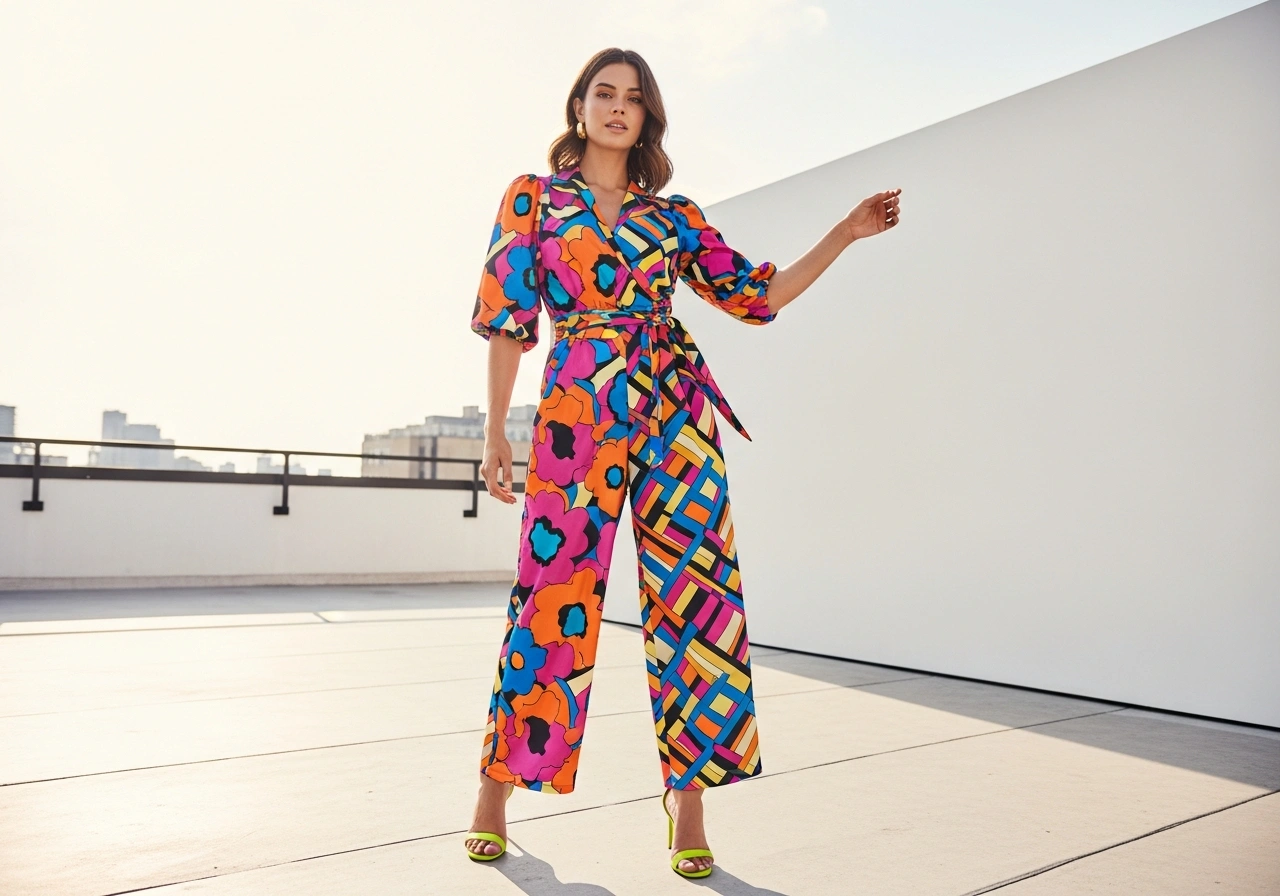
Busy prints and bold patterns might seem counterintuitive for concealing areas of concern, but they work brilliantly. Eye-catching prints draw attention away from body contours and toward the design itself. The visual complexity of patterns makes it difficult for the eye to focus on specific body parts.
Floral prints, animal prints, geometric designs, and abstract patterns all serve this purpose well. The key is selecting prints that are proportional to your body size. Larger prints work better on taller or larger frames, while petite individuals might prefer medium-sized patterns. Avoid tiny, busy prints that can appear dizzying.
When wearing bold prints, keep the rest of your outfit simple. Pair a printed top with solid-colored bottoms, or wear a printed dress with minimal accessories. This allows the pattern to be the focal point without creating visual chaos. The print itself becomes a style statement while simultaneously working to camouflage the tummy.
Strategic placement of prints also matters. A printed top with solid dark bottoms draws the eye upward and away from the midsection. A printed dress with ruching or gathering at the waist uses pattern and texture together to create the most flattering effect. Vertical stripe patterns create length, while diagonal patterns create movement that confuses the eye.
9 Layer Strategically With Long Cardigans And Dusters
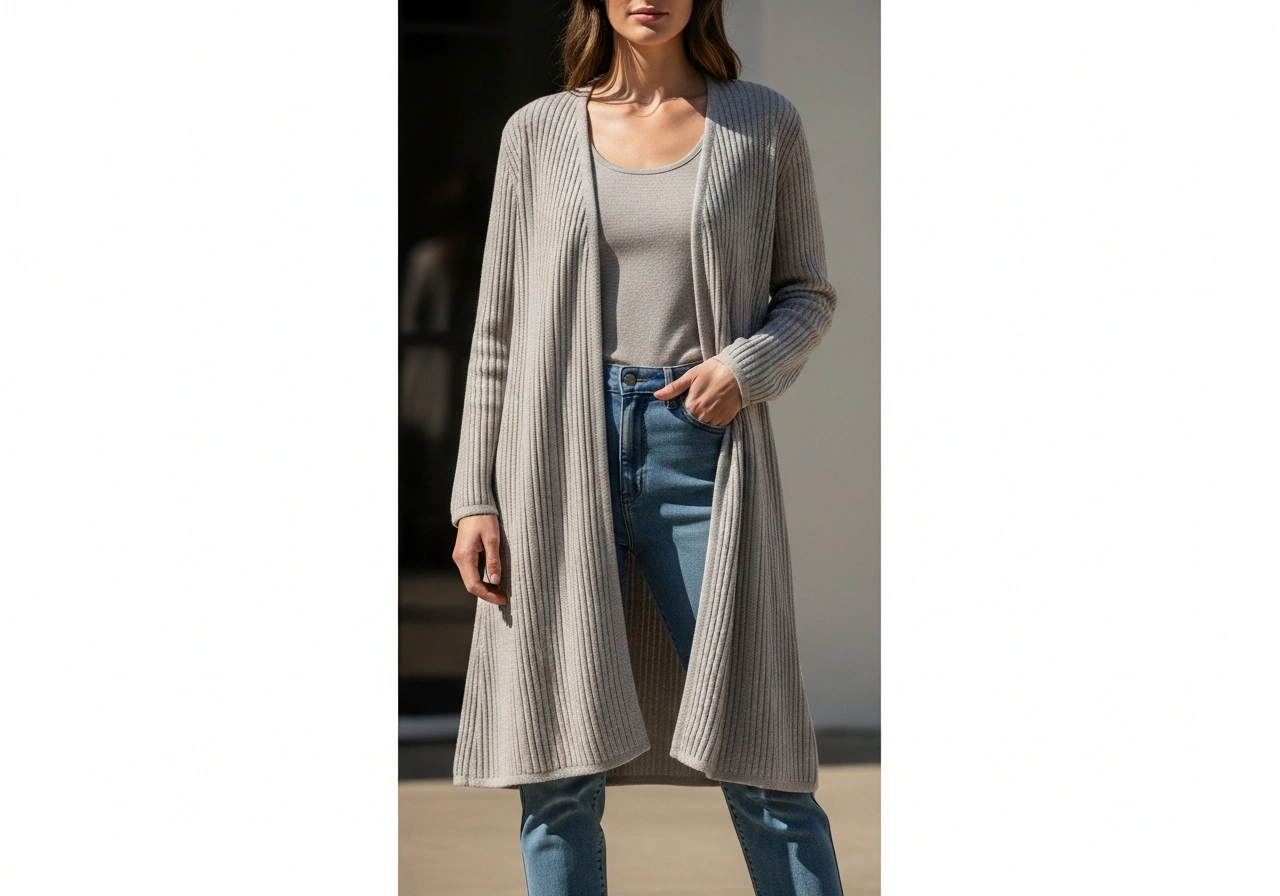
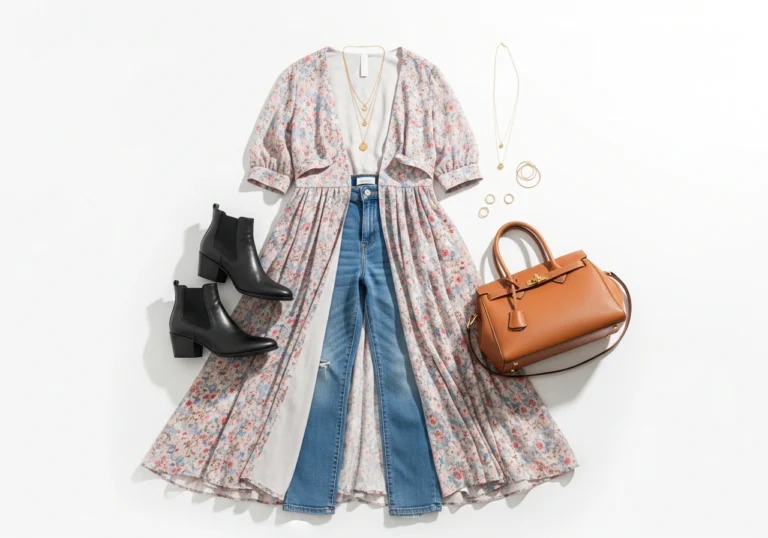
Long cardigans, dusters, and lightweight jackets create vertical lines while providing coverage. These layering pieces add dimension to your outfit while skimming over the midsection.
The ideal length for tummy-concealing cardigans falls at the hip or mid-thigh. This coverage extends beyond the stomach area without overwhelming your frame. Avoid cardigans that end exactly at the widest part of your stomach, as this draws attention to that spot. Instead, choose lengths that fall below the concern area.
Open-front cardigans and dusters work particularly well because they create two vertical lines along the sides of your body. This draws the eye up and down rather than across the middle. The draping fabric provides gentle concealment without adding bulk. Waterfall cardigans with their graceful flowing fronts offer especially flattering lines.
When layering, pay attention to proportions. Balance longer cardigans with fitted pants or slim skirts. If wearing a voluminous cardigan, keep your base layers streamlined. The goal is to add interest and coverage through layering without creating a bulky silhouette. Choose cardigans in fabrics with some structure rather than ones that cling or add extra volume.
10 Choose The Right Fabrics And Textures

Fabric choice significantly impacts how flattering a garment appears. Some materials naturally create better silhouettes than others, regardless of the style or cut.
Medium-weight fabrics with slight structure work best for concealing the tummy. These materials skim the body without clinging to every curve. Jersey knit, ponte, cotton blends, and structured crepe all fall into this category. They provide enough substance to hold their shape while remaining comfortable.
Avoid clingy materials like thin jersey, spandex-heavy fabrics, or anything that creates static cling. These materials highlight every bump and curve rather than concealing them. Similarly, avoid stiff fabrics that stand away from the body awkwardly, creating unflattering shapes.
Texture can work in your favor. Ruching, which involves gathered or pleated fabric, works exceptionally well for tummy concealment. The texture created by ruching camouflages the stomach area while adding visual interest. Many dresses feature strategic ruching at the sides or center, specifically designed to flatter the midsection.
Matte fabrics tend to be more forgiving than shiny materials. Shine draws attention and can highlight areas you prefer to minimize. Save shiny fabrics for parts of your outfit away from the midsection, or use them in darker colors where the shine is less pronounced.
What To Avoid When Dressing To Minimize Tummy
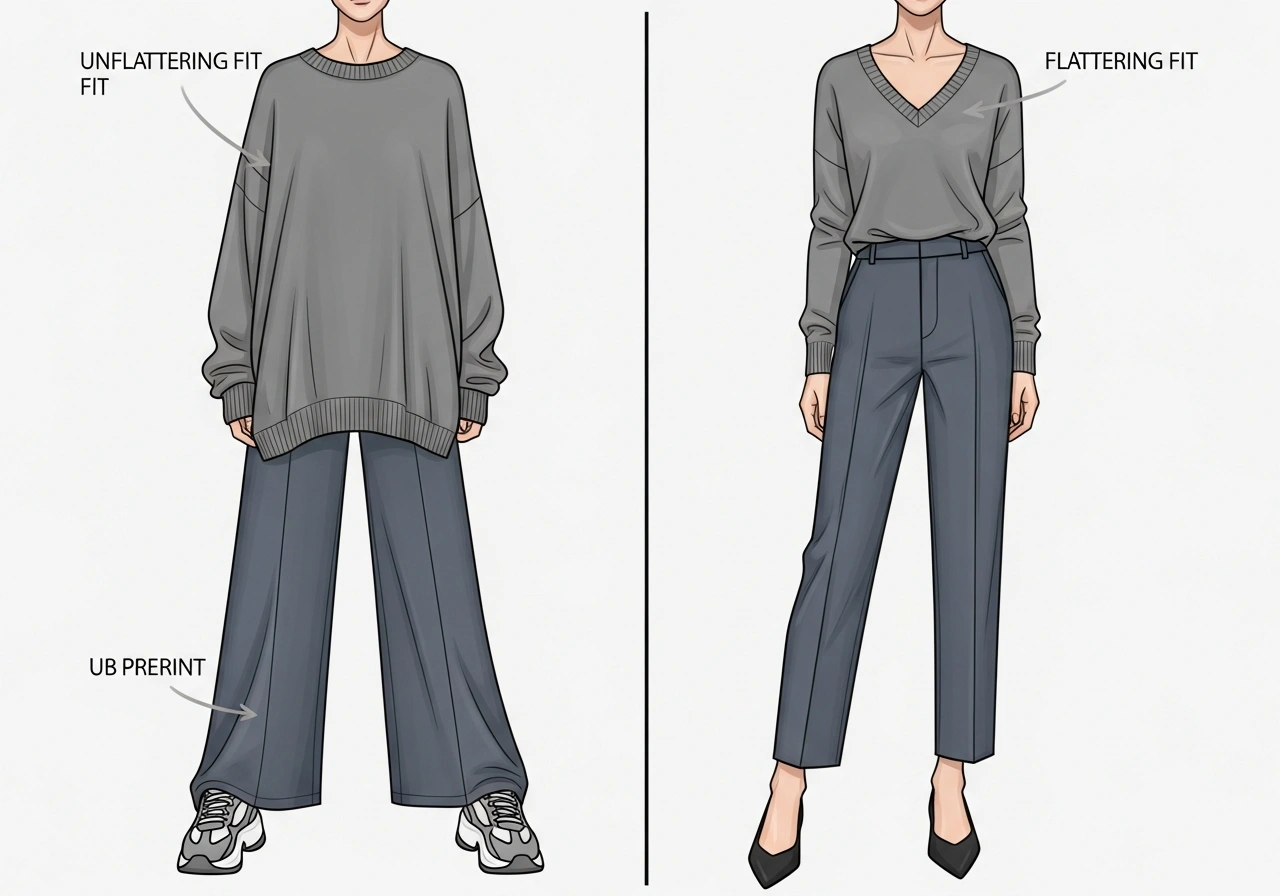
Understanding what not to wear proves as important as knowing what to wear. Certain styles and features can accentuate rather than minimize the tummy area.
Crop tops and midriff-baring styles obviously highlight the stomach area. Similarly, low-rise jeans and pants that sit below the natural waist can create muffin top effects even on slimmer bodies. These styles work against your goal of creating a streamlined silhouette.
Horizontal stripes across the midsection can make the area appear wider. While horizontal stripes placed at the shoulders or hem can be flattering, avoid them across the stomach. Belts worn at the widest part of your stomach draw attention to that area. If you love belts, wear them at your natural waist or just below the bust in empire style.
Overly tight clothing reveals every contour and often creates bulges where the fabric strains. Conversely, excessively loose or baggy clothing can make you appear larger than you are by adding visual bulk. The goal is to find the middle ground where clothes skim rather than cling or tent.
Clingy fabrics, thin materials, and anything that creates static cling should be avoided in the midsection area. If you love a particular style in an unflattering fabric, consider wearing shapewear underneath or adding a layer over it.
Building A Wardrobe That Works For You
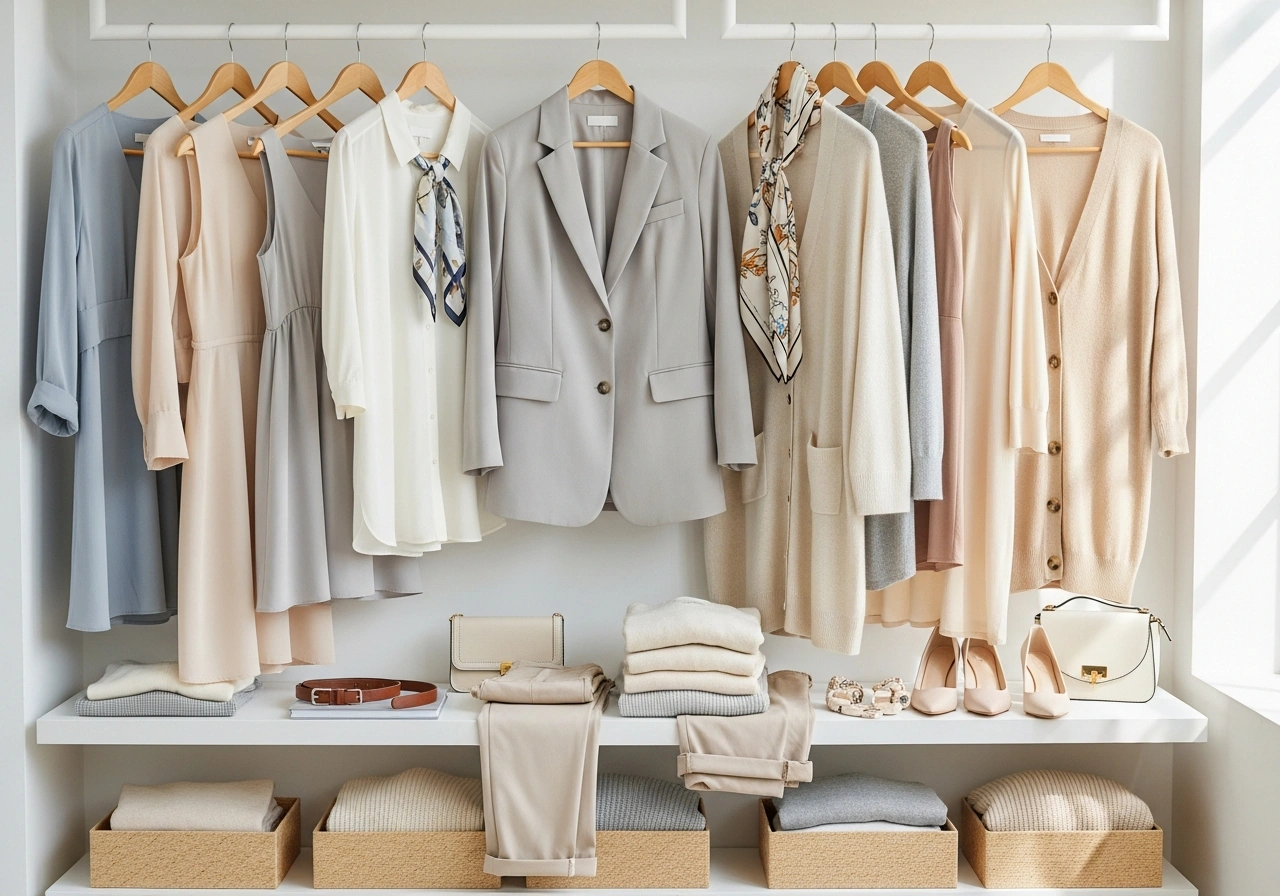
Creating a wardrobe that makes you feel confident requires thoughtful selection and honest assessment. Start by evaluating your current clothes. Try on pieces and note which ones make you feel great. What do these pieces have in common? Perhaps they share similar cuts, colors, or fabrics.
Invest in quality basics that provide a foundation for countless outfits. Well-fitted high-waisted dark jeans, tailored trousers in black or navy, a few empire or A-line dresses, wrap dresses, structured blazers, and long cardigans form the core of a flattering wardrobe. These pieces mix and match endlessly.
Do not be afraid to size up. Wearing the correct size, even if the number is larger than you prefer, always looks better than squeezing into something too small. Sizes vary dramatically between brands, and numbers mean nothing compared to fit and comfort.
Consider working with a stylist or taking advantage of personal shopping services offered by many retailers. These professionals understand body types and can guide you toward flattering options you might not have considered. Their expertise can save you time, money, and frustration.
The Role Of Undergarments In Creating Smooth Lines
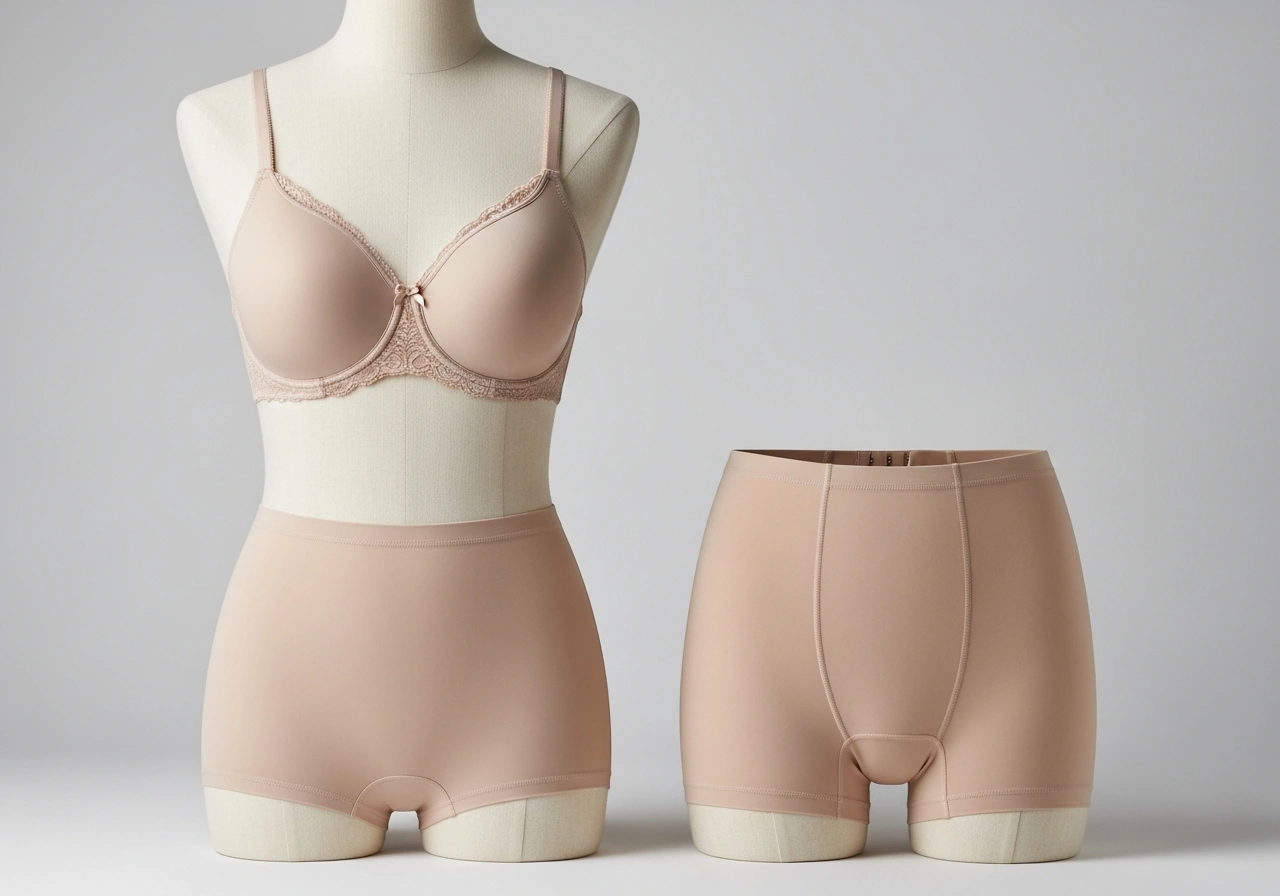
The foundation of any great outfit begins with proper undergarments. A well-fitted bra makes an enormous difference in how clothes fit and how confident you feel. Bras that lift and support the bust create separation from the midsection, making the waist appear longer and more defined.
Many women find that shapewear helps create the smooth foundation they desire. Modern shapewear comes in various levels of compression, from light smoothing to firm control. High-waisted shaping briefs, bodysuits, and control slips can all create a streamlined silhouette under fitted clothing.
When selecting shapewear, choose pieces that feel comfortable enough to wear all day. Shapewear should smooth and support without restricting breathing or movement. If shapewear rolls down or creates new bulges, try a different size or style. The goal is seamless smoothing, not uncomfortable compression.
Quality undergarments in neutral colors that match your skin tone disappear under clothing. Invest in seamless styles that eliminate visible panty lines and bra strap bulges. The right undergarments make every outfit look more polished and feel more comfortable.
Confidence Is The Ultimate Accessory
While this guide focuses on clothing strategies to minimize tummy appearance, remember that confidence surpasses any styling trick. When you feel good about yourself, that positive energy radiates outward and transforms how others perceive you.
Dressing in ways that make you feel attractive and comfortable represents self-care, not vanity. Taking time to select flattering clothes shows respect for yourself and your appearance. This practice has nothing to do with achieving perfection and everything to do with presenting your best self to the world.
Focus on what your body can do rather than solely on its appearance. Your body carries you through life, allows you to experience the world, and deserves appreciation. Treat it with kindness by dressing it in ways that make you feel wonderful.
Remember that every body changes over time. What worked five years ago might not work now, and that is perfectly normal. Stay flexible and willing to adjust your style as your body and lifestyle evolve. Fashion should serve you, not the other way around.
Conclusion
Creating a flattering wardrobe when you carry weight around your midsection involves understanding which styles, cuts, and fabrics work best for your body. The ten strategies outlined in this guide provide practical, actionable advice you can implement immediately.
Empire waist dresses, A-line silhouettes, wrap designs, strategic peplums, high-waisted bottoms, monochromatic outfits, structured blazers, bold prints, layering pieces, and proper fabric choices all work together to create flattering looks. Understanding what to avoid proves equally important, helping you make confident choices when shopping or getting dressed.
Beyond clothing choices, proper undergarments and a positive mindset play crucial roles in looking and feeling your best. Confidence cannot be purchased, but it develops when you consistently make choices that honor your body and style preferences.
Fashion should be enjoyable, not stressful. Use these guidelines as tools to help you feel more comfortable and confident in your clothing choices. Experiment with different combinations, pay attention to what makes you feel great, and build a wardrobe that truly works for your lifestyle and body. When you look in the mirror and genuinely like what you see, you have achieved the ultimate goal of personal style.
You may also like this post:10 Chic Ways To Style A Scarf (Trendy Styling Ideas I Swear By!)
Frequently Asked Questions
What type of jeans are most flattering for hiding tummy bulge?
High-waisted jeans with stretch content work best for concealing tummy bulge. Look for styles with a contoured waistband that prevents gaping and a slightly relaxed or straight leg cut rather than overly tight skinny jeans. Dark washes provide additional slimming effects, and mid-rise jeans offer an alternative if high-waisted feels uncomfortable.
Can I wear fitted clothes if I have a tummy, or should everything be loose?
You can absolutely wear fitted clothes. The key is finding pieces that skim your body rather than cling tightly or hang too loosely. Fitted does not mean tight. Look for structured fabrics with slight stretch that follow your body’s contours without revealing every detail. Balance fitted tops with looser bottoms and vice versa.
Do wrap dresses work for all body types when trying to hide a tummy?
Wrap dresses work well for many body types because of their adjustable nature, but success depends on finding the right fit. The dress should have enough overlap to prevent gaping, and the tie should hit at your natural waist or just below the bust. If you have a larger bust, ensure the wrap provides adequate coverage without pulling open.
What colors should I wear to make my tummy look smaller?
Darker colors like black, navy, charcoal, and deep burgundy create slimming effects, but you do not have to limit yourself to dark shades. Monochromatic outfits in any color create vertical lines that elongate the body. Bold prints and patterns also work well by drawing attention away from body contours and toward the design itself.
Is shapewear necessary for creating a smooth silhouette?
Shapewear is not necessary but can be helpful if you want additional smoothing under fitted clothing. Many people feel more confident with the extra support shapewear provides. However, proper clothing choices and well-fitted garments can create beautiful silhouettes without shapewear. The decision remains entirely personal and based on your comfort level and preferences. Clarior Luxent
One Comment