What Is Dopamine Dressing? A Joy-Boosting Style Guide You’ll Actually Want To Try
The way you dress each morning holds more power over your mood than you might realize. While most people view their wardrobe as simply a practical necessity or a form of self-expression, emerging research and anecdotal evidence suggest that your clothing choices can directly influence your emotional state, confidence levels, and overall outlook on life. This connection between fashion and feelings has given rise to a trend that’s taking the style world by storm: dopamine dressing.
Dopamine dressing represents a fundamental shift in how we approach our daily wardrobe decisions. Rather than dressing solely for others, for professional requirements, or based on fleeting trends, this approach encourages you to select clothing that genuinely makes you feel good from the inside out. The concept has gained tremendous traction among fashion enthusiasts, mental health advocates, and everyday people looking for simple ways to enhance their daily experience.
This comprehensive guide will walk you through everything you need to know about dopamine dressing, from the science that supports it to practical strategies you can implement immediately. Whether you’re dealing with seasonal blues, seeking a confidence boost, or simply wanting to inject more joy into your daily routine, understanding and applying dopamine dressing principles can transform not just your wardrobe, but your entire relationship with how you present yourself to the world.
Understanding the Science Behind Dopamine Dressing
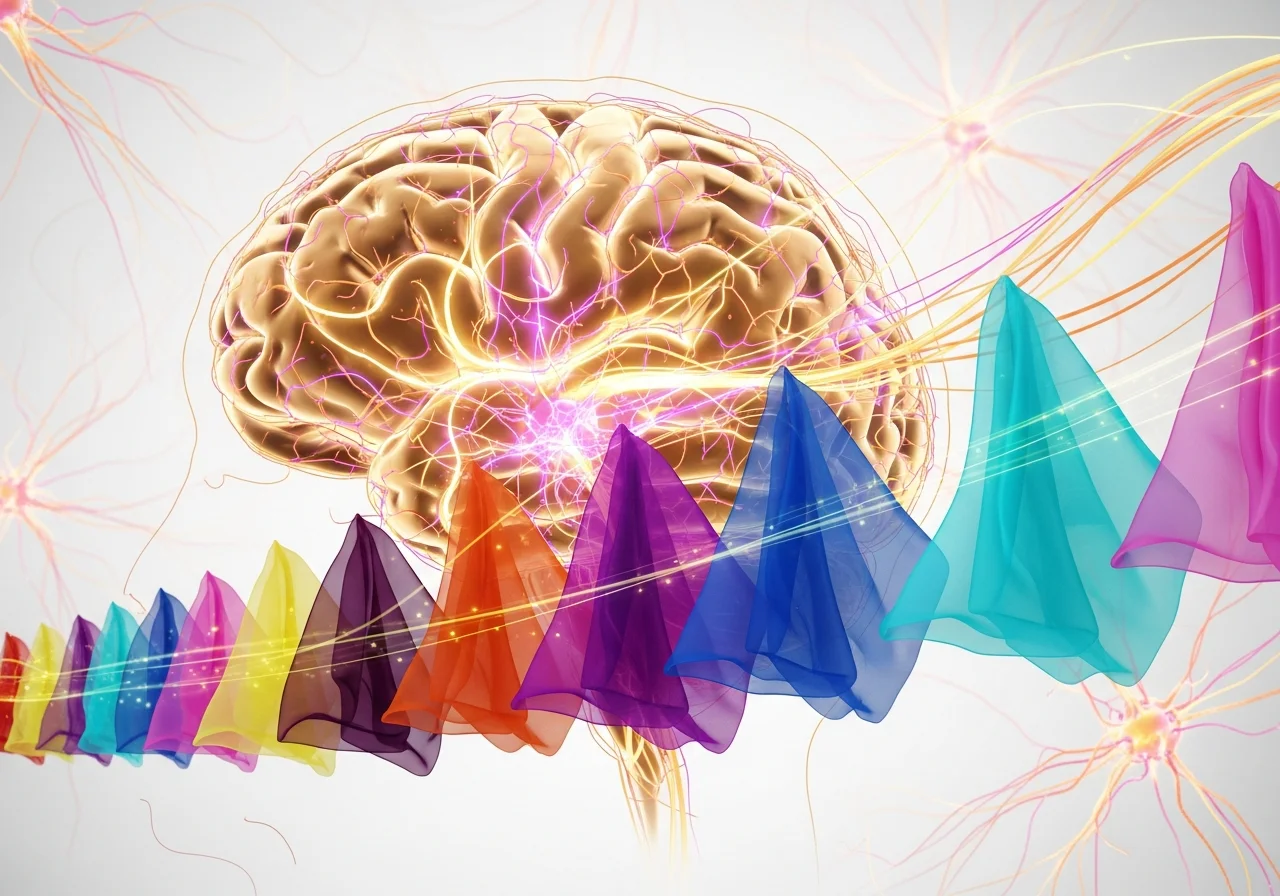
Dopamine is a neurotransmitter that plays a crucial role in how we experience pleasure, motivation, and reward. When your brain releases dopamine, you feel good. This chemical messenger influences everything from your mood and focus to your sense of satisfaction and accomplishment. While dopamine is primarily associated with activities like eating enjoyable food, achieving goals, or spending time with loved ones, research suggests that visual stimuli, including the colors and textures we surround ourselves with, can also trigger dopamine release.
The connection between clothing and mood isn’t just psychological wishful thinking. Studies in color psychology have demonstrated that different hues can genuinely affect our emotional state and even our physiological responses. Bright, saturated colors tend to energize and uplift, while softer tones can calm and soothe. When you wear colors that resonate with you personally, your brain registers this positive visual input, potentially triggering a subtle dopamine response that influences how you feel throughout the day.
Beyond color, the very act of making intentional choices about your appearance can boost your sense of agency and control. In a world where so much feels uncertain, deciding to wear something that brings you joy becomes a small but meaningful act of self-care. This intentionality creates a positive feedback loop: you feel good about your choice, which improves your mood, which in turn affects how you carry yourself and interact with others.
The fashion psychology field has long recognized the phenomenon known as “enclothed cognition,” which refers to the systematic influence that clothes have on the wearer’s psychological processes. When you put on an outfit that makes you feel confident, creative, or powerful, you’re more likely to embody those qualities throughout your day. Dopamine dressing takes this concept further by emphasizing the emotional reward system and personal pleasure as primary considerations in wardrobe selection.
What Dopamine Dressing Really Means
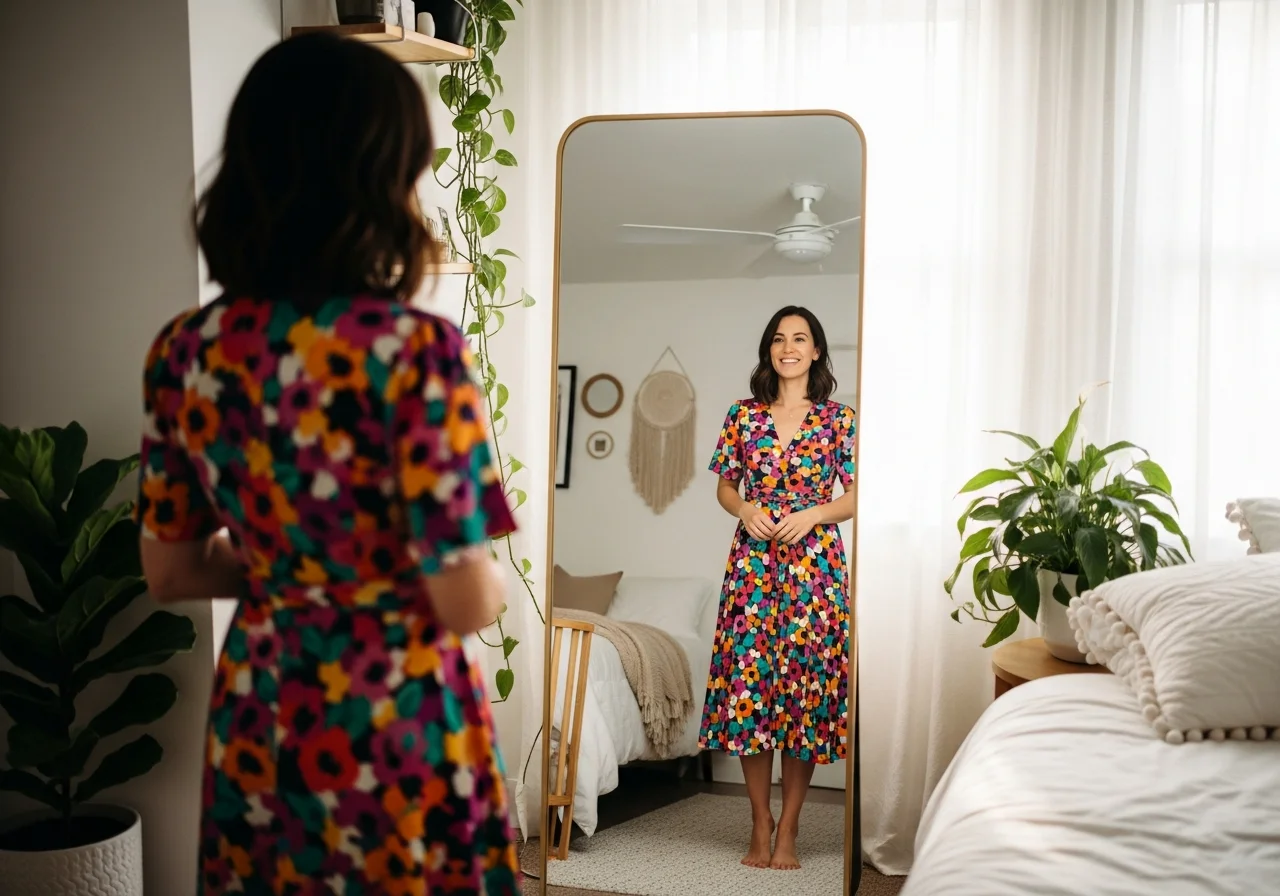
At its core, dopamine dressing is about choosing clothing that sparks genuine joy and positive emotion. This doesn’t mean you need to wear neon colors or sequins every day, although you absolutely can if that’s what makes you happy. Instead, it’s about tuning into your authentic preferences and honoring what truly makes you feel good, regardless of current trends or external opinions.
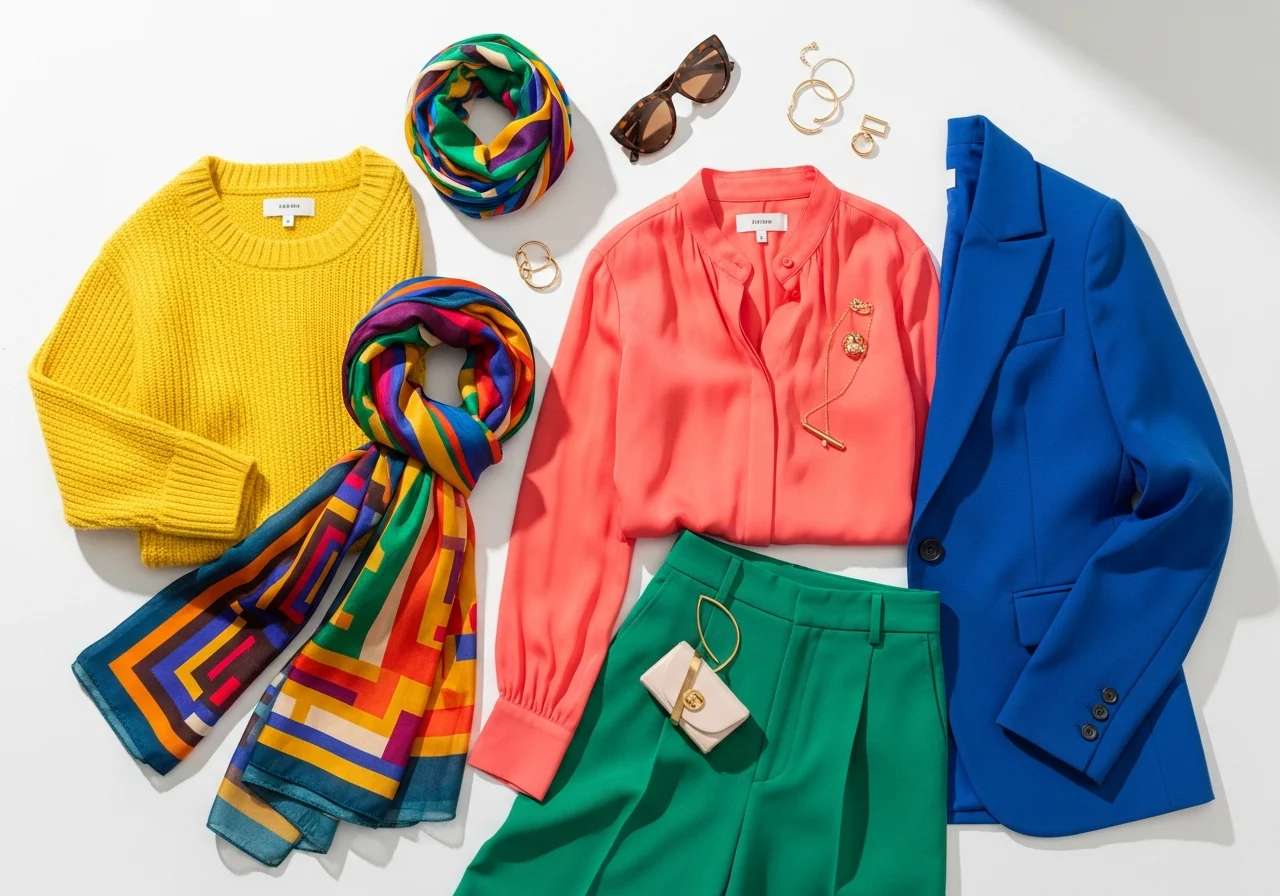
For some people, dopamine dressing might mean embracing vibrant prints and bold color combinations that energize them the moment they put them on. For others, it could mean slipping into a perfectly tailored blazer that makes them feel polished and capable, or wearing soft, comfortable fabrics that provide physical comfort throughout the day. The beauty of this approach lies in its complete personalization; there are no universal rules about what should make you happy.
This style philosophy also acknowledges that your mood-boosting clothing choices might vary depending on context, season, or your current emotional needs. What brings you joy on a Monday morning might differ from what you want to wear on a Friday evening. Dopamine dressing encourages this flexibility and responsiveness to your changing internal landscape.
The practice differs significantly from dressing for others or following fashion rules that don’t resonate with your personal style. While professional dress codes and social appropriateness still have their place, dopamine dressing asks you to find opportunities within those parameters to infuse your own joy and personality. It’s about identifying the overlap between what you must wear and what you want to wear, then maximizing that sweet spot.
The Mental Health Benefits of Intentional Dressing
The relationship between clothing choices and mental wellbeing extends far beyond superficial concerns about appearance. When you consistently dress in ways that align with your authentic self and boost your mood, you’re engaging in a daily practice of self-respect and self-care. This regular affirmation that your feelings and preferences matter can have cumulative positive effects on your self-esteem and overall mental health.
For individuals dealing with depression, anxiety, or seasonal affective disorder, the simple act of putting on clothing that brings pleasure can serve as a gentle intervention during difficult moments. When everything feels overwhelming, choosing to wear your favorite color or that sweater that always makes you smile becomes a small victory, a reminder that you still have agency over some aspects of your experience.
Dopamine dressing can also serve as a form of emotional armor during challenging times. When you know you’re facing a difficult day, deliberately selecting an outfit that makes you feel strong, confident, or comforted provides psychological support. This isn’t about pretending problems don’t exist, but rather about giving yourself every possible advantage when navigating difficulties.
The practice encourages mindfulness and present-moment awareness as well. Taking a few extra minutes each morning to consider how different clothing options make you feel requires you to tune into your emotional state and physical sensations. This brief moment of self-connection can set a positive tone for the entire day and help you develop greater emotional intelligence over time.
Building Your Personal Dopamine Wardrobe
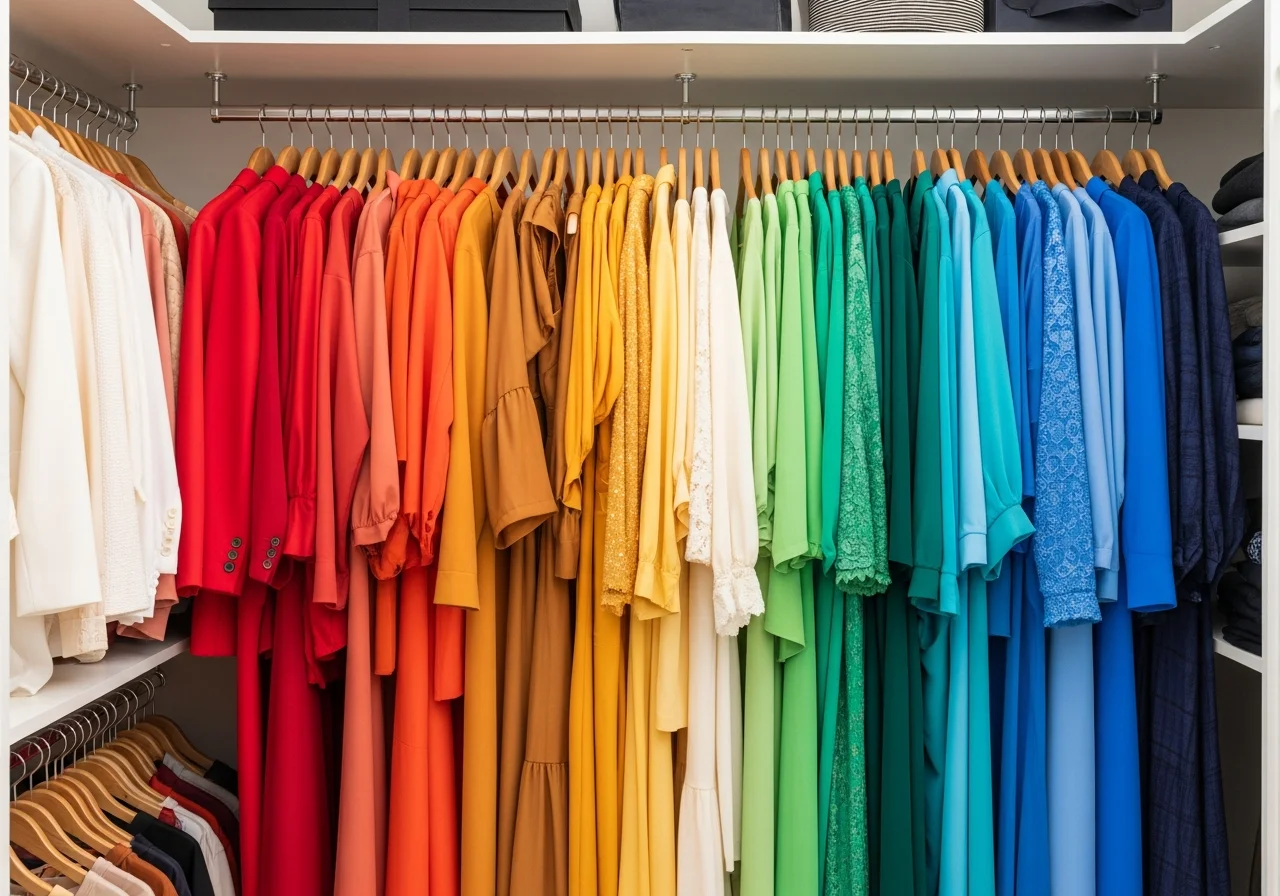
Creating a wardrobe that supports dopamine dressing doesn’t require a complete closet overhaul or significant financial investment. Instead, it starts with honest self-reflection about what truly makes you feel good. Begin by examining your current wardrobe with fresh eyes, paying attention to which items you gravitate toward repeatedly and which pieces you avoid despite owning them.
Notice the patterns in your favorite pieces. Do you consistently reach for certain colors? Are there specific fabrics that feel particularly good against your skin? Do you prefer structured garments that create clean lines or flowing pieces that move with you? These preferences offer valuable clues about what brings you joy and comfort. Once you’ve identified these patterns, you can make more intentional choices when adding new items to your collection.
Quality often matters more than quantity when building a dopamine wardrobe. A single well-made piece in your perfect shade of blue will serve you better than five mediocre items you feel lukewarm about. Invest in pieces that genuinely excite you, even if it means buying fewer items overall. The goal is to create a collection where everything feels like a good option, eliminating that frustrating experience of staring at a full closet while feeling like you have nothing to wear.
Consider creating a color palette that resonates with you personally rather than following seasonal trend reports. While it’s perfectly fine to be inspired by fashion forecasts, your dopamine wardrobe should primarily reflect your authentic color preferences. Some people feel most alive in jewel tones, while others find their joy in pastels or earth tones. There’s no wrong answer, only your answer.
Don’t overlook the importance of fit and comfort. Clothing that pinches, restricts, or requires constant adjustment throughout the day will undermine any positive feelings, regardless of how beautiful it looks. Dopamine dressing recognizes that physical comfort and emotional comfort are deeply interconnected. When your clothes feel good on your body, you’re free to focus on your activities and interactions rather than being distracted by discomfort.
Practical Strategies for Daily Dopamine Dressing
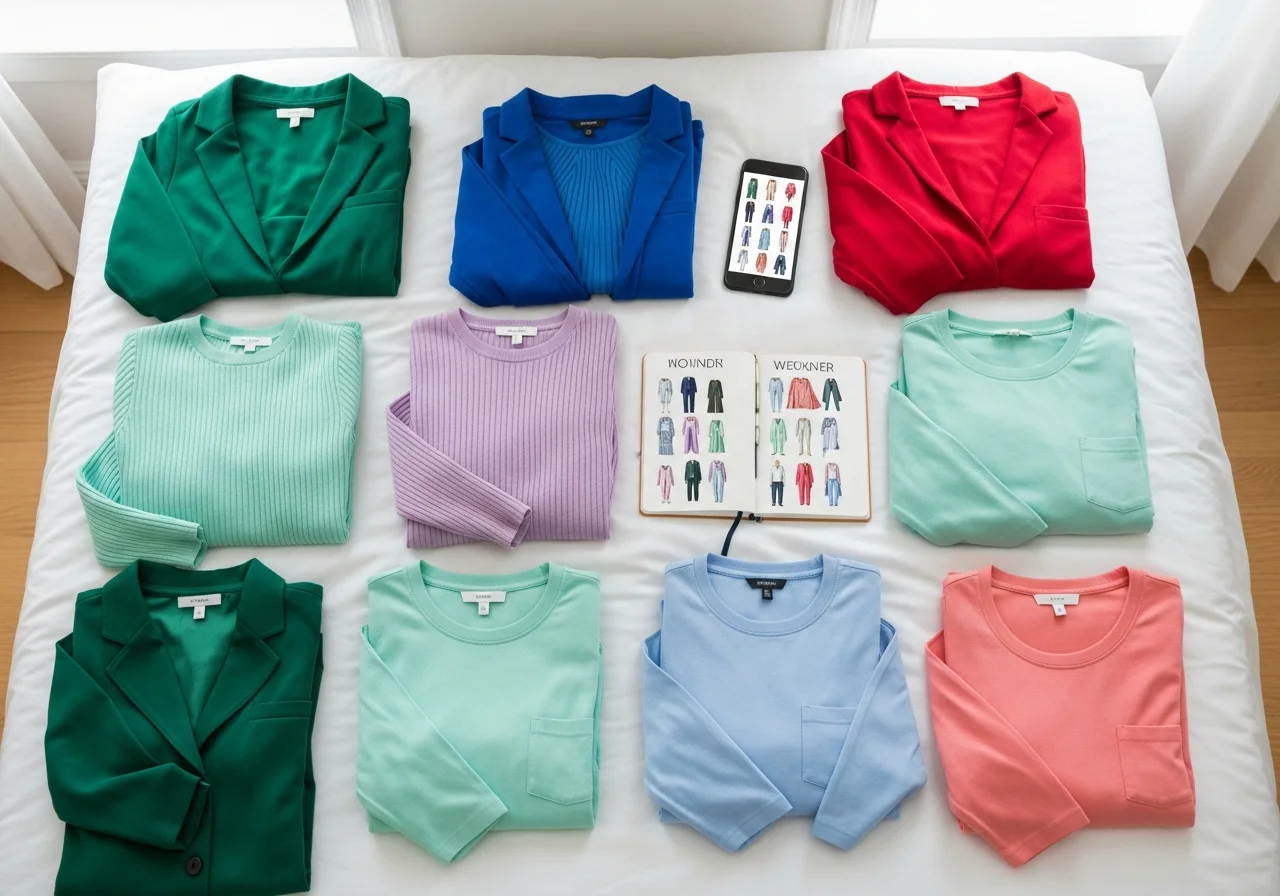
Implementing dopamine dressing into your daily routine becomes easier with some practical strategies. Start by laying out clothes the night before, but approach this task as an opportunity to consider what kind of emotional support you might need tomorrow. If you have a stressful presentation, you might choose your most confidence-boosting outfit. If it’s a casual day with friends, perhaps you select pieces that feel playful and relaxed.
Create outfit combinations ahead of time that you know work well together and make you feel good. Taking photos of these combinations can serve as a reference library for rushed mornings when decision fatigue might otherwise lead you to default to uninspired choices. Having these pre-planned options removes friction from the process while still ensuring you’re dressed in a way that supports your wellbeing.
Pay attention to how different outfits affect your mood and energy throughout the day. You might keep a simple journal noting what you wore and how you felt, gradually building awareness of which pieces consistently deliver that dopamine boost. This mindful observation helps you fine-tune your wardrobe decisions and invest more deliberately in what truly serves you.
Consider the power of accessories as mood-boosting tools. Sometimes the difference between feeling ordinary and feeling special comes down to adding that bold necklace, colorful scarf, or interesting pair of shoes. Accessories offer a low-commitment way to experiment with dopamine dressing, especially if your professional environment requires more conservative clothing choices.
Remember that dopamine dressing isn’t about perfection or always getting it right. Some days you’ll nail it and feel amazing in your outfit all day long. Other days, despite your best intentions, your clothing choices might miss the mark. That’s completely normal and part of the learning process. The goal is progress and increased awareness, not flawless execution.
Common Misconceptions About Dopamine Dressing
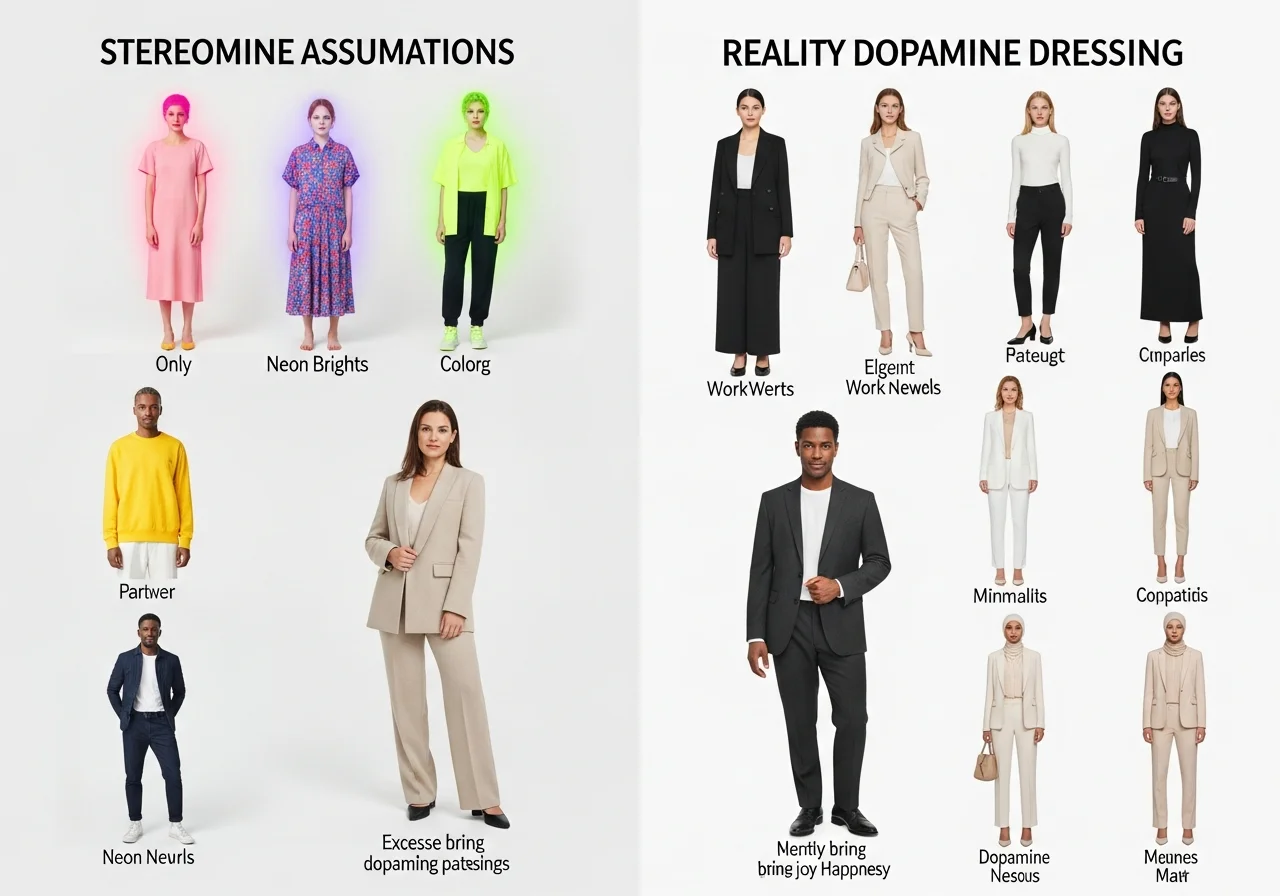
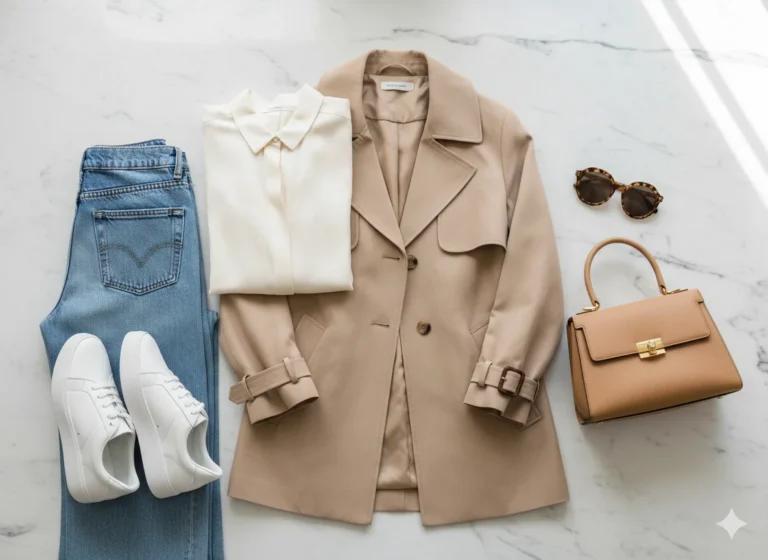
One prevalent misconception is that dopamine dressing requires wearing bright, bold colors exclusively. While vibrant hues certainly can boost mood for many people, others find their joy in minimalist neutrals, monochromatic schemes, or subtle tones. Dopamine dressing is fundamentally personal; it’s about what works for you, not about adhering to someone else’s definition of what should make you happy.
Another misunderstanding suggests that dopamine dressing is inherently unprofessional or inappropriate for serious settings. In reality, you can apply dopamine dressing principles in any context by finding the intersection between requirements and personal preference. Even in the most conservative professional environment, you likely have some degree of choice in colors, fabrics, accessories, or styling details that can bring you joy while remaining appropriate.
Some critics dismiss dopamine dressing as superficial or materialistic, arguing that true happiness shouldn’t depend on clothing. This criticism misses the point entirely. Dopamine dressing isn’t claiming that clothes create happiness or solve life’s problems. Instead, it recognizes that since we must get dressed anyway, we might as well make choices that support rather than undermine our wellbeing. It’s one tool among many for self-care, not a magic solution.
There’s also confusion about whether dopamine dressing requires constant shopping or consumption. While the fashion industry certainly benefits when people buy new clothes, genuine dopamine dressing often leads to more thoughtful, intentional purchasing rather than mindless consumption. When you truly understand what brings you joy, you actually waste less money on pieces that don’t serve you and invest more wisely in items you’ll genuinely treasure.
Seasonal Considerations and Adapting Your Approach

Your dopamine dressing needs and preferences may shift with the seasons, both literally and metaphorically. During darker, colder months, you might find yourself drawn to richer, warmer colors or textures that provide physical and emotional comfort. The heavy knit sweater in a cheerful color or the cozy coat that makes you feel wrapped in a hug becomes your dopamine-boosting ally during winter.
Spring and summer often inspire lighter fabrics, brighter colors, and more playful patterns. You might find joy in flowing dresses, lightweight linens, or vibrant prints that reflect the energy of warmer weather. Paying attention to these seasonal shifts in your preferences allows you to keep your dopamine dressing practice fresh and responsive to your changing needs.
Beyond weather-related seasons, consider the seasons of your life. During particularly stressful periods, you might need more comfort-focused clothing. When you’re feeling confident and expansive, you might experiment with bolder choices. Major life transitions, whether positive or challenging, might call for wardrobe adjustments that support you through change. Dopamine dressing remains relevant across all these variations because it’s fundamentally about tuning into and honoring your current needs.
The Role of Personal Style Evolution
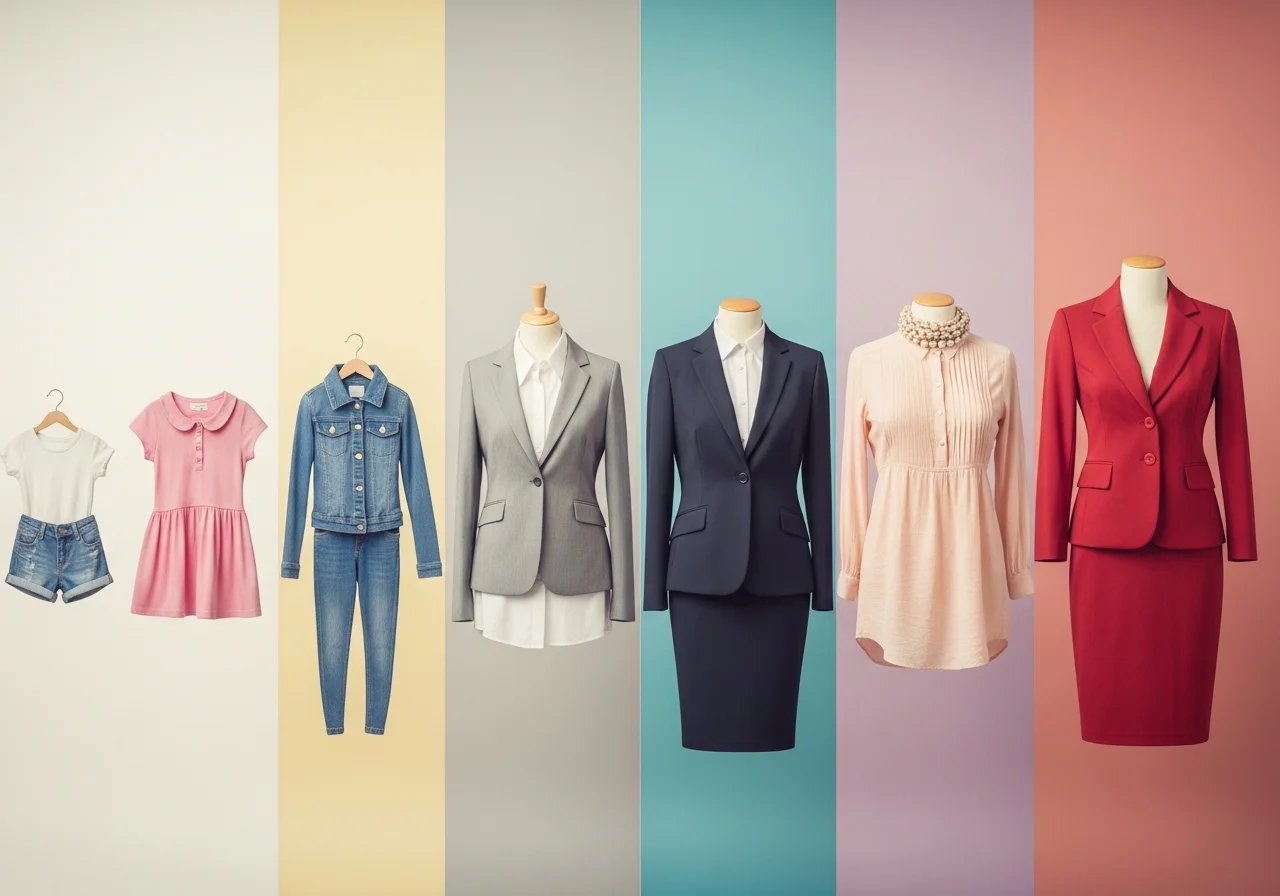
Your relationship with dopamine dressing will likely evolve over time as you grow and change. What brought you joy five years ago might not resonate the same way today, and that’s perfectly natural. Rather than viewing this as failure or inconsistency, embrace it as evidence of your ongoing development and increasing self-knowledge.
Allow yourself permission to let go of pieces that no longer serve you, even if they once brought tremendous joy. Clothing can carry us through specific chapters of our lives and then complete its purpose. Holding onto items out of guilt or nostalgia, when they no longer spark positive feelings, actually works against dopamine dressing principles. Your wardrobe should reflect who you are now, not who you used to be.
Similarly, don’t be afraid to experiment with new styles, colors, or silhouettes as you feel drawn to them. Dopamine dressing thrives on curiosity and openness to discovery. You might surprise yourself by finding joy in something you never would have considered before. Personal style isn’t static, and your dopamine-boosting wardrobe shouldn’t be either.
Conclusion
Dopamine dressing offers a refreshingly simple yet powerful approach to enhancing daily life through intentional clothing choices. By recognizing the genuine connection between what we wear and how we feel, this practice transforms getting dressed from a mundane routine into an opportunity for self-care and emotional support. The beauty of dopamine dressing lies not in following rigid rules or chasing trends, but in developing deeper awareness of your authentic preferences and honoring what truly brings you joy.
Whether you’re drawn to vibrant colors that energize you, perfectly tailored pieces that boost your confidence, or comfortable fabrics that provide physical ease, dopamine dressing validates your unique preferences and encourages you to prioritize them. This approach doesn’t promise to solve all of life’s challenges, but it does offer a practical, accessible way to support your mental wellbeing through daily choices you’re making anyway.
As you begin or deepen your dopamine dressing practice, remember that it’s fundamentally about tuning into yourself with kindness and curiosity. Pay attention to what makes you feel good, be willing to experiment, and give yourself permission to change your mind as you evolve. Your wardrobe can be more than just fabric and thread; it can be a tool for joy, a form of self-expression, and a daily reminder that your feelings and preferences matter. In choosing to dress for dopamine, you’re choosing to prioritize your own happiness in a small but meaningful way, and that choice ripples outward into everything else you do.
Frequently Asked Questions
Does dopamine dressing actually work scientifically?
While wearing certain clothes doesn’t directly cause dopamine release in the clinical sense, research in color psychology and enclothed cognition supports that clothing choices genuinely affect mood, confidence, and behavior. The positive feelings you experience when wearing something you love can influence your overall emotional state and how you interact with the world.
Can I practice dopamine dressing on a tight budget?
Absolutely. Dopamine dressing is about making intentional choices with what you already own, not buying new clothes. Start by identifying existing pieces that make you feel good and wearing them more often. When you do need new items, focus on quality over quantity and choose pieces that genuinely excite you rather than impulse purchases.
Is dopamine dressing appropriate for professional environments?
Yes. You can apply dopamine dressing principles in any setting by finding personal preferences within appropriate parameters. This might mean choosing your favorite professional color, adding a meaningful accessory, or selecting fabrics that feel good while remaining workplace-appropriate. The key is finding the intersection between requirements and personal joy.
What if I don’t know what makes me happy in clothing?
Start by noticing patterns in what you already reach for repeatedly. Pay attention throughout your day to when you feel particularly comfortable or confident in an outfit. Experiment with different colors, styles, and fabrics, noting how each makes you feel. Building this awareness takes time, so be patient with yourself as you learn.
Do I need to wear bright colors to practice dopamine dressing?
Not at all. While some people find joy in vibrant colors, others feel happiest in neutrals, earth tones, or monochromatic looks. Dopamine dressing is entirely personal; it’s about identifying and wearing whatever genuinely makes you feel good, regardless of color intensity. Your joy might come from texture, fit, or subtle details rather than bold hues.
You may also like this post: 5 Best Jeans Trends You’ll Love in 2026