How To Dress For A Black Tie Wedding: My Favorite Black Tie Wedding Outfits!
Receiving a black tie wedding invitation can spark both excitement and anxiety. While the prospect of attending an elegant evening celebration is thrilling, understanding exactly what to wear can feel overwhelming. After years of attending formal weddings and helping countless friends navigate this dress code, I’ve developed a deep appreciation for black tie attire and learned what truly works for these sophisticated occasions.
Black tie represents one of the most formal dress codes you’ll encounter outside of white tie events. It demands elegance, sophistication, and attention to detail. The good news is that once you understand the fundamental principles, dressing for a black tie wedding becomes an enjoyable opportunity to showcase your most polished self. This comprehensive guide will walk you through everything you need to know about black tie wedding attire, from understanding the dress code to selecting the perfect outfit and accessories.
Understanding The Black Tie Dress Code
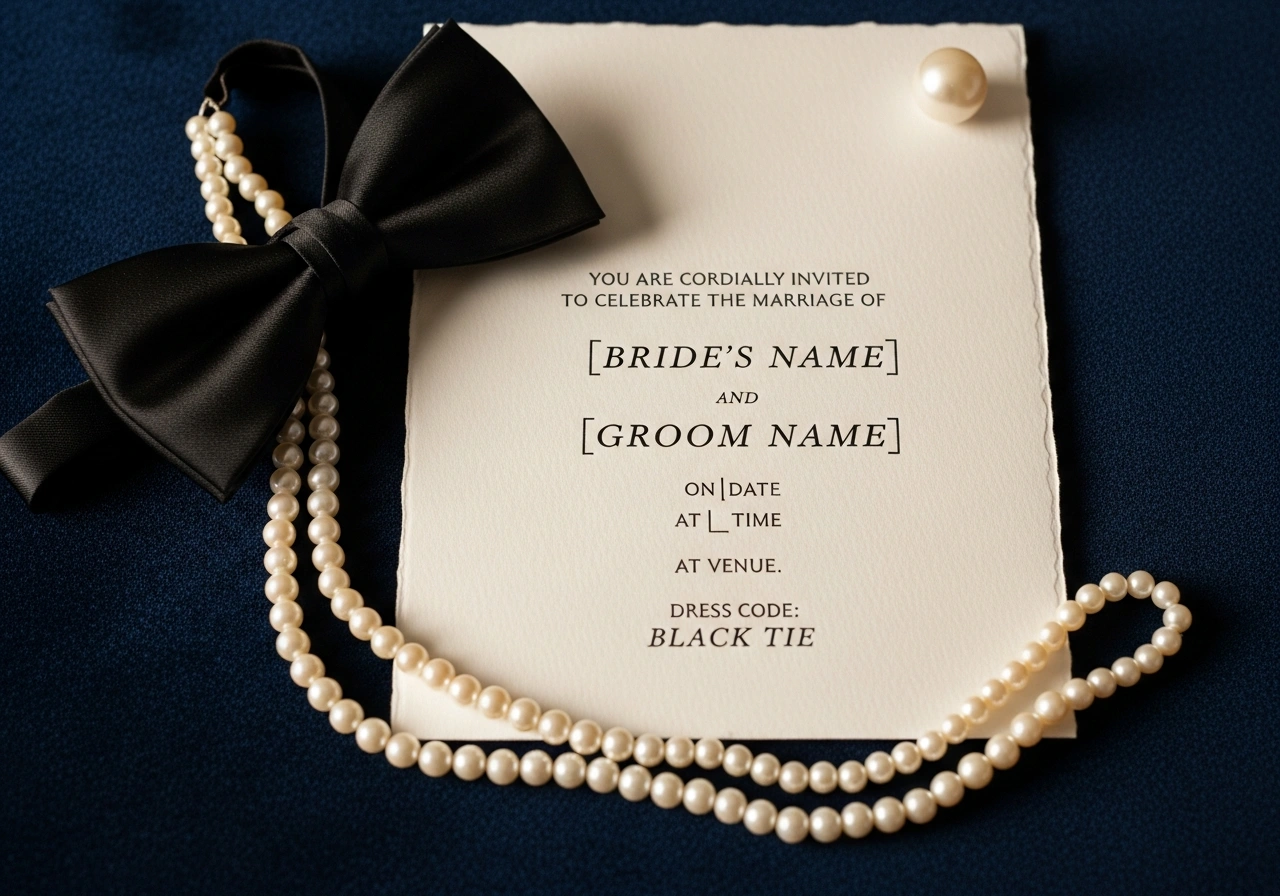
Black tie is a formal dress code typically reserved for evening events that begin at 6 PM or later. The term originated from the black bow tie traditionally worn with a tuxedo, and it signals that guests should dress in their most formal attire. Unlike casual or cocktail dress codes that offer significant flexibility, black tie has specific expectations that guests should respect.
The key to successfully dressing for a black tie wedding lies in understanding that this dress code celebrates tradition while allowing for personal expression within established boundaries. While strict interpretations exist, modern black tie has evolved to include more options, particularly for women, while maintaining its fundamental elegance and formality.
When you see black tie on a wedding invitation, the couple is communicating their desire for a sophisticated, formal celebration. They’ve likely invested considerable effort into creating an elegant atmosphere, and your attire should honor that vision.
Black Tie Attire For Women

Floor-Length Gowns
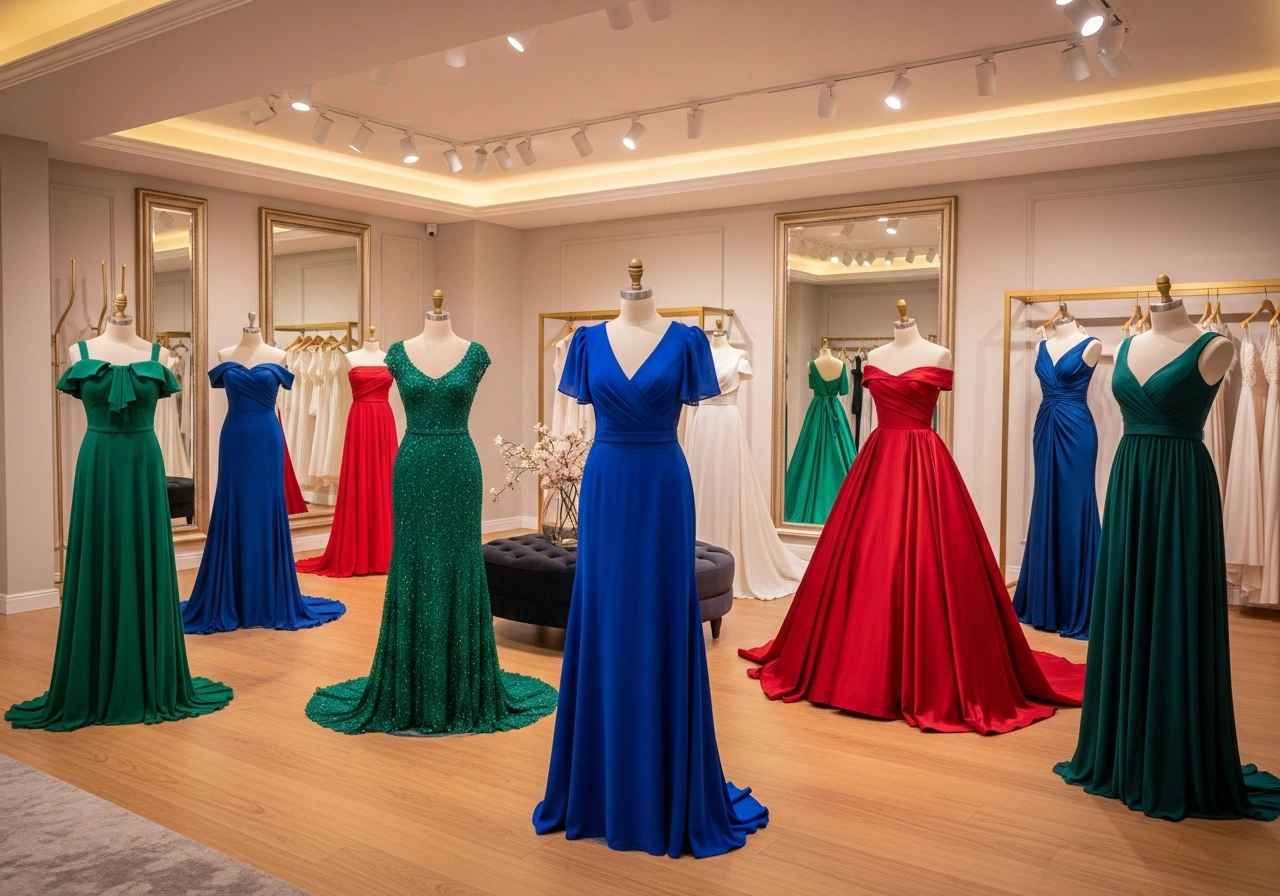
The quintessential black tie outfit for women is a floor-length evening gown. This remains the safest and most traditional choice. A well-chosen gown in luxurious fabric immediately conveys the appropriate level of formality and elegance.
When selecting a floor-length gown, consider silhouettes that flatter your body type. A-line gowns work beautifully for most figures, providing elegance without excessive volume. Sheath dresses offer a sleek, modern look for those who prefer streamlined silhouettes. Ball gowns create dramatic impact and work wonderfully for those who want to make a statement.
Fabric choice matters enormously at black tie events. Opt for luxurious materials like silk, satin, velvet, chiffon, or high-quality crepe. These fabrics catch light beautifully and photograph well, both important considerations for wedding celebrations. Avoid casual fabrics like cotton or jersey, which don’t convey the necessary formality.
Sophisticated Midi and Tea-Length Options

While floor-length gowns represent the traditional choice, modern black tie allows for elegant midi-length and tea-length dresses under certain circumstances. These work best for black tie optional events or afternoon ceremonies that extend into evening.
If choosing a shorter length, the dress must compensate through exceptional fabric quality, sophisticated styling, and elevated details. Think structured silhouettes in rich fabrics with interesting necklines or subtle embellishments. A beautifully tailored midi dress in silk or satin with elegant draping can absolutely work for less strict black tie interpretations.
However, understand that some purists may view anything shorter than floor-length as insufficiently formal. When in doubt, go long.
3 Timeless Black Tie Gown Styles I Always Recommend
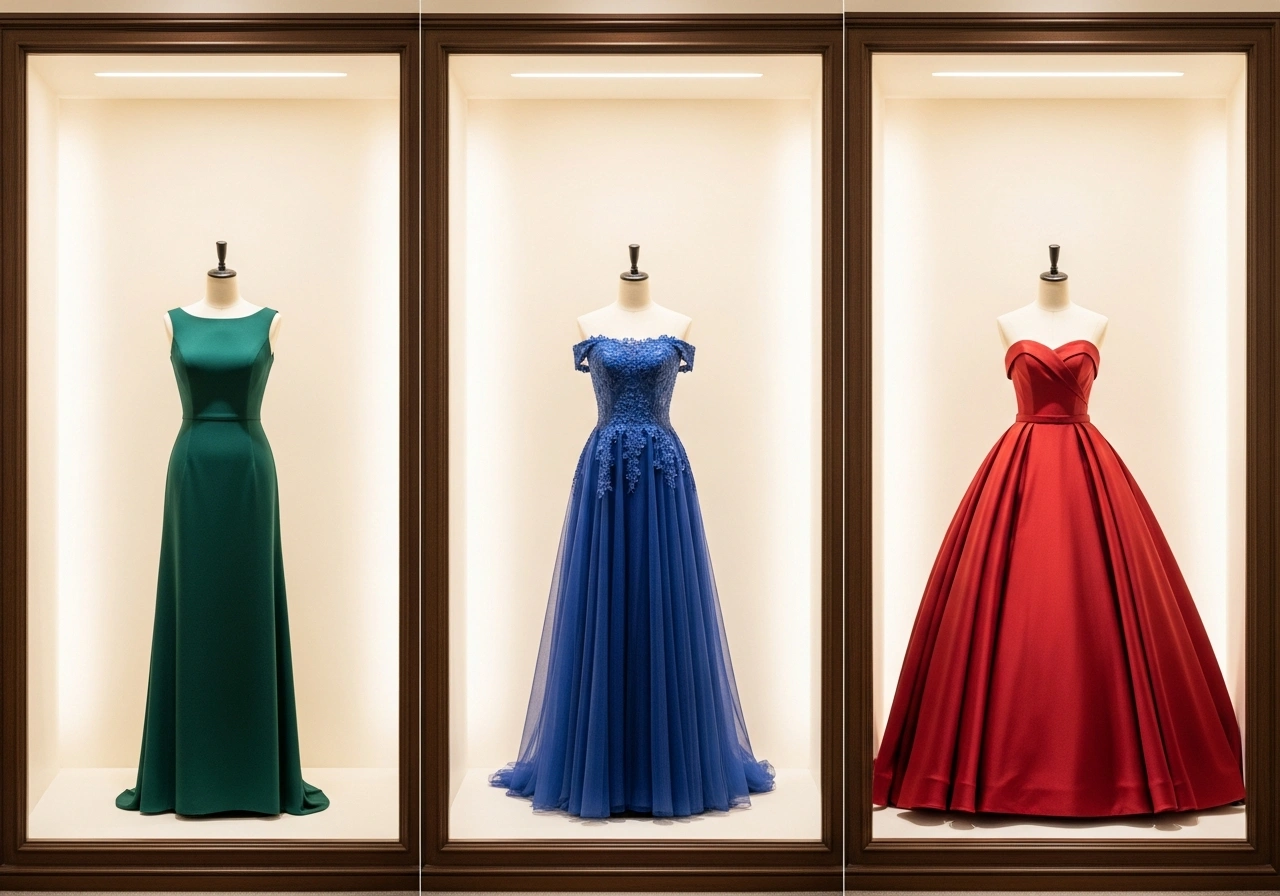
The Classic Column Gown
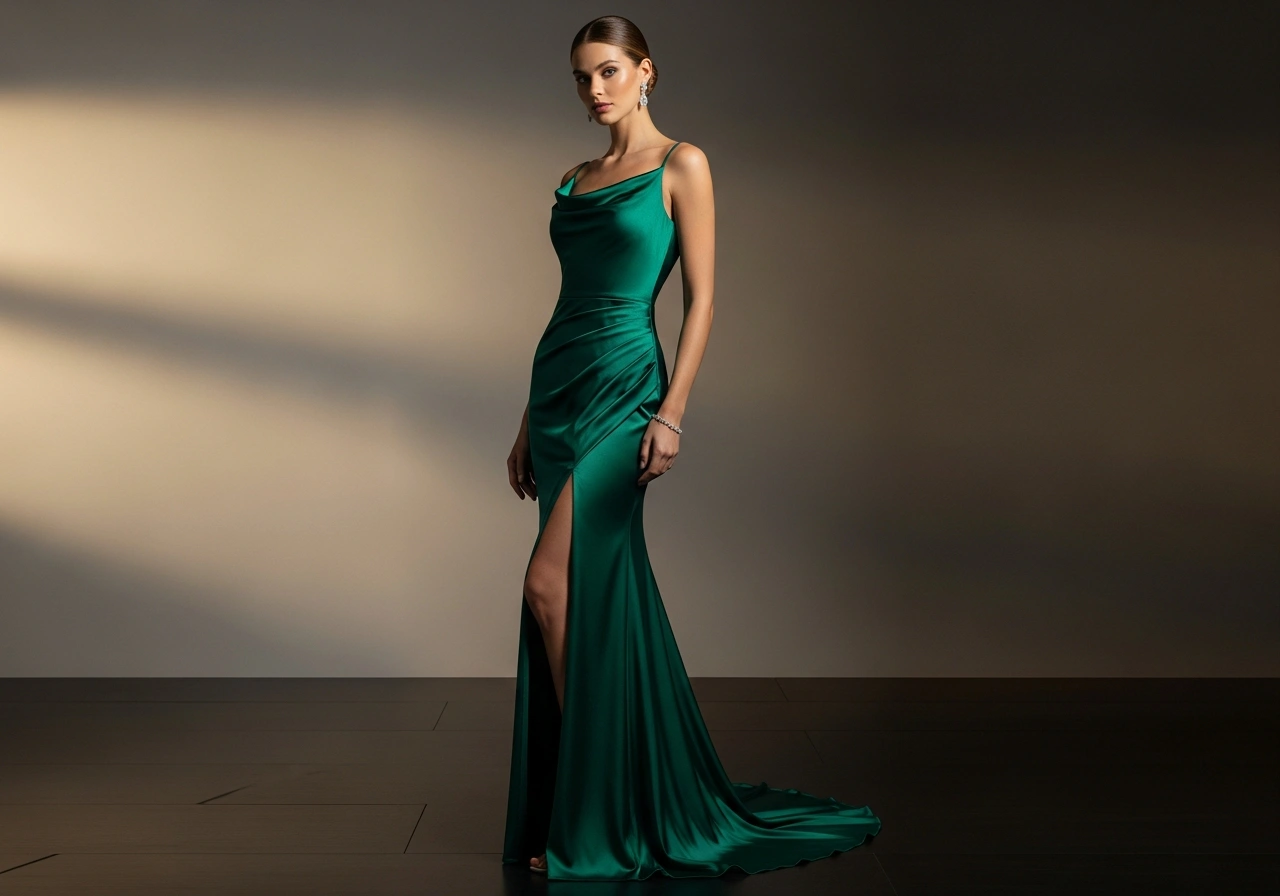
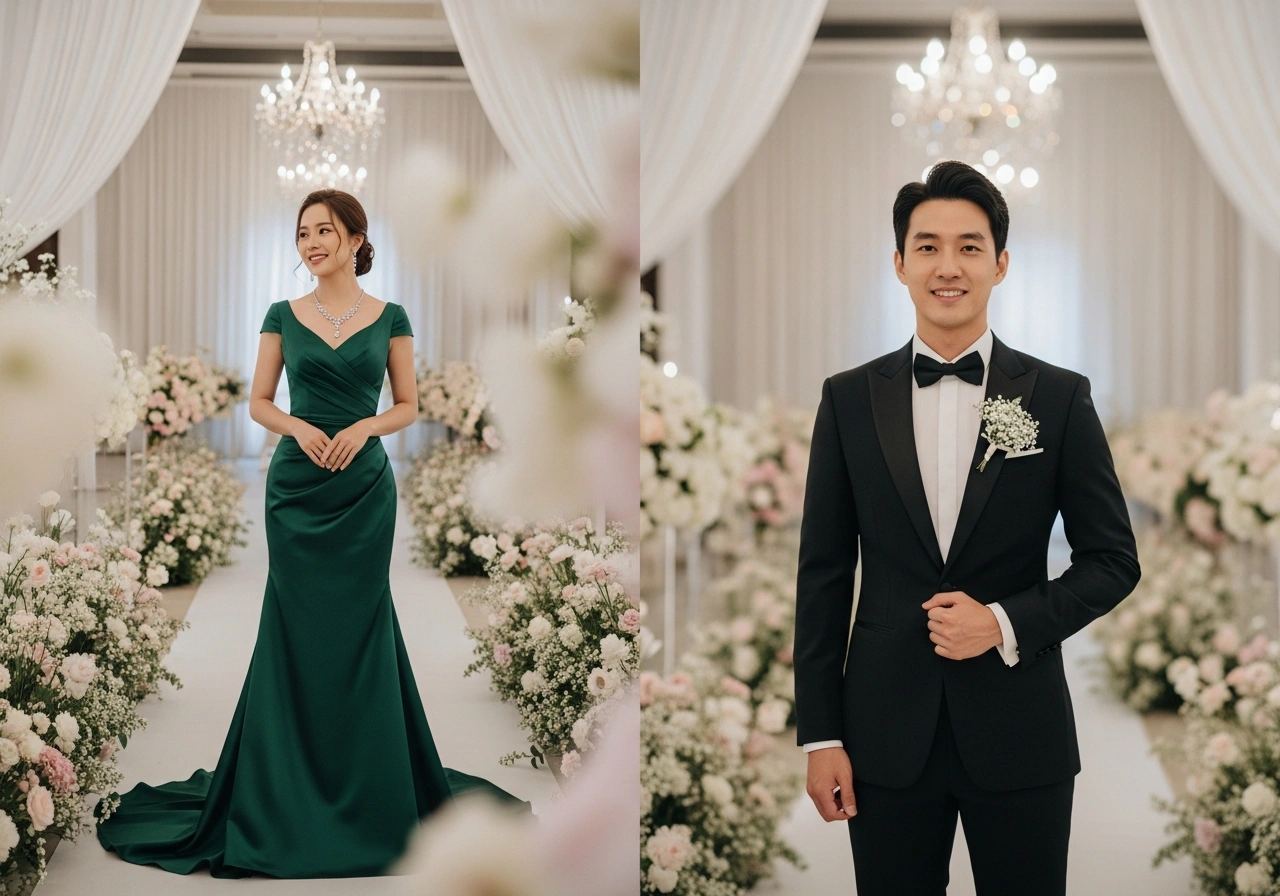
A column or sheath gown creates an effortlessly elegant silhouette that never goes out of style. This streamlined option works particularly well for modern, minimalist aesthetics. I’m especially fond of column gowns in deep jewel tones like emerald, sapphire, or ruby, which photograph beautifully and stand out in a sea of neutral tones.
The beauty of a column gown lies in its simplicity. Without excessive embellishment or volume, the focus shifts to fabric quality and fit. This style particularly flatters tall, slender figures but can work for various body types when properly tailored.
Look for interesting details like cowl necklines, elegant back details, or subtle side slits that add visual interest without compromising sophistication. Pair with statement jewelry to complete the look.
The Romantic Off-Shoulder Style

Off-shoulder and one-shoulder gowns offer a perfect balance between traditional elegance and contemporary style. These necklines create beautiful frames for the face and décolletage while maintaining appropriate coverage for formal events.
I consistently recommend this style because it photographs exceptionally well and works across seasons. In cooler months, the off-shoulder look pairs beautifully with an elegant wrap or shawl. During warmer seasons, it provides a sophisticated way to stay comfortable while maintaining formality.
Choose fabrics with enough structure to support the off-shoulder design without constant adjustment throughout the evening. Nothing undermines elegance quite like repeatedly pulling up your dress.
The Statement Ball Gown
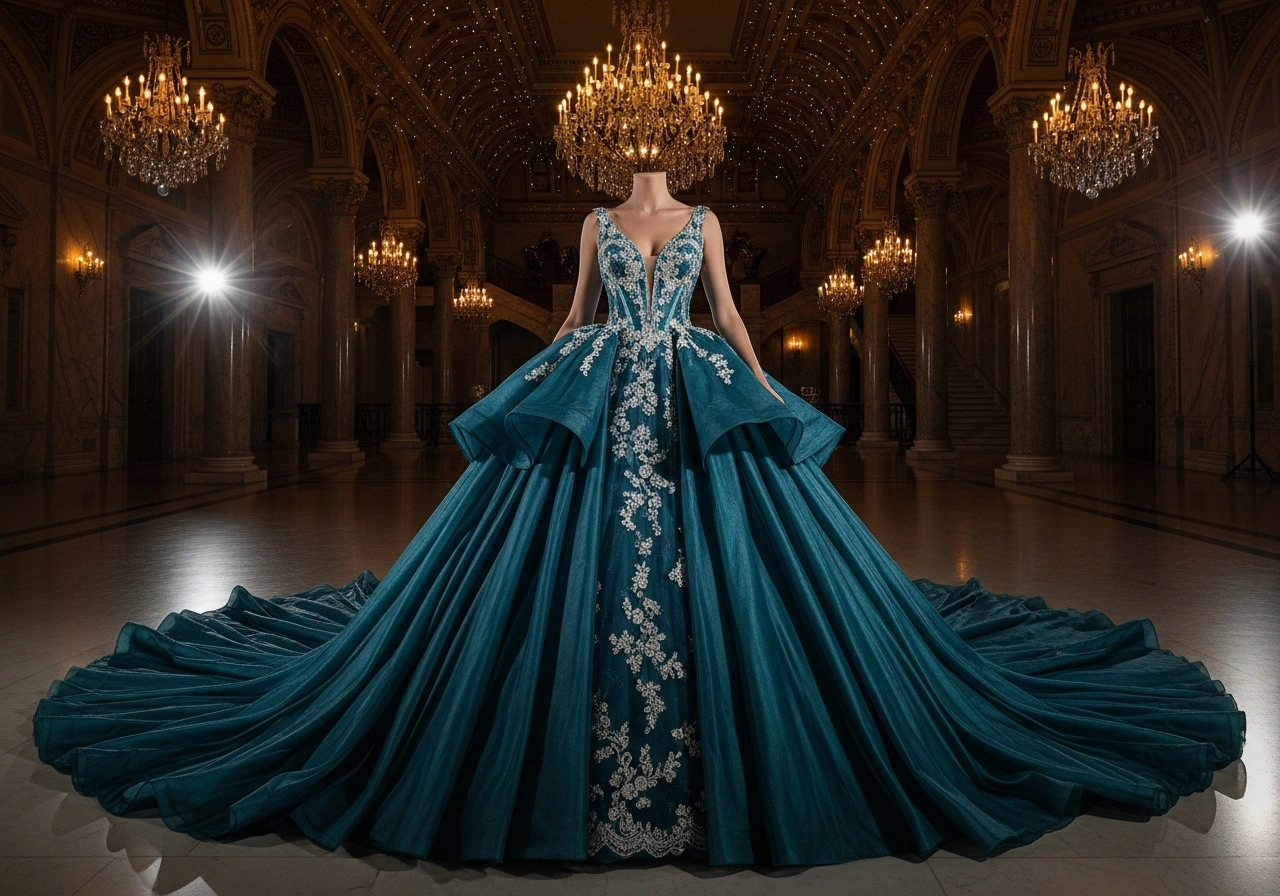
For those who want to embrace full black tie glamour, a ball gown delivers unmatched impact. The full skirt creates a dramatic silhouette that celebrates the formality of the occasion while allowing you to feel like the belle of the ball.
Ball gowns work especially well for winter weddings and grand venues where the scale of the space calls for equally grand attire. Modern versions often feature interesting bodice details, unexpected color combinations, or contemporary fabric choices that prevent them from feeling costume-like.
This style particularly suits those who love traditional femininity and aren’t afraid of volume. Just ensure you can move comfortably, navigate tight spaces, and sit down without excessive fabric management.
Black Tie Attire For Men
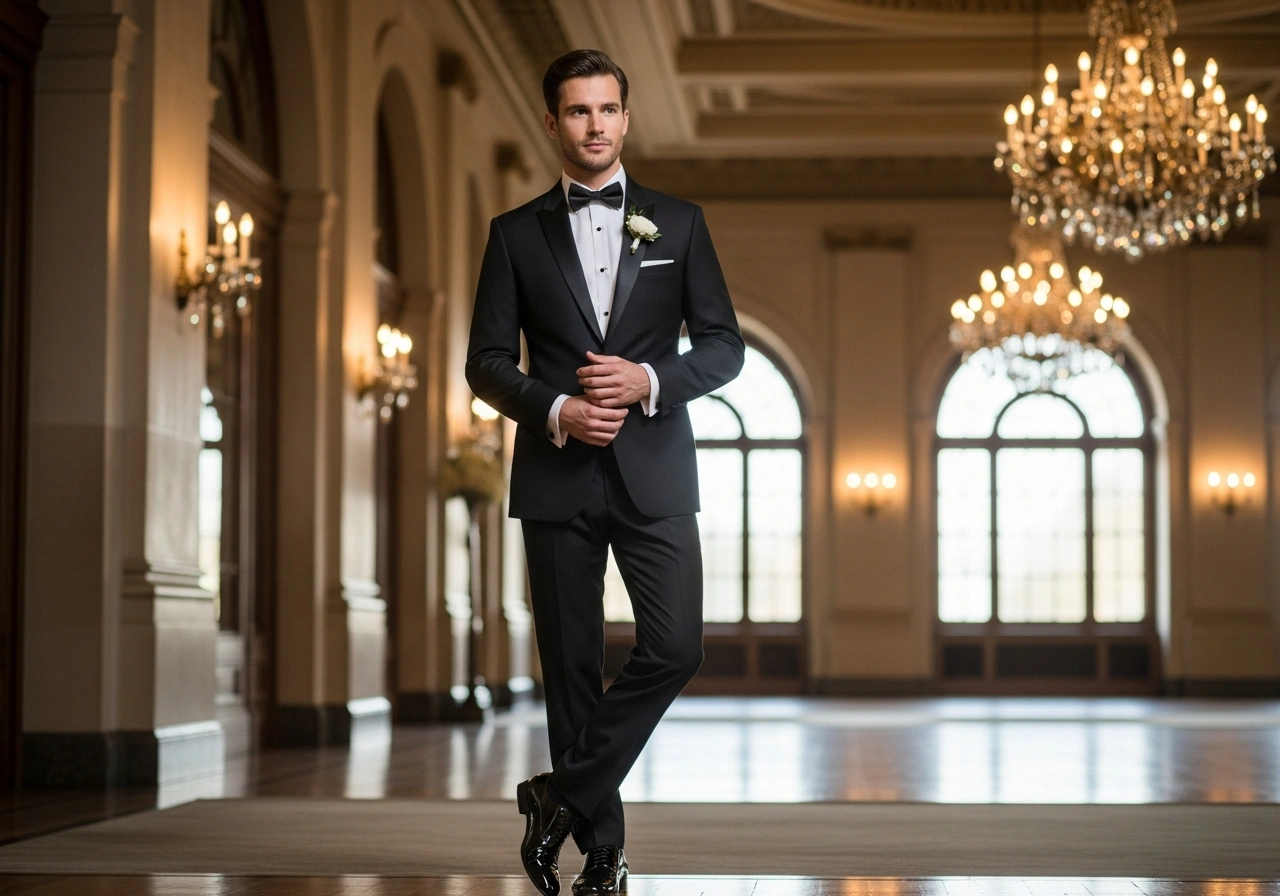
The Traditional Tuxedo
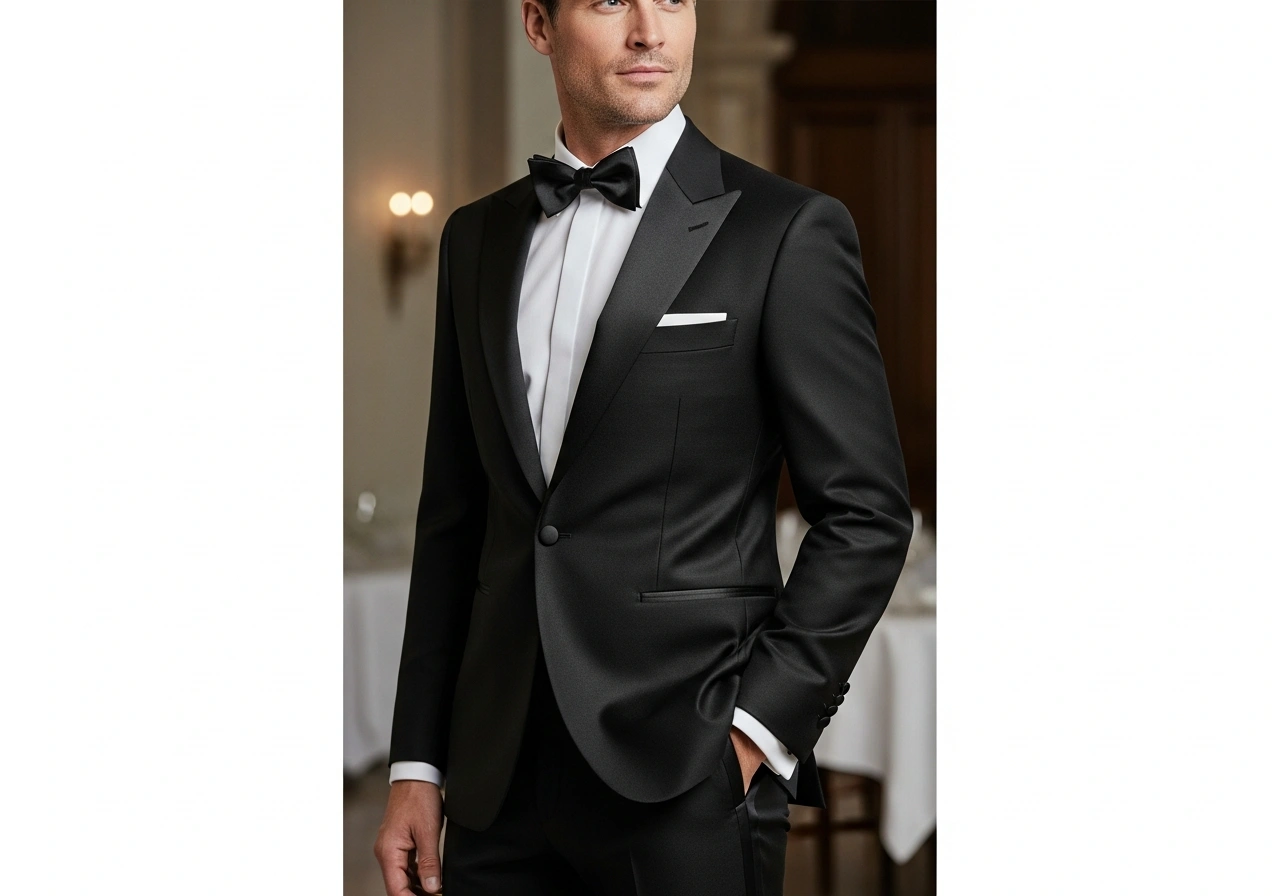
For men, black tie dress code means one thing: a tuxedo. This isn’t the place for your sharpest business suit, no matter how expensive or well-tailored. A proper tuxedo consists of specific elements that distinguish it from regular suits.
The jacket should be black or midnight blue with satin or grosgrain lapels. Peak lapels or shawl collars are traditional choices, though notch lapels appear on some modern tuxedos. The jacket should fit impeccably through the shoulders and chest, with sleeves ending at your wrist bone.
Tuxedo trousers feature a satin stripe down the outer seam and should break slightly on your shoes without excessive pooling. They’re worn with suspenders rather than belts, as belts are considered too casual for black tie.
Shirt and Accessories
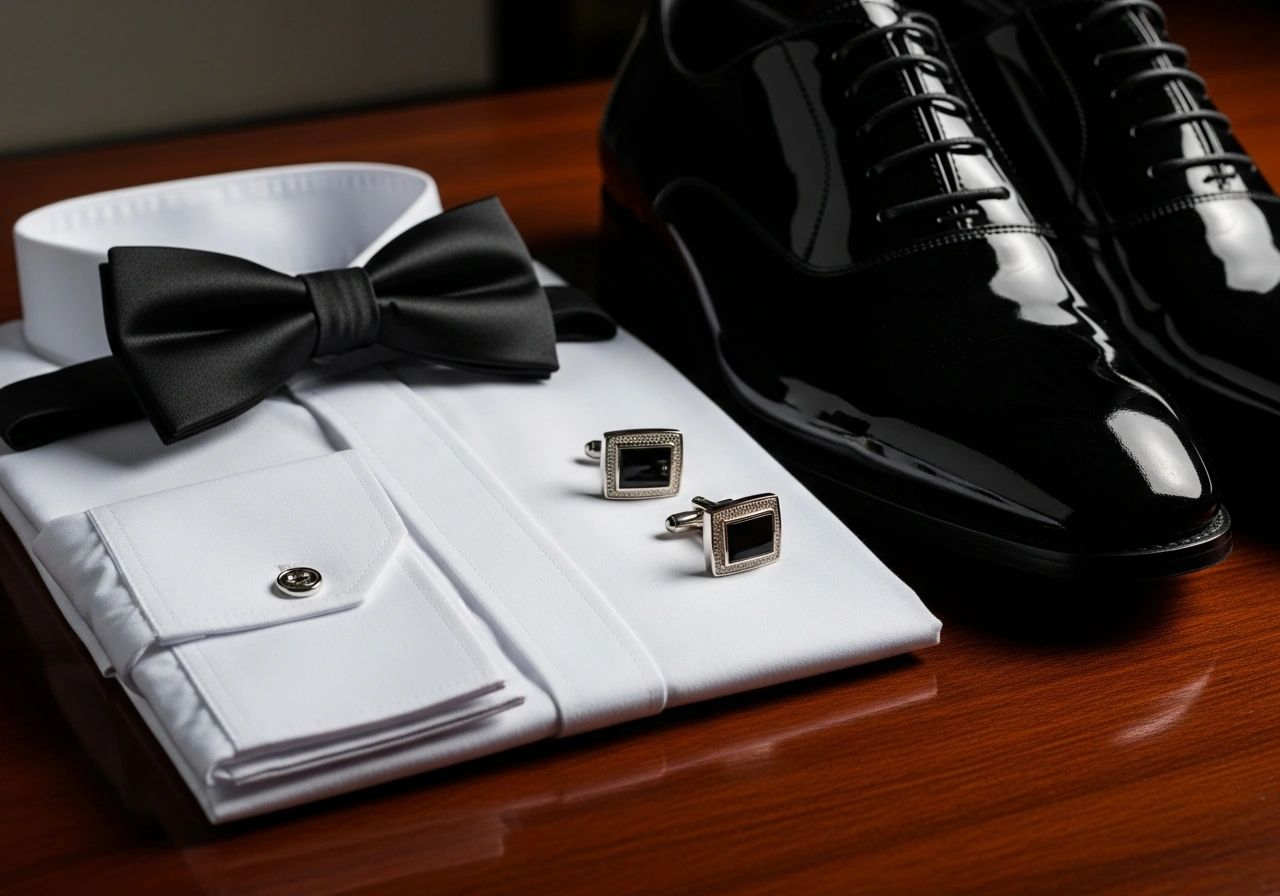
The shirt should be white with a turn-down collar or wing collar. French cuffs requiring cufflinks add an extra touch of formality. While pleated fronts were once standard, modern tuxedo shirts often feature clean, flat fronts that create sleeker lines.
The bow tie should match your lapel facing in black satin or grosgrain. While pre-tied options exist, learning to tie a proper bow tie elevates your look and ensures the perfect fit. The slightly imperfect look of a hand-tied bow tie actually appears more authentic than the geometric precision of pre-tied versions.
Patent leather oxford shoes or opera pumps complete the traditional look. Ensure they’re perfectly polished and in excellent condition. Your shoes will be visible throughout the evening, particularly while dancing or seated.
Modern Tuxedo Variations
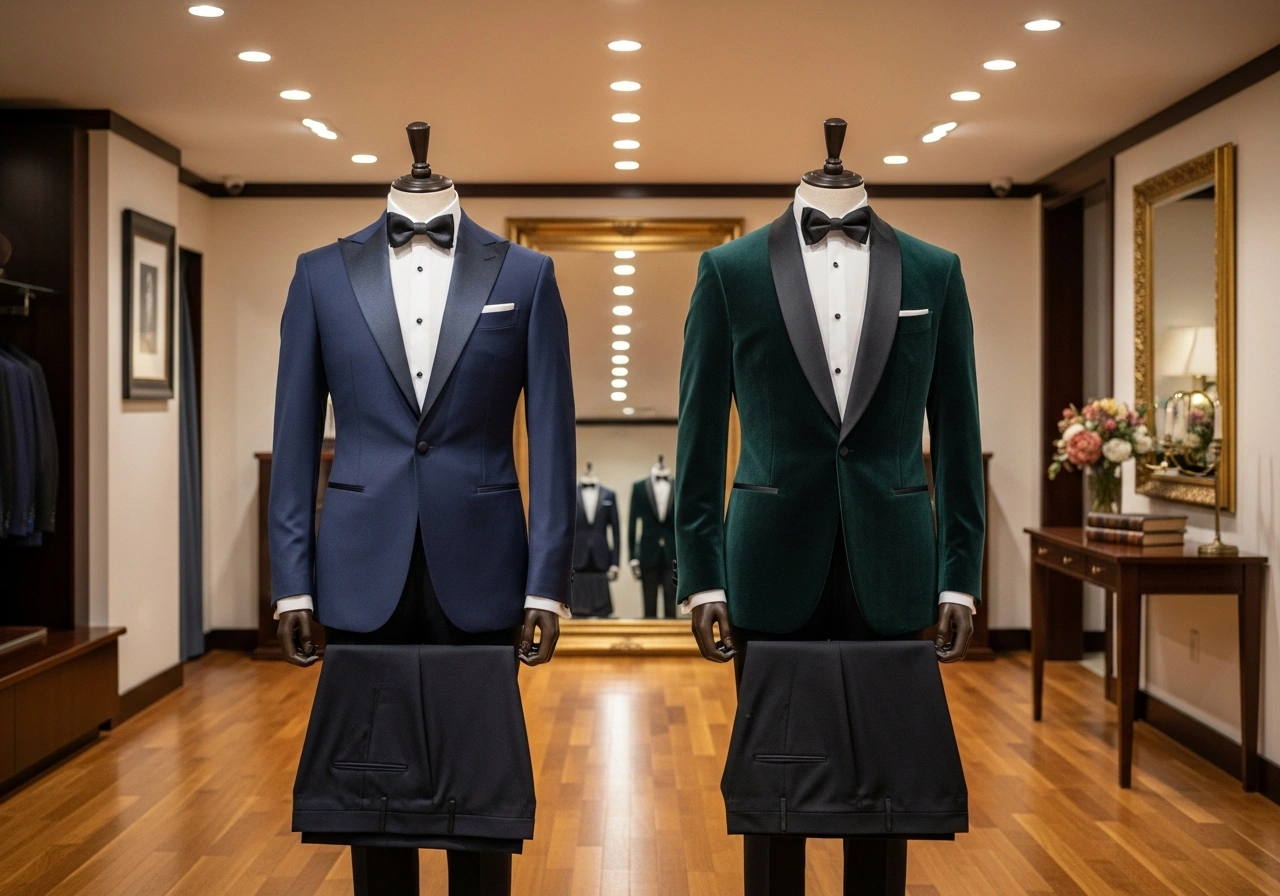
Contemporary black tie allows for some tasteful variations. Midnight blue tuxedos have gained acceptance and actually photograph as darker than black under certain lighting. Velvet dinner jackets in deep colors create sophisticated alternatives for winter events, though they work best paired with traditional tuxedo trousers.
Slim-fit tuxedos offer modern silhouettes while maintaining proper formality. However, avoid overly trendy cuts that might date poorly in photographs or appear too casual.
4 Essential Considerations For Your Black Tie Wedding Outfit
Seasonal Appropriateness
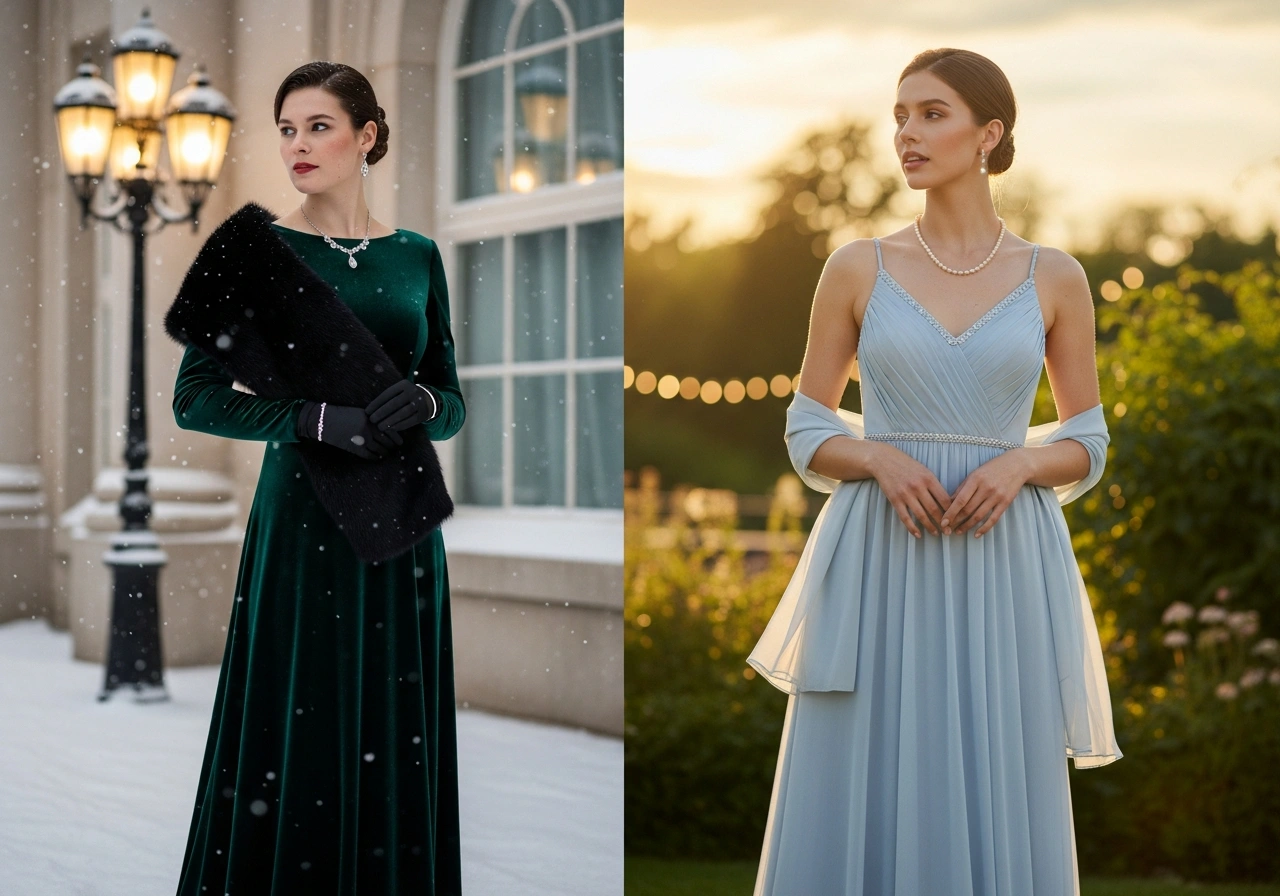
Season significantly impacts fabric and style choices. Winter black tie events call for heavier fabrics like velvet, brocade, or substantial silk. Long sleeves, higher necklines, and deeper colors feel naturally appropriate. Jewel tones, burgundy, navy, and even elegant black work beautifully for cold-weather celebrations.
Summer and spring weddings allow for lighter fabrics like chiffon, organza, or lightweight silk. Pastel shades, lighter jewel tones, and even tasteful metallics suit warmer seasons. However, maintain sophistication by avoiding overly bright or casual-feeling colors.
Consider the venue’s climate control. Outdoor evening receptions might be cool even in summer, while indoor winter weddings can be quite warm. Bring an elegant wrap, shawl, or jacket that complements your outfit rather than detracting from it.
Color Selection Strategy
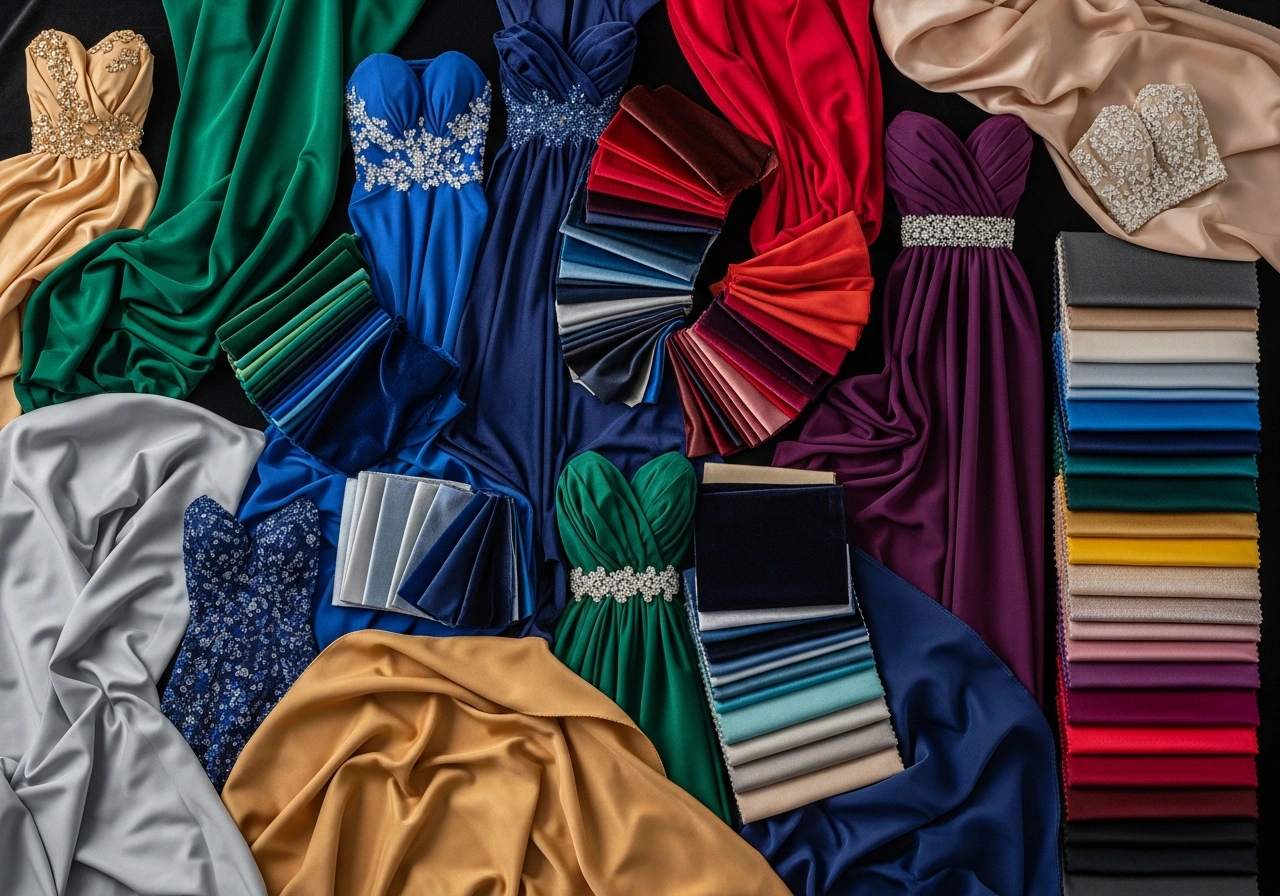
While black remains a classic choice for black tie events, it’s no longer the only option. In fact, wearing color can help you stand out in photographs and showcase your personal style.
Rich jewel tones like emerald green, sapphire blue, deep purple, and ruby red consistently work well for black tie weddings. These colors photograph beautifully, work across seasons, and convey appropriate formality. Metallics like gold, silver, or bronze add glamour while remaining sophisticated.
Navy and burgundy offer elegant alternatives to black while maintaining similar versatility. Blush, champagne, and other soft metallics work particularly well for spring and summer celebrations.
Avoid wearing white, ivory, or anything that could be mistaken for bridal colors unless specifically requested by the couple. Similarly, skip overly casual colors like bright orange, lime green, or other shades that feel more appropriate for daytime events.
Appropriate Accessories
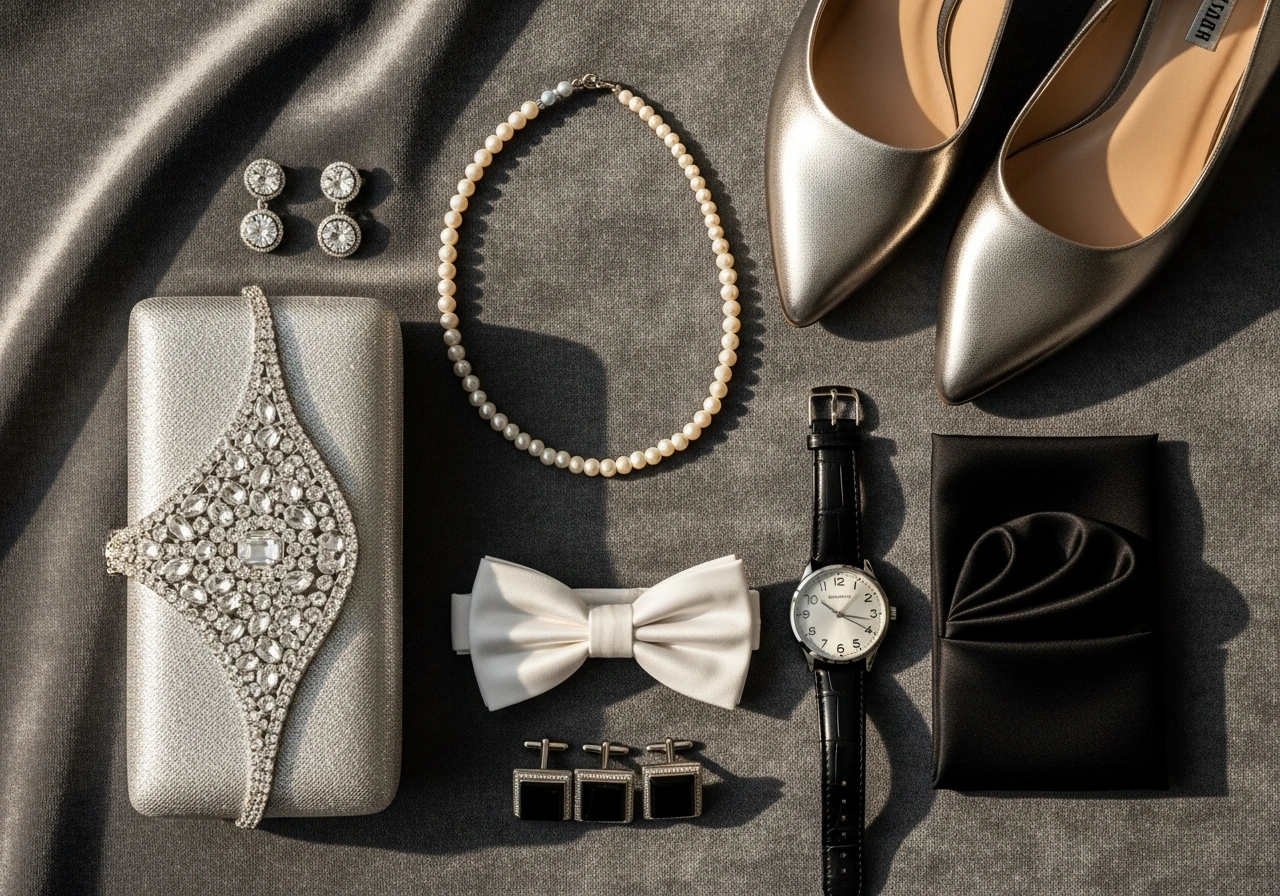
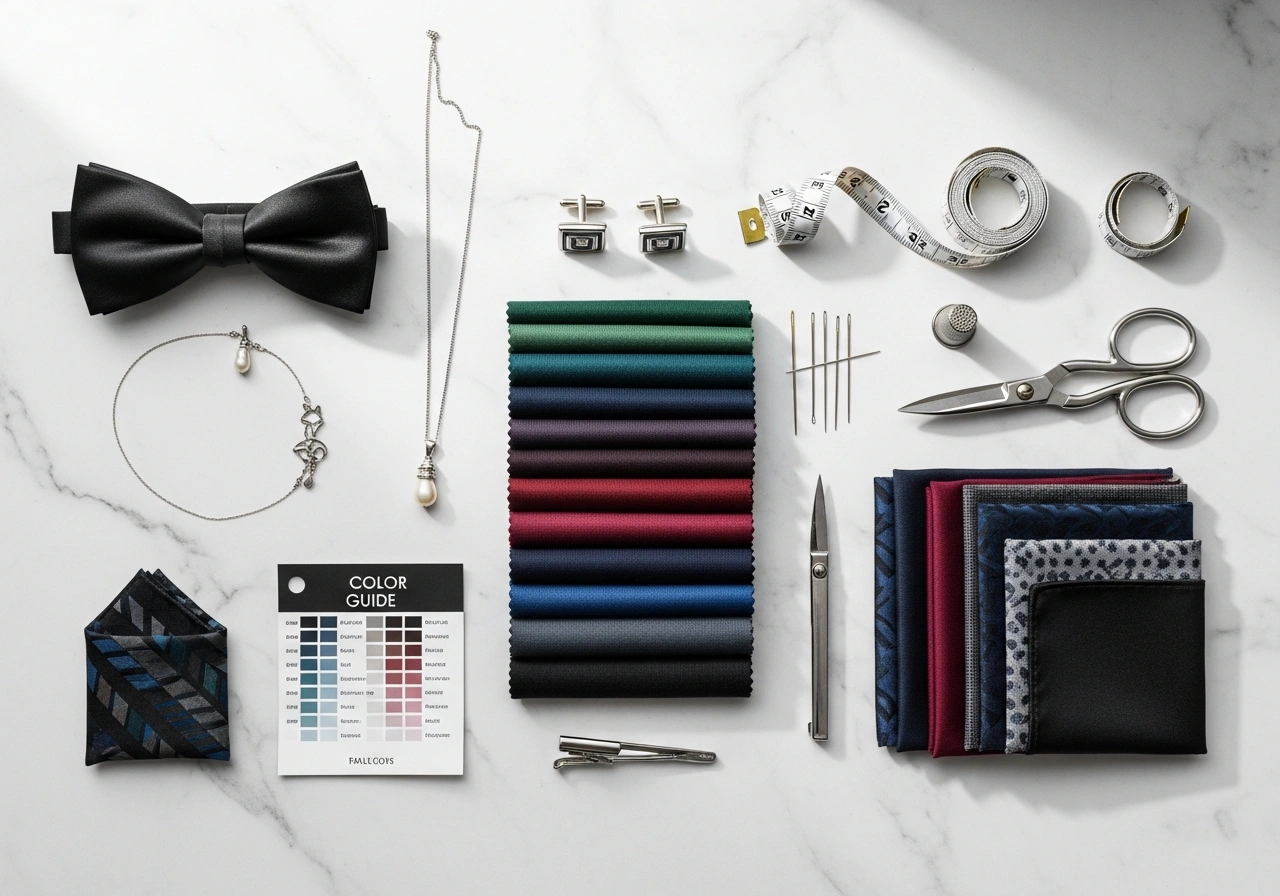
Accessories complete your black tie look and provide opportunities for personal expression within formal guidelines. For women, elegant jewelry adds polish without overwhelming your gown. If your dress features significant embellishment or detail, keep jewelry minimal. Simpler gowns can handle more dramatic jewelry.
Evening bags should be small, elegant clutches rather than practical daytime purses. Metallic tones, satin, or embellished options work well. Ensure it’s large enough for essentials like your phone, lipstick, and a small compact, but avoid anything resembling a casual handbag.
Shoes deserve special attention. For women, elegant heels in complementary colors work best. Metallic shoes offer versatility if you attend multiple formal events. Ensure they’re comfortable enough for an evening of standing, dancing, and celebrating. Break them in before the wedding.
Men should invest in quality accessories. Mother-of-pearl or onyx cufflinks, a silk pocket square, and a classic watch complete the tuxedo. Avoid novelty items or anything too casual.
Conclusion
Dressing for a black tie wedding need not feel stressful once you understand the fundamental principles. This dress code celebrates elegance, sophistication, and the importance of the occasion. Whether you choose a traditional floor-length gown, a perfectly tailored tuxedo, or a modern interpretation within appropriate boundaries, the goal remains the same: looking polished, respectful, and celebration-ready.
Remember that black tie attire honors both the couple’s vision for their wedding and the significance of their celebration. When you invest effort into dressing appropriately, you’re demonstrating respect for their special day while ensuring you look and feel your best.
The key elements remain consistent: formal silhouettes, luxurious fabrics, appropriate accessories, and impeccable fit. Within these guidelines, you have room for personal expression through color choices, style preferences, and individual touches. Trust your instincts, prioritize quality over trends, and don’t forget that confidence completes any outfit. With these principles in mind, you’ll navigate black tie weddings with grace and style, creating your own memorable moments at these elegant celebrations.
You may also like this post :How To Style Dress Over Jeans: 11 Chic Ideas I Can’t Stop Wearing
Frequently Asked Questions
Can I wear a cocktail dress to a black tie wedding?
A cocktail dress is generally too casual for strict black tie events. Black tie traditionally calls for floor-length gowns. However, for black tie optional events, an exceptionally elegant cocktail dress in luxurious fabric might work. When in doubt, choose a floor-length option to ensure you meet dress code expectations.
Is it acceptable for men to wear a dark suit instead of a tuxedo?
For true black tie events, a dark suit is not appropriate. Black tie specifically means a tuxedo. If you don’t own a tuxedo, renting is perfectly acceptable and often more practical than purchasing. Only at black tie optional events can men substitute a very formal dark suit for a tuxedo.
What colors should I avoid wearing to a black tie wedding?
Avoid white, ivory, cream, or anything that could be mistaken for bridal colors unless specifically requested by the couple. Also skip overly casual or bright colors like neon shades, bright orange, or lime green. These feel too informal for black tie events and may photograph poorly.
Are open-toed shoes acceptable for black tie weddings?
Open-toed shoes are generally acceptable for women at black tie weddings, provided they’re elegant evening shoes rather than casual sandals. Choose sophisticated styles in appropriate materials like satin or metallic leather. Ensure your feet are well-groomed if wearing open-toed options.
How far in advance should I shop for black tie wedding attire?
Start shopping at least two to three months before the wedding to allow time for ordering, shipping, and alterations. Popular formal wear sells out quickly, especially during peak wedding season. Early shopping also reduces stress and ensures you find something you truly love rather than settling for whatever remains available.
One Comment