
How To Layer Your Clothes Like A Pro Stylist!
Mastering the art of clothing layers transforms ordinary outfits into sophisticated ensembles that showcase both style and functionality. Professional stylists understand that layering goes far beyond simply piling on clothes when the temperature drops. It’s a calculated approach to building outfits that create visual interest, flattering proportions, and versatile looks that adapt to changing environments throughout your day.
The ability to layer effectively separates those who merely get dressed from those who truly understand fashion. When executed properly, layering adds dimension to your appearance, allows you to express creativity through combining different pieces, and maximizes the versatility of your existing wardrobe. Whether you’re navigating unpredictable weather, transitioning from office meetings to evening events, or simply wanting to elevate your everyday style, understanding professional layering techniques will revolutionize how you approach getting dressed each morning.
This comprehensive guide breaks down everything you need to know about layering clothes like a professional stylist, from foundational principles to advanced techniques that will have you creating magazine-worthy outfits with confidence.
Understanding The Foundation Of Professional Layering

The foundation of successful layering begins with recognizing that every outfit consists of distinct layers serving specific purposes. Professional stylists work with a systematic approach rather than randomly combining garments. The base layer sits closest to your skin and should prioritize comfort and fit. This includes items like fitted t-shirts, camisoles, tank tops, or thin turtlenecks. The key is selecting pieces that skim your body without adding bulk or creating visible lines under subsequent layers.
Your mid layer provides the primary opportunity for adding visual interest and warmth. This category encompasses sweaters, button-down shirts, lightweight knits, cardigans, and similar pieces that build upon your base. The outer layer completes your ensemble and typically includes jackets, coats, blazers, or vests that protect against elements while making a statement about your overall style.
Understanding these three fundamental categories helps you approach layering strategically rather than haphazardly throwing on multiple garments. Each layer should complement the others in terms of fit, color, and overall aesthetic while serving a functional purpose.
The Rule Of Three And Why It Works
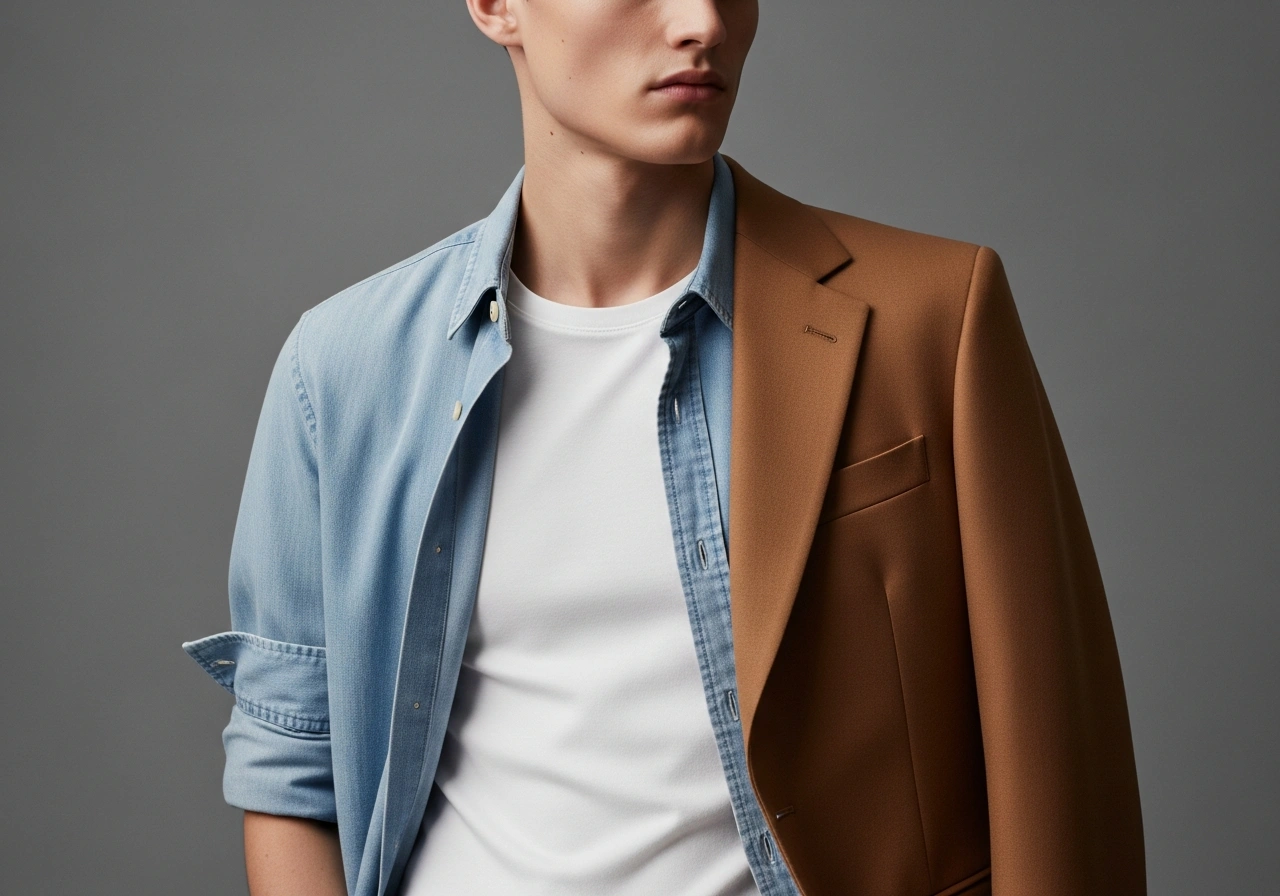
Professional stylists often reference the rule of three when creating layered outfits. This principle suggests that three layers create the most visually balanced and aesthetically pleasing result. Going beyond three layers risks appearing bulky or overdone, while fewer than three can look incomplete or underwhelming for deliberately layered looks.
The rule of three works because it creates natural visual progression and allows each piece to be seen and appreciated. For example, a fitted white t-shirt paired with a chambray button-down and a camel blazer creates three distinct layers that work harmoniously. Each piece remains visible, contributing to the overall composition without overwhelming the silhouette.
This doesn’t mean you should never wear only two layers or occasionally add a fourth element like a scarf. Rather, it serves as a reliable guideline for building well-proportioned outfits that look intentionally styled rather than accidentally assembled.
Mastering Proportions And Fit
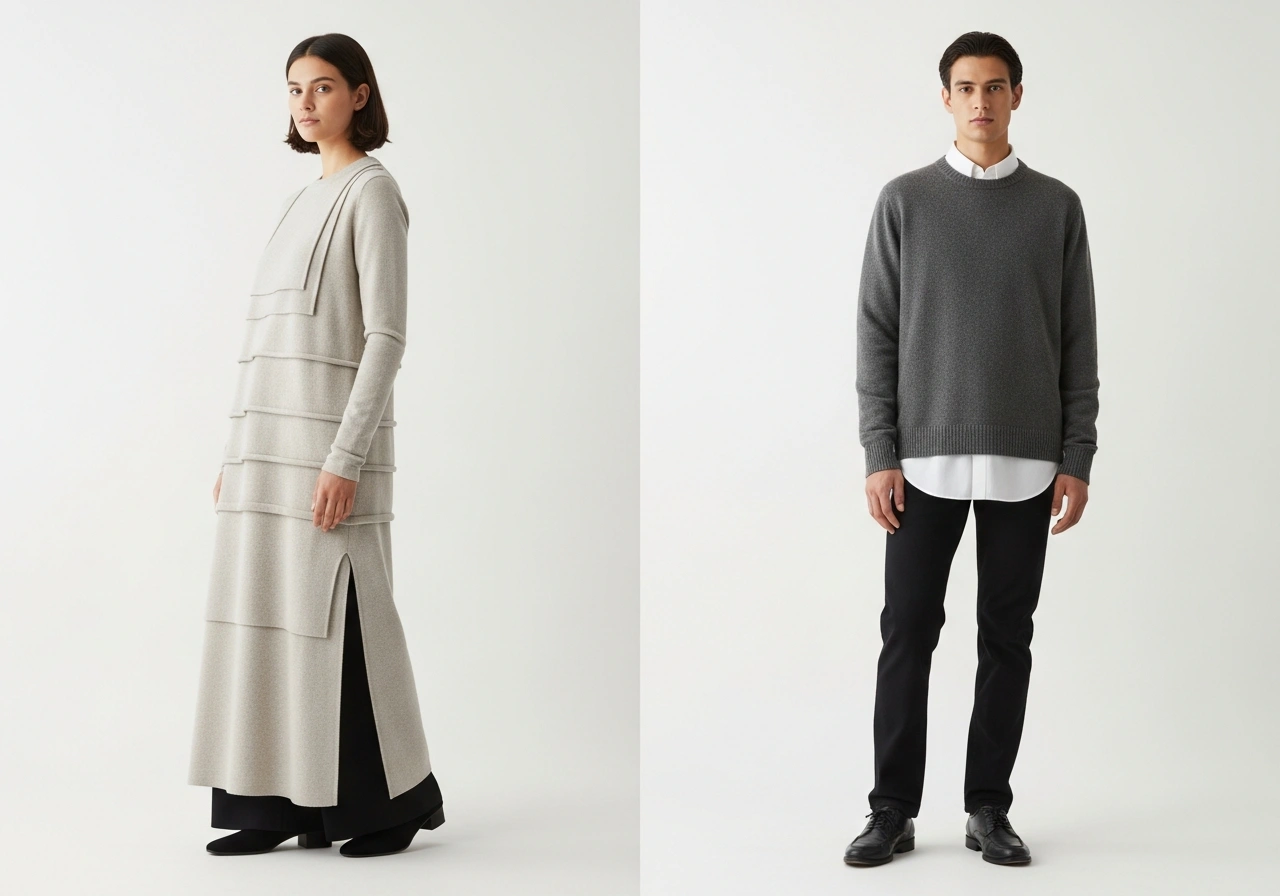
The difference between sloppy layering and professional styling often comes down to understanding proportions. Each layer should vary slightly in length and volume to create a balanced silhouette. When all your layers end at the same point or match in width, the outfit appears boxy and unflattering.
Professional stylists play with different combinations of fitted and loose pieces to create visual interest. A common approach involves pairing slim-fitting pieces with more relaxed garments. For instance, wearing a fitted turtleneck under an oversized sweater, topped with a structured blazer creates dimension through contrasting proportions. The fitted base prevents bulk, the oversized middle adds comfort and style, and the structured outer layer provides polish.
Length variation also plays a crucial role in successful layering. Allow different layers to peek out strategically. A longer shirt hem extending beneath a sweater, or a coat that falls several inches below a blazer creates intentional styling moments that demonstrate attention to detail. Aim for each visible layer to show between one to three inches of the layer beneath it for optimal visual effect.
Working With Different Fabrics And Textures
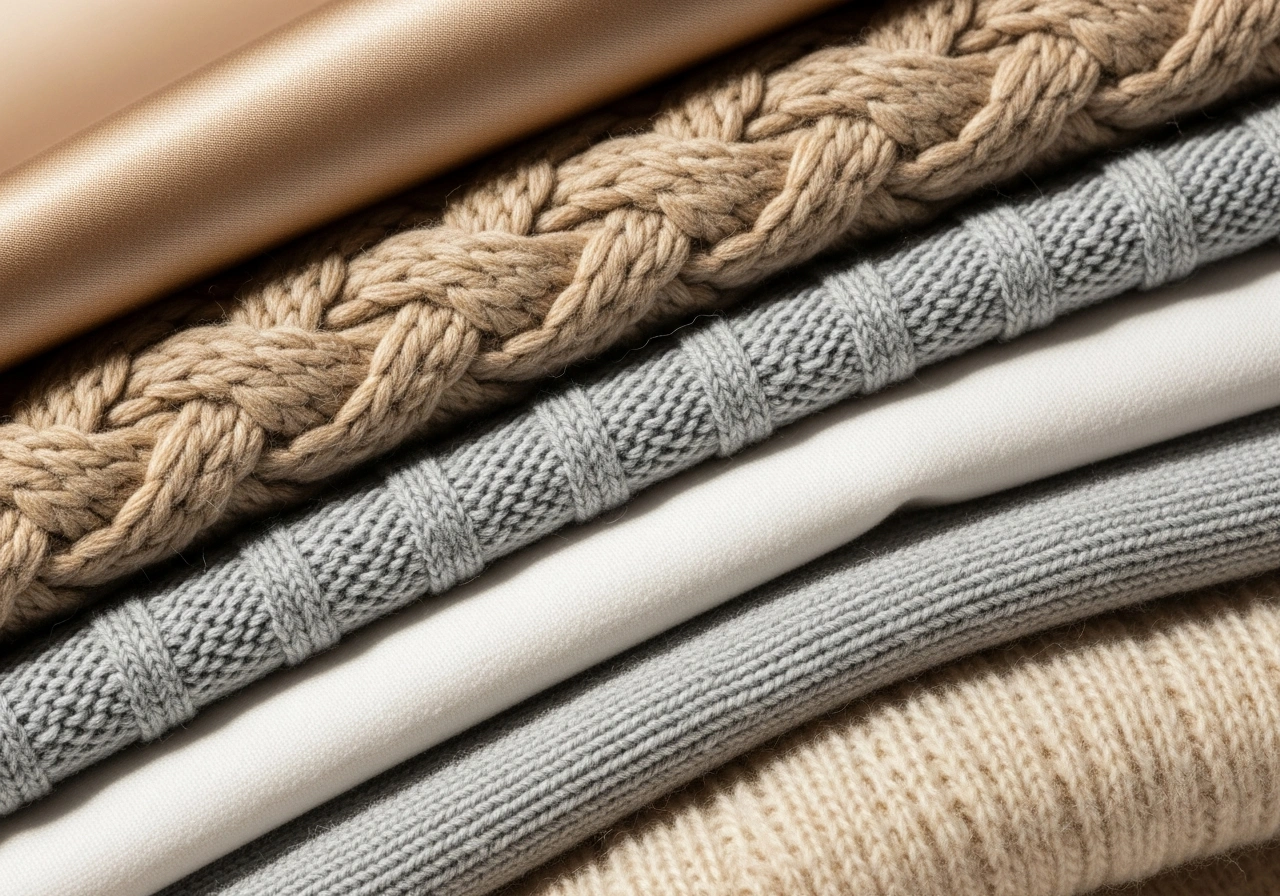
Combining various fabrics and textures elevates layered outfits from basic to exceptional. Professional stylists understand that mixing materials creates depth and visual intrigue that monochromatic or single-texture outfits cannot achieve. The key is balancing different weights and finishes to complement rather than compete with each other.
Start by considering the weight of each fabric. Lighter materials work best for base layers, with progressively heavier fabrics moving outward. A silk camisole under a cotton shirt, topped with a wool blazer follows this natural progression. Ignoring fabric weight results in bunching, discomfort, and unflattering silhouettes.
Texture mixing adds another dimension to your layered looks. Combining smooth fabrics with textured knits, structured materials with flowing pieces, or matte finishes with subtle sheen creates outfits that feel carefully curated. Try pairing a sleek leather jacket with a chunky cable-knit sweater, or a crisp cotton shirt with a velvet blazer. These contrasts catch the eye and demonstrate sophisticated styling knowledge.
Consider the practical aspects of fabric combinations as well. Some materials slide against each other easily, while others cling or create static. Natural fibers like cotton, wool, and silk generally layer more successfully than purely synthetic materials. However, modern technical fabrics designed for layering can work beautifully when chosen thoughtfully.
Color Coordination For Cohesive Layered Looks
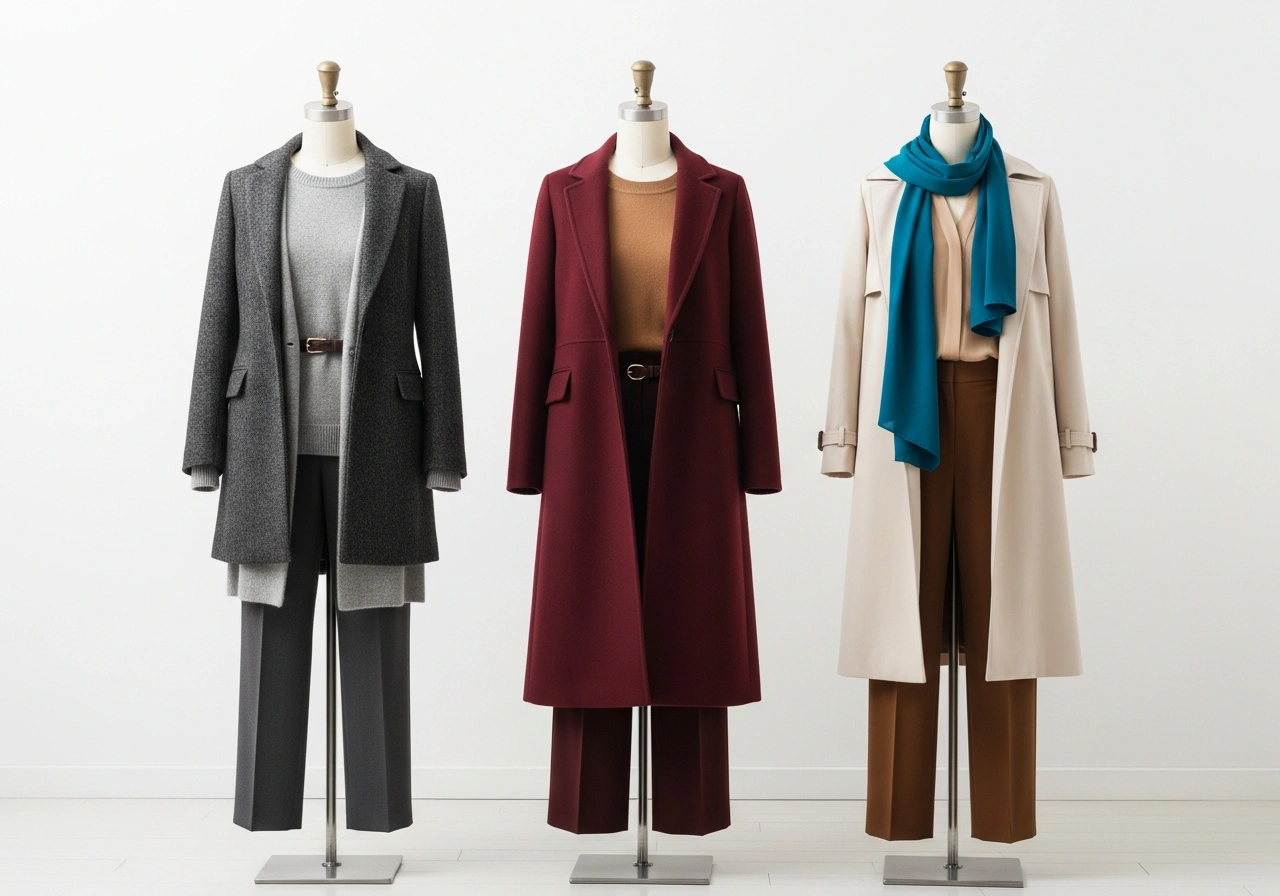
Color selection can make or break a layered outfit. Professional stylists approach color in layered looks with intentionality, using various techniques to create cohesive ensembles. The simplest approach involves building layers within the same color family, using different shades and tones to create depth without introducing jarring contrasts.
Monochromatic layering proves particularly effective for creating sleek, sophisticated looks. Varying shades of grey, different tones of blue, or multiple neutrals layered together appear polished and intentional. This technique works especially well when incorporating the texture mixing discussed earlier, as varied textures prevent monochromatic outfits from appearing flat or boring.
For those wanting more visual interest, strategic color blocking creates dynamic layered looks. Select one or two accent colors to pair with neutral bases. A white t-shirt, burgundy cardigan, and camel coat creates a rich, autumn-appropriate palette without overwhelming the eye. The neutral base and outer layer anchor the pop of color in the middle layer.
Understanding which colors complement your skin tone, hair color, and personal coloring ensures your layered outfits enhance rather than wash out your natural features. Cool-toned individuals typically look best in blues, purples, and true reds, while warm-toned people shine in oranges, yellows, and warm browns. Neutral-toned individuals can experiment more freely across the spectrum.
Seasonal Layering Strategies
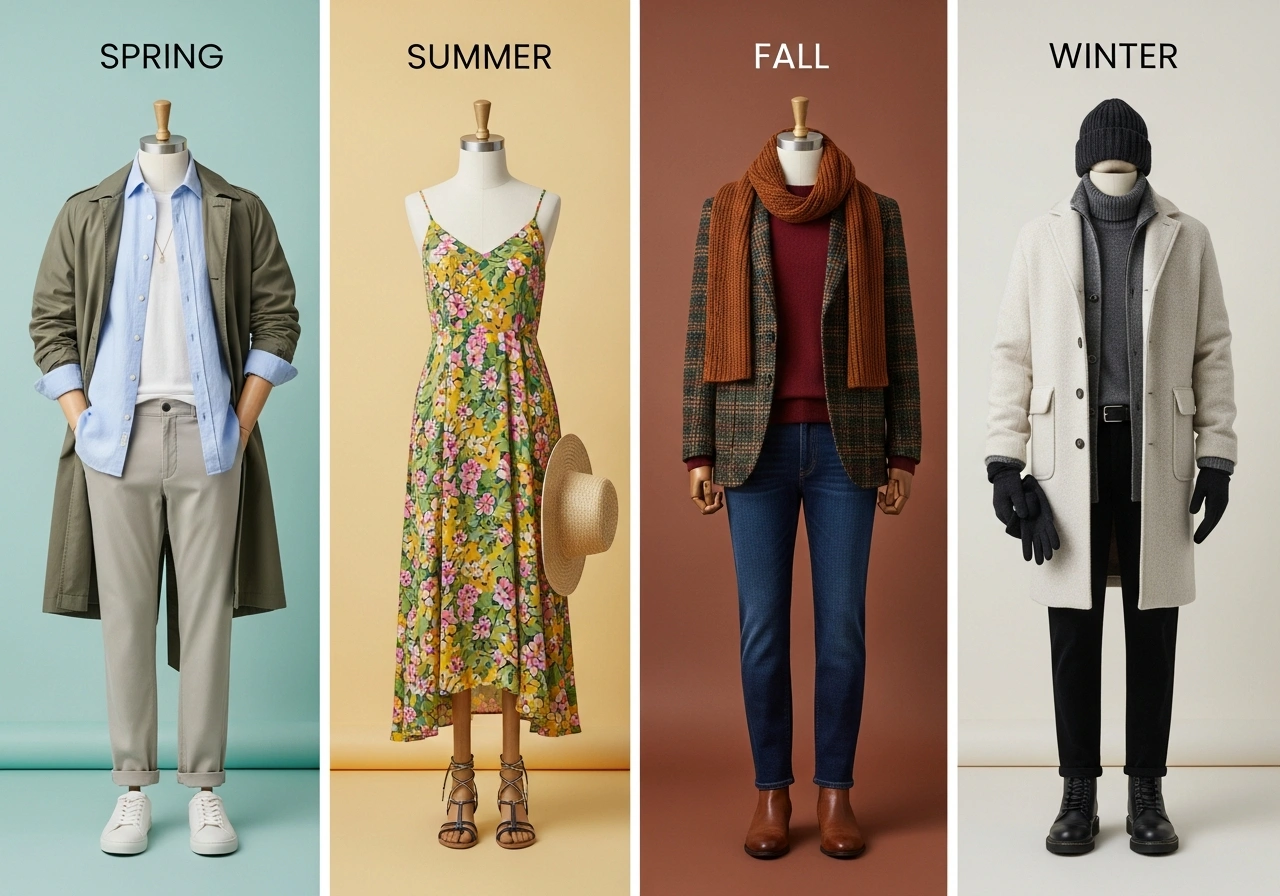
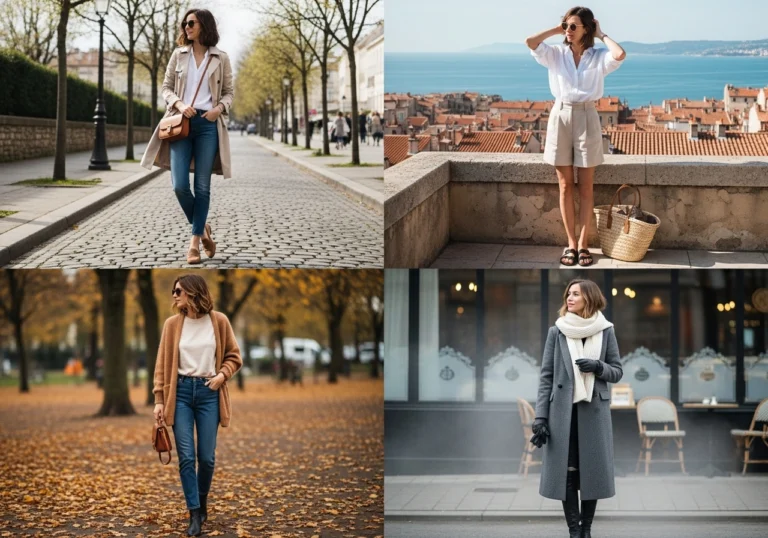
Each season presents unique layering opportunities and challenges. Professional stylists adjust their approach based on temperature, weather conditions, and seasonal aesthetics while maintaining style principles year-round.
Spring layering focuses on lightweight pieces that can be easily removed as temperatures fluctuate throughout the day. Start with a breathable base like a cotton t-shirt, add a light sweater or denim jacket, and consider carrying a trench coat or windbreaker for unpredictable weather. Spring offers perfect conditions for practicing layering skills without the bulk of heavy winter pieces.
Summer layering might seem counterintuitive, but professionals know that air conditioning and evening temperatures often require light layers even in warm months. Linen shirts over tank tops, lightweight cardigans, and breathable scarves provide options without causing overheating. Focus on natural, breathable fabrics that allow air circulation.
Fall represents the golden season for layering enthusiasts. Moderate temperatures allow for creative combinations of various weights and textures. Layer flannel shirts under sweaters, add vests over long-sleeve tees, and experiment with jackets over hoodies. The comfortable temperature range makes fall ideal for perfecting your layering techniques.
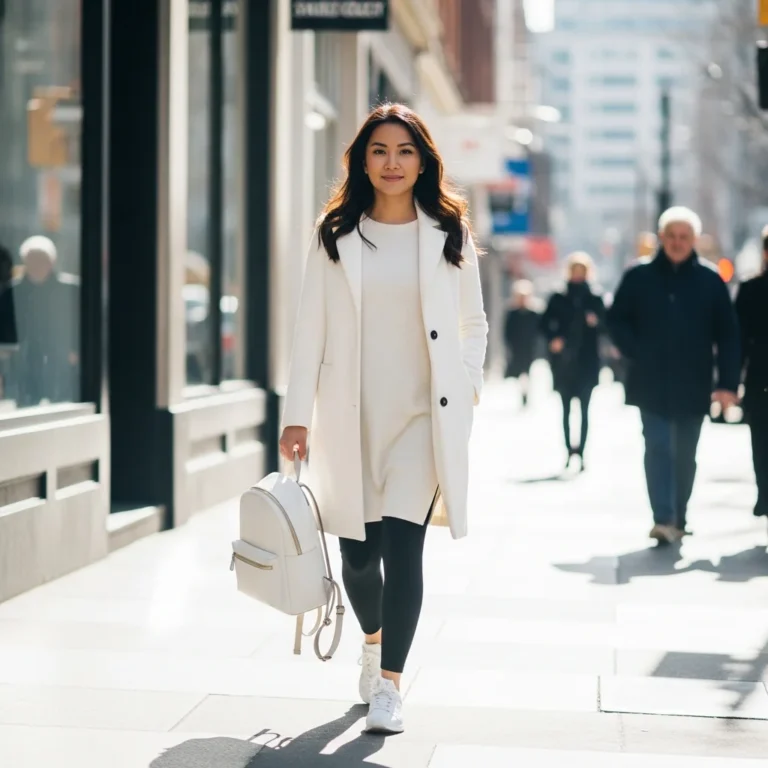
Winter layering demands attention to warmth without sacrificing style. Thermal base layers provide warmth without bulk, allowing you to add stylish mid layers like sweaters or shirts, topped with substantial coats or parkas. Look for slim-fitting base layers in merino wool or technical fabrics that insulate effectively while maintaining a streamlined silhouette under additional layers.
Essential Pieces Every Wardrobe Needs For Successful Layering
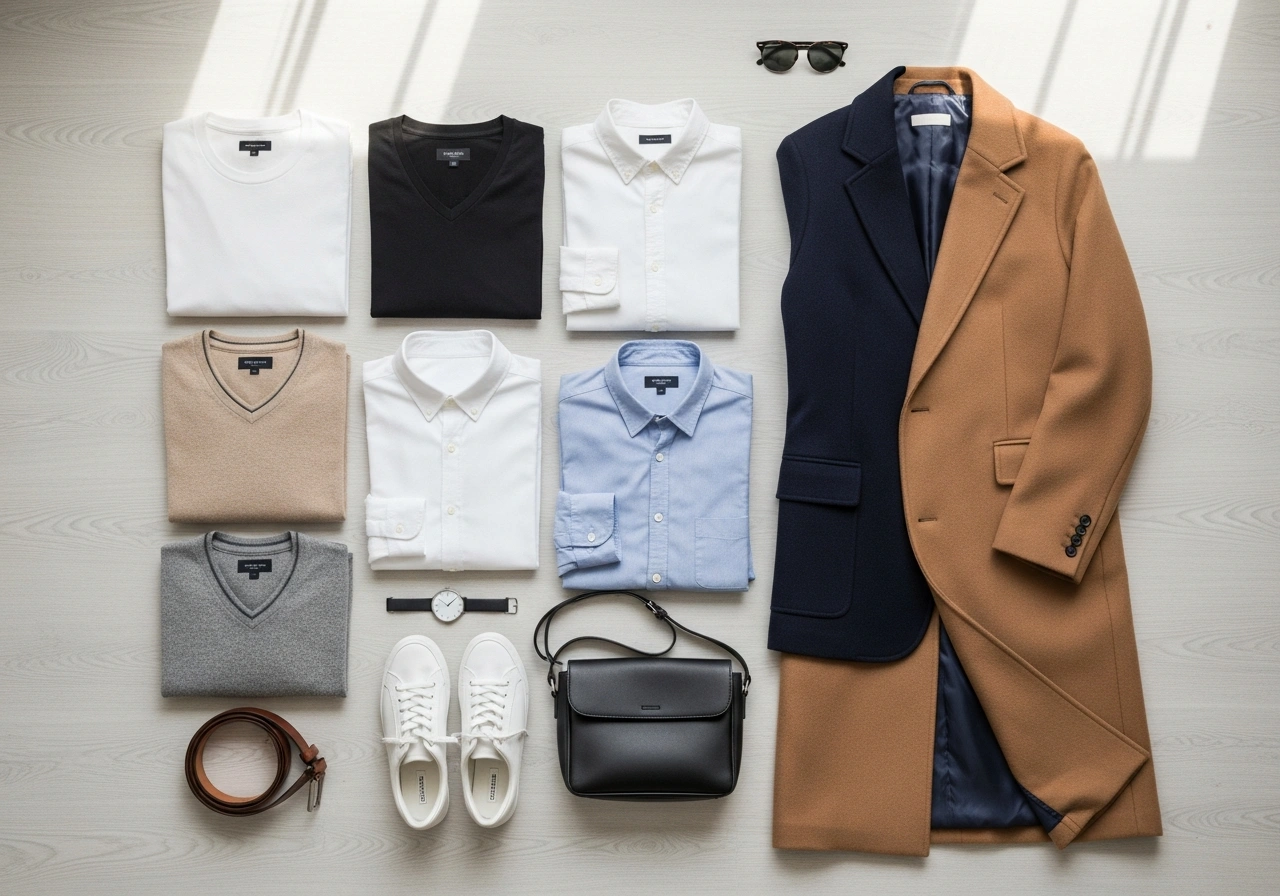
Building a wardrobe conducive to professional layering requires investing in versatile, high-quality pieces that work across multiple combinations. Professional stylists rely on certain foundational items that serve as building blocks for countless layered outfits.
Start with a collection of well-fitting base layers in neutral colors. White, black, grey, and nude t-shirts and camisoles provide foundations that work under virtually anything. Invest in both crew neck and v-neck styles to accommodate different outer layers. Quality matters here, as base layers endure frequent washing and wear.
Mid-layer essentials include classic button-down shirts in white and light blue, several sweaters in varying weights and styles, and cardigans in neutral tones. These pieces offer maximum versatility for creating different looks. A simple white button-down alone can be styled dozens of ways through different layering combinations.
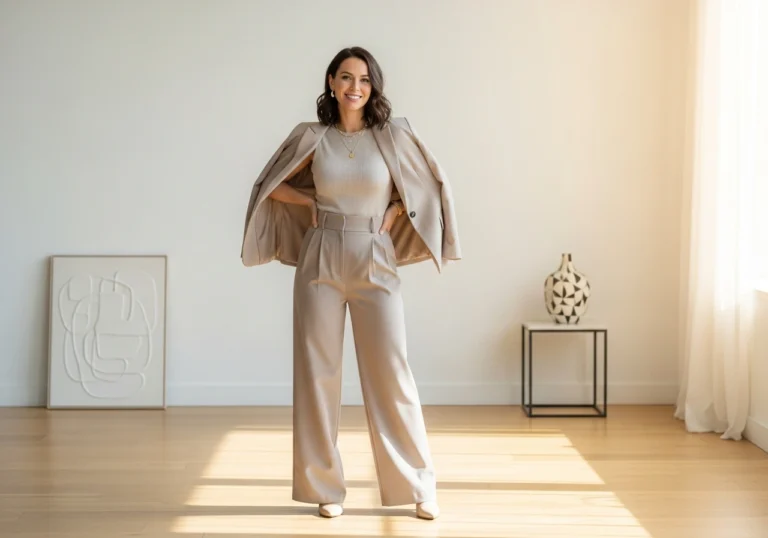
For outer layers, prioritize a structured blazer, a leather or denim jacket, and a quality coat appropriate for your climate. These investment pieces elevate any outfit and should be selected with attention to fit and quality construction. A perfectly fitted blazer transforms even the simplest base and mid layers into polished, professional looks.
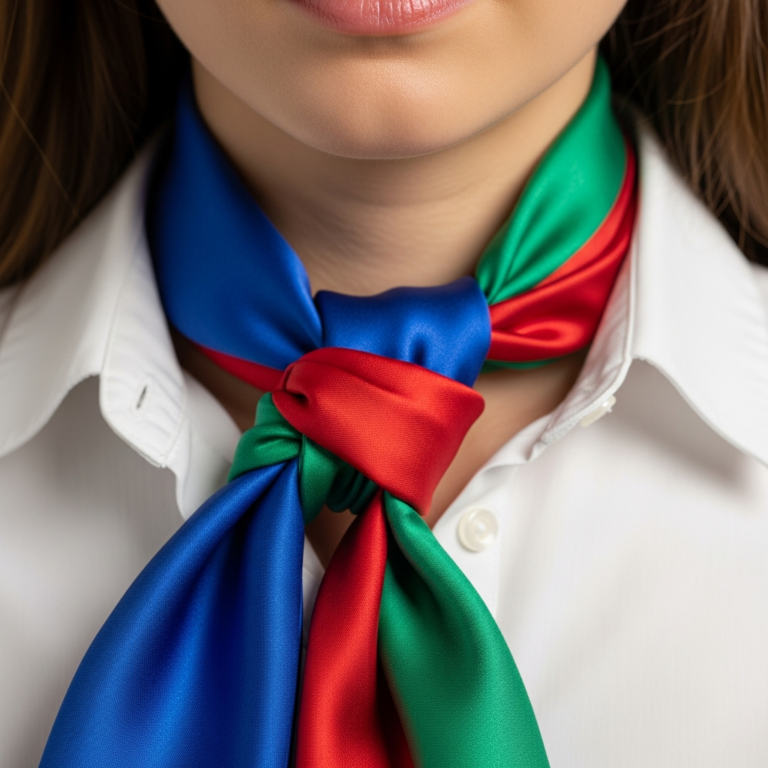
Don’t overlook accessories as layering components. Scarves, hats, and even statement jewelry add finishing touches that complete layered outfits. A simple scarf can add color, texture, and visual interest while serving the practical purpose of additional warmth.
Common Layering Mistakes To Avoid
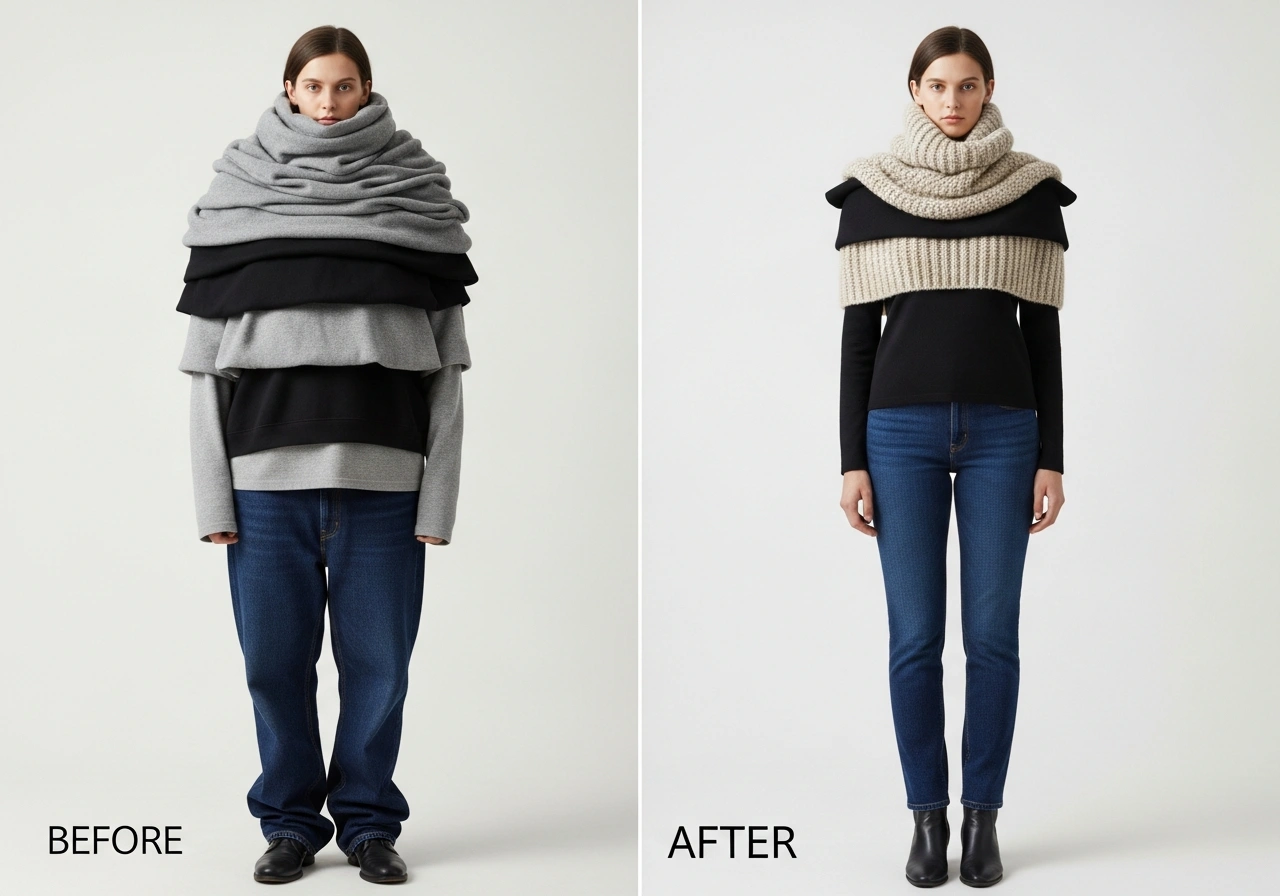
Even with knowledge of layering principles, certain pitfalls can undermine otherwise well-planned outfits. Professional stylists recognize these common mistakes and take deliberate steps to avoid them.
The most frequent error involves adding too much bulk, particularly around the midsection. When every layer fits loosely or ends at the same point, the result appears sloppy rather than styled. Combat this by ensuring at least one layer fits close to the body and varying the lengths of visible pieces.
Another mistake is neglecting the back view of layered outfits. Many people focus solely on how layers look from the front, only to discover bunching, riding up, or unflattering proportions visible from behind. Always check your outfit from multiple angles, ensuring all layers lay smoothly and create flattering lines from every perspective.
Ignoring the neckline creates missed opportunities for visual interest. The area around your face draws the eye first, making neckline layering particularly important. Experiment with different collar styles, necklines, and neck accessories to create focal points that flatter your face shape and add dimension to your outfit.
Overdoing patterns and prints overwhelms layered looks. While mixing patterns can work beautifully when done skillfully, beginners should start with one patterned piece paired with solid layers. As confidence grows, experiment with combining patterns of different scales or in complementary colors.
Advanced Layering Techniques For Maximum Impact
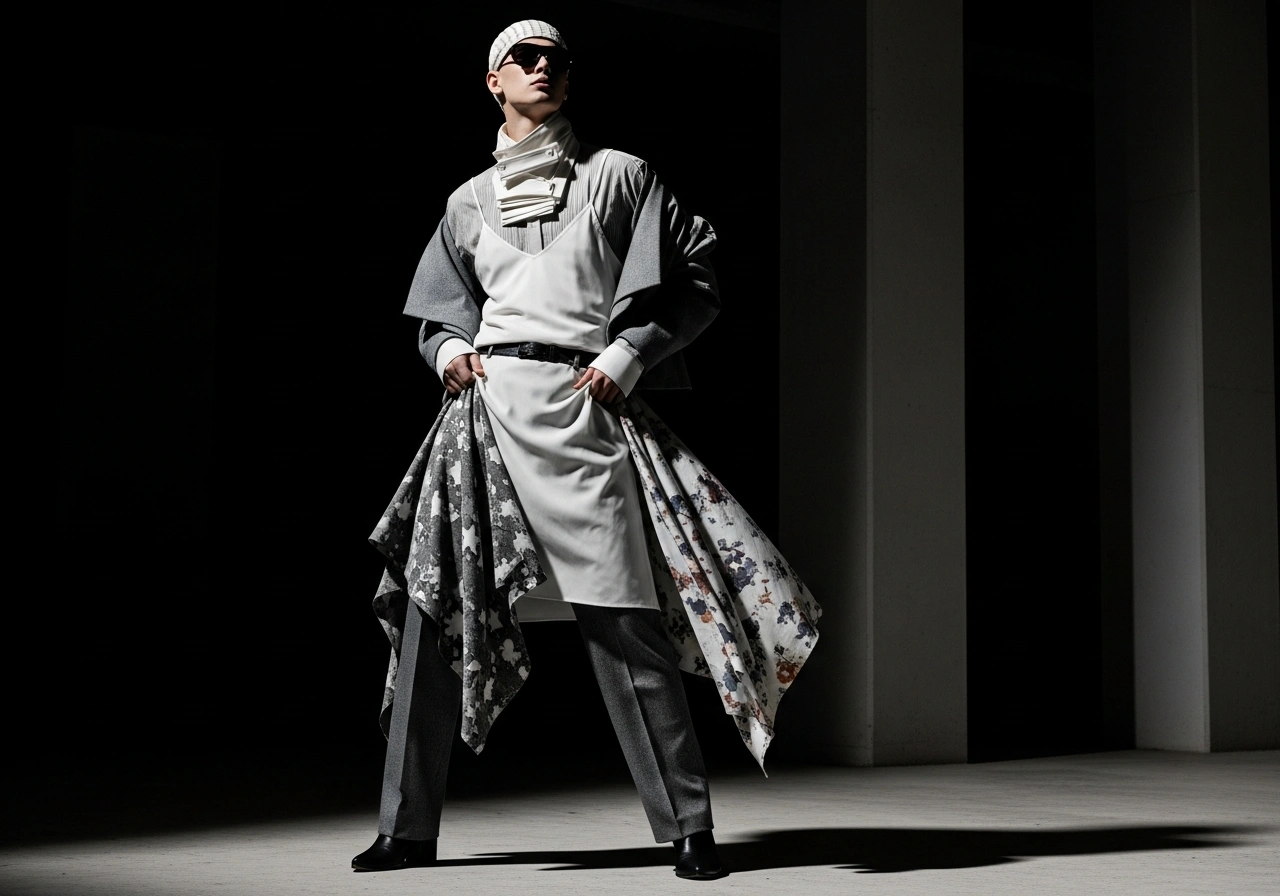
Once you’ve mastered basic layering principles, professional techniques can elevate your styling to new heights. These advanced approaches demonstrate sophisticated fashion knowledge and create truly memorable outfits.
The layered collar technique involves strategically showing multiple collars or necklines for added visual interest. Try wearing a collared shirt under a crew neck sweater, allowing just the collar to peek out. Or layer a turtleneck under a button-down shirt worn open, creating contrast between the high neckline and open collar.
Playing with unexpected combinations challenges conventional layering rules while maintaining aesthetic appeal. A slip dress over a t-shirt and jeans subverts traditional styling while creating a fresh, modern look. A blazer over a hoodie combines formal and casual elements in an intentionally juxtaposed outfit that feels current and confident.
Utilizing accessories as legitimate layers adds finishing touches that complete your look. Layer delicate necklaces at varying lengths over a simple tee, or add a statement belt over a cardigan to create definition. These small details demonstrate attention to styling that characterizes professional approaches.
Experimenting with asymmetry introduces visual interest through unexpected elements. Try wearing one sleeve pushed up while leaving the other down, or draping an outer layer off one shoulder. These deliberate imperfections create dynamic, editorial-quality outfits that appear effortlessly cool.
Layering For Different Body Types
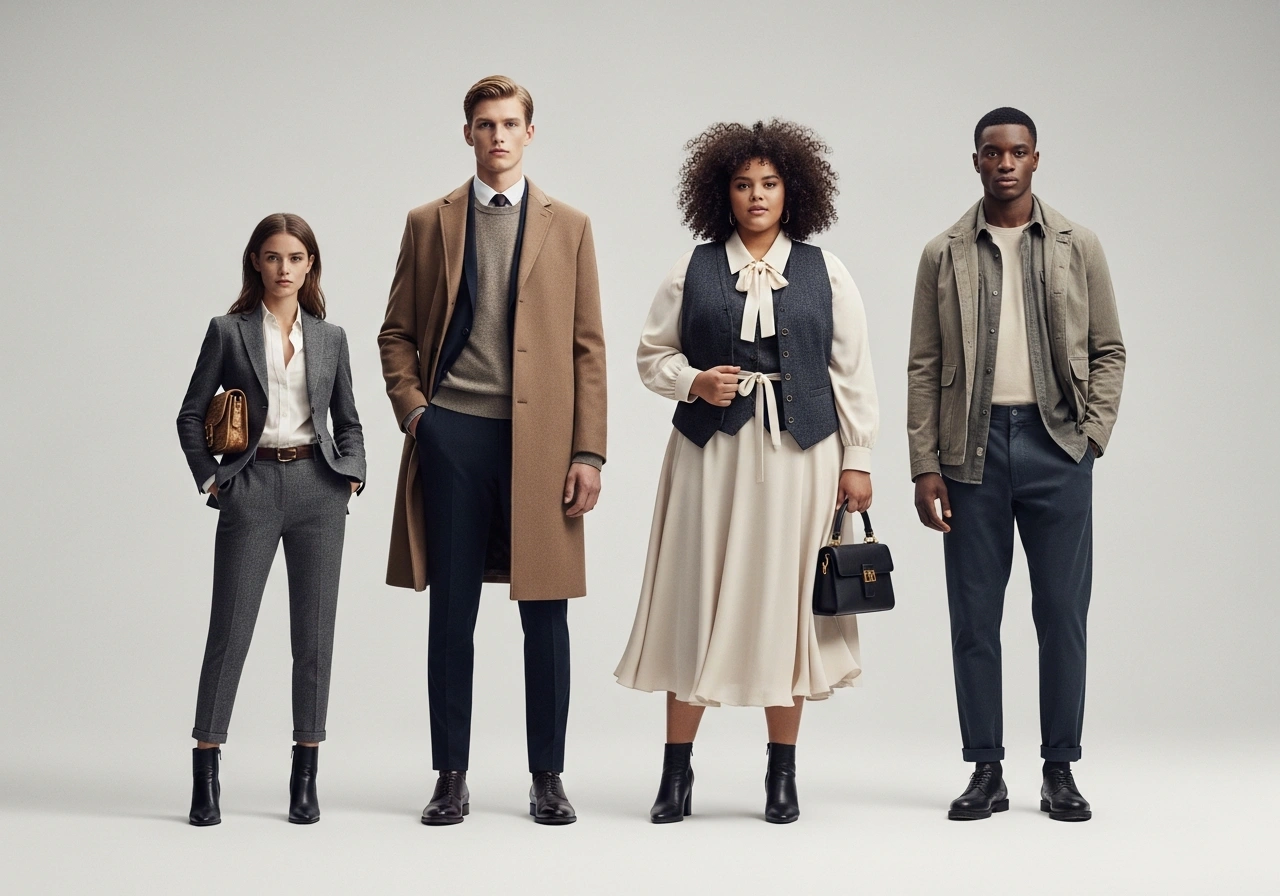
Understanding how layering affects different body shapes allows you to create outfits that flatter your specific proportions. Professional stylists consider body type when selecting and combining layers to enhance assets and balance proportions.
For petite frames, avoid overwhelming your silhouette with too many bulky layers or pieces that are too long. Stick to fitted base layers and tailored outer pieces. Ensure layers end at strategic points that don’t cut your frame at unflattering places. Vertical lines created through long cardigans or open jackets can elongate your appearance.
Taller individuals can embrace longer layers and chunkier pieces without being overwhelmed. Experiment with oversized sweaters, long coats, and dramatic scarves. Be mindful of proportions to avoid appearing lanky, using belts or fitted pieces to create definition where desired.
Those with curvier figures should focus on creating balance through strategic layering. Use fitted base layers to provide a smooth foundation, then add structure with tailored jackets or cardigans. Avoid layers that all end at the widest part of your body, instead opting for lengths that skim over curves or fall just beyond them.
Athletic or rectangular body types benefit from layering that creates curves and dimension. Add volume through textured knits, ruffled details, or draped pieces. Create waist definition with belts or by tucking layers strategically. Mixing fitted and loose pieces prevents the outfit from appearing boxy.
Creating Versatile Layered Outfits For Various Occasions
The true test of layering mastery lies in creating appropriate outfits for different settings while maintaining your personal style. Professional stylists adapt layering techniques to suit various occasions without completely overhauling their approach.
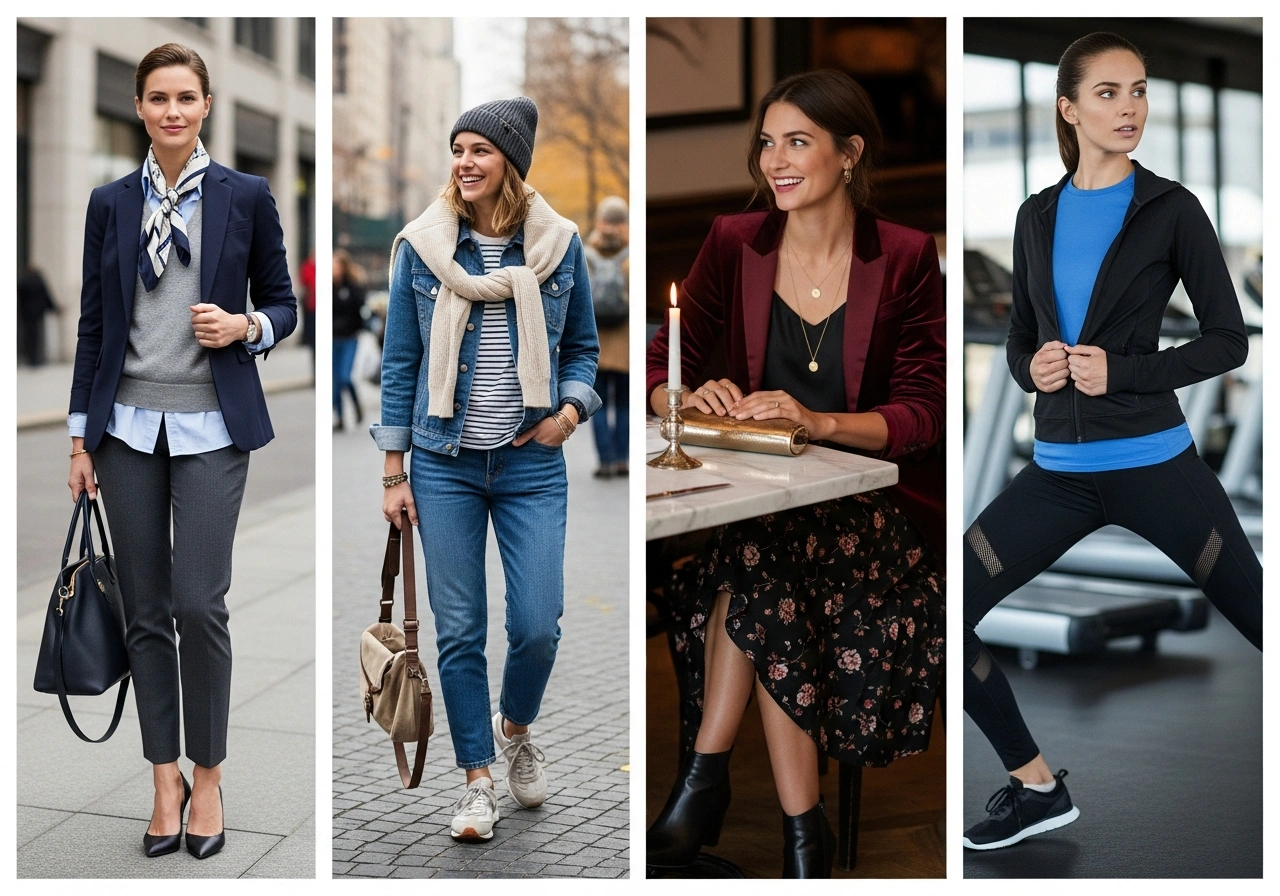
For professional environments, focus on polished layers in quality fabrics. A fitted base layer topped with a button-down shirt and finished with a blazer creates a classic business look. Keep colors sophisticated and ensure all layers are wrinkle-free and well-maintained. The ability to remove the blazer for less formal moments makes this combination practical for full workdays.
Casual weekend layering allows more creativity and comfort. Try a graphic tee under an open flannel shirt with a denim jacket or bomber. This relaxed combination maintains the rule of three while creating an effortlessly cool aesthetic appropriate for coffee runs, shopping, or meeting friends.
Date night layering balances style with comfort and confidence. A sleek turtleneck under a slip dress with a leather jacket creates an unexpectedly chic combination. Or try a silk camisole under a blazer with tailored trousers for sophisticated evening appeal. Choose fabrics with subtle texture or sheen for added impact in evening lighting.
Athletic or activewear layering has evolved beyond purely functional pieces. A sports bra under a cropped tank, with a zip-up jacket and leggings creates a stylish gym outfit. The ability to shed layers as you warm up during your workout makes this approach practical while maintaining aesthetic appeal.
The Psychology Of Layering And Personal Style

Beyond the technical aspects, layering reflects and influences how you feel about yourself and how others perceive you. Professional stylists understand that clothing affects confidence and presence, making thoughtful layering an investment in your overall wellbeing.
Layered outfits often project competence and attention to detail. The extra effort required to coordinate multiple pieces signals that you care about your presentation, which can positively influence professional opportunities and social interactions. This doesn’t mean you need to layer every day, but having the skill in your fashion toolkit proves valuable.
Experimenting with different layering combinations allows you to explore various aspects of your personality through clothing. A structured, monochromatic layered look might make you feel professional and capable, while a loose, eclectic combination of textures and colors might help you feel creative and free. Understanding how different layering approaches affect your mood and confidence helps you dress intentionally for various situations.
The act of creating layered outfits can become a meditative, creative practice that starts your day with intention. Rather than viewing getting dressed as a chore, approaching it as an opportunity to create something visually appealing transforms your relationship with your wardrobe. This shift in perspective often leads to greater satisfaction with your existing clothes and reduced impulse buying.
Conclusion
Mastering the art of layering your clothes like a professional stylist elevates your entire approach to personal style. By understanding fundamental principles including the rule of three, proper proportions, fabric selection, and color coordination, you can transform simple wardrobe pieces into sophisticated, magazine-worthy outfits. The key lies not in owning vast quantities of clothing but in developing the knowledge and confidence to combine pieces strategically.
Remember that successful layering balances aesthetic appeal with practical functionality. Each layer should serve a purpose, whether adding warmth, creating visual interest, or allowing flexibility as conditions change throughout your day. As you practice these techniques, you’ll develop an intuitive sense for which combinations work best for your body type, personal style, and lifestyle needs.
The investment in learning professional layering techniques pays dividends through a more versatile wardrobe, increased confidence in your appearance, and the creative satisfaction of assembling outfits that truly represent your personal style. Start with the basics, experiment with combinations that feel authentic to you, and gradually incorporate advanced techniques as your skills and confidence grow. With practice, you’ll find that layering becomes second nature, transforming how you approach getting dressed each day.
You may also like this post :Quality Sweatsuits That Don’t Pill For Women (Based On Real Reviews + Research)
Frequently Asked Questions
What is the most important rule when layering clothes?
The most important rule is maintaining proper proportions by varying the fit and length of each layer. Combine fitted pieces with looser items and ensure each layer shows slightly beneath the one above it. This prevents bulk and creates a flattering, intentional silhouette that looks polished rather than sloppy.
How many layers should you wear at once?
The rule of three generally creates the most balanced look, including a base layer, mid layer, and outer layer. While you can occasionally go beyond three layers in very cold weather or below three for simpler outfits, three distinct layers typically provide optimal visual appeal and functionality without appearing overly bulky.
What fabrics work best for layering?
Natural fibers like cotton, wool, and silk layer most successfully because they breathe well and don’t create excessive static or clinging. Start with lightweight fabrics closest to your skin and progressively add heavier materials in outer layers. Mixing textures like smooth cotton with chunky knits or structured wool creates visual interest and depth.
How do you layer clothes without looking bulky?
Keep at least one layer fitted close to your body, typically the base layer. Vary the lengths of your pieces so they don’t all end at the same point, and choose fabrics appropriate to each layer’s position. Avoid adding volume in multiple places simultaneously, instead balancing looser pieces with more tailored items to maintain a streamlined silhouette.
Can you layer in warm weather?
Yes, layering works in warm weather using lightweight, breathable fabrics like linen, cotton, and silk. Focus on pieces you can easily remove as needed, such as a light cardigan over a tank top or a breathable shirt over a tee. Summer layering provides versatility for air-conditioned spaces while remaining comfortable in heat.
One Comment