10+ Best Ideas of interview outfit What To Wear To An Interview
Why Your Interview Outfit Is More Important Than You Think
Walking into a job interview is one of the most consequential moments in any professional’s life. You have prepared your answers, polished your resume, and researched the company thoroughly. But before you even open your mouth, the person sitting across from you has already begun forming an impression. That impression is built almost entirely on how you look.
Research consistently shows that hiring managers make initial judgments within the first thirty seconds of meeting a candidate. Your outfit communicates your professionalism, your attention to detail, your understanding of company culture, and your genuine commitment to the opportunity. Getting it right does not guarantee you the job, but getting it wrong can quietly undermine everything you have worked toward.
The good news is that dressing well for an interview is not complicated once you understand the core principles. When deciding what to wear to an interview, your priorities are to present your qualifications and make empowered career decisions. Your attire should complement rather than distract from the real focus of your interview. Who What Wear
This guide covers ten of the best and most considered outfit ideas across every type of interview setting, from formal corporate environments to creative studios and casual tech companies. Read through and find the combination that works for your specific opportunity.
1. The Classic Business Professional Suit
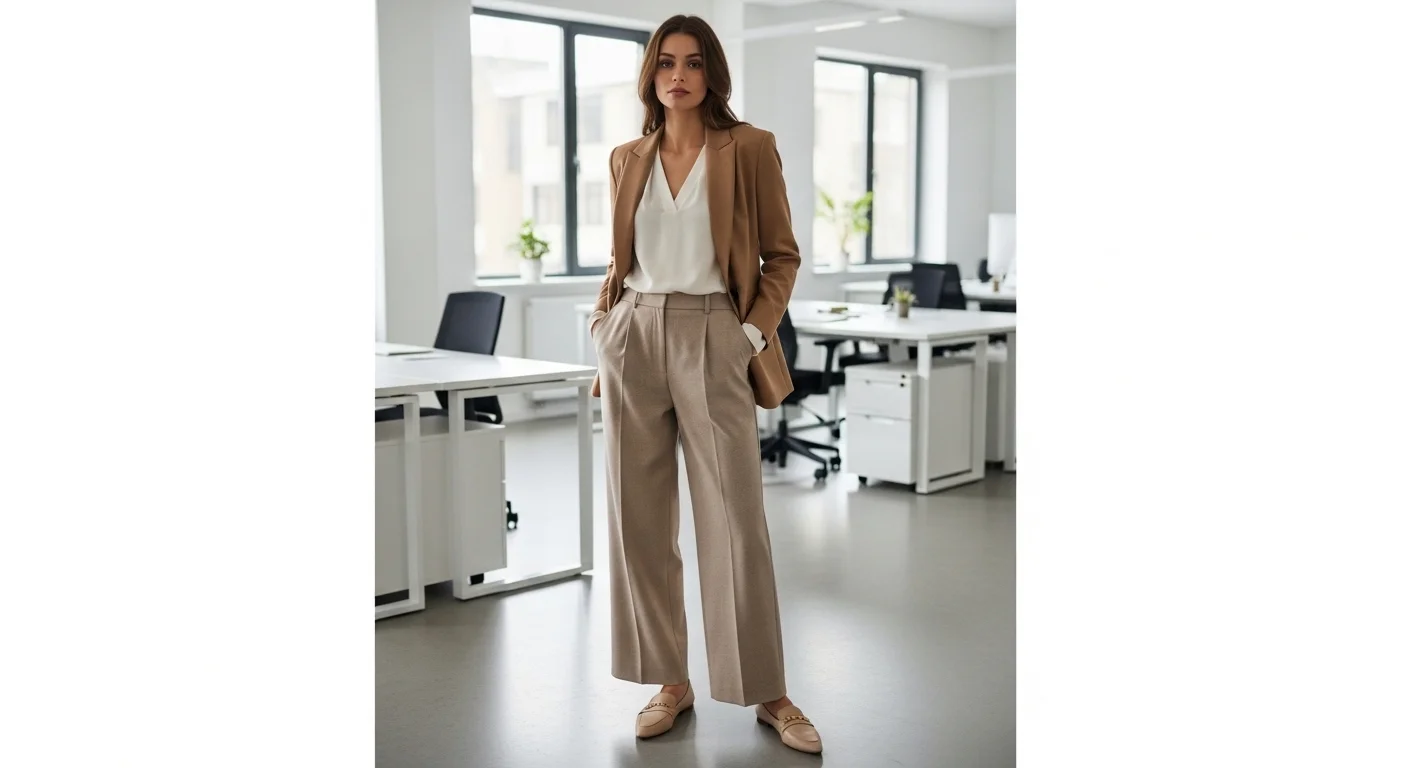
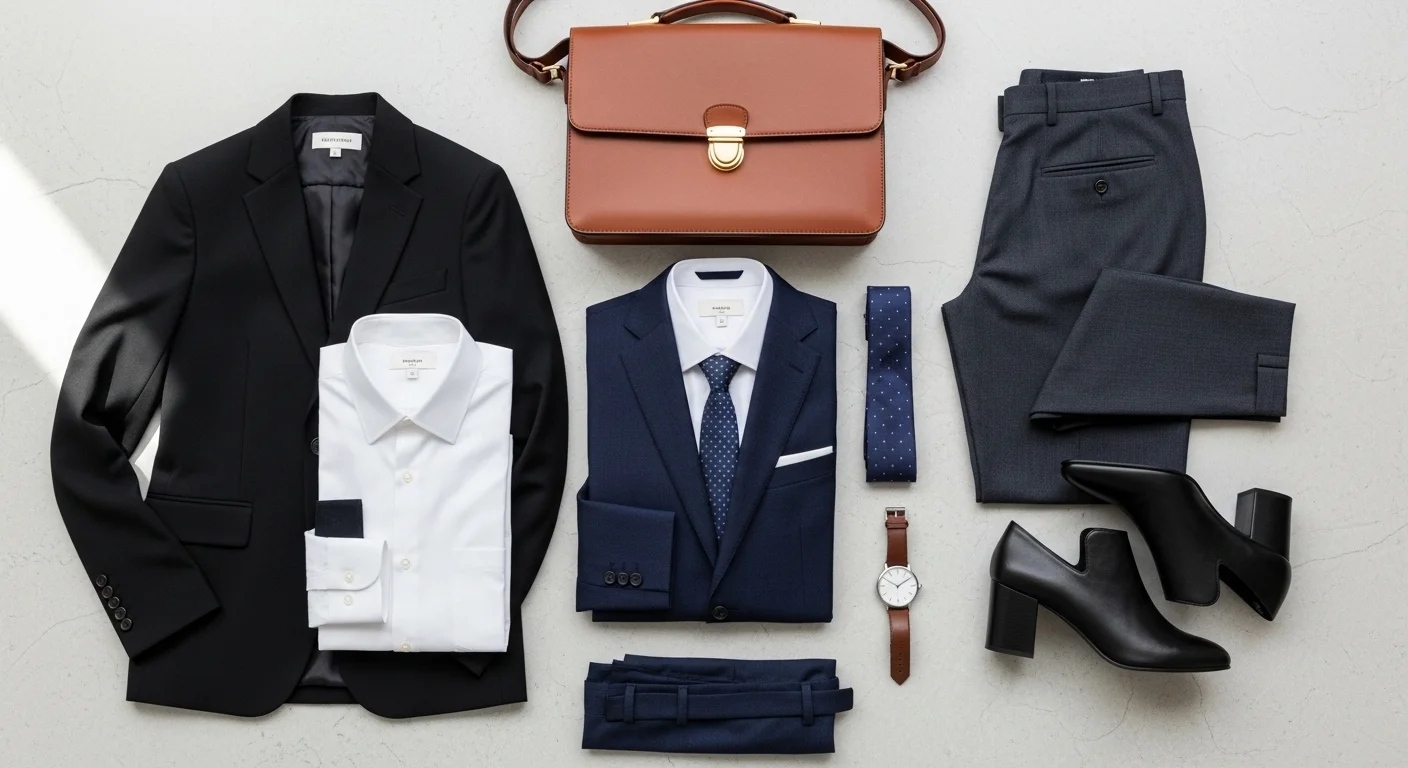
For formal industries like law, finance, banking, and corporate management, the business professional suit remains the single most reliable and respected interview outfit available.
For a business professional setting, you can wear a navy pantsuit with a crisp white blouse or a knee-length dress with a structured blazer and black heels. Be sure to avoid bold colors and patterns. Felina
A well-tailored two-piece suit in navy, charcoal, or classic black sends an immediate signal of competence and seriousness. The fit is everything here. A suit that fits properly across the shoulders, through the waist, and at the trouser break looks like an investment in your own professional image. A poorly fitted suit, regardless of how expensive it is, works against you.
Choose a pant suit or skirt suit in either black or navy blue and wear a light-colored blouse or shirt underneath. If you feel the look is too formal or hard, soften it with a blouse and a few accessories. Vessi
You can explore a wide range of tailored interview suits at Banana Republic and J.Crew for both men and women, offering professional cuts at accessible price points.
2. Business Casual Attire for Corporate and Office Roles
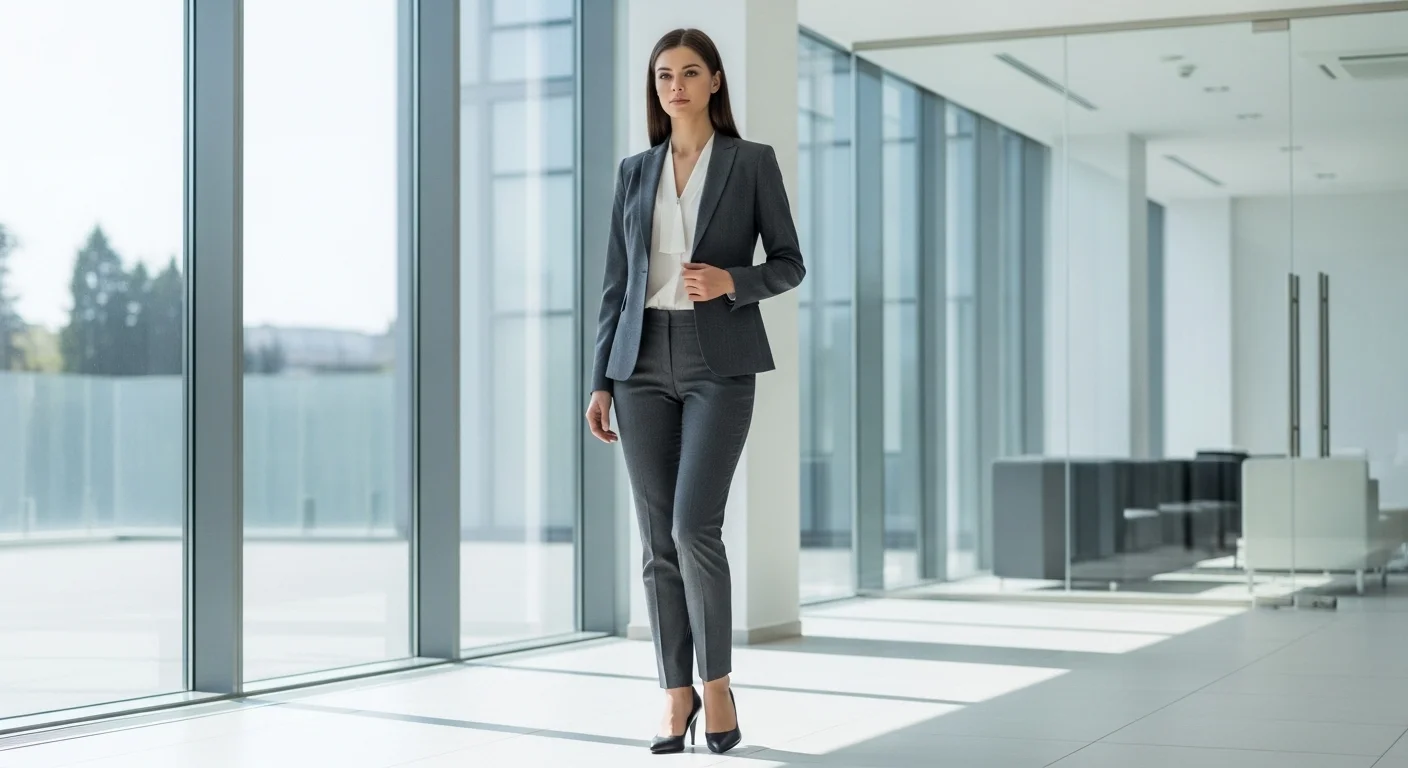
Business casual is the most commonly required dress code across modern workplaces, and it is also the one most frequently misunderstood. The goal is to look professional and polished while avoiding the rigidity of a full formal suit.
For business casual, a pair of tailored pants with a beige or white blouse and a blazer would be appropriate. Another good option is a tailored dress or a skirt with a button-down shirt plus flat loafers or ankle boots. Felina
For women, a well-fitted blazer paired with tailored trousers or a midi skirt and a clean, pressed blouse is a strong business casual combination. For men, non-denim trousers in grey or navy paired with a button-down shirt and a blazer covers the brief perfectly.
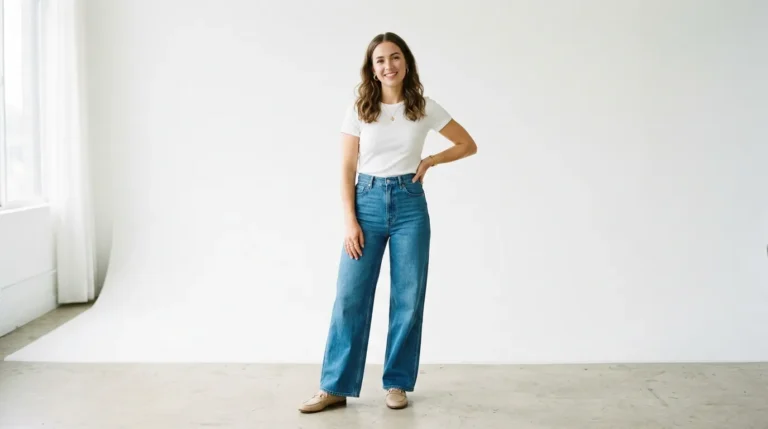
Dress a notch above the workplace attire. If the company’s employees typically dress in jeans and T-shirts, you might consider wearing non-denim pants and a tucked-in shirt. Prioritize comfort and confidence, and pay attention to the details. Ensure every garment is clean, free of wrinkles or tears, and fits properly. Who What Wear
3. A Tailored Blazer with Smart Trousers
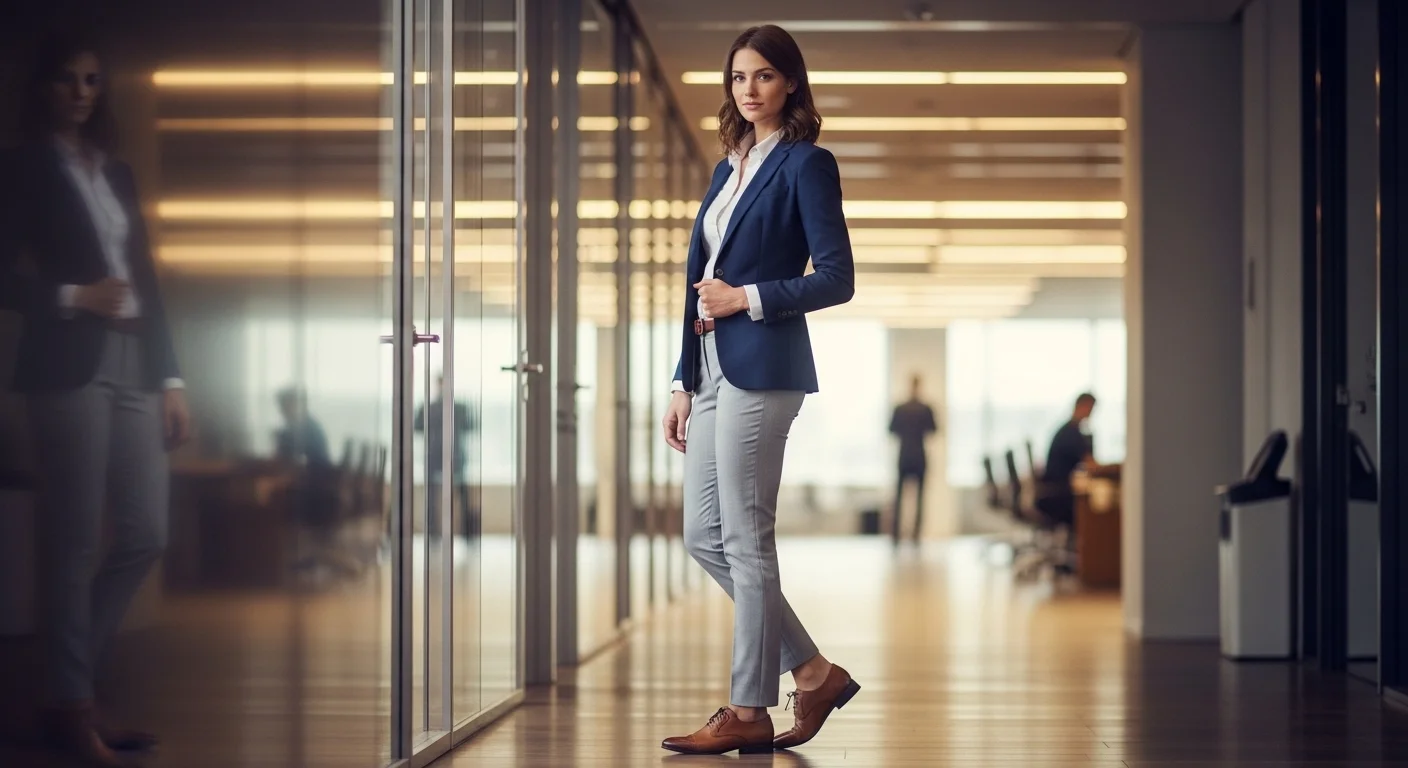
The blazer and tailored trouser combination is one of the most versatile and consistently effective interview outfits available. It works across industries, adapts easily to different levels of formality, and always projects a sense of purpose and preparation.
In casual environments such as a tech company or startup, business casual attire typically blends some elements of formal and casual attire and can include non-denim pants, blazers, button-downs, and dresses and skirts that are not part of a business suit. Who What Wear
Choose a blazer that fits cleanly through the shoulders without pulling. Pair it with straight-leg or slim-fit trousers in a complementary neutral tone. A simple white or pale blue shirt underneath completes the look without introducing any unnecessary visual noise.
This combination also gives you natural layering flexibility. If the office environment turns out to be more casual than expected, you can remove the blazer without losing the overall professional quality of the outfit. That kind of adaptability is always worth building into your interview wardrobe.
4. The Tailored Dress for Women
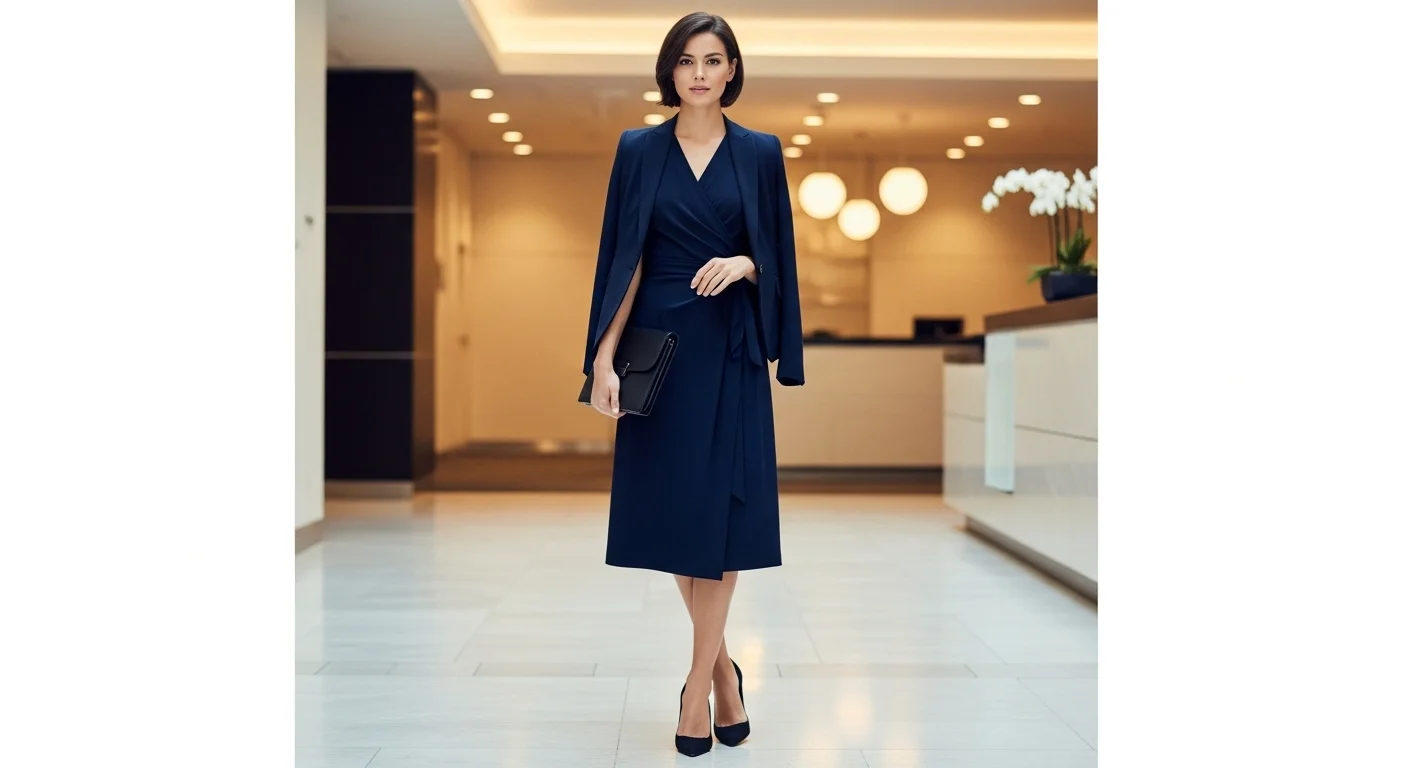
A well-chosen dress is one of the most underrated interview outfit options for women. It simplifies the outfit-building process considerably and, when selected carefully, projects an elegant, considered professionalism.
A women’s interview dress is underrated. Dresses compensate for tops and bottoms and always feel considered. Especially maxi dresses with elevated silhouettes. Kizik
For a formal or business professional setting, a knee-length or midi-length dress in a structured fabric works beautifully. Pair it with a tailored blazer on top for additional formality and closed-toe heels or pointed-toe flats for a complete, polished look.
A knee-length skirt or tailored trousers paired with a button-down shirt and closed-toe shoes is your best bet. Opt for colors that work best in formal environments, such as black, white, beige, navy, or gray. Felina
For a smart casual or business casual environment, a wrap dress or a structured shift dress in a muted jewel tone or neutral colour delivers the right balance of professionalism and personality.
5. Smart Casual for Tech Companies and Startups
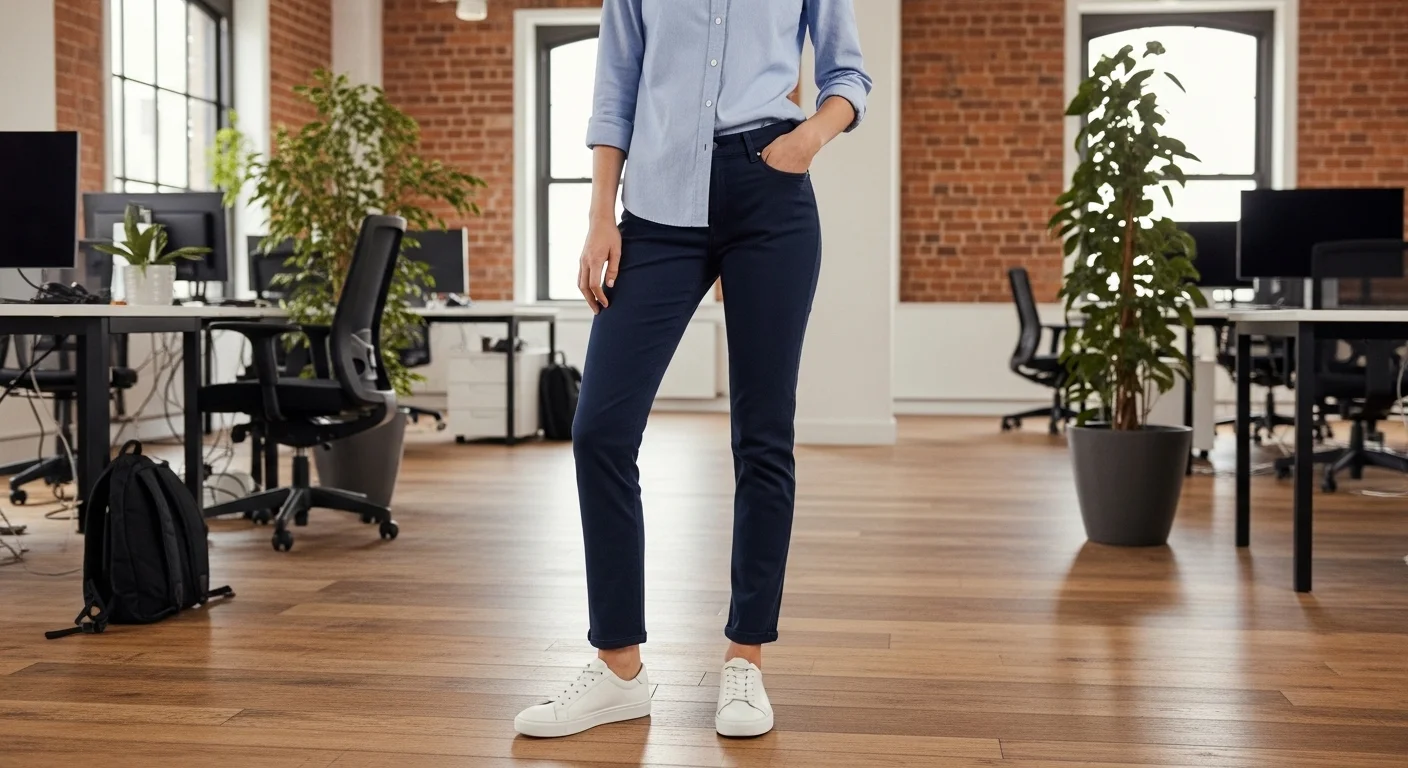
Not every interview calls for a suit. In fast-paced, innovative environments like technology companies, creative agencies, and startups, arriving in a formal business suit can actually work against you by suggesting a poor read of the company culture.
In creative environments such as a design company, art gallery, or clothing boutique, you might find a more fashion-forward culture of dressing. In this case, you might choose garments and accessories that reflect the latest trends and resemble the styles worn by employees and clientele. Who What Wear
For a tech or startup interview, dark wash trousers or clean chinos paired with a neat button-down shirt or a structured polo represent a smart casual look that signals effort without formality. A simple leather sneaker or loafer completes the outfit without tipping into casual territory.
For more casual workplaces, professional-looking casual job interview attire is appropriate. Research the company’s dress code and look at photos on their social media sites to get a sense of what people wear at the office. Dream Pairs
6. The Power of Colour in Interview Dressing
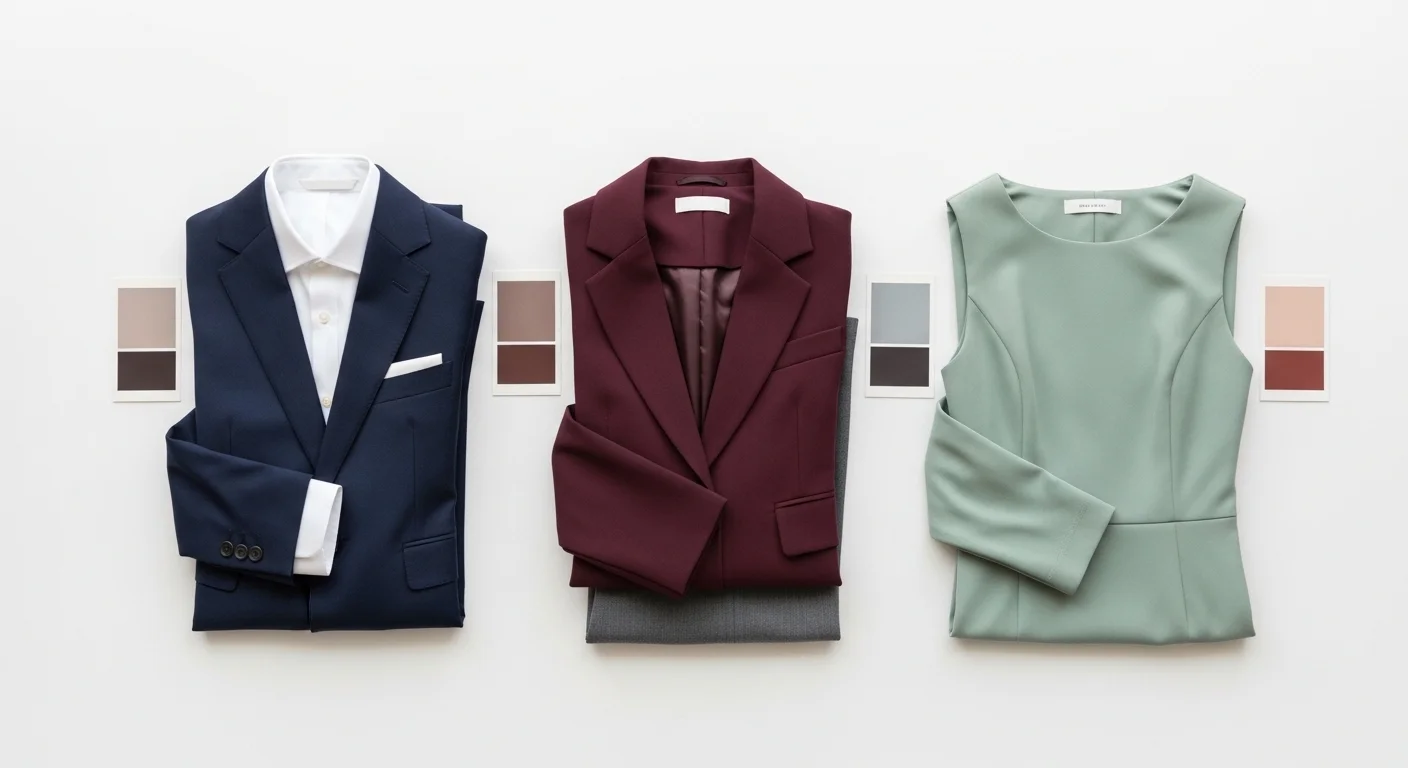
Colour is one of the most underappreciated tools in interview preparation. The shades you choose send subconscious signals to your interviewer before a single word is spoken.
Navy blue is a versatile, classic colour that exudes professionalism. Blue is thought to make people feel calmer, so consider wearing sapphire or navy if you want your interviewer to feel at ease. Red is a colour that inspires action and makes you look and feel powerful. Purple is a regal hue that can also inspire confidence. Natalie
Navy, grey, and black are the most universally safe and respected choices for a formal or corporate interview. They read as authoritative, reliable, and serious. If you want to introduce personality, do it through a carefully chosen accessory or a subtle pop of colour in a shirt or blouse rather than through the dominant tone of your interview outfit.
Colours to Avoid at an Interview
Avoid wearing shiny fabrics, contrasting patterns, or quirky items for a job interview. It is also not the best idea to use an eclectic style. If you wear a classic black jacket with a printed T-shirt in a business environment, you can give the wrong first impression. Felina
Neon shades, overly bright prints, and heavily patterned fabrics can distract the interviewer’s attention from what matters most: your qualifications and your character.
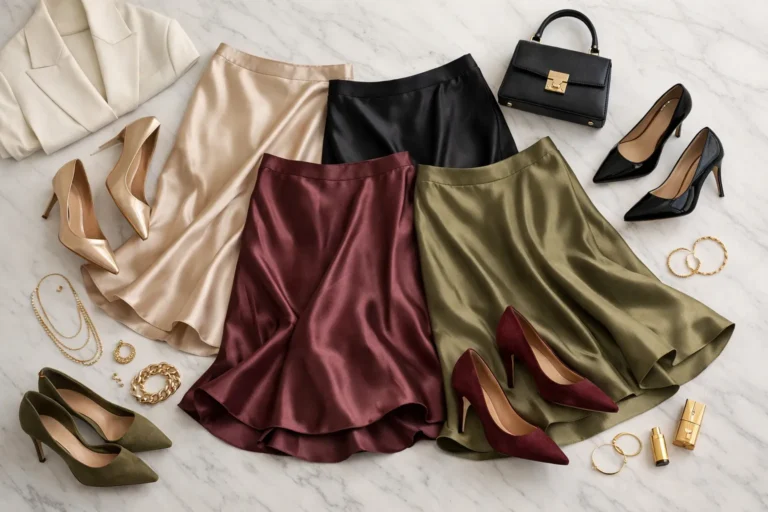
7. The Pencil Skirt and Blouse Combination
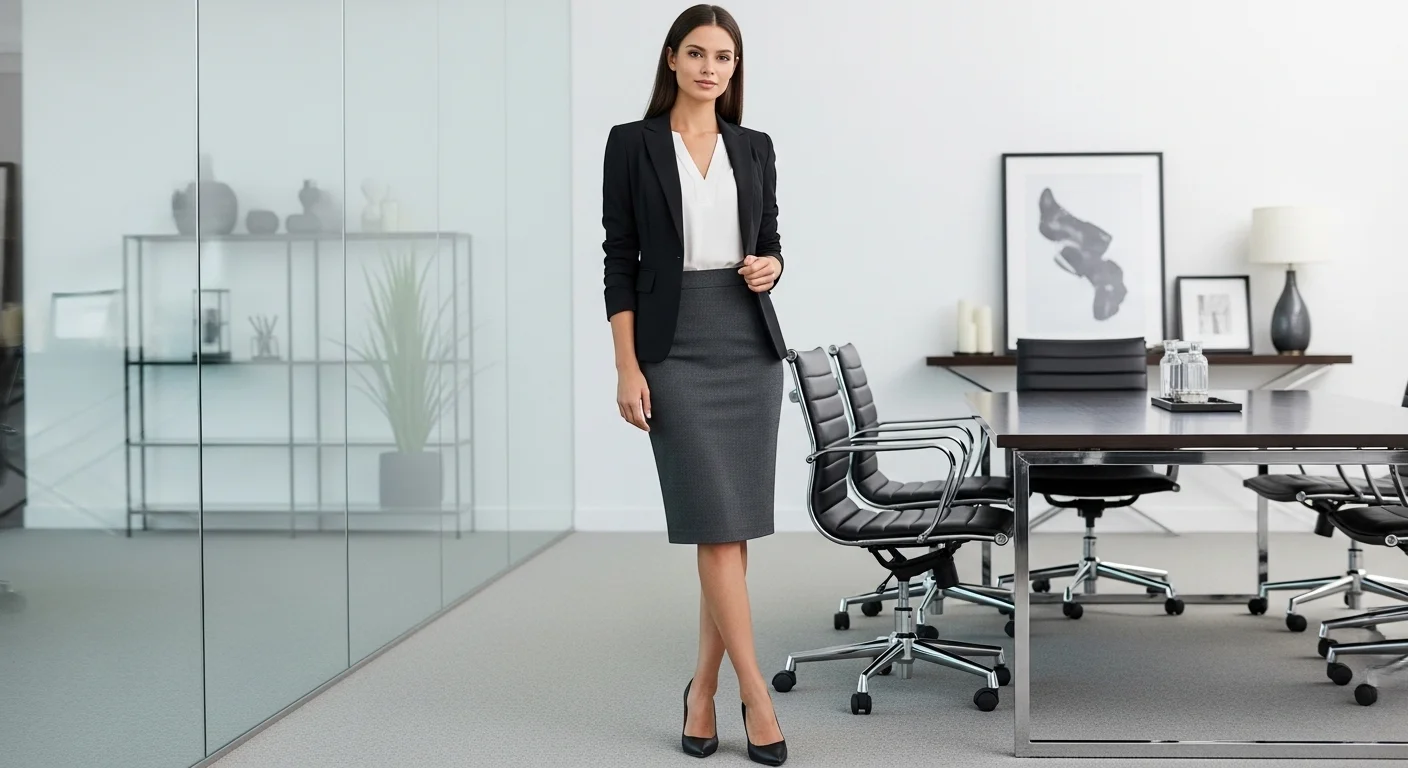
The pencil skirt and blouse pairing is a time-tested combination that delivers professionalism with a degree of femininity that works particularly well in business professional and business casual environments.
A pencil skirt is a classic interview choice, but take care that it is not too short. A vent in the skirt that seems acceptable when standing up might reach mid-thigh when sitting down. Always do an interview mirror check before wearing a skirt to an interview by placing a chair in front of a full-length mirror and sitting down to make sure everything looks appropriate. Vessi
Choose a pencil skirt that sits at or just below the knee in a clean neutral shade. Pair it with a pressed, well-fitted blouse in white, light blue, or soft cream. A structured blazer on top elevates the combination into genuine business professional territory. Complete the look with closed-toe heels or smart pointed-toe flats and minimal jewellery.
8. Dressing for a Creative Industry Interview
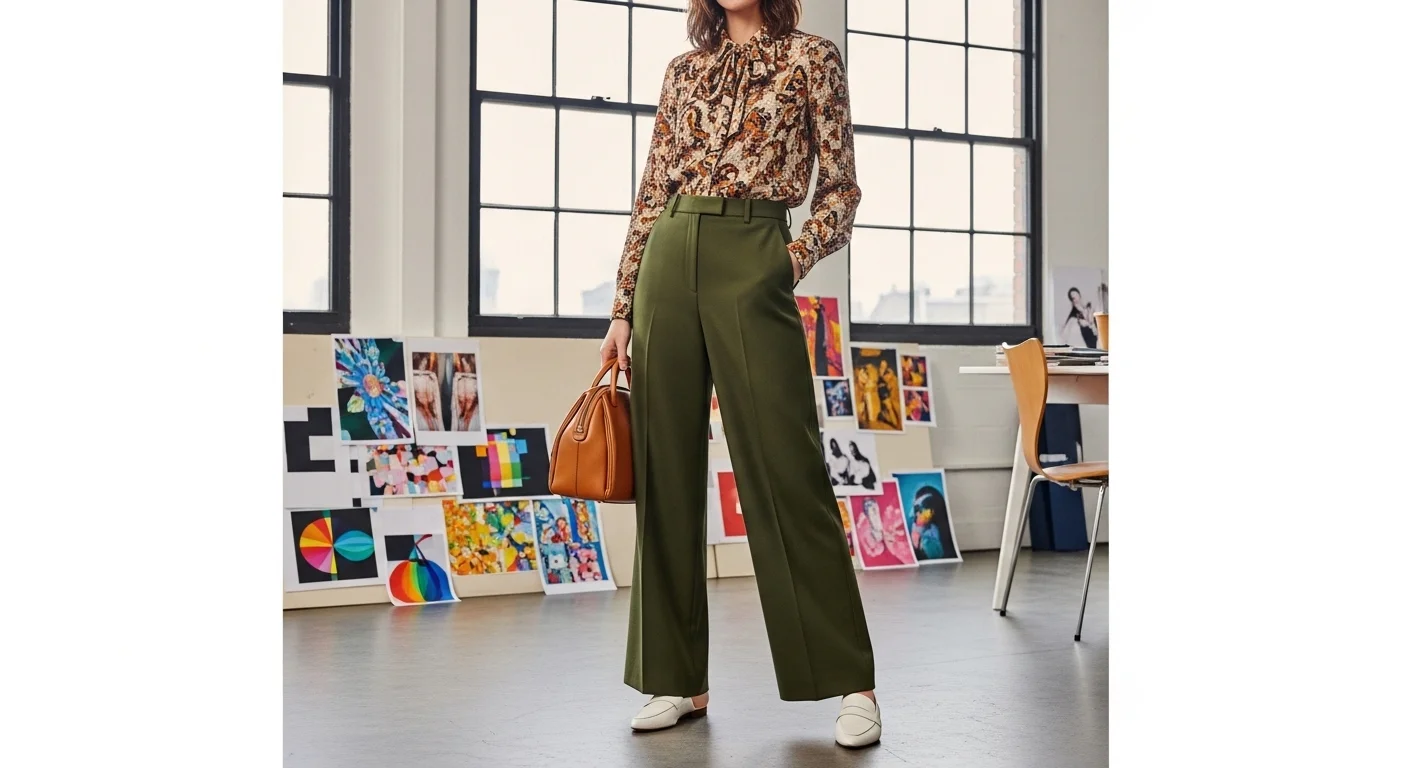
Creative roles in advertising, media, graphic design, fashion, and public relations come with a different set of expectations around interview attire. These industries value aesthetic awareness and personal expression, and your interview outfit can serve as a genuine demonstration of your creative sensibility.
When interviewing for a creative position in the arts, media, or design, you can add a little flair to your outfit, but make sure you keep it professional. Try a stylish dress or a pair of pants or a pencil skirt with a stylish top. Felina
This is the setting where a well-chosen printed blouse, an interesting textural combination, or a fashion-forward accessory works in your favour rather than against you. The goal is still to look intentional and polished, but intentionality in a creative context can include a broader colour palette, more interesting silhouettes, and considered personal styling choices.
In navigating what to wear to a job interview, it is a balancing act. You need to look put-together without veering into overdressed territory. While business formal and business casual are their own aesthetics, it is best to visualise them as a spectrum where you can lean more towards business or casual. Kizik9.
What to Wear to a Video or Remote Interview
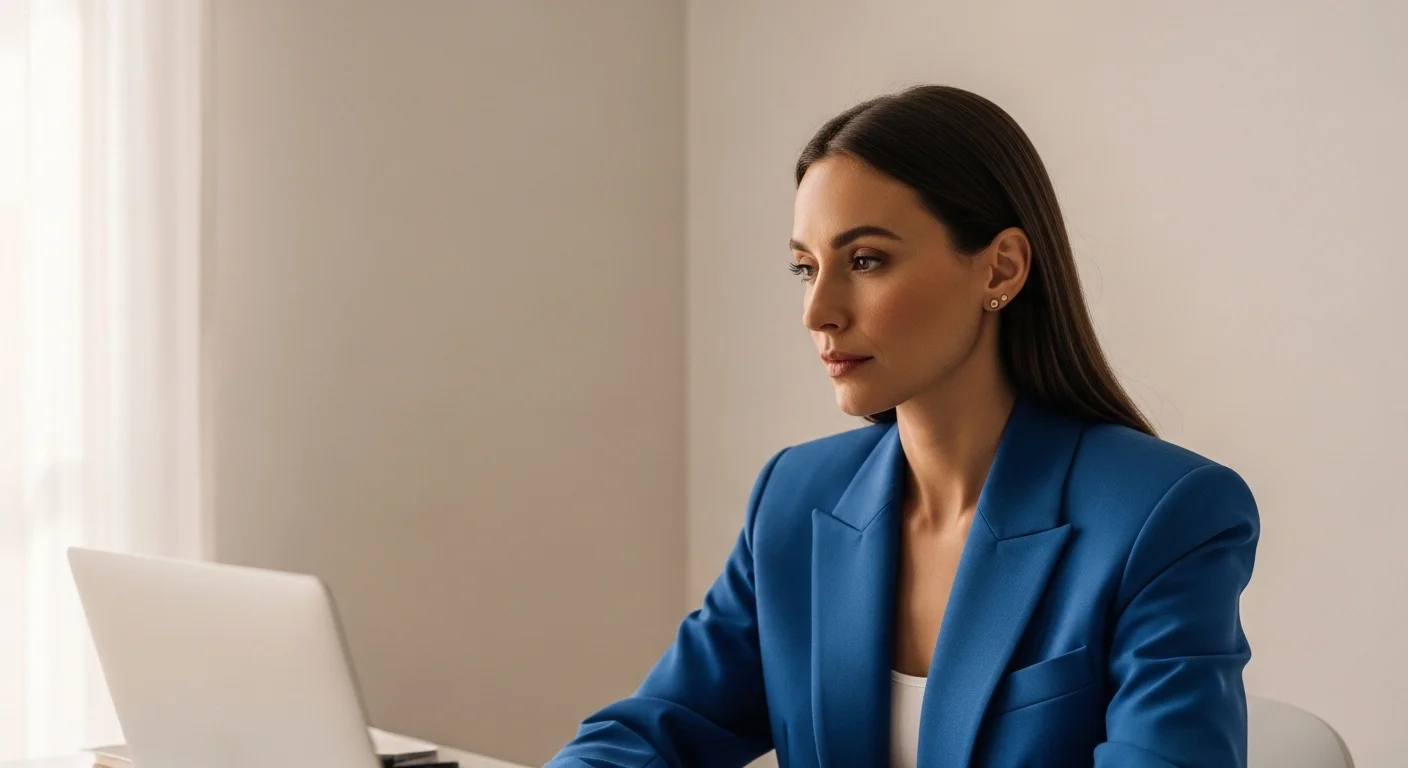
The rise of remote working has made video interviews a standard part of the hiring process, and they come with their own specific dressing considerations that differ meaningfully from in-person settings.
For video interviews, choose colours that contrast with your background but do not clash too much. For onsite interviews, consider the physical comfort. For example, air-conditioned office spaces can feel cold, while fitness facilities may feel warm. Who What Wear
For a video interview, focus primarily on the upper half of your interview outfit since that is what the camera captures. A well-pressed shirt, a neat blazer, or a structured top in a solid colour or subtle pattern is ideal. Avoid white, which can wash out under certain lighting conditions, and very busy patterns, which can distort on camera.
Lighting is equally important. Position yourself so that natural light or a soft lamp is facing you rather than behind you. A clean, uncluttered background reinforces the professional impression that your outfit is working to create.
10. Grooming, Accessories, and the Finishing Details
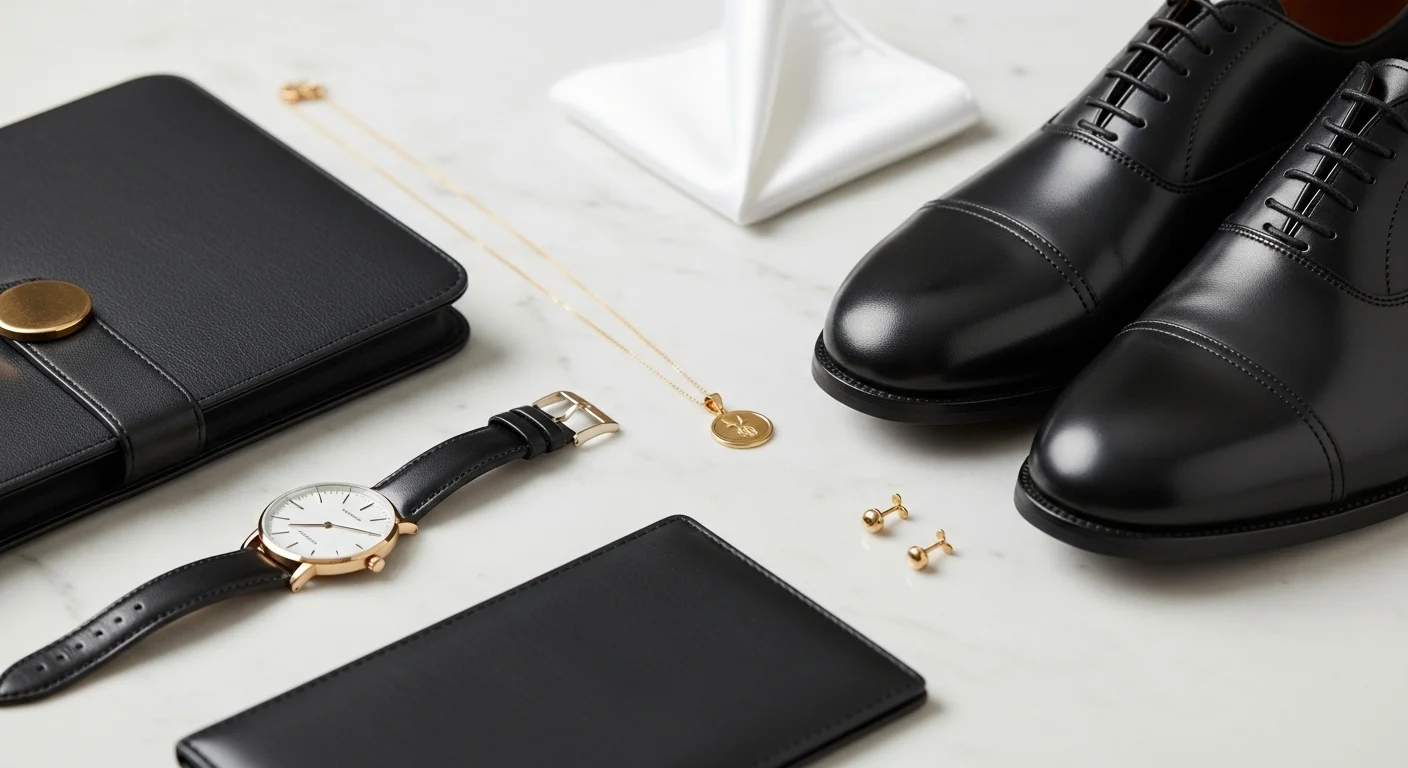
An interview outfit is never just about the clothes. The finishing details of grooming and accessories complete the overall picture and communicate the same level of care and attention to detail that you are hoping to demonstrate through your professional qualifications.
Ensure clothing is pressed and wrinkle-free. Regardless of what you decide to wear to your interview, it is a good idea to press, steam, or iron your clothes before meeting with a prospective employer. This can help you show that you took time to prepare for the interview and care about your appearance in the workplace. Dream Pairs
Keep accessories minimal and purposeful. A clean watch, a simple necklace, or subtle stud earrings add polish without creating visual distraction. Avoid anything that makes noise, reflects light excessively, or draws attention away from your face and your words during conversation.
If you wear perfume or cologne, be mindful of how much you put on so as not to have too overpowering a scent. Too strong a fragrance can distract the hiring manager, and some people may have allergies. Dream Pairs
Bonus Idea: The All-Black Interview Outfit
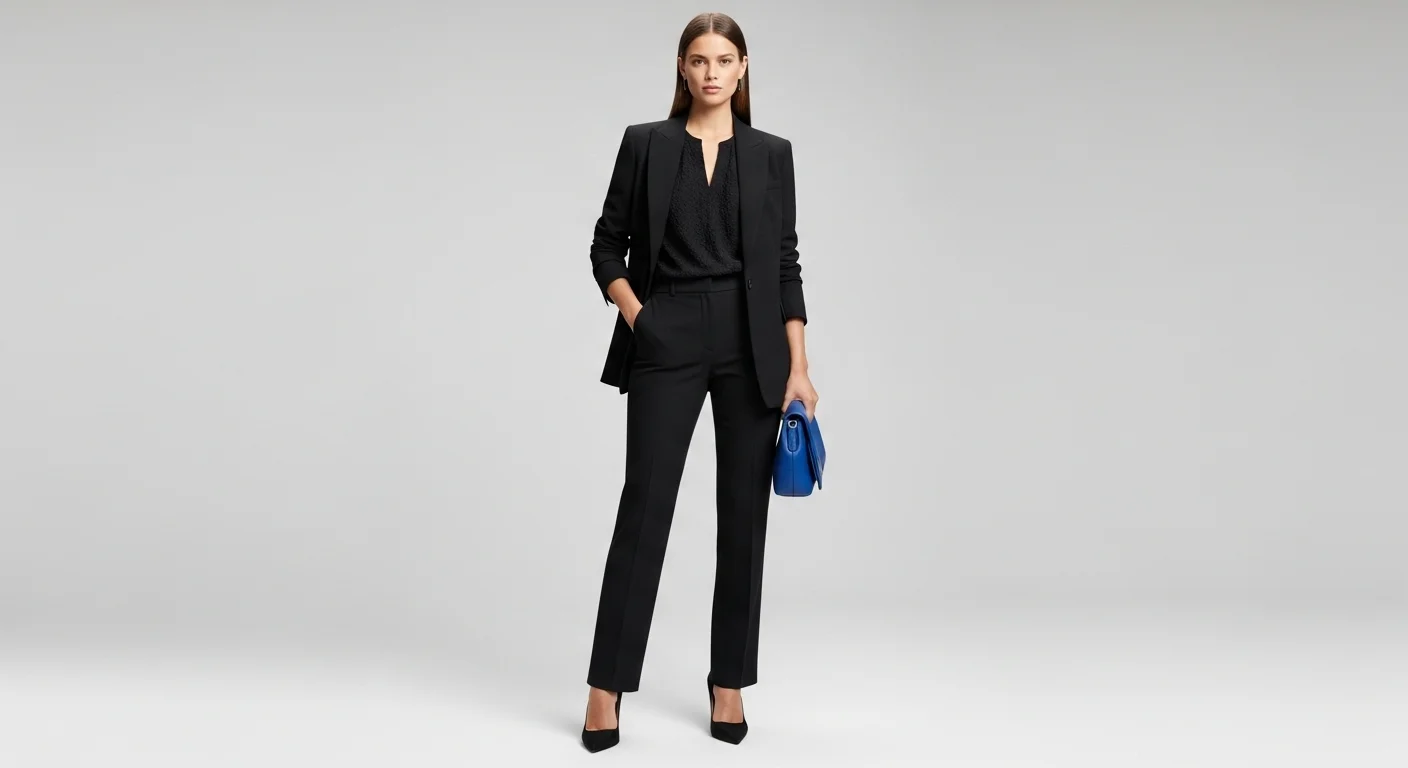
The all-black outfit is a quietly powerful choice that works across multiple interview settings. It communicates seriousness, confidence, and a sharp aesthetic awareness when executed well.
All-black outfits always understand the assignment. Elevate a monochrome look by blending modern visuals. Instead of an unexciting black shirt, experiment with texture and opacity. A sheer or textured top adds dimension to an otherwise standard silhouette. Style it with smart trousers and add a pop of colour to take things from minimal to memorable. Kizik
An all-black combination of tailored trousers, a structured blazer, and a neat blouse in an interesting fabric delivers maximum impact with minimal effort. A single coloured accessory, such as a burgundy bag or a cobalt blue shoe, lifts the look without undermining its intentional simplicity.
What Not to Wear to an Interview
Understanding what to avoid is as important as knowing what to wear. Regardless of the company culture or dress code level, certain choices consistently work against you in an interview setting.
Avoid overly casual items such as graphic t-shirts, hoodies, tracksuits, distressed denim, and flip-flops. These communicate a lack of seriousness about the opportunity. Similarly, avoid anything too revealing, too tight, or too heavily patterned that might distract from the conversation.
Unless the company culture allows, avoid anything that could imply you are off to a casual social setting rather than an interview. Strike graphic tees, tracksuits, hoodies, and the like off the checklist. Kizik
Strong fragrance, excessive jewellery, and very heavy or dramatic makeup can also undermine the professional impression you are working to build. Keep everything clean, intentional, and appropriately understated.
How to Research the Right Interview Outfit
Research the company’s dress code. When preparing for your interview, consider researching the company’s dress code to learn more about their expectations. Look at photos on their social media sites to get a sense of what people wear at the office. Dream Pairs
Beyond social media, you can look at the company’s website, check employee reviews on platforms like Glassdoor, or even reach out to your point of contact to ask about the typical dress code. There is no shame in asking. It demonstrates preparedness and genuine interest in fitting into the workplace culture.
Follow the step of dressing one level up from what those in the workplace environment wear. For example, if a company’s leaders and employees typically dress in jeans and T-shirts, your one step up might include a pair of non-denim pants and a tucked-in shirt. Who What Wear
Conclusion
What you wear to an interview is a direct reflection of how seriously you take the opportunity. It is not about wearing the most expensive clothes or following rigid fashion rules. It is about demonstrating that you have done your research, that you understand the environment you are hoping to enter, and that you respect both yourself and the people you are meeting.
Start by identifying the industry and the company culture. From there, select an interview outfit that is one level above the typical workplace standard, fits well, is clean and pressed, and makes you feel genuinely confident. When you feel good in what you are wearing, it shows in the way you carry yourself, the steadiness of your voice, and the quality of the impression you make.
Your interview outfit will never be the reason you get the job, but it can absolutely be the reason you make the kind of first impression that opens the door. Dress with purpose, dress with care, and let your professional qualifications do the rest.
Explore a well-curated range of professional interview attire at Nordstrom, Banana Republic, and ASOS to find the right look for your next opportunity.
Frequently Asked Questions
What is the safest interview outfit to wear to any job interview?
A tailored blazer paired with smart trousers or a midi skirt in a neutral colour such as navy, grey, or black is the safest and most universally appropriate choice. It works across almost every industry and dress code level while projecting professionalism and genuine preparation.
Should you dress formally even for a casual company interview?
Yes, but with calibration. Even for a casual company, you should dress one level above the typical workplace standard. Replace jeans with clean dark trousers, and pair them with a smart shirt or blouse. You want to signal respect for the occasion without appearing out of touch with the company culture.
What colours work best for a job interview?
Navy blue, grey, black, and white are the most professionally respected colours for an interview setting. They communicate reliability, confidence, and seriousness. If you want to add personality, introduce a secondary colour through an accessory rather than making it the dominant tone of your interview outfit.
What should you wear to a video or remote job interview?
Focus on your upper half since that is what the camera captures. Choose a solid-coloured shirt, blouse, or structured blazer that contrasts well with your background. Avoid bright white and busy patterns. Ensure your background is clean and that lighting is facing toward you rather than behind you.
Is it acceptable to wear a dress to a job interview?
Absolutely. A well-chosen knee-length or midi dress in a structured fabric is a polished and professional interview choice for women. Pair it with a blazer for added formality and closed-toe heels or smart flats to complete the look. Ensure the hemline is appropriate both when standing and sitting.
You may also like what to wear with black leggings