10+ Stunning Summer Hiking Outfits That’ll Make You Want To Hit the Trail!
10+ Stunning Summer Hiking Outfits That’ll Make You Want To Hit the Trail
Summer hiking presents a unique opportunity to explore breathtaking trails while enjoying warm weather and extended daylight hours. However, choosing the right outfit can mean the difference between an exhilarating adventure and an uncomfortable ordeal. The perfect summer hiking ensemble combines functionality with style, keeping you cool, protected, and confident as you conquer new paths. This comprehensive guide explores stunning summer hiking outfits that balance performance with aesthetics, ensuring you look and feel your best on every trail.
Understanding Summer Hiking Wardrobe Essentials
Building an effective summer hiking wardrobe requires understanding how different fabrics and garments work together to regulate body temperature while providing protection from environmental elements. Unlike casual summer wear, hiking outfits must withstand rigorous physical activity, unpredictable weather changes, and exposure to sun, wind, and potential hazards along the trail.
The foundation of any successful summer hiking outfit lies in selecting materials that actively work with your body rather than against it. Modern technical fabrics have revolutionized outdoor apparel, offering unprecedented levels of comfort and protection. When assembling your hiking wardrobe, prioritize pieces that offer moisture management, breathability, and durability while reflecting your personal style.
1. The Classic Athletic Tank and Shorts Combination

This timeless pairing remains popular for good reason. A moisture-wicking tank top in a light color paired with quick-drying hiking shorts creates a breathable, movement-friendly outfit perfect for moderate to hot conditions. Look for tanks with built-in shelf bras or pair them with a supportive sports bra underneath. Choose shorts with a length that prevents thigh chafing while offering maximum ventilation. Many hikers prefer shorts with multiple pockets for storing small essentials like lip balm, energy gels, or a compact phone.
The beauty of this outfit lies in its simplicity and effectiveness. Synthetic fabrics like polyester or nylon blends pull sweat away from your skin, allowing it to evaporate quickly and keep you cool. This combination works exceptionally well for well-maintained trails in warm, dry climates. Add a lightweight sun hoody that you can tie around your waist for additional sun protection during exposed sections of the trail.
2. The Sun-Smart Long Sleeve Ensemble
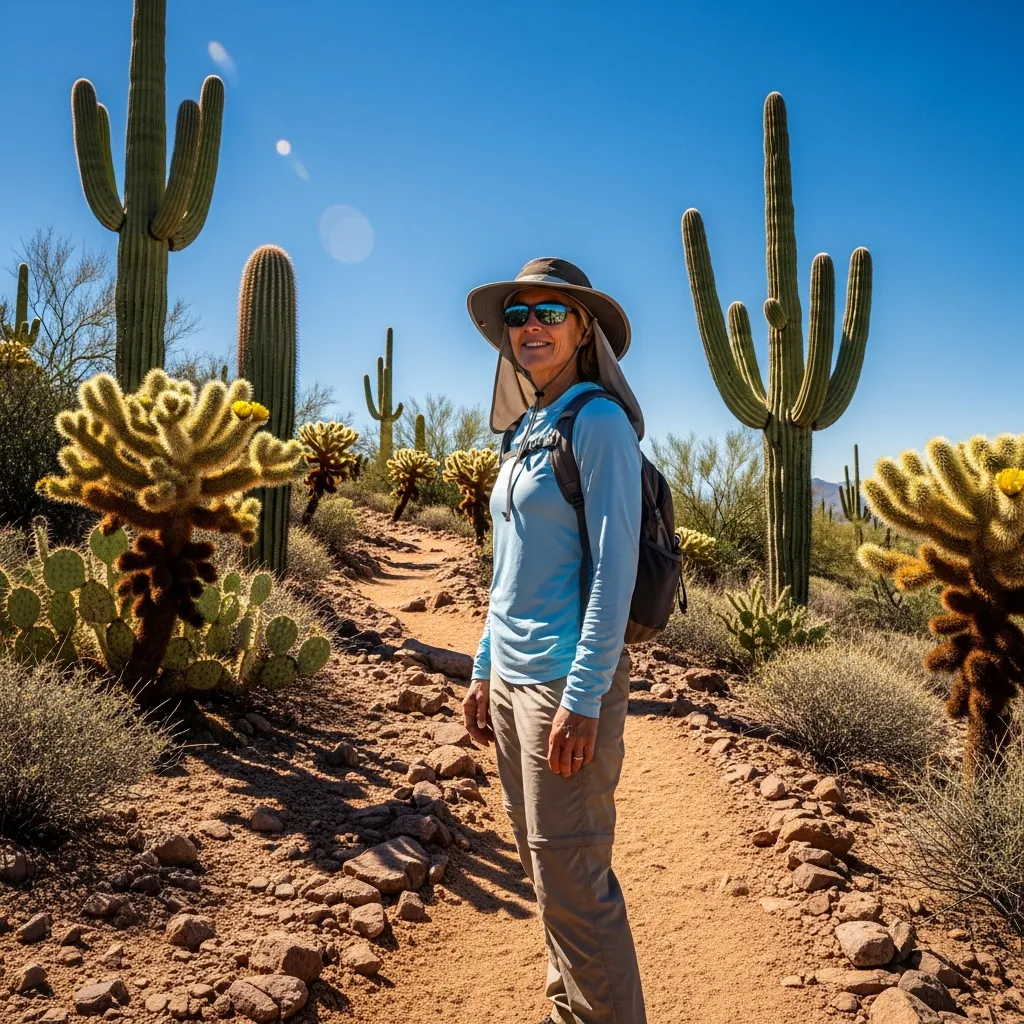
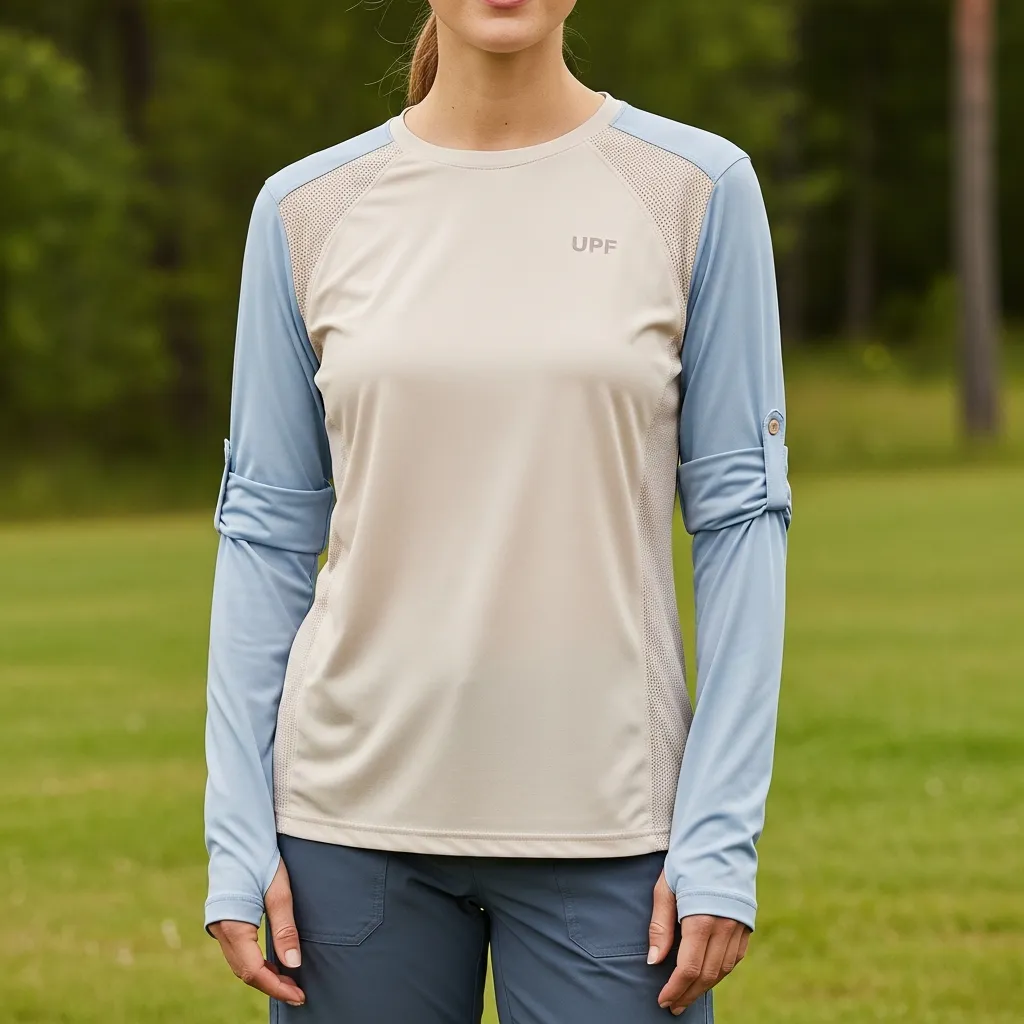
Contrary to popular belief, covering up can actually keep you cooler than exposing bare skin to direct sunlight. A lightweight, long-sleeved shirt with UPF protection paired with breathable hiking pants or convertible zip-off pants offers comprehensive sun protection without sacrificing comfort. This outfit excels in high-altitude hikes, desert environments, or any situation where shade is limited.
Modern sun shirts feature advanced fabrics that provide cooling effects while blocking harmful UV rays. Look for shirts with ventilation panels, mesh inserts, or strategic venting to enhance airflow. Pair these with pants made from stretch fabric that moves with your body and includes features like reinforced knees, multiple pockets, and articulated joints for improved mobility. This combination protects your skin from sunburn, reduces the need for constant sunscreen reapplication, and shields you from brush, insects, and minor scrapes.
3. The Feminine Hiking Skort Look
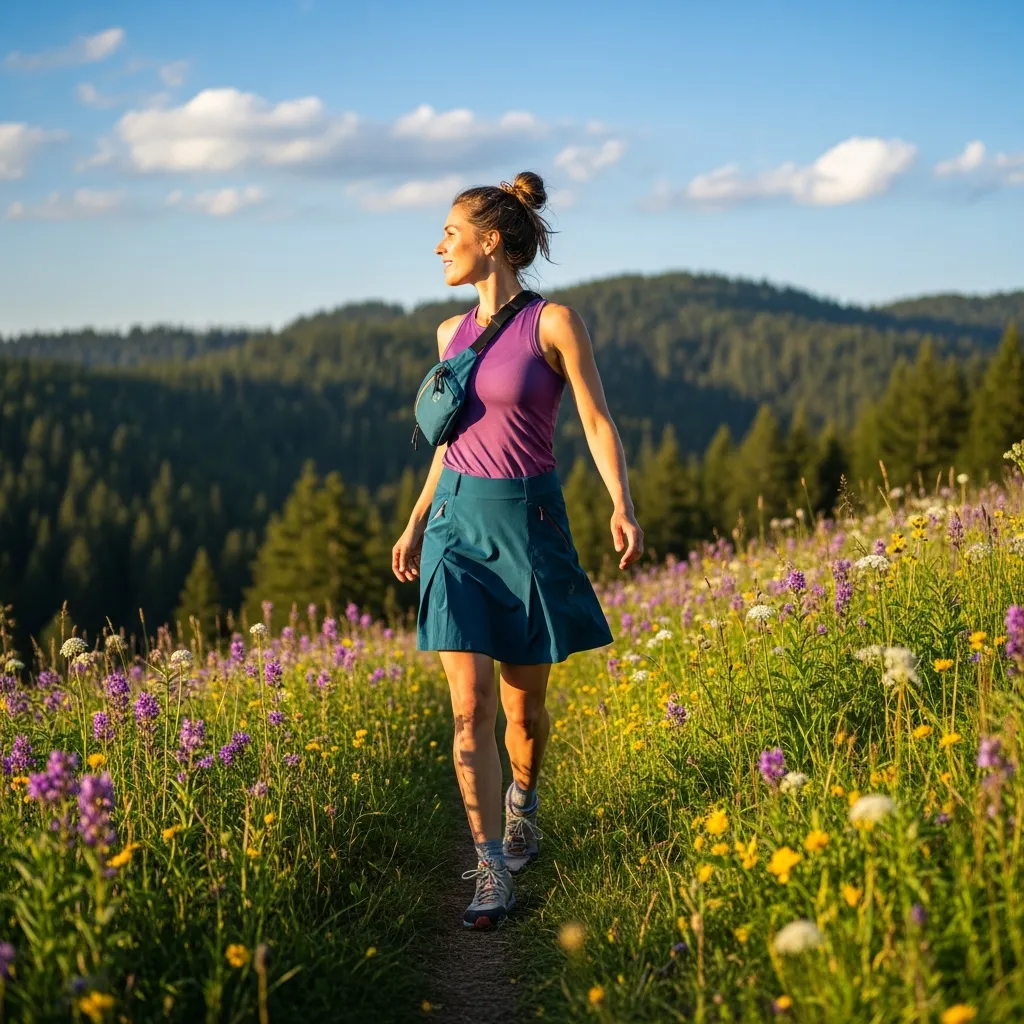
Hiking skorts have experienced a resurgence in popularity, offering a perfect blend of femininity and functionality. These versatile pieces combine the coverage and practicality of shorts with the flowing aesthetic of a skirt. High-quality hiking skorts feature built-in compression shorts underneath, eliminating concerns about chafing while providing complete freedom of movement.
Pair a hiking skort with a fitted moisture-wicking tank or athletic tee for a look that transitions seamlessly from trail to town. This outfit works particularly well for moderate hikes on established trails where you want to maintain a put-together appearance while staying comfortable. Many hiking skorts include multiple pockets, UPF protection, and water-resistant treatments, making them surprisingly functional despite their stylish appearance. Choose neutral colors for versatility or bold patterns to make a statement on the trail.
4. The Athleisure-Inspired Trail Outfit
The boundary between athletic wear and hiking gear continues to blur, creating opportunities for stylish yet functional trail outfits. High-waisted athletic leggings or capris paired with a cropped sports bra or fitted tank top creates a modern, streamlined silhouette that performs exceptionally well on the trail. This outfit allows complete freedom of movement while providing compression and support where you need it most.
When selecting leggings for hiking, prioritize fabrics with four-way stretch, moisture-wicking properties, and strategic mesh panels for ventilation. Look for waistbands with hidden pockets large enough to hold a phone or key. This outfit works best for moderate temperatures and well-groomed trails where you won’t encounter heavy brush or rough terrain. Layer with a lightweight windbreaker or rain shell that you can pack away when temperatures rise. The athleisure aesthetic proves that functional hiking wear can be fashion-forward without compromising performance.
5. The Convertible Pants System
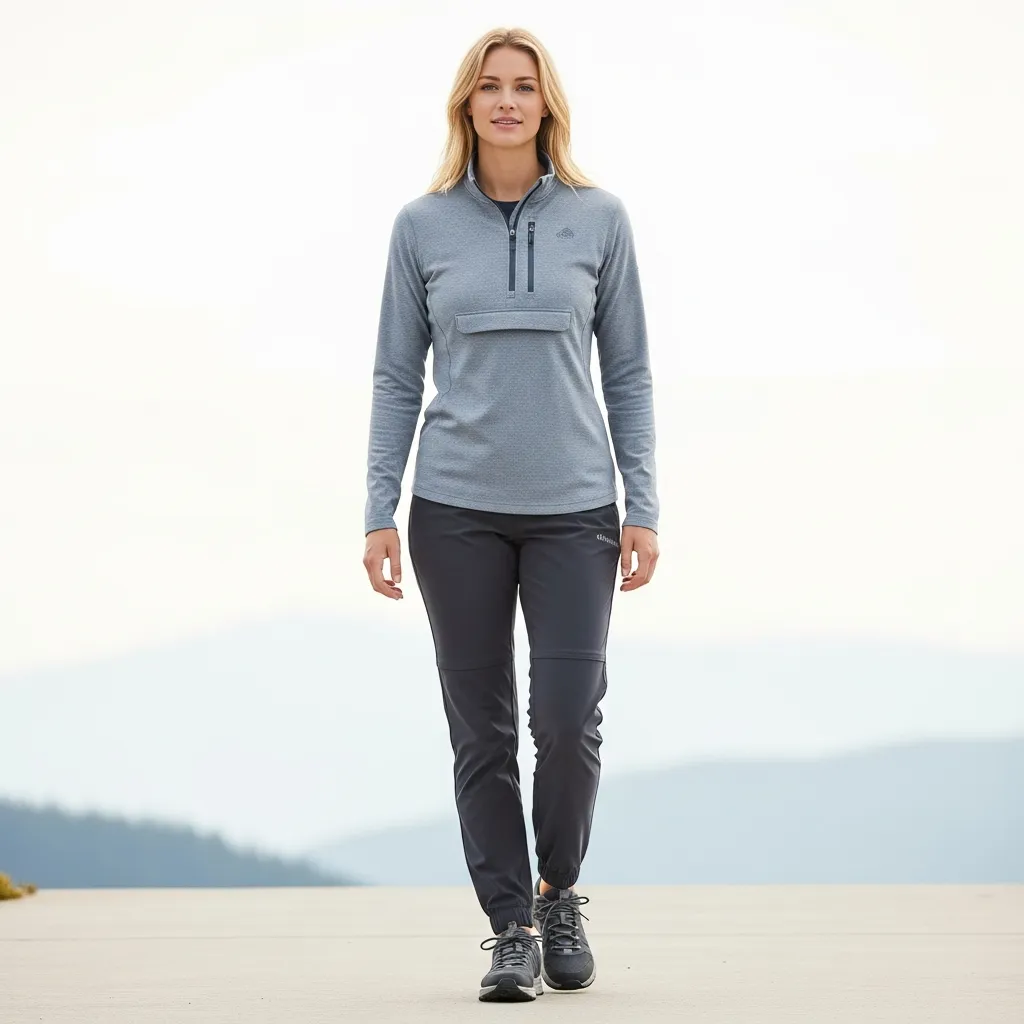
For hikers who encounter changing conditions throughout the day, convertible pants offer unmatched versatility. These innovative garments feature zip-off legs that transform from full-length pants to shorts in seconds, allowing you to adapt to temperature fluctuations without carrying extra clothing. This outfit provides comprehensive protection during cool morning starts, then transitions to shorts as the day warms up.
Pair convertible pants with a layered top system that includes a moisture-wicking base layer and a light long-sleeve shirt that can be removed as needed. This combination excels on multi-hour hikes that begin before sunrise or traverse varied terrain with significant elevation changes. Modern convertible pants have evolved beyond their utilitarian origins, now featuring flattering cuts, technical fabrics, and stylish details that make them appropriate for a wide range of outdoor activities. Choose pants with reinforced seat and knee areas for durability and articulated knees for improved mobility on steep climbs.
6. The Bright and Bold Statement Look
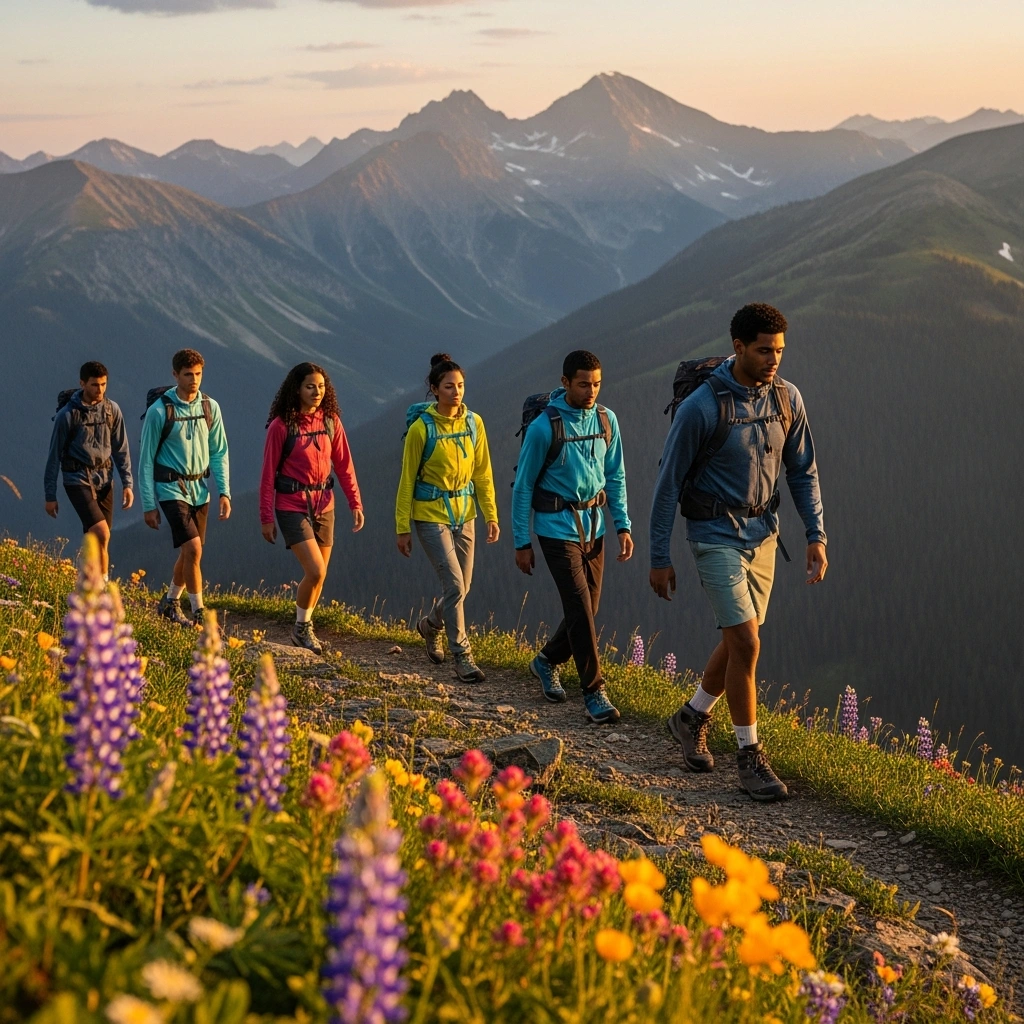
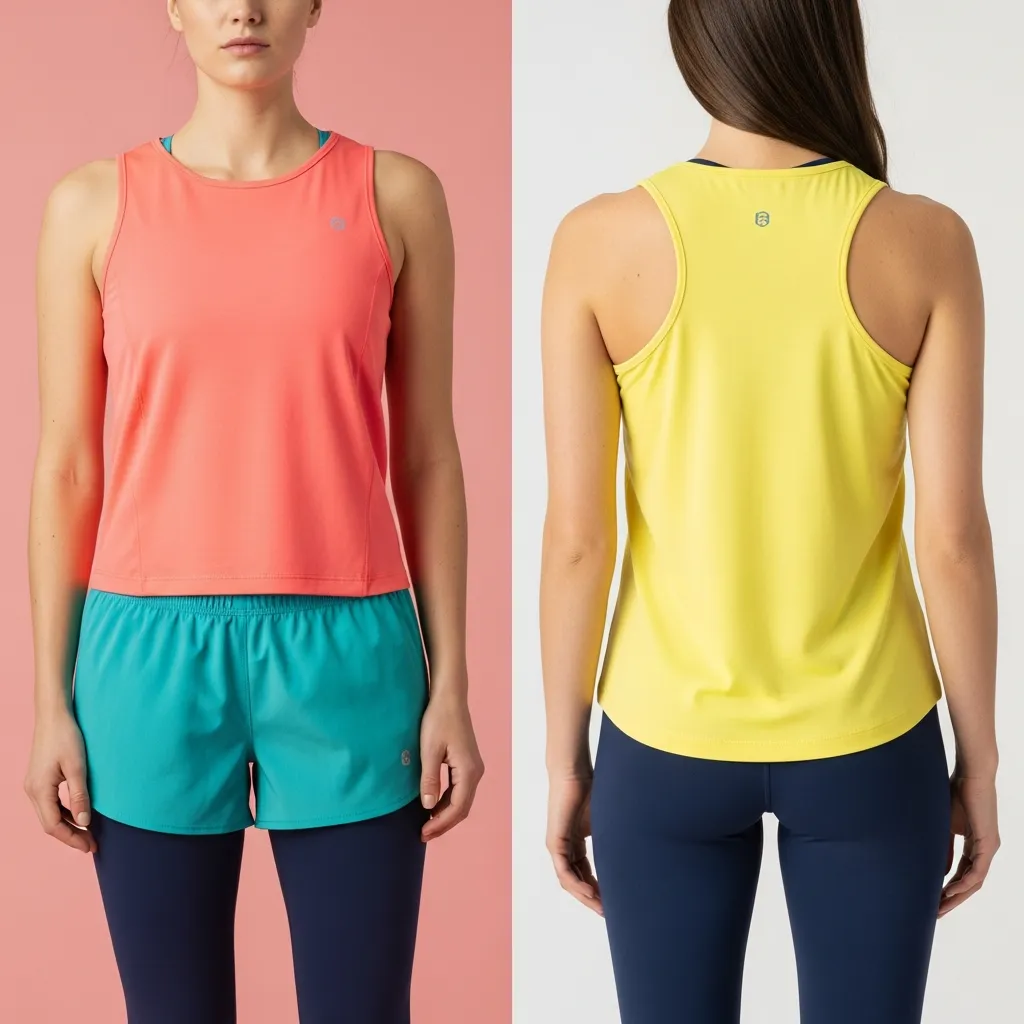
Who says hiking outfits need to be muted earth tones? Vibrant colors and eye-catching patterns can elevate your trail experience while offering practical benefits. Bright-colored clothing makes you more visible to other hikers, particularly important when hiking solo or in areas with hunting activity. A neon tank top or boldly patterned sports bra paired with coordinating shorts creates an energizing outfit that boosts confidence and mood.
This approach to hiking fashion allows self-expression while maintaining all necessary functional elements. Choose high-performance fabrics in exciting colors rather than sacrificing technical features for aesthetics. Many outdoor brands now offer vibrant color palettes that rival any athletic wear line. Consider color-blocking techniques by pairing a bright top with neutral bottoms, or go all-in with head-to-toe coordinated sets. This outfit particularly appeals to hikers who enjoy documenting their adventures on social media, as vibrant colors photograph beautifully against natural backdrops.
7. The Minimalist Hiking Dress
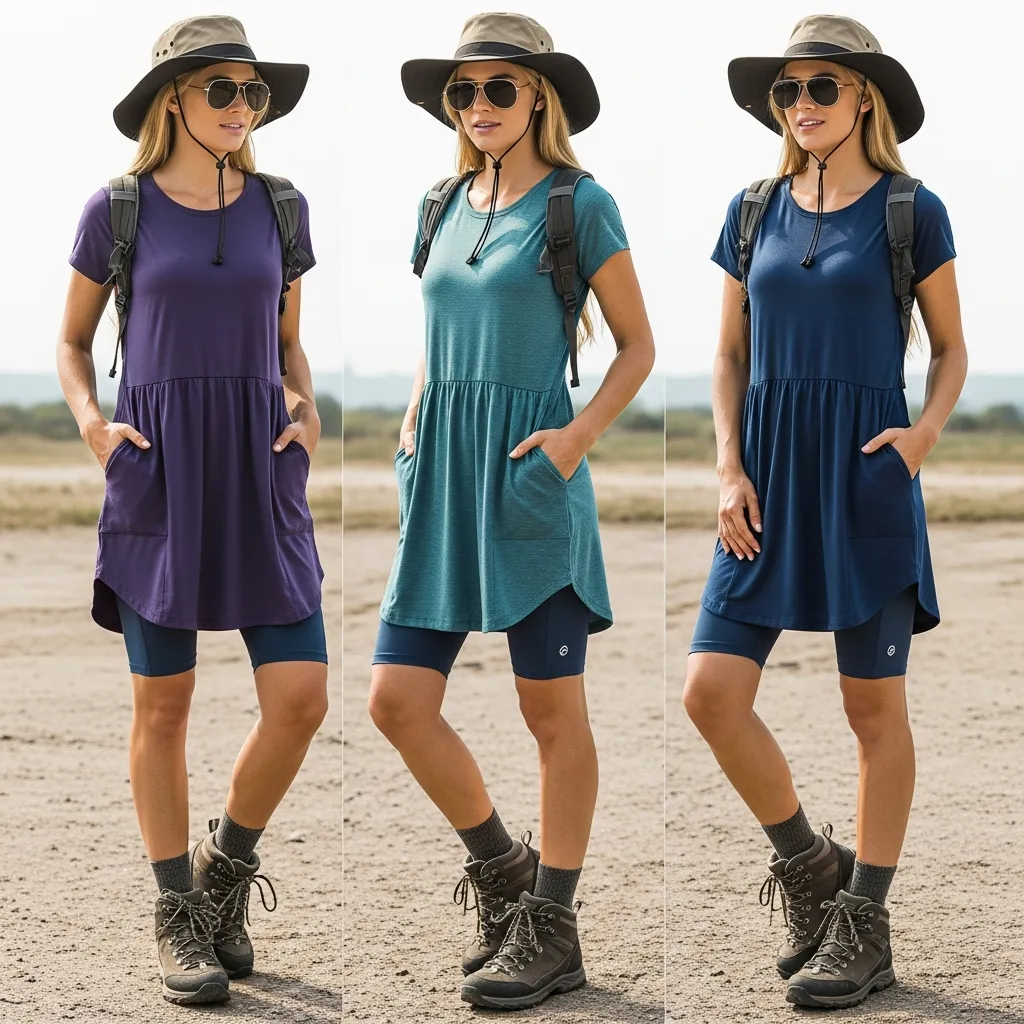
Hiking dresses represent the ultimate fusion of style and function for summer trails. These one-piece wonders eliminate the need to coordinate separate tops and bottoms while providing exceptional comfort and breathability. Built-in shorts or bike shorts underneath prevent chafing and ensure modesty, while the dress portion allows air circulation that keeps you remarkably cool even during strenuous climbs.
Modern hiking dresses feature strategic design elements like princess seams for shape, multiple pockets for storage, and fabrics with substantial stretch and recovery. This outfit works wonderfully for day hikes on established trails, particularly in warm climates where maximum airflow is desirable. Pair with trail runners or lightweight hiking boots and finish with a sun hat and sunglasses for a complete, effortlessly stylish look. The simplicity of a hiking dress streamlines your morning routine while delivering impressive performance on the trail.
8. The Layered Sun Protection System
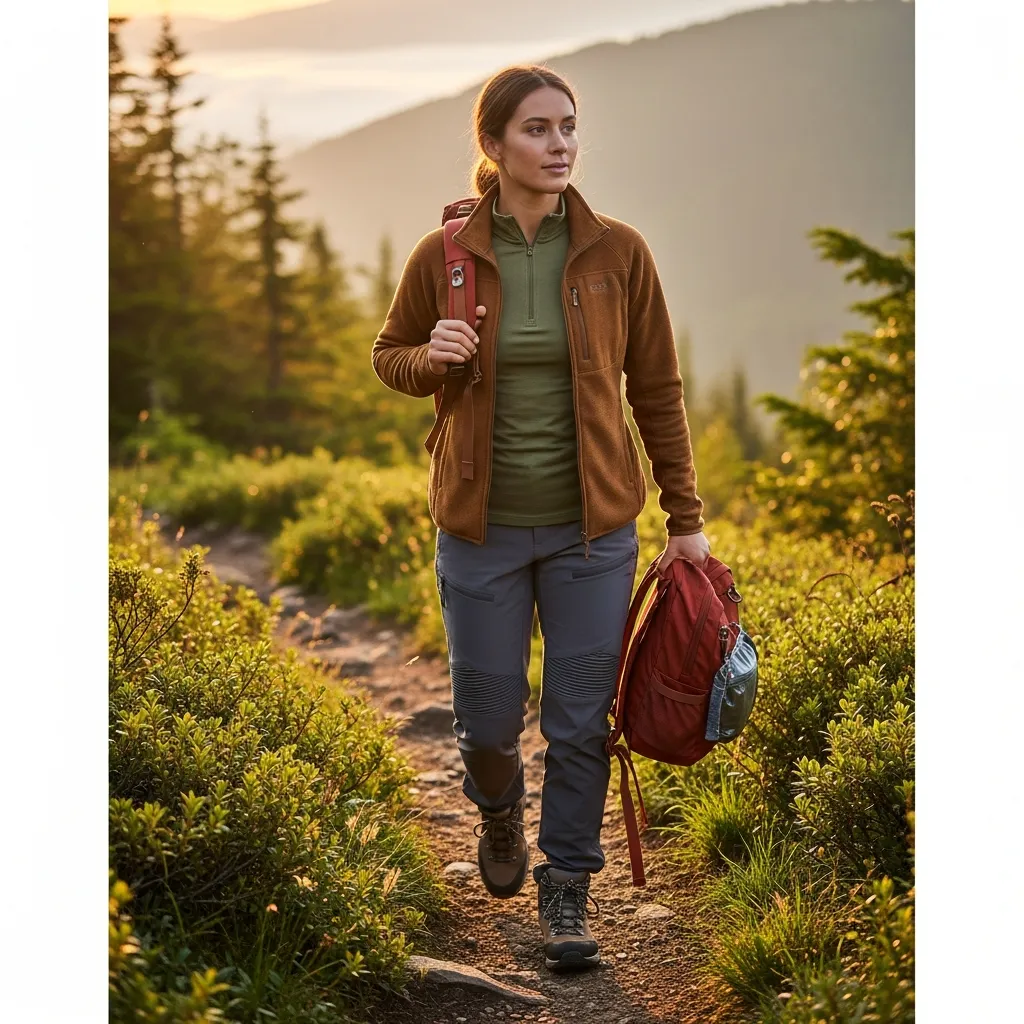
For serious sun protection without overheating, consider a comprehensive layering system specifically designed for hot weather. Start with a moisture-wicking sports bra or tank as your base, add a lightweight long-sleeve sun hoody for coverage, and complete the look with quick-drying shorts or lightweight pants. This outfit allows you to regulate temperature by unzipping the hoody, rolling up sleeves, or removing layers entirely as conditions change.
Sun hoodies represent one of the most valuable additions to any summer hiking wardrobe. These specialized garments feature built-in UPF protection, thumbholes to keep sleeves in place, and extended hemlines that protect your lower back and hips. Many include integrated face masks or neck gaiters for additional coverage. Despite providing extensive coverage, quality sun hoodies feel remarkably lightweight and breathable thanks to fabrics specifically engineered for hot weather performance. This outfit excels in exposed alpine environments, desert hikes, or any situation where reapplying sunscreen proves difficult or impractical.
The Vintage-Inspired Trail Look
Nostalgic fashion trends have influenced hiking wear, resulting in charming retro-inspired outfits that combine old-school aesthetics with modern performance. High-waisted shorts reminiscent of 1970s styles paired with a tucked-in graphic tee or vintage-wash tank creates a fun, approachable look that still delivers technical performance. Add classic hiking boots with red laces for an authentic throwback vibe.
This style proves particularly appealing for hikers who value personal expression and appreciate the golden age of outdoor recreation. The key is selecting vintage-inspired pieces made from contemporary technical fabrics rather than actual vintage items that lack moisture-wicking and quick-drying properties. Look for shorts with modern waistband construction that won’t dig in during movement, and choose tops with enough length to stay tucked when you raise your arms or bend over. This outfit works well for moderate hikes where you want to showcase personality while maintaining comfort and functionality.
The Monochrome Technical Set
For hikers who appreciate sleek, streamlined aesthetics, a monochrome outfit in black, charcoal, or deep earth tones creates a sophisticated trail look. Matching leggings and a long-sleeve top or coordinating shorts and tank in the same color family establish a cohesive, intentional appearance. This approach works across all seasons and terrain types while hiding dirt and wear better than lighter colors.
The monochrome strategy allows you to invest in high-quality technical pieces that mix and match effortlessly, simplifying packing for trips and reducing decision fatigue before hikes. Choose different textures and fabrics within the same color family to add visual interest without breaking the cohesive look. A charcoal moisture-wicking tank paired with black hiking leggings and a matching lightweight jacket creates depth through texture rather than color contrast. This outfit appeals to minimalists and those who prefer letting the natural landscape take center stage while maintaining a polished personal appearance.
Essential Accessories for Complete Summer Hiking Outfits
No hiking outfit is complete without carefully chosen accessories that enhance comfort and safety. A wide-brimmed sun hat or performance cap protects your face and neck from harmful UV rays while keeping glare out of your eyes. Quality hiking socks made from merino wool or synthetic blends prevent blisters and regulate temperature regardless of conditions. Sunglasses with UV protection and polarized lenses reduce eye strain and allow you to fully appreciate trail scenery.
Consider carrying a lightweight buff or neck gaiter that can be soaked in water for instant cooling relief during particularly hot stretches. A small backpack or hydration pack allows you to carry water, snacks, and a lightweight rain jacket without disrupting your outfit’s lines or comfort. Choose a pack with a hip belt to distribute weight properly and prevent shoulder strain. These accessories transform a good hiking outfit into a complete system that addresses every aspect of trail comfort and safety.
Fabric Technology That Makes the Difference
Understanding fabric technology empowers you to make informed decisions when building your summer hiking wardrobe. Moisture-wicking fabrics use capillary action to pull sweat away from your skin and distribute it across a larger surface area where it can evaporate quickly. This process keeps you drier and more comfortable than cotton, which absorbs moisture and stays wet. Quick-drying fabrics typically combine synthetic fibers like polyester and nylon, which don’t retain water the way natural fibers do.
UPF-rated fabrics provide measurable sun protection, with higher ratings blocking more harmful UV radiation. Fabrics rated UPF 50 block approximately 98 percent of UV rays, offering protection equivalent to applying high-SPF sunscreen on covered areas. Breathable fabrics allow air to circulate while blocking wind, creating a comfortable microclimate next to your skin. Some advanced fabrics even incorporate cooling technologies that actively lower surface temperature through mineral compounds or specialized weaving techniques. Investing in garments with these technologies pays dividends in comfort and protection across countless hiking adventures.
Seasonal Considerations for Summer Hiking
Summer encompasses a wide range of conditions depending on your location and elevation. Early summer hiking might require more layers and long sleeves, particularly at high altitudes where temperatures remain cool despite calendar dates. Mid-summer typically demands maximum breathability and sun protection, while late summer can bring afternoon thunderstorms that necessitate packable rain gear. Understanding these nuances allows you to fine-tune your outfit choices for specific trips.
Desert summer hiking requires different gear than mountain or coastal summer hiking. Desert environments demand comprehensive sun protection, light colors that reflect heat, and fabrics that allow maximum airflow. Mountain summer hiking needs versatile layering systems that adapt to rapid temperature changes as elevation increases. Coastal summer trails benefit from wind-resistant outer layers and quick-drying fabrics that handle humidity. Tailoring your outfit to your specific hiking environment ensures optimal comfort and safety regardless of destination.
Building a Versatile Summer Hiking Wardrobe
Creating a functional summer hiking wardrobe doesn’t require purchasing every item mentioned in this guide. Start with versatile basics that work across multiple outfit combinations, then add specialized pieces as you identify specific needs. A core wardrobe might include two or three moisture-wicking tops, two pairs of hiking shorts or pants, quality hiking socks, and appropriate footwear. This foundation allows numerous outfit combinations while keeping your investment reasonable.
As you gain experience and refine your preferences, add items that address gaps in your existing wardrobe or enhance comfort for your most frequent hiking conditions. Perhaps you discover that sun hoodies dramatically improve your experience, or that convertible pants solve the morning-chill-to-afternoon-heat challenge perfectly. Building a wardrobe gradually based on actual hiking experiences ensures every purchase adds genuine value rather than cluttering your closet with unused gear. Quality pieces maintained properly will serve you for years, making thoughtful investments worthwhile.
Conclusion
The perfect summer hiking outfit balances protection, comfort, and personal style while adapting to the specific demands of your chosen trails. Whether you prefer classic athletic combinations, fashion-forward athleisure looks, or vintage-inspired ensembles, modern hiking apparel offers options that reflect your personality without compromising performance. Understanding fabric technologies, layering strategies, and seasonal considerations empowers you to assemble outfits that enhance rather than hinder your outdoor adventures.
Remember that the best hiking outfit is the one that makes you feel confident and comfortable enough to fully engage with the natural world around you. Experiment with different combinations, pay attention to what works for your body and hiking style, and don’t be afraid to express your personal aesthetic on the trail. Summer hiking offers the perfect opportunity to explore new paths while looking and feeling your absolute best. The trail is calling, and now you know exactly what to wear when you answer.
Frequently Asked Questions
What fabric should I avoid wearing for summer hiking?
Cotton should be avoided for summer hiking because it absorbs and retains moisture rather than wicking it away from your skin. When cotton becomes wet with sweat, it stays damp, which can cause chafing, discomfort, and even hypothermia if temperatures drop. Instead, choose moisture-wicking synthetic fabrics like polyester and nylon, or natural performance fibers like merino wool that dry quickly and keep you comfortable.
Do I need to wear long sleeves in summer for hiking?
While it may seem counterintuitive, wearing lightweight long sleeves can actually keep you cooler than exposing bare skin to direct sunlight. Long-sleeve shirts with UPF protection block harmful UV rays, reduce the need for frequent sunscreen application, and create a barrier against insects and brush. Modern sun protection shirts use breathable, cooling fabrics that allow excellent airflow while providing coverage. The choice between short and long sleeves depends on your trail conditions, sun exposure, and personal preference.
What is the difference between regular athletic shorts and hiking shorts?
Hiking shorts are specifically designed for trail conditions and typically feature more durable, abrasion-resistant fabrics that withstand contact with rocks, branches, and rough surfaces. They usually include more functional pockets with secure closures for carrying essentials like keys, phones, or snacks. Hiking shorts often have longer inseams to prevent chafing and may include water-resistant treatments or built-in UPF protection. While regular athletic shorts work fine for easy trails, dedicated hiking shorts provide enhanced durability and functionality for challenging terrain.
How many outfits do I need for summer hiking?
Most hikers can build a functional summer hiking wardrobe with two to three complete outfits. This allows you to rotate clothing between hikes while having clean options available. Focus on versatile pieces that mix and match well, such as two pairs of shorts or pants, three moisture-wicking tops, and appropriate accessories. Quality matters more than quantity, so invest in durable, well-constructed pieces that will last multiple seasons. As you hike more frequently and in varied conditions, you can expand your wardrobe to address specific needs.
Can I wear hiking boots in summer or should I choose lighter footwear?
Both hiking boots and lighter options like trail runners work well for summer hiking, depending on your trail choice and personal needs. Lightweight, breathable hiking boots or mid-cut shoes provide ankle support and protection on rocky or uneven terrain while offering sufficient ventilation for warm weather. Trail runners excel on well-maintained trails where you want maximum breathability and lighter weight. Many summer hikers prefer non-waterproof footwear that dries quickly rather than waterproof boots that can trap heat. Consider the specific demands of your planned hike when choosing footwear.