10+ Stylish Ways To Hide Your Tummy And Look Amazing
Introduction
Every woman deserves to walk out of her house feeling confident, polished, and completely at ease in what she is wearing. Yet for many, the challenge of dressing around the midsection can make getting dressed feel like a daily negotiation with the mirror. Whether you are dealing with postpartum changes, hormonal shifts, natural weight redistribution, or simply the perfectly normal reality of carrying a little extra around the belly, the good news is this: the right outfit can do extraordinary things.
Tummy-hiding outfits are not about shame or covering up. They are about the art of dressing strategically, using silhouette, fabric, color, and proportion to present your best self to the world. Fashion has always been a form of self-expression, and once you understand which styles work in your favor, getting dressed becomes something to enjoy rather than dread.
This guide walks you through more than ten proven, stylish approaches to dressing that will help you look sleek, put-together, and genuinely amazing, regardless of your shape or size.
1. Embrace the Wrap Dress: The Ultimate Tummy-Flattering Classic
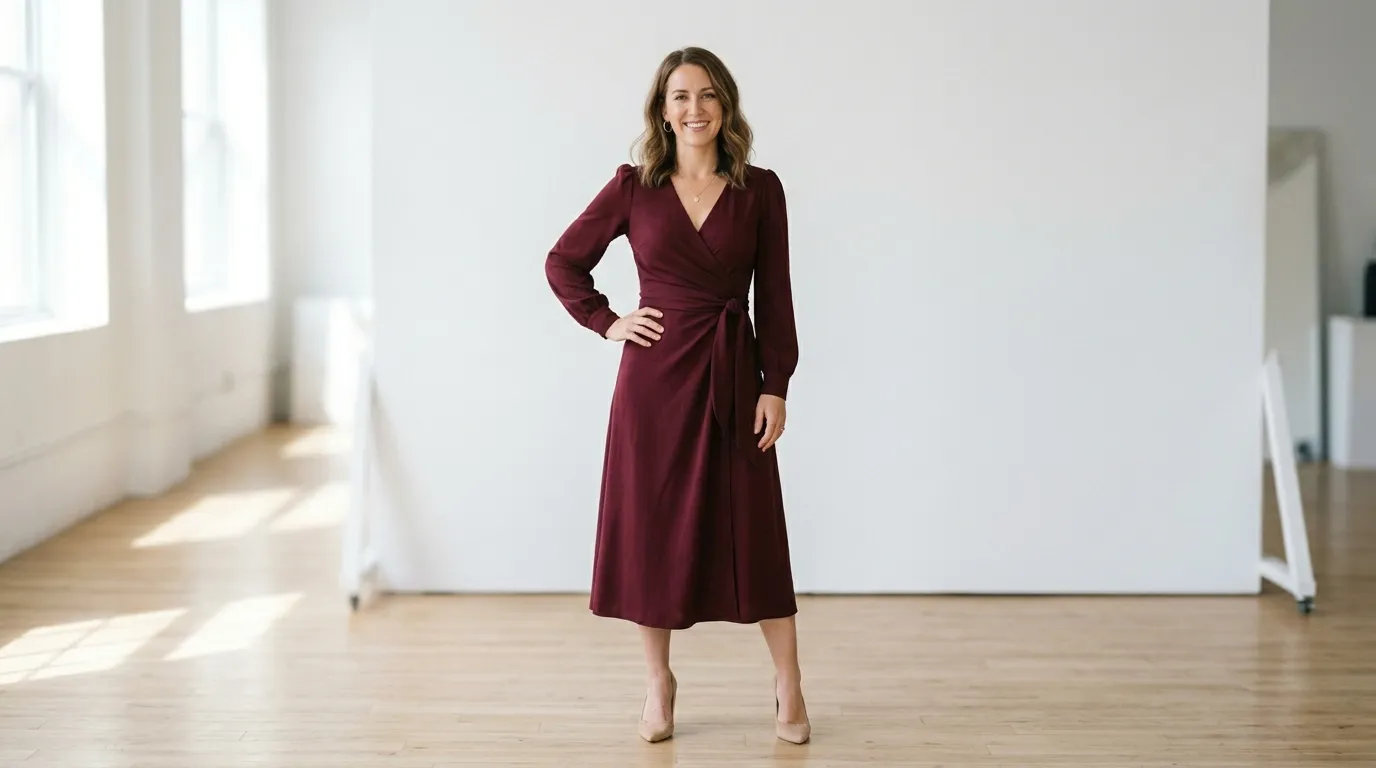
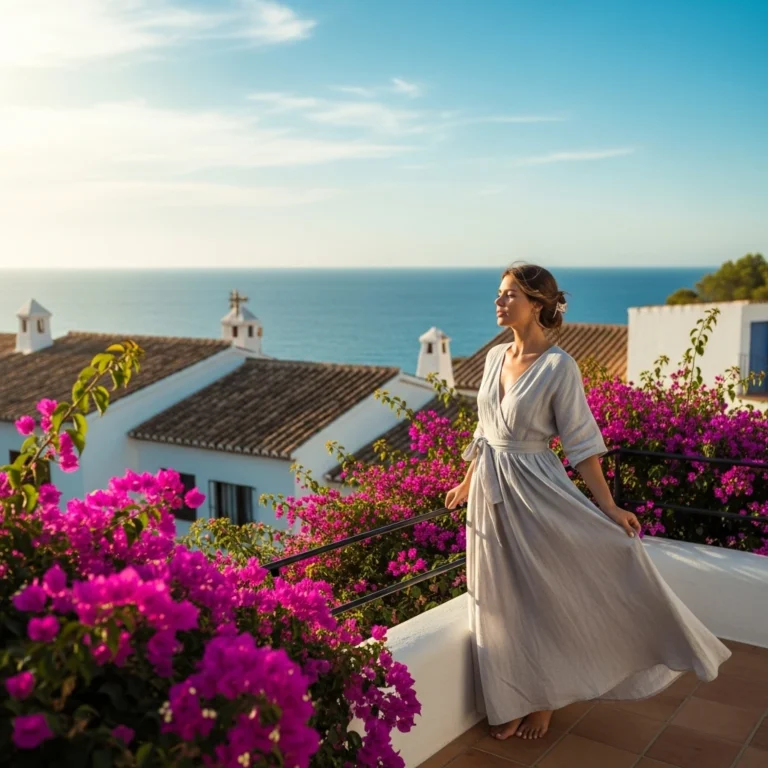
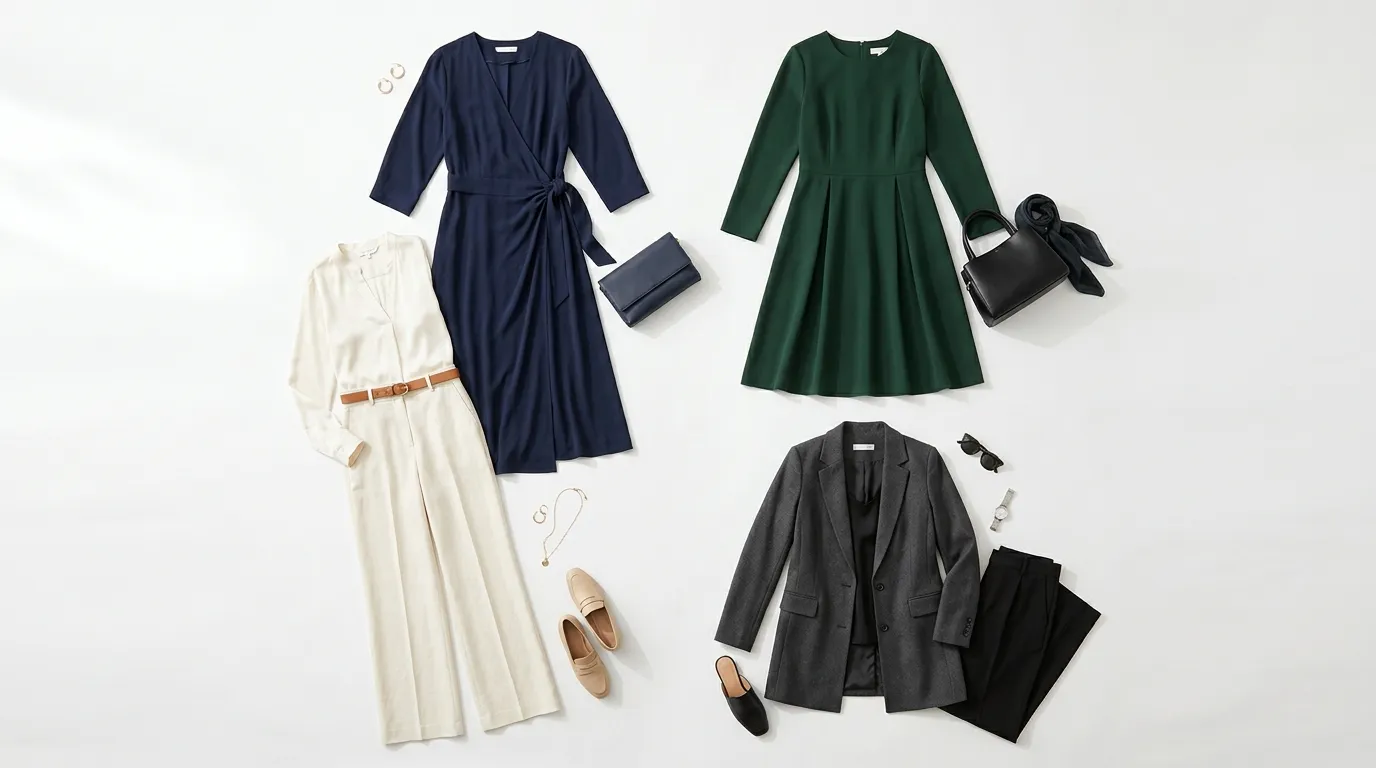
If there is one garment that fashion stylists and women alike have praised for decades as the most universally flattering piece, it is the wrap dress. The magic lies in its design. The crossover front creates a diagonal line across the torso, and diagonal lines are inherently slimming because they break up width rather than drawing the eye straight across the belly.
The adjustable tie at the side allows you to control exactly how the dress sits on your body. You can pull it in to define the waist just above the natural waistline, while the draped fabric naturally skims over the midsection without clinging. The V-neckline that comes with most wrap dresses is an added bonus, as it draws attention upward toward the face, collarbone, and chest.
For the best results, choose a wrap dress in a medium-weight fabric such as matte jersey, crepe, or structured knit. These fabrics hold their shape beautifully and do not cling the way thin jersey or lightweight silk might. Midi lengths are particularly flattering because they elongate the silhouette without hiding the legs entirely.
2. High-Waisted Bottoms: Your Best Friends in the Wardrobe
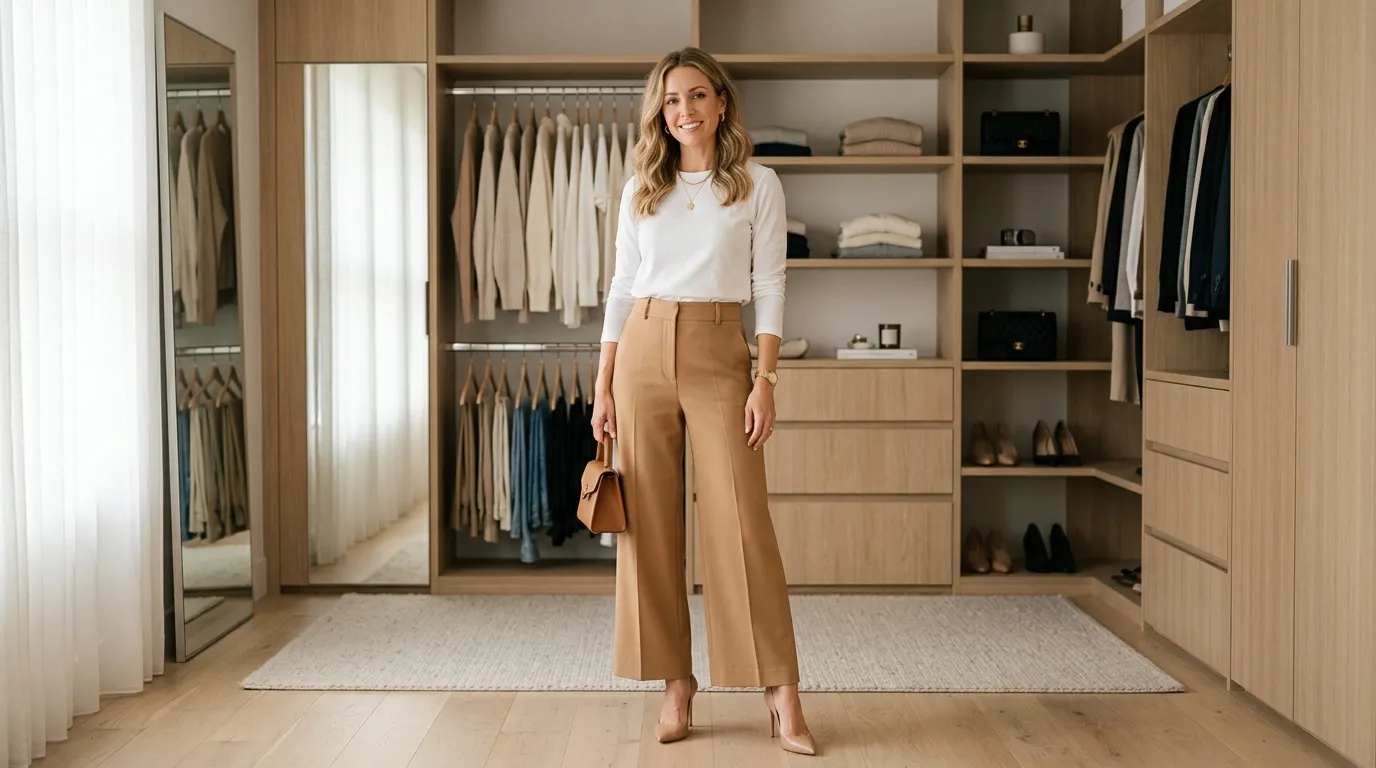
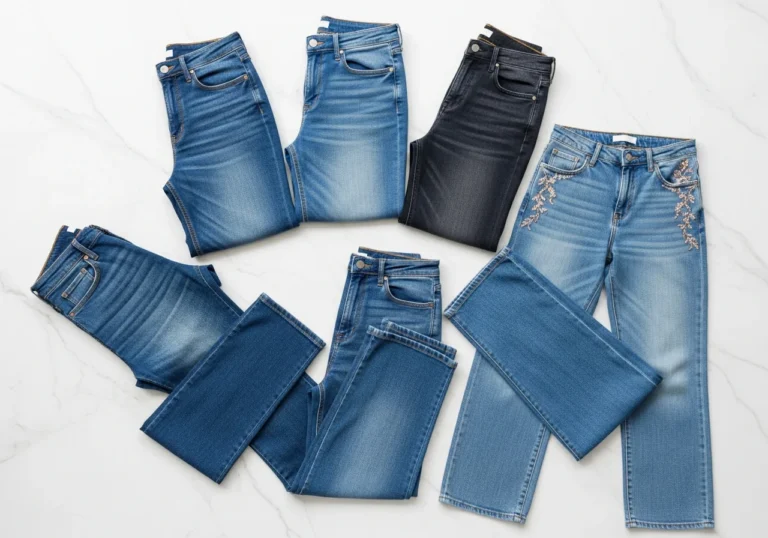
High-waisted trousers, jeans, skirts, and shorts are among the most effective tummy-hiding outfits available today, and the beauty is that they have become a mainstream fashion staple rather than a niche solution. A well-constructed pair of high-waisted trousers acts almost like a gentle corset, smoothing and compressing the lower belly while creating the illusion of a defined waist.
The key is to find a pair with enough structure. Look for fabrics like denim, ponte, crepe, or tailored cotton. Wide-leg high-waisted trousers are particularly effective because the wider hem at the bottom balances the upper body, drawing the eye downward and creating a long, lean column of proportion. Pair them with a lightly fitted top tucked in at the front, and you have a classic, elegant look that works for the office, brunch, or an evening out.
Avoid high-waisted bottoms with excessive embellishment or hardware directly at the waistband, as zippers, rivets, and heavy seaming in that area can draw attention to exactly where you want none.
3. The Empire Waist: Cinch High, Flow Free
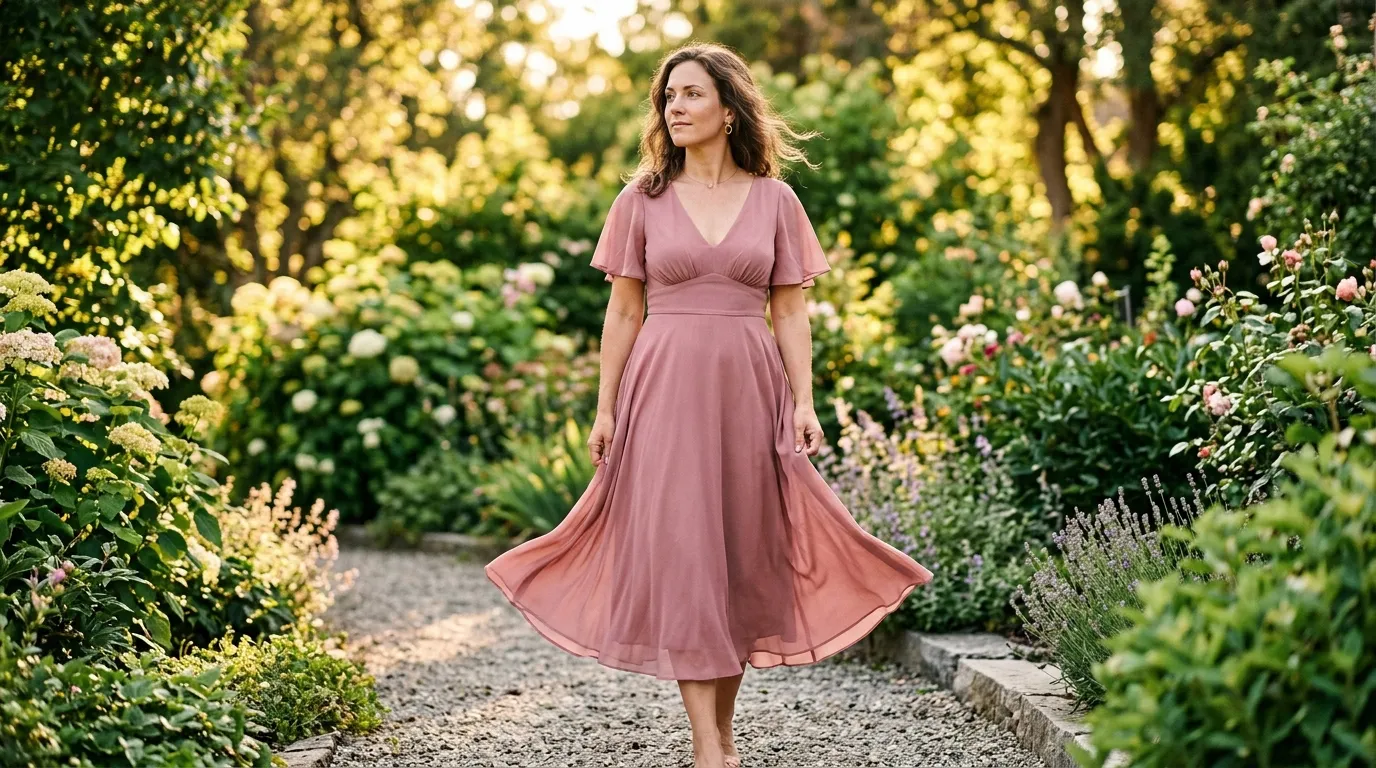
The empire waist is a design principle that has been flattering women for centuries, and for very good reason. An empire waist garment cinches just below the bust at the narrowest point of the upper torso, then allows the fabric to flow freely over the stomach, hips, and lower body. The result is an elegant silhouette that skims comfortably over the midsection without looking baggy or shapeless.
Empire waist dresses and tops work because they shift the point of focus to the chest and shoulders, the parts of the body that tend to remain unchanged regardless of belly size. The flowing fabric below creates a graceful, elongated look that reads as sophisticated rather than concealing.
When shopping for empire waist pieces, look for those with a clearly defined seam just under the bust and a fabric that has enough body to float rather than cling. Chiffon, crepe, and ponte are excellent choices. Avoid overly stiff fabrics that stick out awkwardly from the body.
4. Ruching: The Texture That Transforms
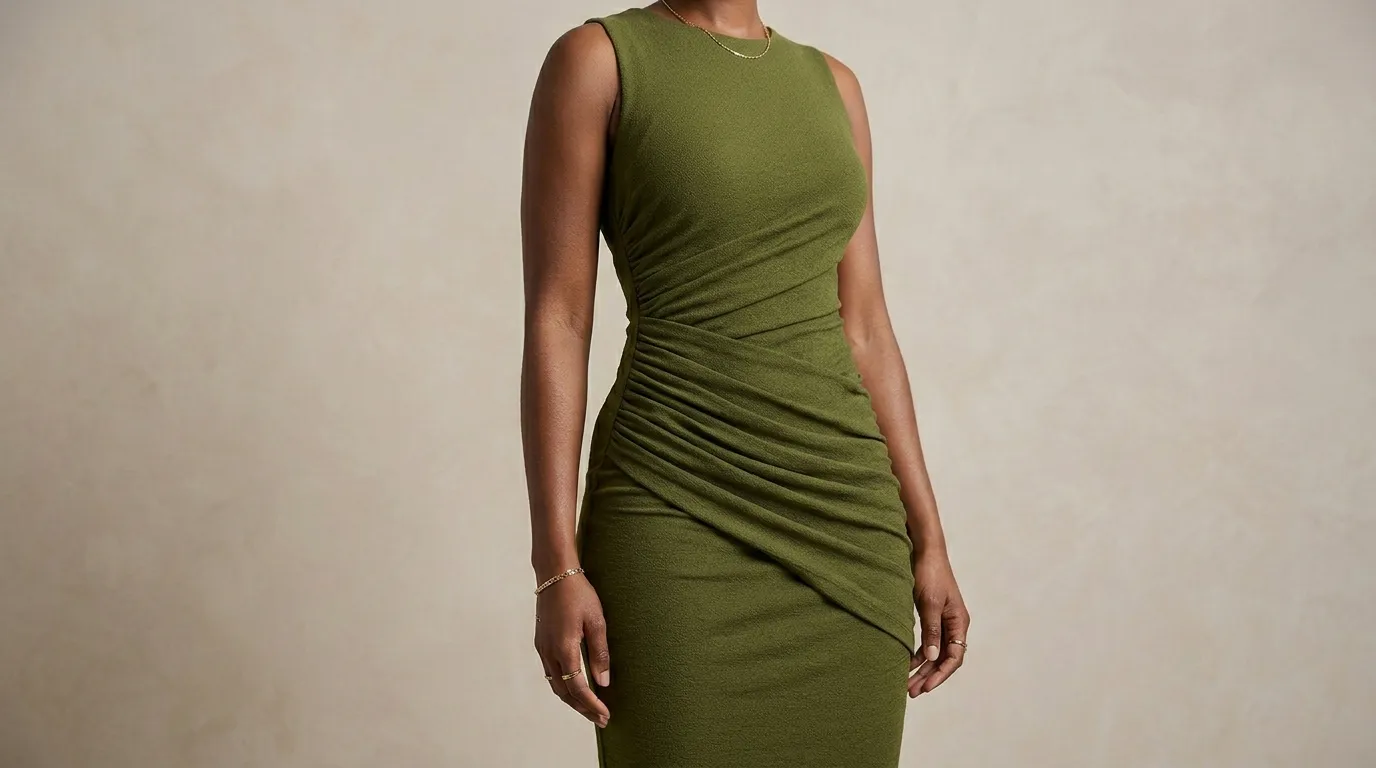
Ruching is one of the most underrated techniques in tummy-hiding fashion, and once you understand how it works, you will see why so many smart dresses and tops include it. Ruching refers to the soft gathering or folding of fabric, typically running diagonally or horizontally across the garment. These gentle folds add texture and movement to the fabric, which serves as a visual distraction from the flat smoothness that would otherwise highlight every curve and contour of the midsection.
Instead of fabric lying flat against the belly and revealing its shape, ruched fabric creates multiple layers of shadow and dimension. The eye sees texture and movement rather than a distinct shape, making the stomach area appear smaller and smoother.
Ruched midi dresses, ruched side-tie tops, and ruched-waist blouses are all widely available and genuinely effective. They work equally well in casual and formal settings, making them one of the most versatile tummy-hiding tools in your wardrobe arsenal.
5. The A-Line Silhouette: Timeless and Forgiving
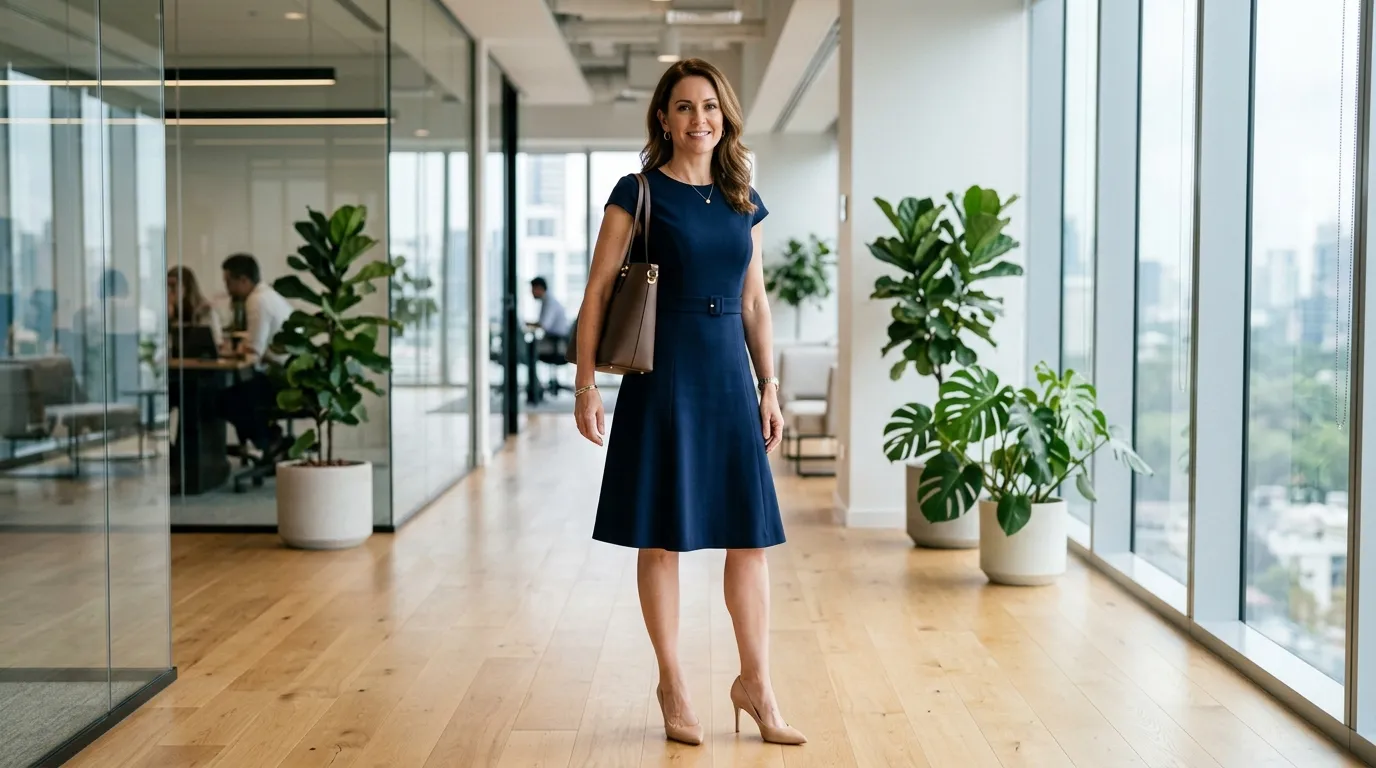
The A-line silhouette is another garment shape that has stood the test of time precisely because it flatters such a wide variety of body types. An A-line skirt or dress is fitted at the hips and gradually flares outward toward the hem, creating a shape that resembles the letter A. This gentle flare skims over the belly and hips without clinging, while the fitted upper portion creates the impression of a defined waist.
A-line skirts paired with a well-fitted blouse or structured top are a particularly strong combination for hiding the tummy. The skirt handles coverage of the midsection, while the top can showcase your shoulders, neckline, and upper body. Choose an A-line skirt in a structured fabric like denim, cotton twill, or ponte for the best shape retention.
A-line dresses, particularly those with a defined waistband just above the natural waist, achieve the same effect in a single, easy piece. They are an excellent choice for formal occasions, workwear, and everything in between.
6. Monochromatic Dressing: The Power of One Color Head to Toe
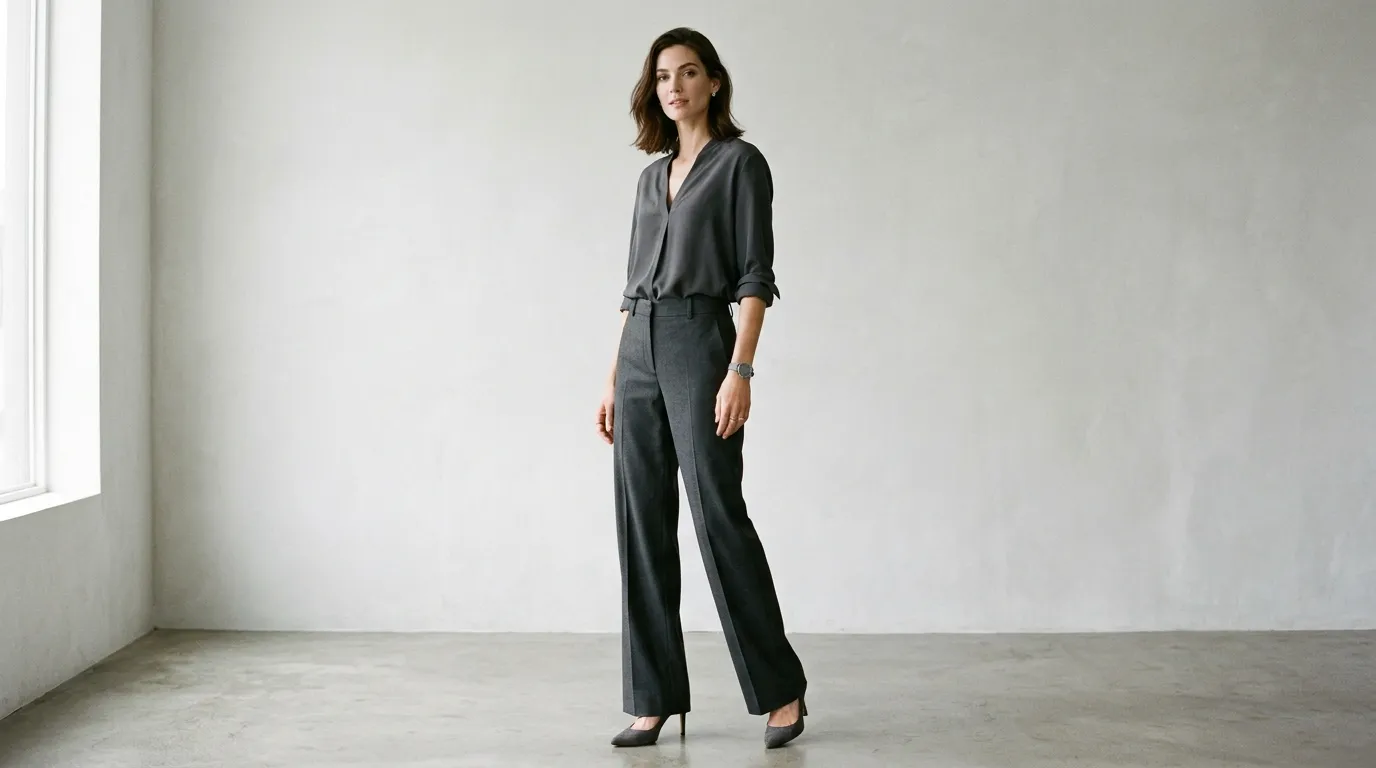
One of the most powerful style tricks for creating a lean, elongated appearance is dressing in a single color from head to toe. When there is no contrasting break of color at the waist, hips, or belly, the eye reads the entire body as one long, uninterrupted vertical line. This creates the illusion of height and slimness regardless of your actual proportions.
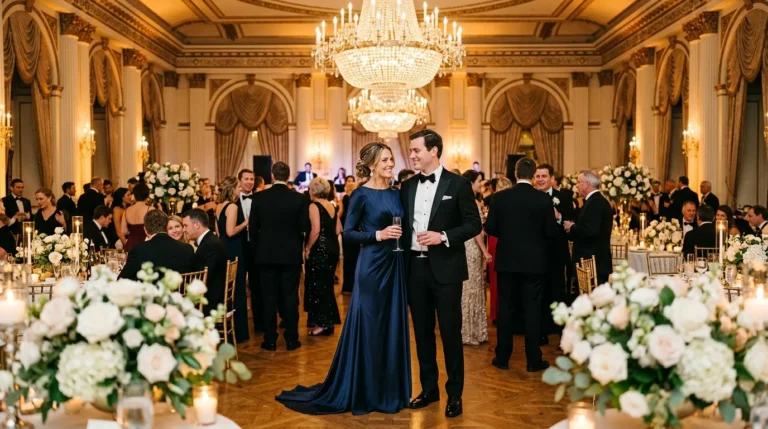
Monochromatic dressing does not have to mean wearing identical shades of the same color. You can mix and match different textures within the same color family, such as pairing a matte crepe trouser with a silky blouse in a similar shade of navy, or combining a chunky knit sweater with tailored trousers in the same camel tone. The variety of textures keeps the look interesting, while the unified palette maintains the slimming effect.
Dark shades like navy, charcoal, forest green, and black are the most commonly recommended for this technique, but the truth is that any color works as long as it is consistent from top to bottom.
7. The Longline Blazer: Structure That Slims
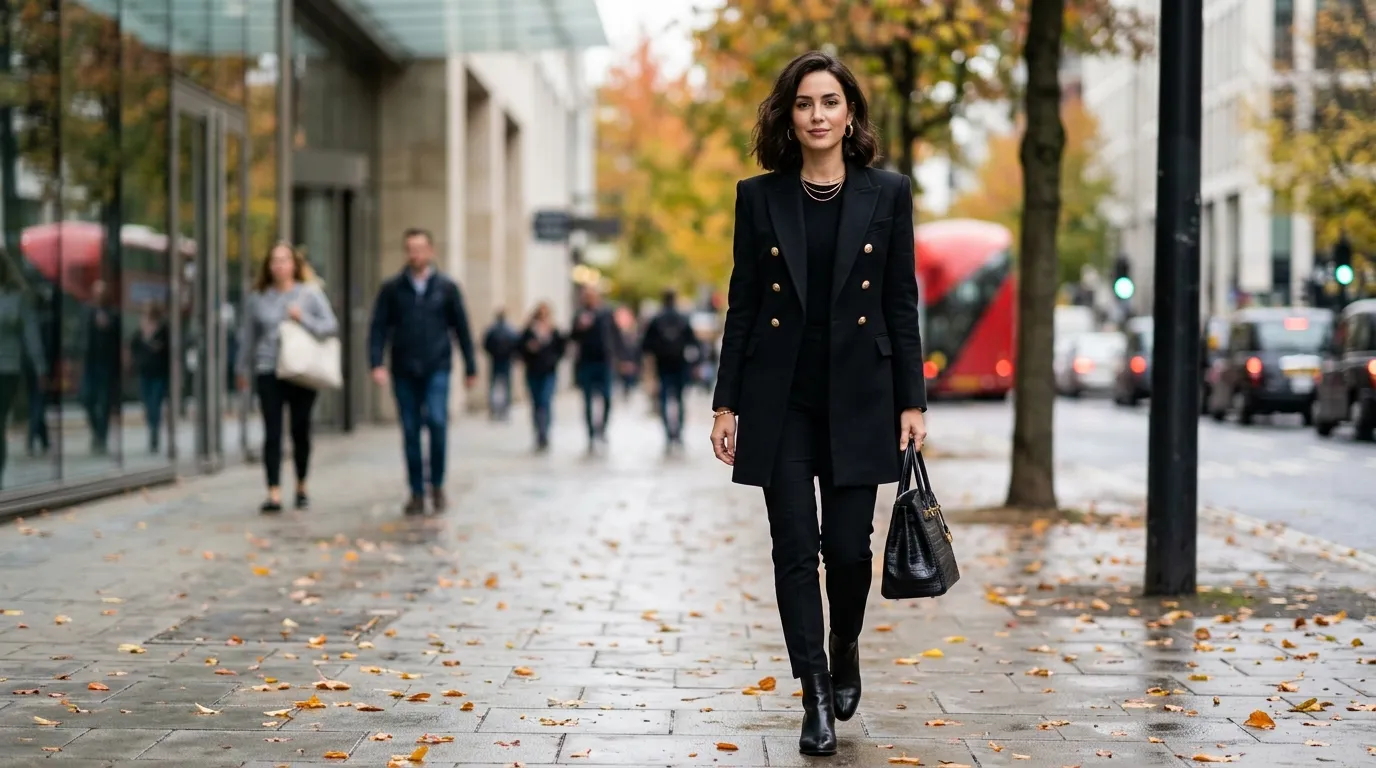
A longline blazer is one of the most practical and stylish tummy-hiding outfits for women who want to look polished and put-together. Unlike shorter jackets that cut across the belly and draw the eye directly to the widest part of the torso, a longline blazer extends past the hips, creating long vertical lines that elongate the entire body.
The structured cut of a blazer adds definition to the shoulders and chest, drawing the eye upward. The open front creates a central vertical line from neckline to hem, which slims the overall silhouette without applying any compression or requiring a perfect fit underneath.
A double-breasted longline blazer is particularly effective because the two rows of buttons add a structured focal point to the chest area. Worn over a dark top and matching trousers, it creates a sharp, confident look that conceals the midsection entirely. For a more casual approach, an oversized longline blazer worn open over a simple fitted top and wide-leg jeans is both effortlessly stylish and supremely flattering.
8. Dark Colors and Strategic Prints
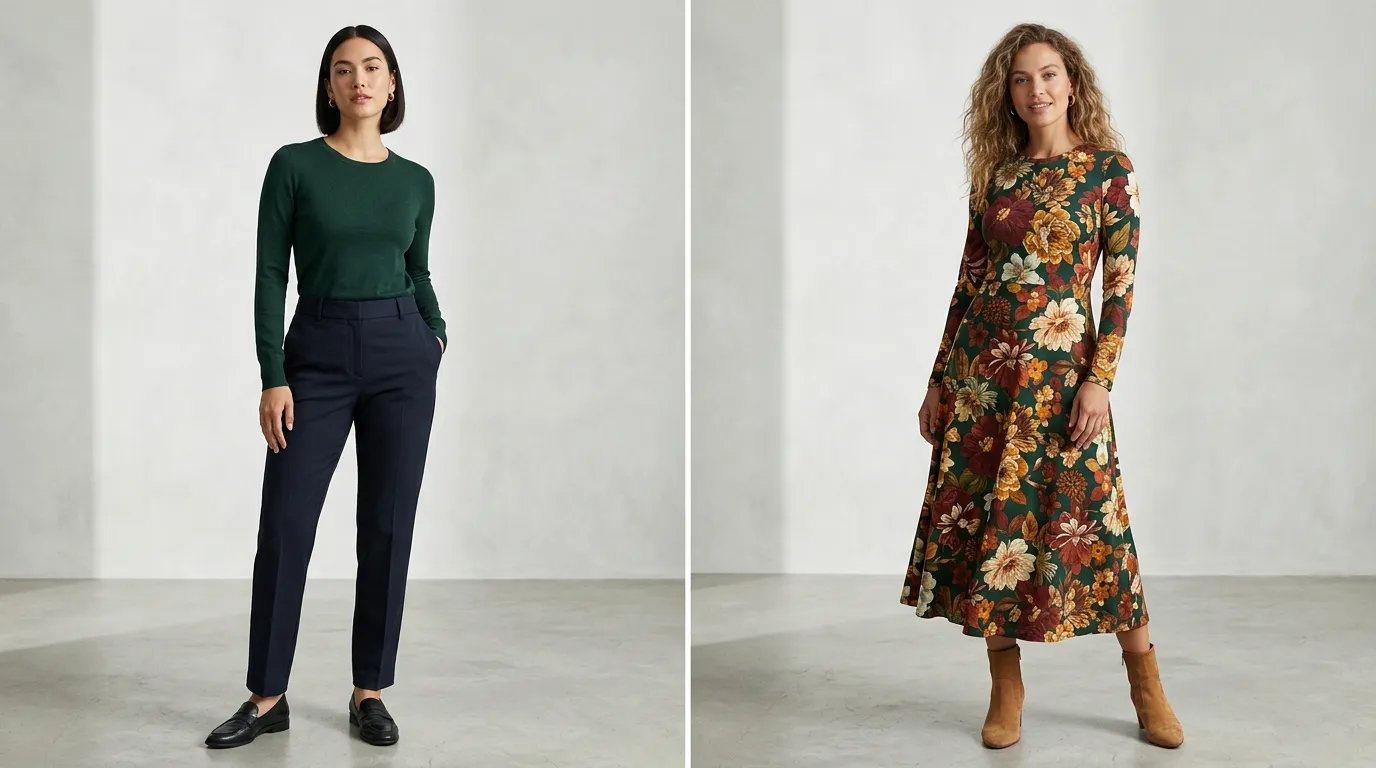
Dark colors have long been recognized for their slimming properties, and the science behind it is straightforward. Darker shades absorb light rather than reflecting it, which means they do not catch or highlight the contours of the body the way lighter colors do. Wearing a dark-toned top over the midsection reduces the shadow and definition that lighter colors would create.
However, dark colors are not the only tool at your disposal. Bold, busy prints can be equally effective for tummy-hiding purposes. Large florals, abstract patterns, animal prints, and geometric designs all create visual noise that prevents the eye from settling on any single area of the body. When you wear a well-chosen print, a viewer’s gaze moves around the entire garment rather than focusing on the belly.
The trick with prints is to choose all-over patterns rather than placing a large design element directly at the midsection. A top with a bold print that runs from shoulder to hem creates distraction throughout. Avoid prints with a central focal point positioned at waist level, as this draws the eye to exactly the area you want to minimize.To see more ideas do visit Instafab Plus.
9. Tunic Tops and Flowy Blouses: Comfort Meets Coverage
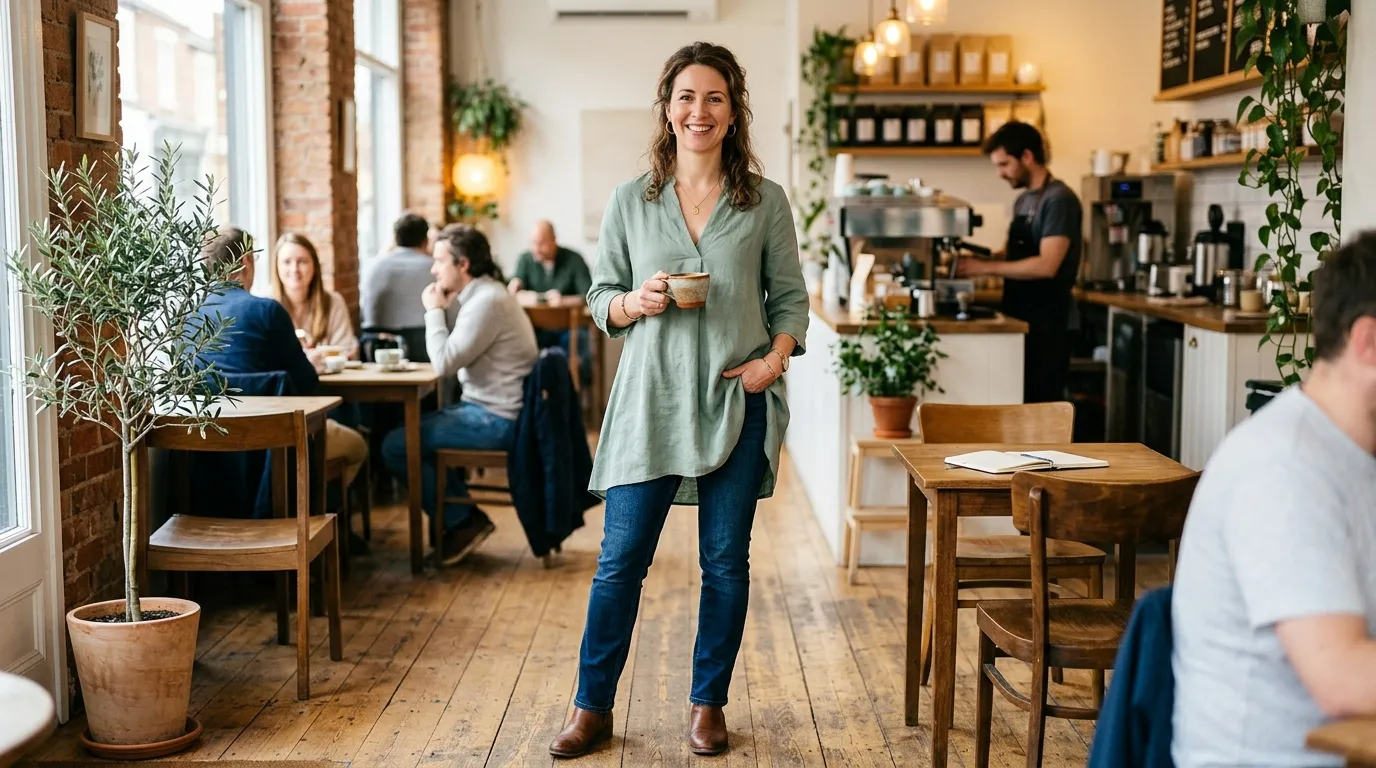
Tunic tops are one of the most practical everyday solutions for tummy-hiding outfits. A well-chosen tunic extends past the natural waistline and covers the hips, providing coverage over the entire midsection while remaining lightweight and comfortable. Pair a tunic with slim-fitting leggings, skinny trousers, or straight-leg jeans to balance the loose upper half with a fitted lower half.
The key principle here is balance. If your top is flowing and relaxed, your bottoms should be more fitted, and vice versa. Wearing a baggy top with wide-leg trousers creates an undefined, shapeless look. But a flowy tunic with slim trousers reads as intentional, stylish, and well-proportioned.
Look for tunics with interesting neckline details, such as V-necks, cowl necks, or embellished collars. These features draw the eye upward and give the garment a finished, thoughtful quality rather than the impression of simply covering up.
10. The French Tuck: A Subtle Styling Trick
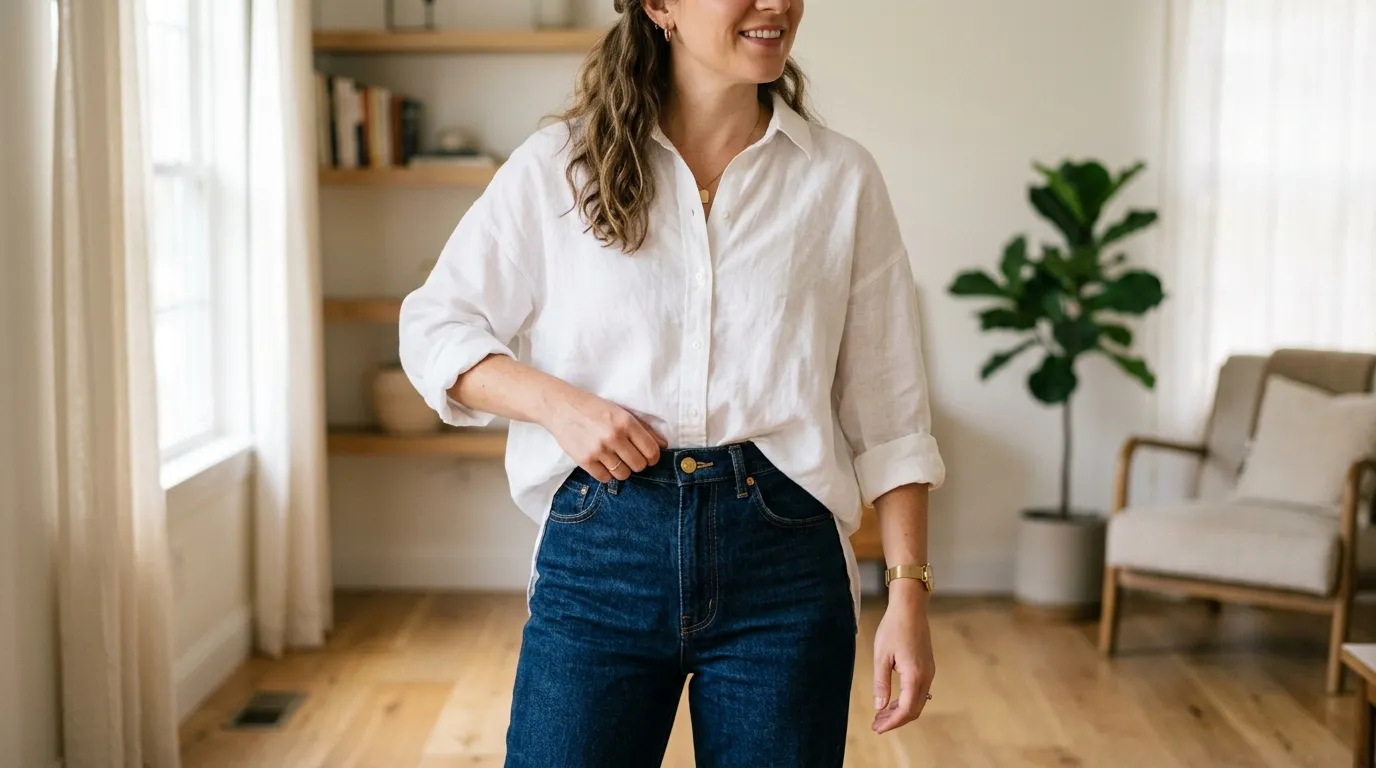
The French tuck is a simple but remarkably effective styling technique that has gained enormous popularity in recent years. It involves tucking just a small section of your top or shirt into the front of your waistband while leaving the sides and back untucked. This creates the impression of a defined waist without the full tuck that might reveal the midsection when you sit or move.
The French tuck works particularly well with looser shirts, oversized blouses, and flowy tops that might otherwise look shapeless if worn completely untucked. By anchoring just the front section into a high-waisted trouser or skirt, you create a suggestion of waist definition that tricks the eye into perceiving a smaller midsection.
This technique works best when paired with high-waisted bottoms, as the higher rise of the trouser or skirt does additional work in smoothing and containing the lower belly.
11. Shapewear: The Foundation That Changes Everything
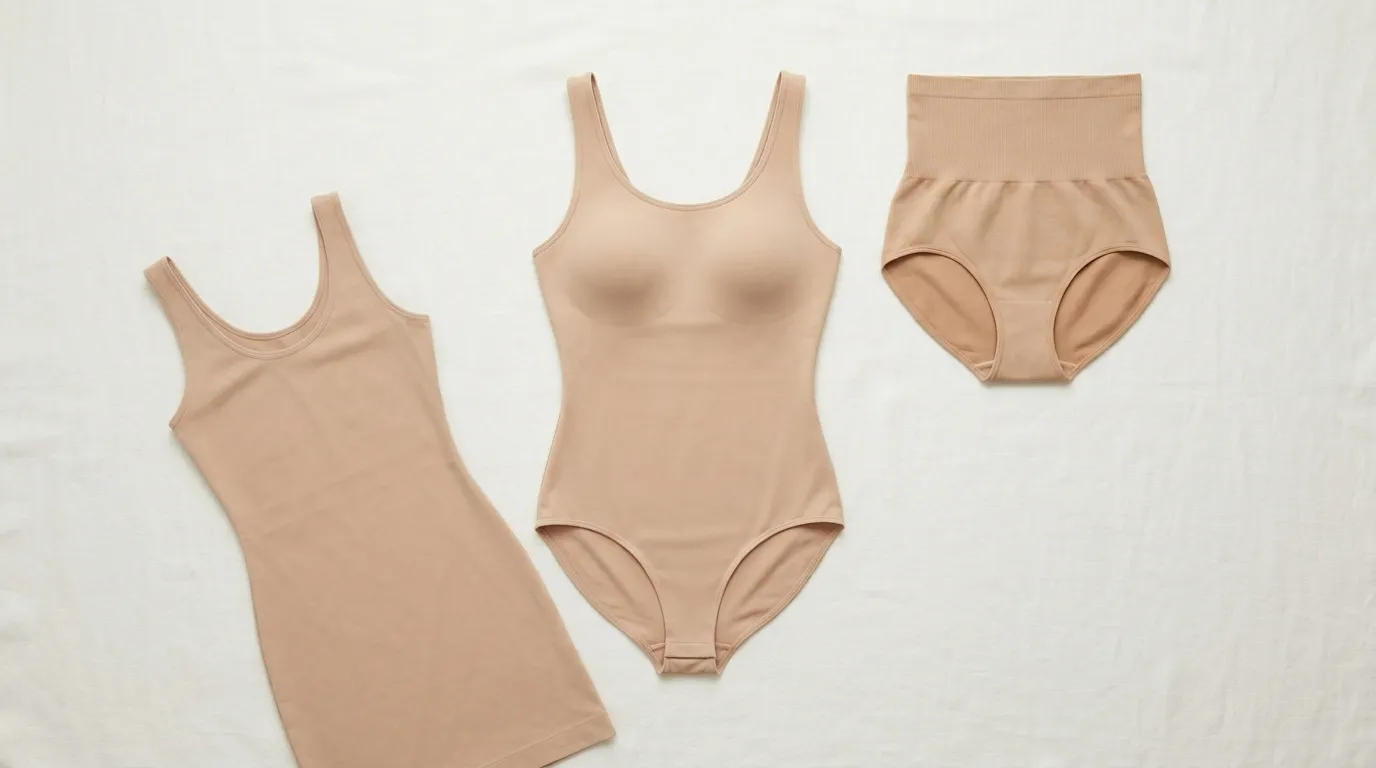
No guide to tummy-hiding outfits would be complete without addressing shapewear. Modern shapewear has evolved far beyond the uncomfortable, restrictive garments of previous decades. Today’s options include breathable, seamless bodysuits, high-waisted control briefs, and smooth slips that offer gentle compression without causing discomfort or leaving visible lines.
The purpose of shapewear is not to dramatically reshape the body but to create a smooth, even foundation under your clothing. When you wear a fitted dress or a pair of tailored trousers, shapewear eliminates the bumps, rolls, and fabric-catching that can occur with regular underwear. The result is a cleaner, sleeker silhouette that allows your outfit to sit exactly as it was designed to.
Choose shapewear with compression levels appropriate to the garment you are wearing. Light control shapewear works well under casual outfits, while firmer options are better suited to formal occasions. Always ensure your shapewear is the correct size, as too-tight shapewear causes bulging at the edges, which defeats the purpose entirely.
12. Accessories That Redirect Attention
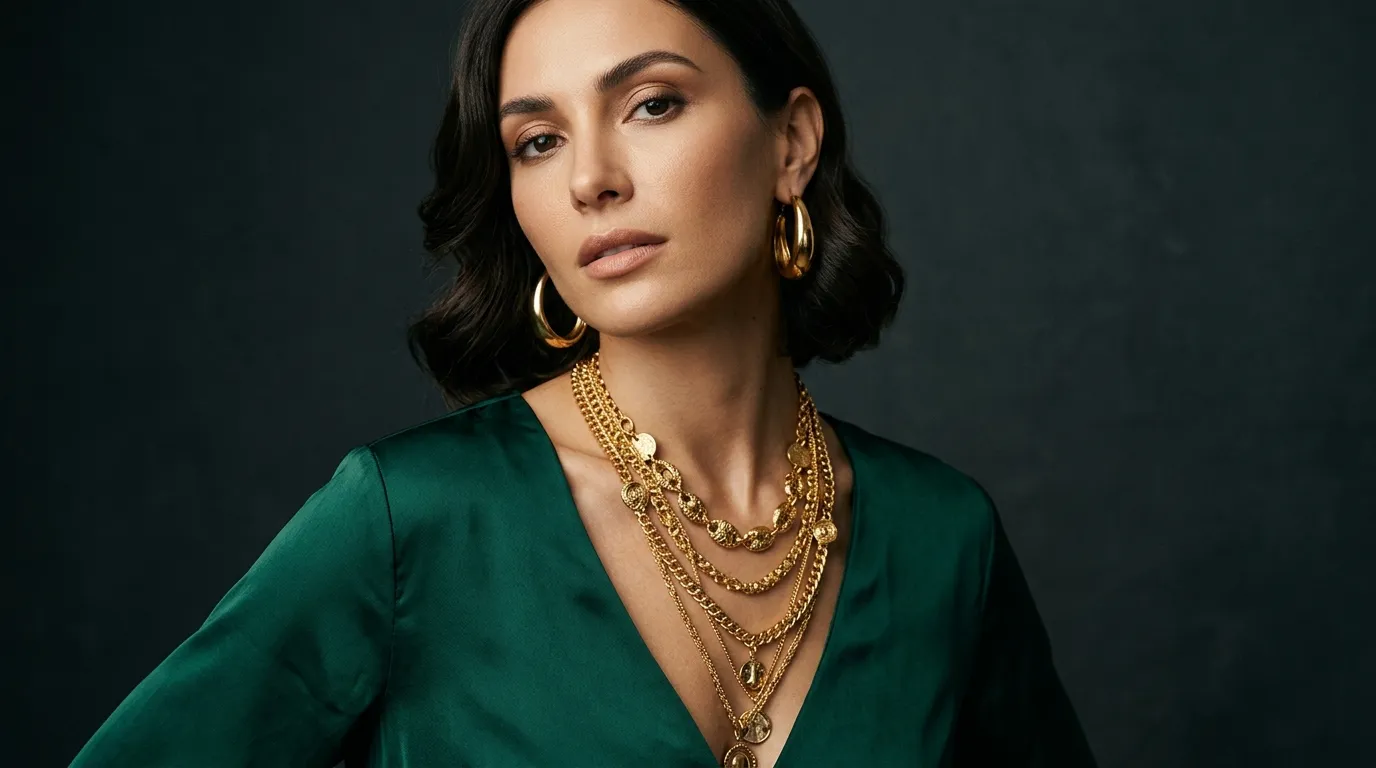
The finishing touches of an outfit play a more significant role in the overall silhouette than most people realize. Strategic use of accessories can redirect attention away from the midsection and toward the areas of the body you feel most confident about.
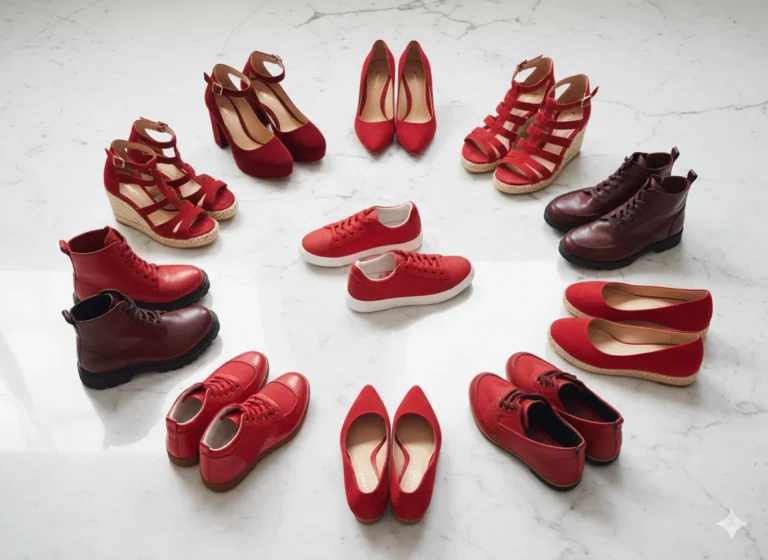
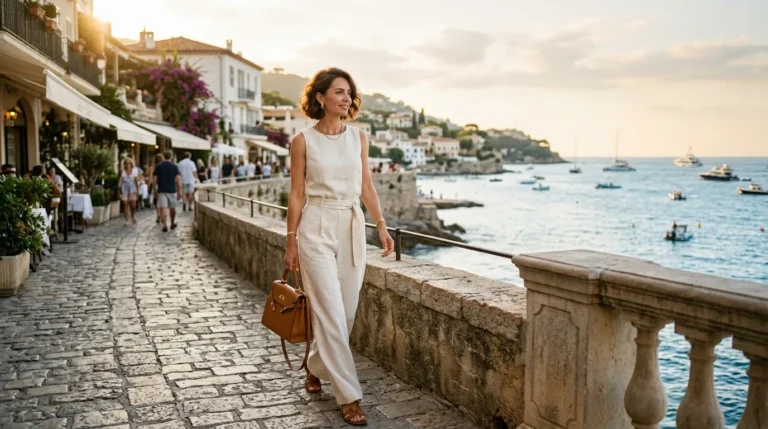
Statement necklaces, bold earrings, and layered chains all draw the eye upward toward the face and neckline, creating a focal point at the top of the body. A belt worn above the natural waist rather than at the widest point of the hips can define and emphasize a narrower section of the torso. Heels or wedged shoes elongate the leg line, creating the impression of height and slimness throughout the body.
Conversely, avoid large bags worn at waist level, wide belts placed directly over the belly, and horizontal stripes or embellishments positioned at the midsection. These draw attention to the very area you are working to minimize.
A Note on Fabric Choice
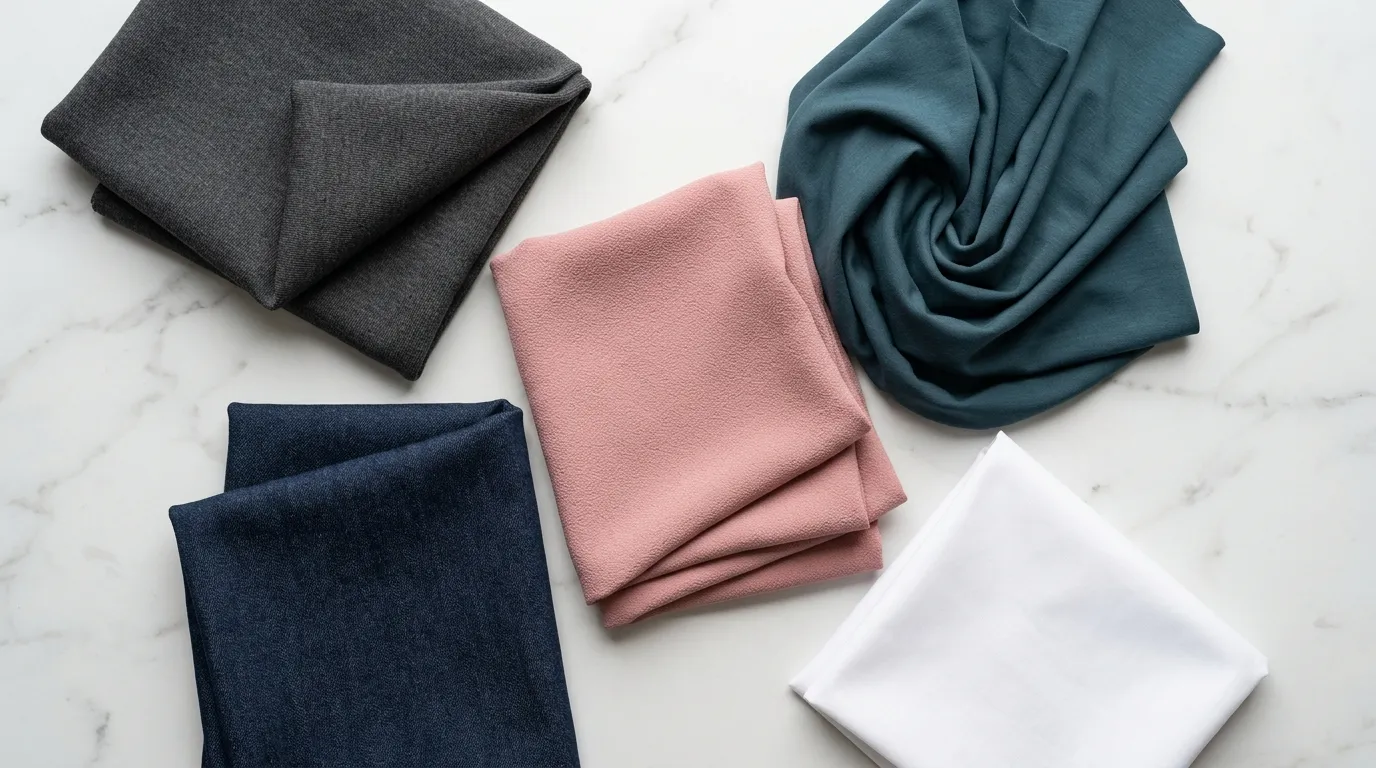
The fabric of a garment has a significant influence on how flattering it is across the midsection. Structured, medium-weight fabrics such as ponte, crepe, denim, cotton poplin, and matte jersey hold their shape and skim over the body without clinging. They create clean lines and smooth surfaces that hide rather than reveal.
Avoid thin, lightweight jerseys, clingy knits, and sheer fabrics unless they are lined or layered. These materials conform to every curve and contour, making it virtually impossible to achieve a smooth silhouette without shapewear underneath.
Heavy fabrics like leather and thick denim also work in your favor, as their structure prevents the fabric from collapsing against the body and revealing its shape.
Conclusion
Dressing to hide the tummy is not about hiding yourself. It is about understanding the tools and techniques that allow you to present the very best version of your figure to the world on any given day. From the timeless wrap dress to the strategic French tuck, from the elongating power of monochromatic dressing to the smooth foundation of modern shapewear, there are countless ways to put together outfits that make you feel confident, stylish, and completely at ease.
The most important thing to remember is that fashion should serve you, not the other way around. When you find the styles and silhouettes that work for your specific shape and lifestyle, getting dressed becomes a pleasure. Experiment with the techniques in this guide, invest in a few key pieces, and allow yourself to embrace the very real power of a well-chosen outfit.
Frequently Asked Questions
Q1. What type of dress is the most flattering for hiding a tummy?
The wrap dress is widely considered the most universally flattering option. Its diagonal crossover front, adjustable tie, and V-neckline work together to define the waist, skim the midsection, and draw attention upward toward the face and chest. It suits virtually every body type and is available in countless fabrics and prints.
Q2. Do dark colors really make you look slimmer around the belly?
Yes, dark colors genuinely contribute to a slimmer appearance. Dark shades absorb light rather than reflecting it, which means they do not highlight the contours and curves of the body the way lighter colors do. Wearing a dark top or dress over the midsection reduces the visual definition of the area, creating a leaner look.
Q3. Can I wear fitted clothing if I want to hide my tummy?
Absolutely. The key is choosing fitted garments with flattering design details. Ruched dresses, for example, are often fitted but use gathered fabric to create texture that disguises the midsection. A tailored blazer is another fitted piece that conceals the belly through structure and vertical lines rather than loose fabric. The fit should be close but never tight enough to stretch the fabric.
Q4. What fabrics should I look for when choosing tummy-hiding outfits?
The best fabrics for hiding the tummy are those with enough structure and weight to skim the body rather than cling to it. Ponte, crepe, matte jersey, denim, cotton poplin, and structured knits are all excellent choices. Avoid thin jersey, clingy satin, and unlined sheer fabrics unless you are wearing shapewear underneath.
Q5. Is shapewear necessary for tummy-hiding outfits?
Shapewear is not strictly necessary, but it can significantly enhance the results of other tummy-hiding strategies. Modern shapewear is breathable, seamless, and comfortable, making it a practical option for formal occasions or when wearing thinner fabrics. For everyday casual outfits, choosing the right silhouette and fabric is usually sufficient on its own. BTC Elantri V9.2